To understand a city’s history, museums are often the best starting point. They make the past tangible through real objects and well-curated narratives. As one of China’s most developed first-tier cities, Shanghai is rich in museums. This guide highlights several well-known picks to help you understand the city from multiple angles in a short time.
Shanghai Museum: One of China’s Top Museums
The Shanghai Museum is a major ancient art museum and is widely regarded as one of China’s top museums. Its collection includes more than 200,000 artifacts, including nationally important treasures.

Visitor Guide
The Shanghai Museum has four floors with galleries covering bronzes, ceramics, calligraphy, painting, jade, coins, furniture, and more. If you’re short on time, the Ancient Chinese Bronze Gallery (1F) plus the Chinese Painting and Chinese Calligraphy Galleries (3F) are especially strong priorities.
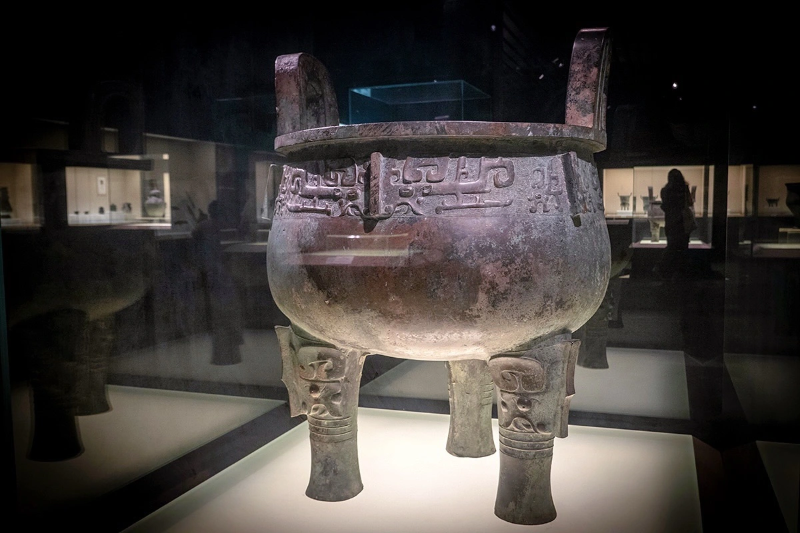
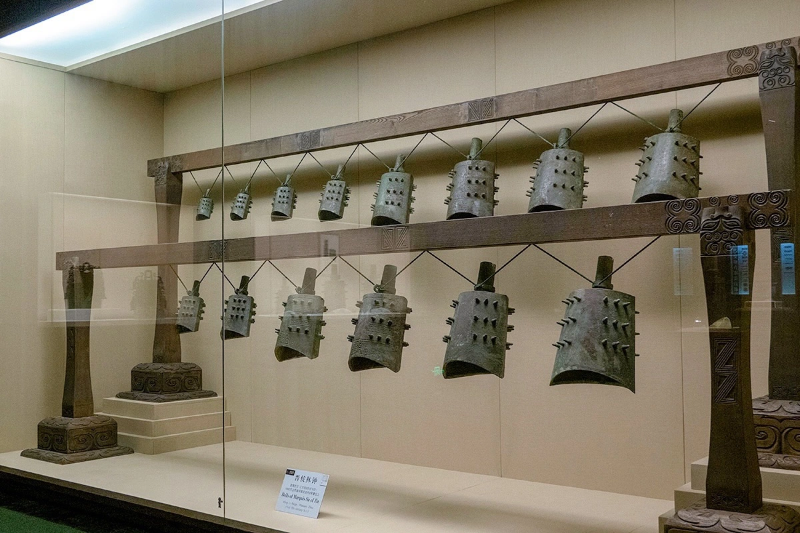
The Da Ke Ding in the Bronze Gallery is the treasure of the Shanghai Museum. This bronze cauldron, cast during the reign of King Xiao of the Western Zhou Dynasty, is inscribed with 290 characters of text, recording the Zhou emperor's decree to the nobleman "Ke." The rounded and exquisite craftsmanship of the characters is truly astonishing. Additionally, the Suzhong Bells of Marquis Su of Jin, also from the Western Zhou period, are a must-see exhibit in the Bronze Gallery. This set of chime bells, unearthed from the tomb of the seventh-generation Marquis Su of Jin in the Jin Marquis Cemetery, bears 355 characters of inscription documenting Marquis Su of Jin's inspection of the eastern territories with the Zhou king, making it a precious historical relic from ancient times.
Weekends can be crowded. If possible, visit on a weekday morning. Audio guides are available in the lobby, and the upper floors include museum shops for books and souvenirs.
Practical Information
Address: 201 Renmin Avenue, Huangpu District
Opening Hours: 9:00 AM - 5:00 PM, last entry at 4:00 PM (Closed on Mondays)
Admission: Free
Shanghai History Museum: Shanghai’s Story in One Place
If the Shanghai Museum feels too broad, the History Museum offers a more city-focused narrative. It documents Shanghai’s evolution from early history through treaty-port growth to the modern “Magic City” era.
The Shanghai Race Club Building
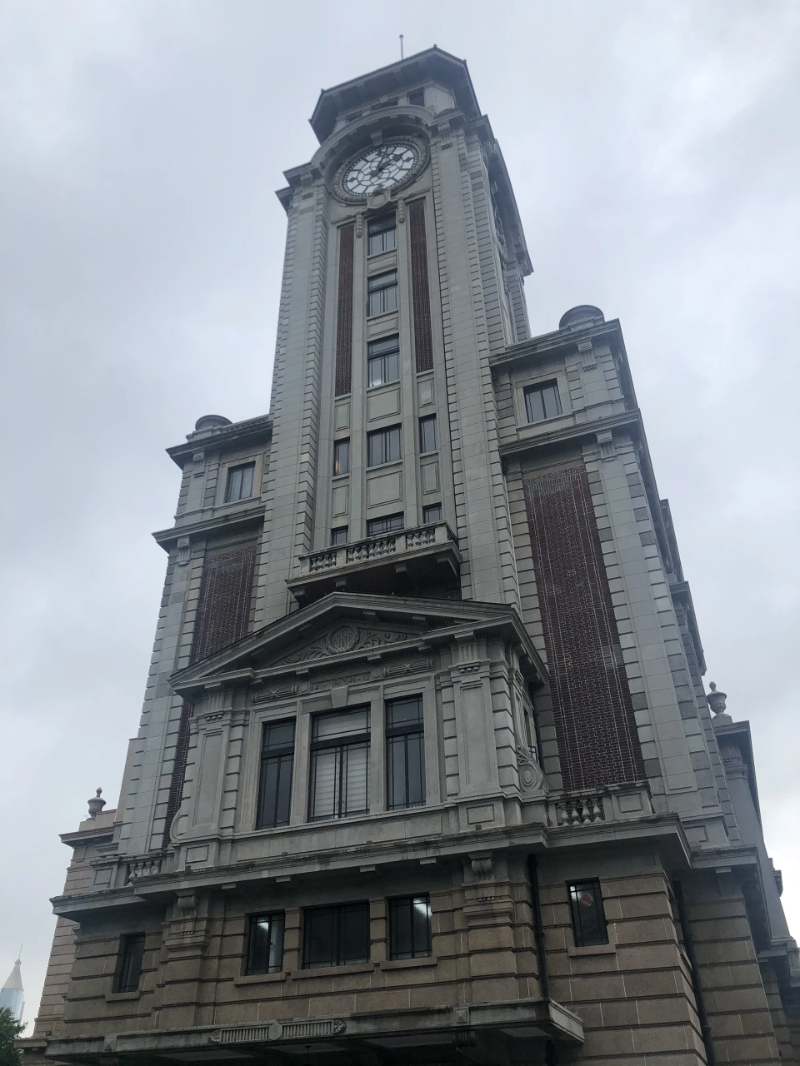
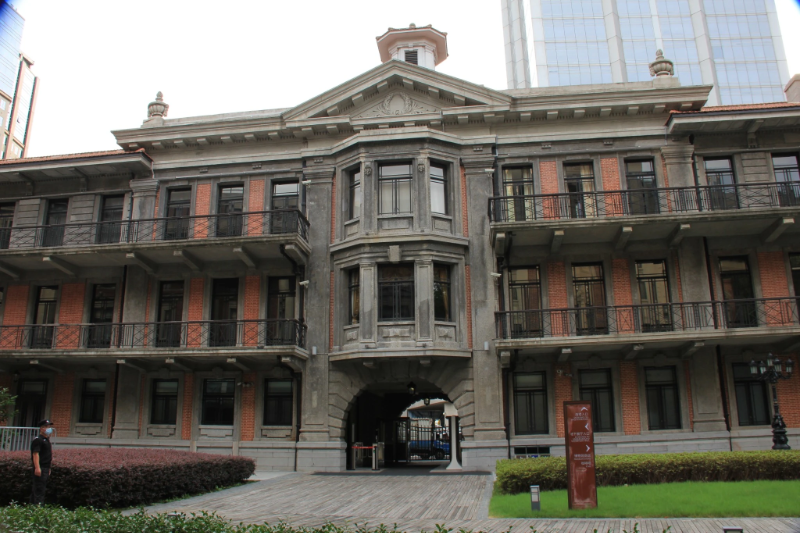
The Shanghai History Museum is located in the former Race Club building in the city center, which was once a high-end club built with 2 million taels of silver. The surrounding clock towers are grand and imposing, exemplifying a typical British classical architectural style.
Visitor Guide
The Shanghai History Museum spans five floors. The first floor features the Prologue Hall and the Special Exhibition Hall, which includes a large multimedia interactive wall where visitors can quickly learn about the city's evolution. The second floor houses the Ancient Shanghai Exhibition Hall, displaying numerous precious artifacts unearthed locally. The third and fourth floors are dedicated to the Modern Shanghai Exhibition Hall, showcasing historical relics from the time the port opened. The fifth floor offers a restaurant and a rooftop garden, providing a place to rest for those feeling slightly weary, and from the rooftop garden, one can enjoy a panoramic view of People's Square and the Nanjing West Road area.
Practical Information
Address: 325 West Nanjing Road, Huangpu District
Opening Hours: 9:00-17:00, last entry at 16:00 (Closed on Mondays)
Admission: Free
Shanghai Postal Museum
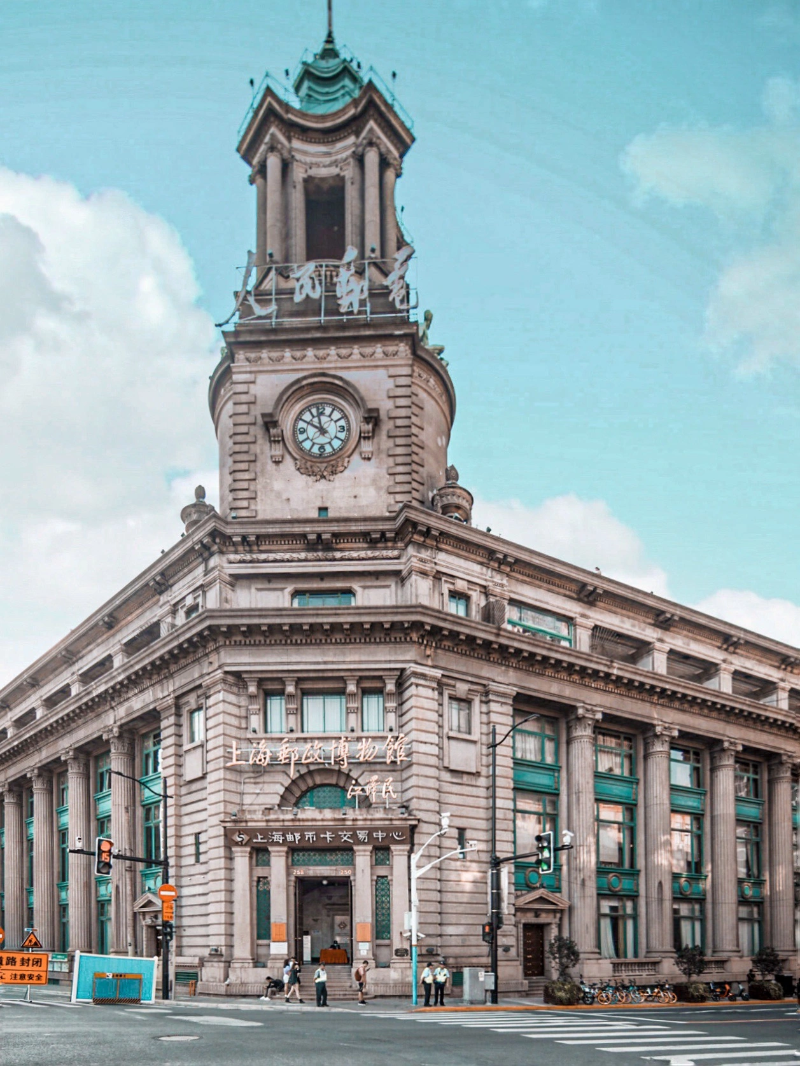
From Waibaidu Bridge, look across Suzhou Creek and you’ll notice a green-domed Baroque building—that’s the Shanghai Postal Museum. Shanghai is one of the birthplaces of modern postal services in China, and this museum traces the evolution of communication from ancient to modern times. It is also China’s first specialized postal museum.
Top Ten Buildings in Shanghai
Standing by the Suzhou River, the Postal Museum has a history of over ninety years. The entire building is in the European Eclectic style, with two exquisite bronze statues of Greek mythology carved on the tower, representing the Messenger and the God of Love. These two sets of statues were destroyed during the Cultural Revolution and were not restored until 2005.
Visitor Guide
Upon entering through the main gate, the first thing that catches your eye is the grand double-sided marble staircase and the chandelier hanging from the ceiling. Due to its unique perspective, many visitors enjoy taking photos here as a memento. Walking up the stairs to the second floor, you will find the Shanghai Post Hongkou Branch Business Hall. The third floor marks the starting point of the museum, featuring oracle bones used for communication, China's first postage stamp, and examination papers for Shanghai's modern postal workers...
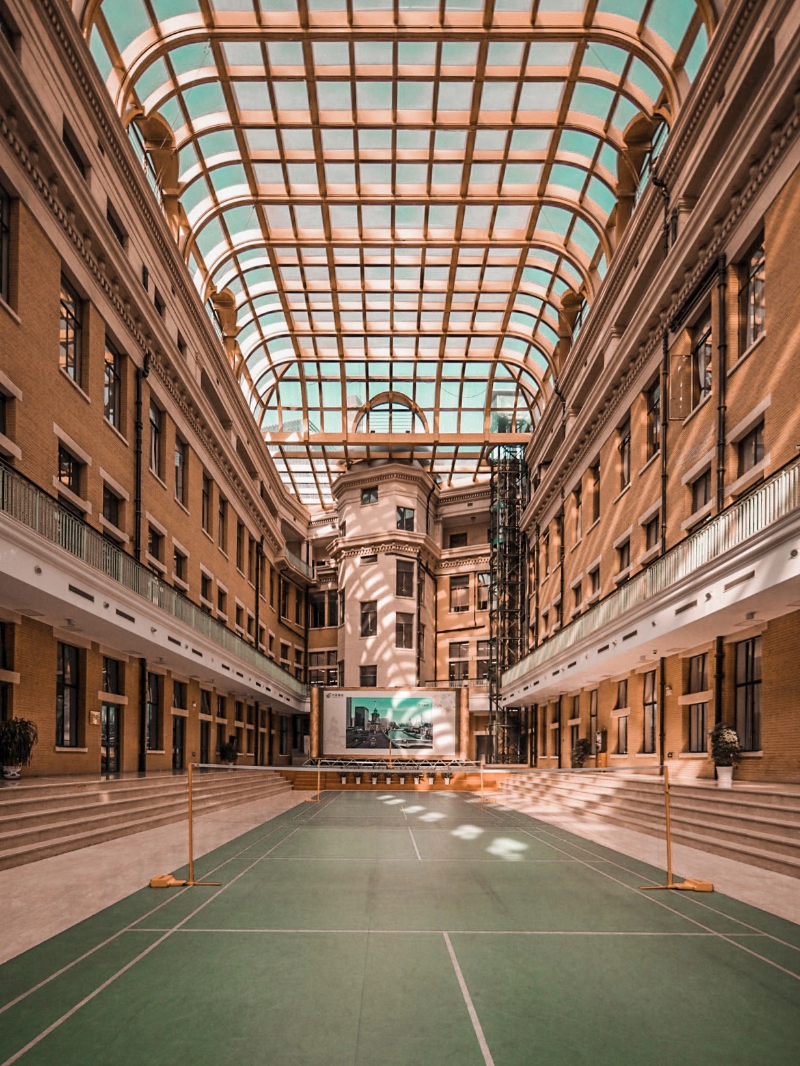
Here, you can see numerous fascinating artifacts; following the marked tour route, you will enter a hollow indoor hall, which was designed as the "First Hall of the Far East" to facilitate mail transportation at that time. Inside the hall, a green train car is set up, where you can freely experience the work of a postal sorter from the Republic of China era.
Practical Information
Address: 395 Tiantong Road Hongkou District
Opening Hours: Wednesday-Thursday Saturday-Sunday 9:00-17:00 last entry at 16:00
Admission: Free
In addition to the major museums above, Shanghai has many niche options worth visiting—such as the Shanghai Film Museum, Shanghai Auto Museum, and Shanghai Police Museum—each offering a different lens on the city’s character.