Shanghai is not only a fashionable metropolis. If you want a quick escape to bridges, waterways, and slower rhythms—but don’t have much time—these nearby ancient towns are perfect. In half a day to a full day, you can move from the concrete skyline to the gentle water-town atmosphere of Jiangnan.

The Three Ancient Towns in the Western Suburbs of Shanghai
Zhujiajiao, Liantang, and Jinze are all located in Qingpu District, surrounding the Qingxi Country Park in Shanghai. The distance between each of them is approximately 10 kilometers, allowing you to choose one to combine with Qingxi Country Park for a day trip. Among them, Zhujiajiao is the most renowned, while Jinze and Liantang are ancient towns that have remained largely untouched by commercial development.
Zhujiajiao
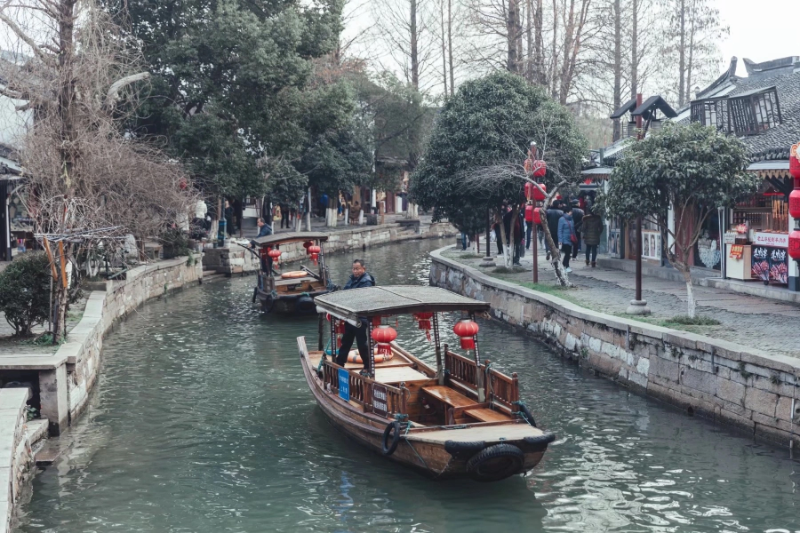
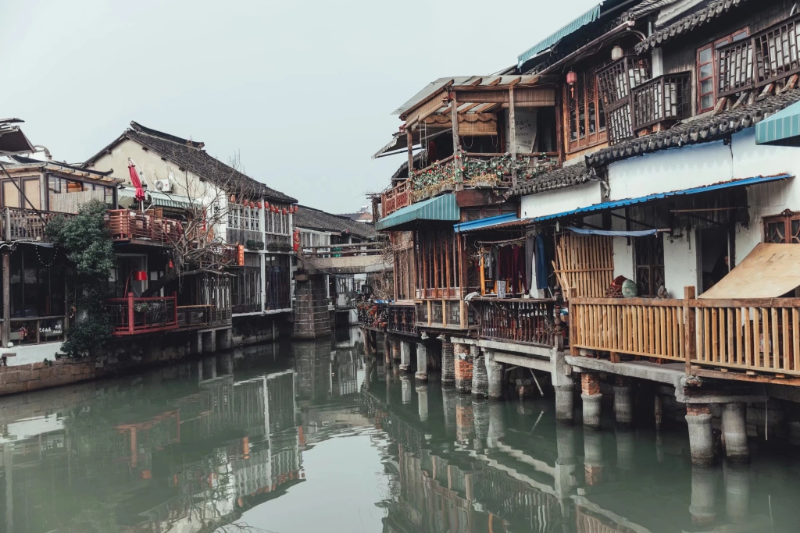
While preserving its ancient charm, this place is also known as the youngest and most stylish ancient town. In Shangdu Li, there are graffiti works by artists from around the world, and the alleys hide various artistic and bohemian shops, chain coffee stores commonly seen in the city center, and stores selling trendy internet-famous snacks. The collision of ancient style and modern elements gives this place a unique and vibrant vitality.
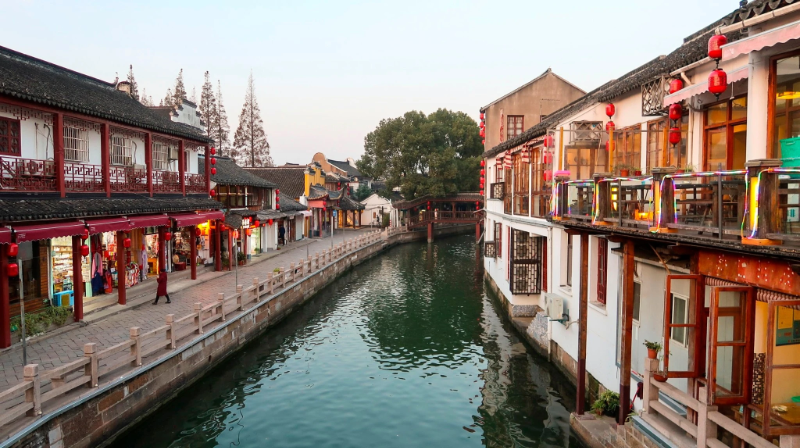
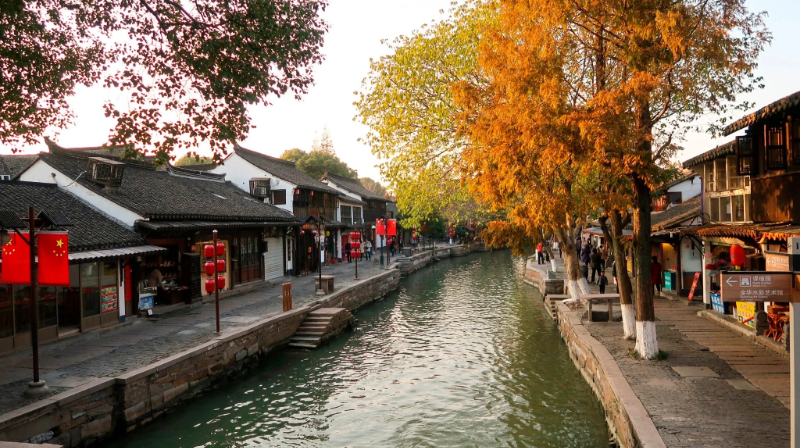
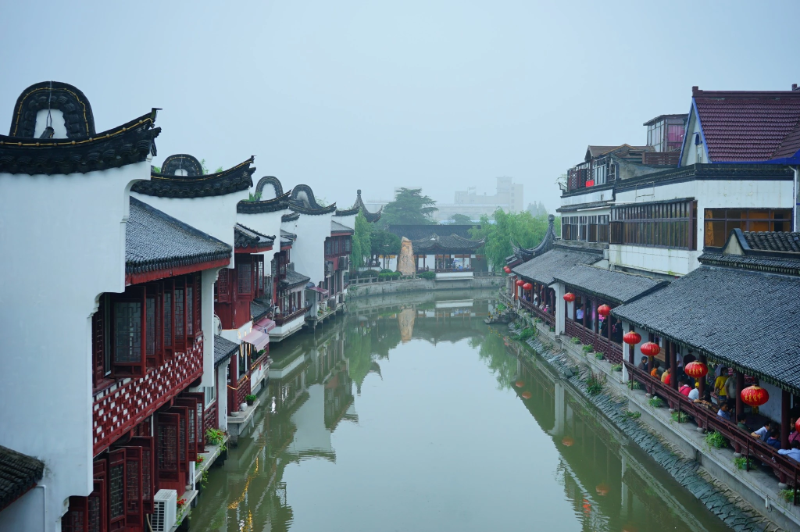
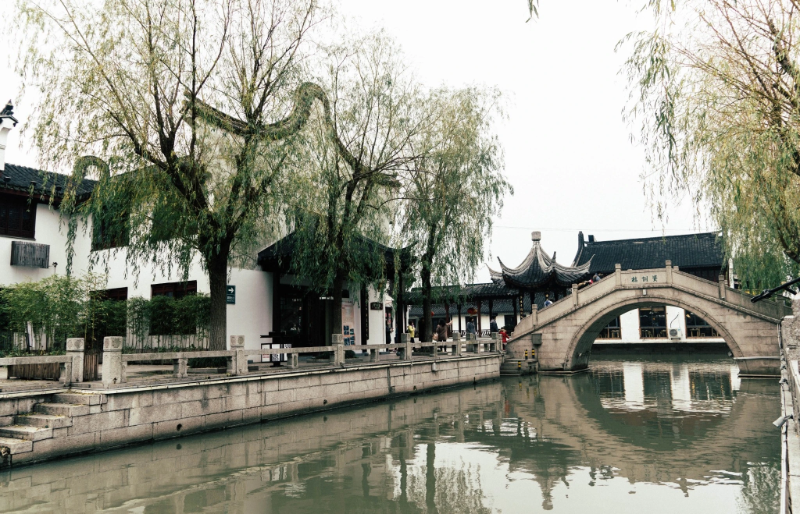
Having visited Zhouzhuang and Wuzhen, one will find that Zhujiajiao is brimming with the essence of daily life. It shares the same picturesque scenery of "small bridges, flowing water, and households." Perhaps the architecture here is not as refined, orderly, or newly renovated as in other places, the streets are not as clean and tidy, and the management is not as thorough. However, in the casual conversations of the locals, one can sense a leisurely and carefree atmosphere. This is the most well-preserved ancient water town in the Jiangnan region of Shanghai, often referred to as the "back garden" for Shanghainese during holidays. Walking down the streets, you will pass by many locals from Shanghai.
Recommended Experiences
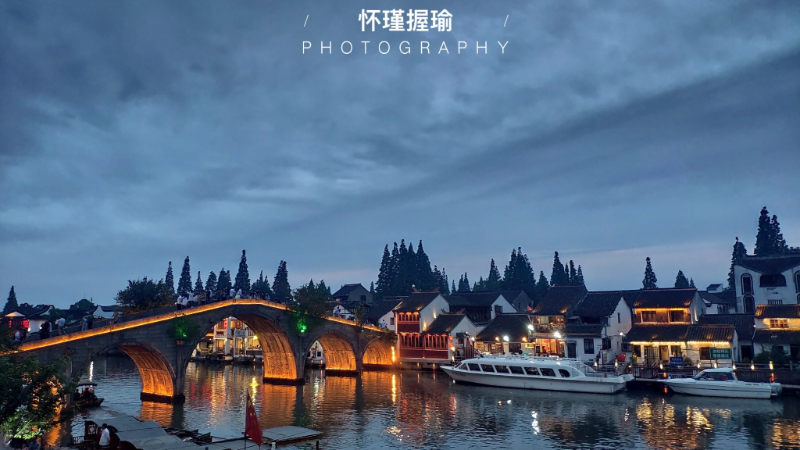
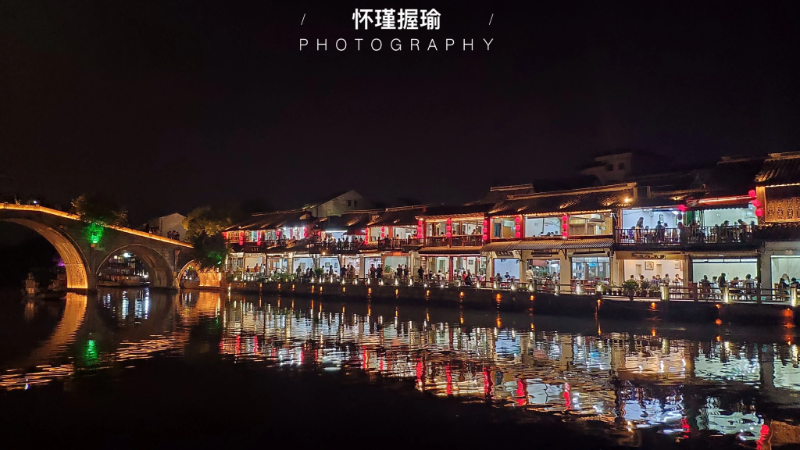
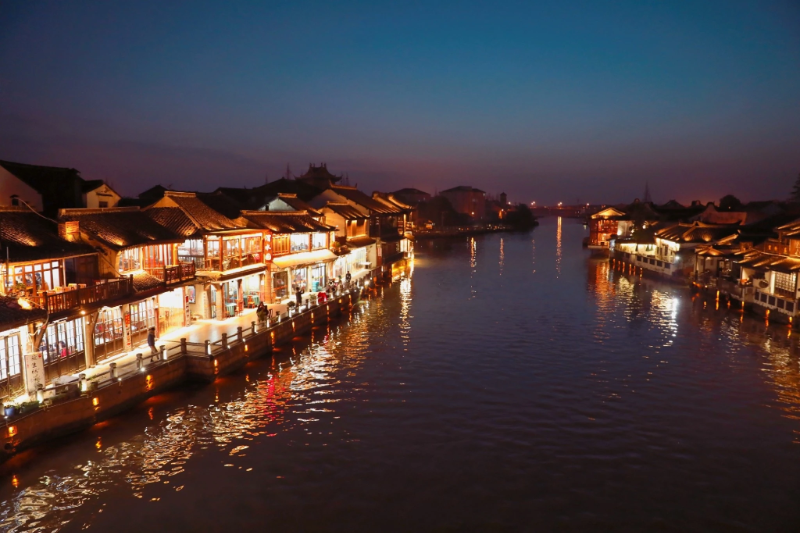
Visit the Fangsheng Bridge for scenic views. It is the best spot in Zhujiajiao to watch the sunrise, sunset, and night scenery. The view is most stunning between 4-5 PM, though it can get quite crowded. Explore the history at the Great Qing Post Office and admire the manor-style Suzhou garden landscape at the Kezhi Garden. Start your morning with a pot of early tea and a hearty breakfast. Don’t miss the vibrant graffiti at Shangdu for some unique photo opportunities.
Transportation
Highway: Take the Yan'an Elevated Road to G50 and exit at Zhujiajiao.
National Highway: Follow National Highway 318, turn onto Zhuxi Road in Zhujiajiao, and then onto Kezhiyuan Road.
Driving Route: City center → Yan'an Elevated Road → Huqingping Expressway (A9 Highway) → Zhongchun Road → Huqingping Highway (National Highway 318).
Parking: Located at the north entrance of the scenic area, it can accommodate over 300 cars and 35 buses.
Subway: Take Metro Line 17 to Zhujiajiao Station, exit 2, and walk approximately 15 minutes.
Tickets
The ancient town area is free to enter, but some attractions and boat rides require tickets.
Attraction Combo Tickets:
- Folk Culture Tour, 30 RMB (includes 3 attractions: Shanghai Ancient Culture Museum, Great Qing Post Office, Kezhi Garden).
- New Water Town Heritage Tour, 60 RMB (includes 9 attractions: Shanghai Ancient Culture Museum, Great Qing Post Office, City God Temple, Quanhua Art Museum, Rice Culture Museum, Yuanjin Temple, Hanlin Plaque Museum, Kezhi Garden, Shanghai Handicraft Exhibition Hall).
Boat Ride: 20 RMB.
Currently, entry to the scenic area requires a reservation.
Reservation Method: WeChat Official Account "Zhujiajiao Tourism."
Jinze Ancient Town
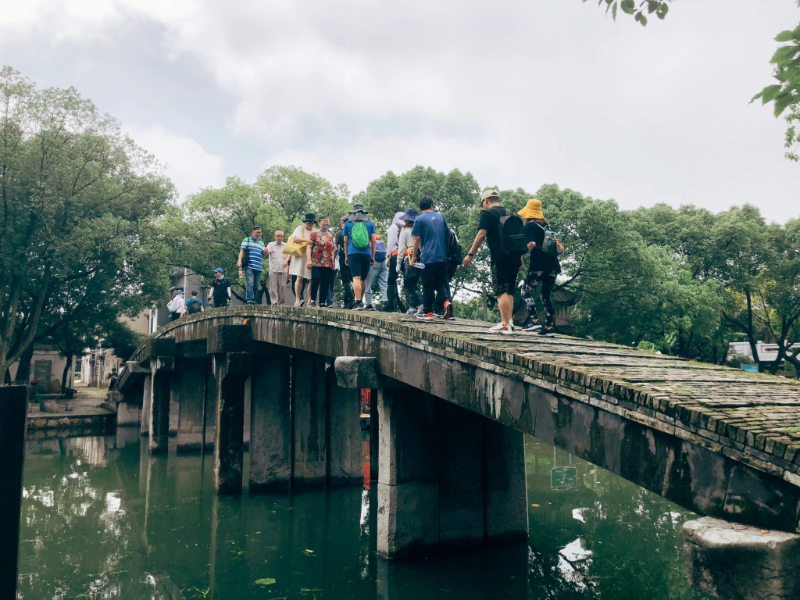
Jinze, the Town of Bridges, is an ancient town yet to be commercialized, free from bustling crowds and heavy commercial atmosphere. The entire town remains frozen in the moment when the younger generation left—old-fashioned barbershops are still in operation, but only the elderly from the town frequent them; the Yihao Temple, usually bustling with incense, now sees mostly elderly women from nearby as its visitors. Here, there is only the tranquil water town, ancient arch bridges, and boat women who sing gentle Jiangnan tunes. A north-south flowing river runs through the center of the town, dotted with lakes and crisscrossed by waterways.
According to historical records, Jinze originally had "six temples, one pagoda, thirteen lanes, and forty-two rainbow bridges," with a saying that "every temple has a bridge, and every bridge has a temple." Each bridge not only has its own unique features but is also associated with temples and shrines. Today, most of the temples have fallen into disrepair, but the bridges from that era still retain their charm. The bridges of Jinze are extraordinary, not only in their number but also because many are historically significant. The town still preserves seven ancient bridges built during the Song, Yuan, Ming, and Qing dynasties. The Puji Bridge, built in the third year of the Xianchun era of the Song Dynasty, is the oldest stone arch bridge in the Shanghai region.
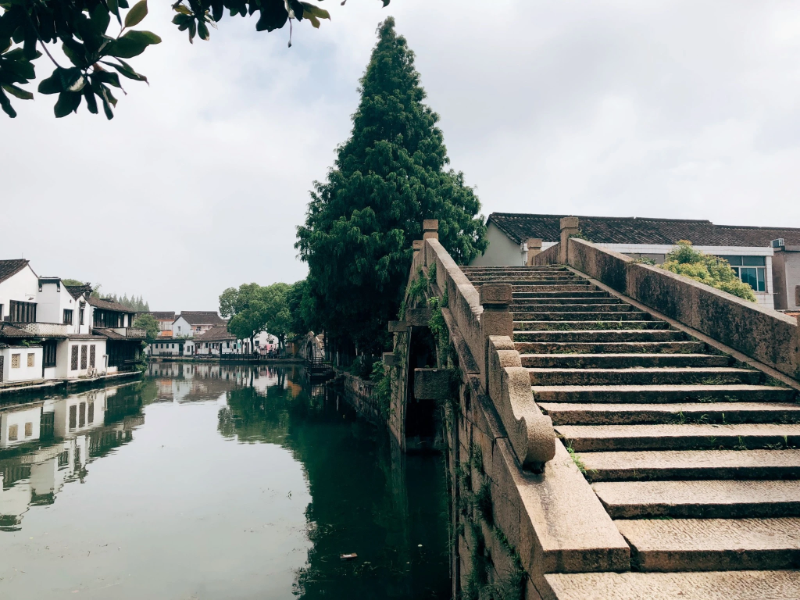
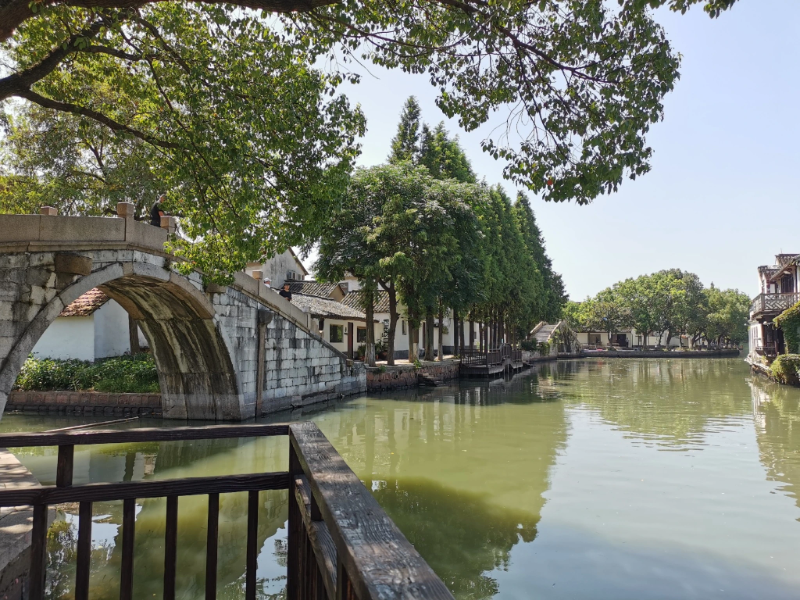
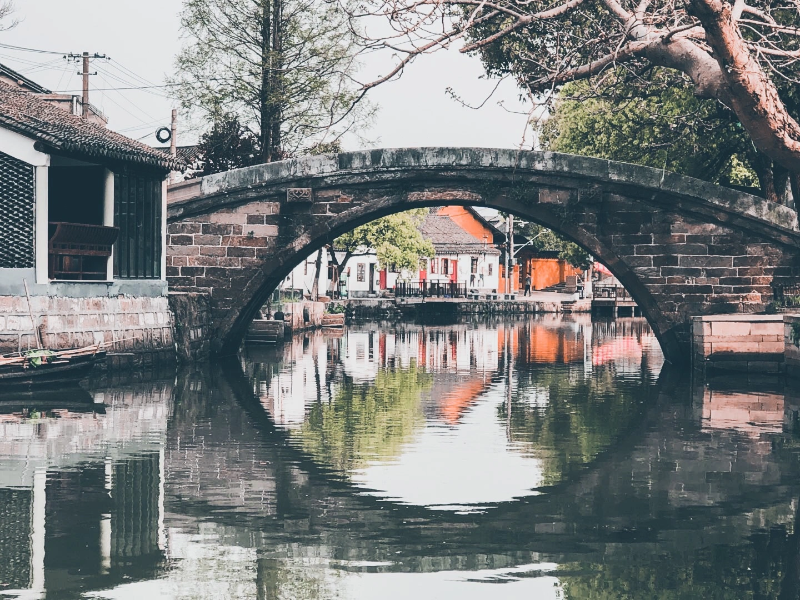
Within the ancient town, lakes and ponds are scattered like stars, and rivers and canals crisscross the landscape. The ancient bridges, mostly built during the Yuan and Song dynasties, connect in all directions and are quite distinctive. Compared to other ancient towns, this place has a less commercial atmosphere, offering a tranquil and peaceful environment, perfect for a leisurely stroll and chat with a few close friends, as well as for taking photos and enjoying the scenery.
Recommended Experience
Stroll across bridges and through alleys, taking your time to soak in the serene and peaceful life of the locals who seem to live in a bygone era, residing by the water. If you're interested, you can also visit Yihao Temple to offer incense and pay respects to Buddha, or stop by Zhujin Dim Sum Shop for a delicious basket of shaomai.
Transportation: Take the Hushang Express Bus and get off at Jinze Bus Station.
Admission: Free
Liantang Ancient Town
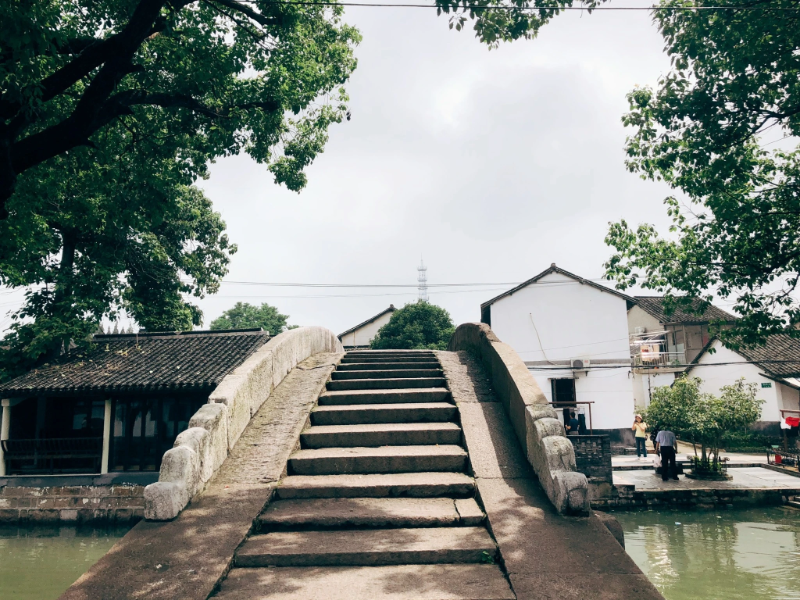
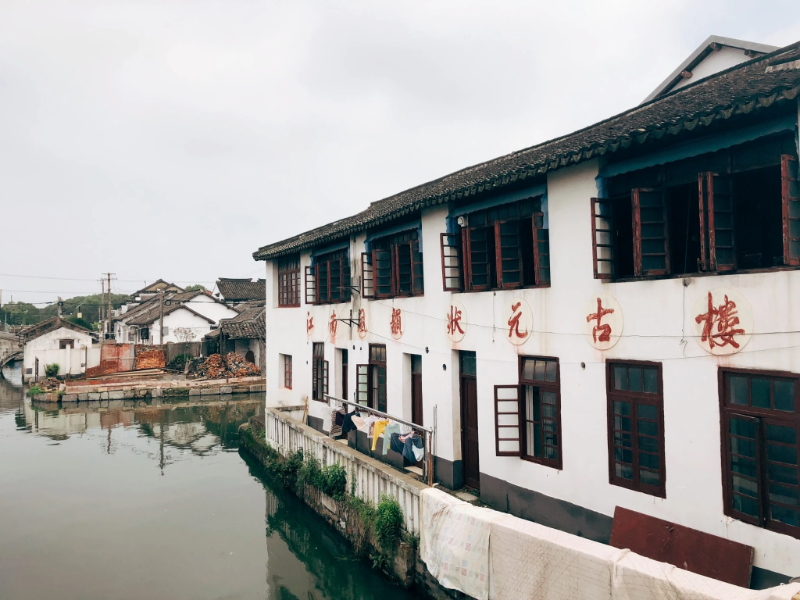
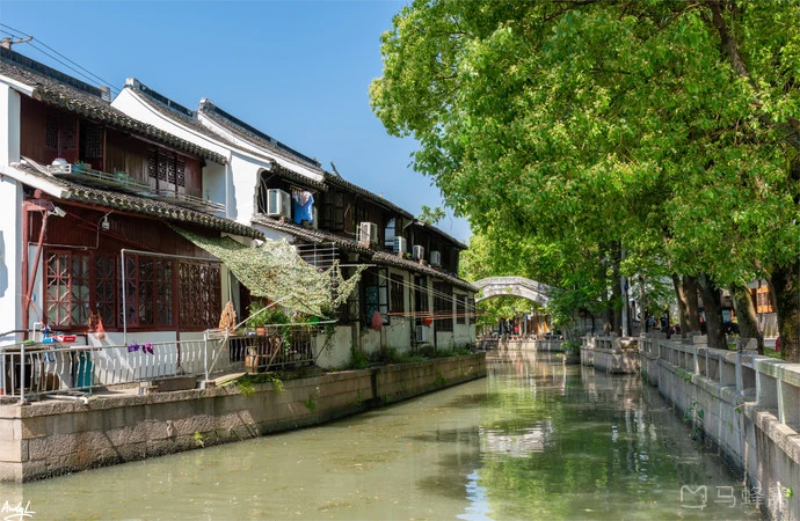
Also located in Qingpu District, Liantang Ancient Town's prominence is not measured by the number of tourists it attracts. Simply stating that it is the hometown of Chen Yun, the pioneer and founder of China's economic construction, renders other titles unnecessary. The old street is not long, stretching just three miles, with a river known as "Sanli Tang" running east-west through the town. On either side of the river are two stone-paved roads: one called Shangtang Street and the other Xiatang Street.
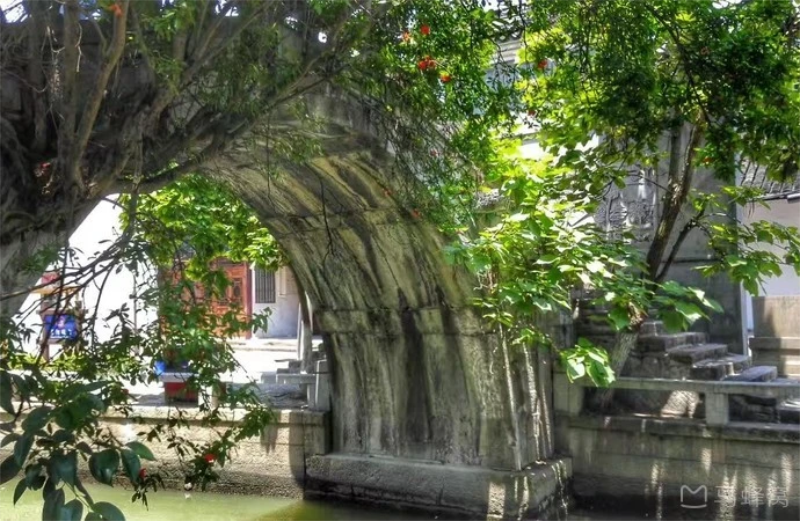
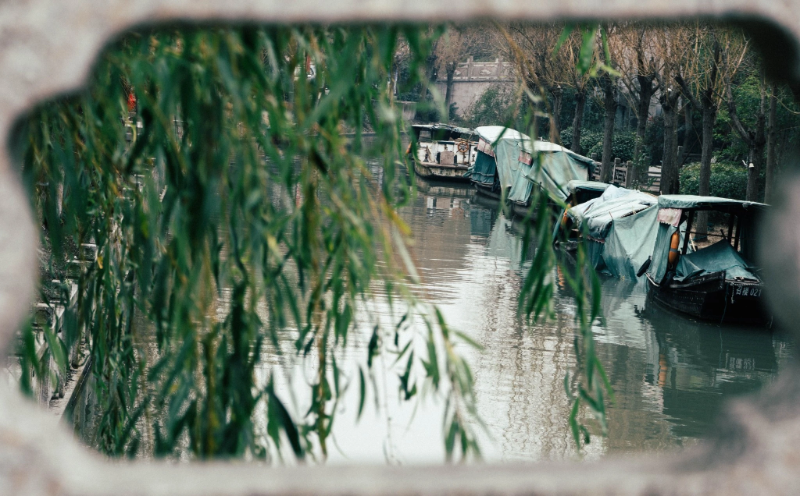
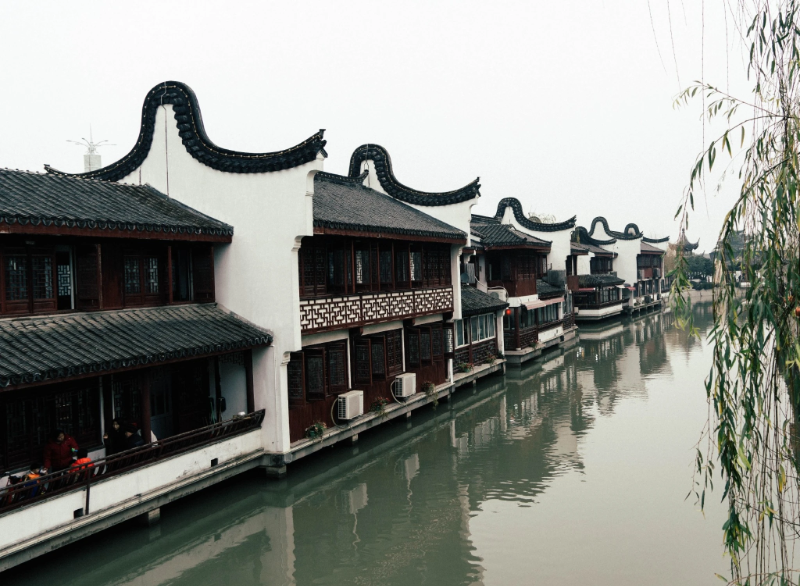
The architectural features of the old houses on both banks are strikingly different: the north side of the river is Shangtang Street, where most buildings are continuous two-story structures with storefronts facing the street, historically used as shops, and rear sections facing the water, with terraces for both storing goods and enjoying the view. The south side is Xiatang Street, primarily residential with courtyard homes, round-headed gable walls, whitewashed walls, and black tiles, with front doors facing the river. More than ten ancient bridges from the Yuan, Ming, and Qing dynasties span the river, nestled among willow trees, with small wooden boats occasionally gliding by, maintaining the serene image of a Jiangnan water town. The most famous local specialty here is the summer water bamboo shoots.
Transportation: It is recommended to drive there. Alternatively, you can take Metro Line 17 to Zhujiajiao Station, then transfer to the "Qingxiao Line" bus to Liantang Bus Station.
Admission: Free. However, to enter the Chen Yun Former Residence within the ancient town, you need to present your ID to obtain a ticket.
The ancient town closest to the city center, Qibao Old Street.
Qibao Ancient Town is probably the closest water town old street to the downtown area of Shanghai. Many locals escape the towering buildings of the city to come here, reconnect with a more grounded atmosphere, leisurely stroll through the old streets, capture the night scenes, and savor the local delicacies. Qibao Old Street is not very large and is quite easy to explore, with just two main streets—one primarily offering snacks and the other specializing in small goods. Perhaps due to its proximity to the city, the water town scenery of Qibao Old Street is not entirely original, but rather filled with a strong commercial vibe. Most people come here primarily for the delicious food.
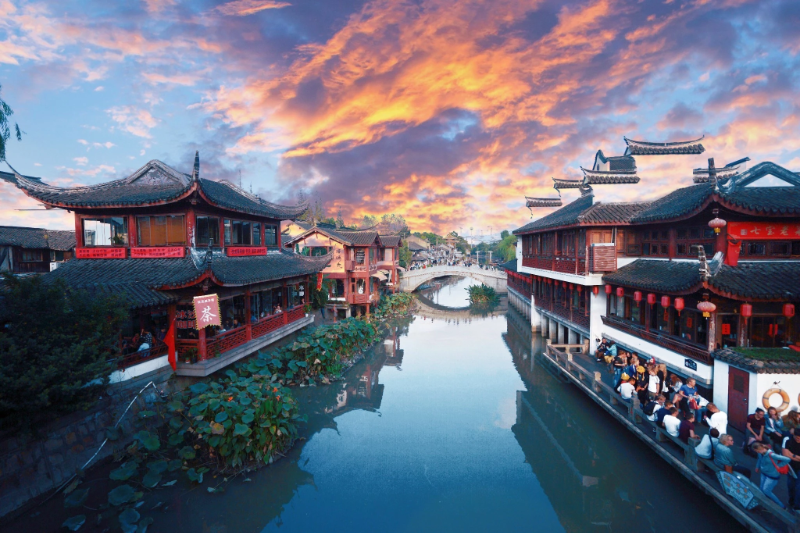
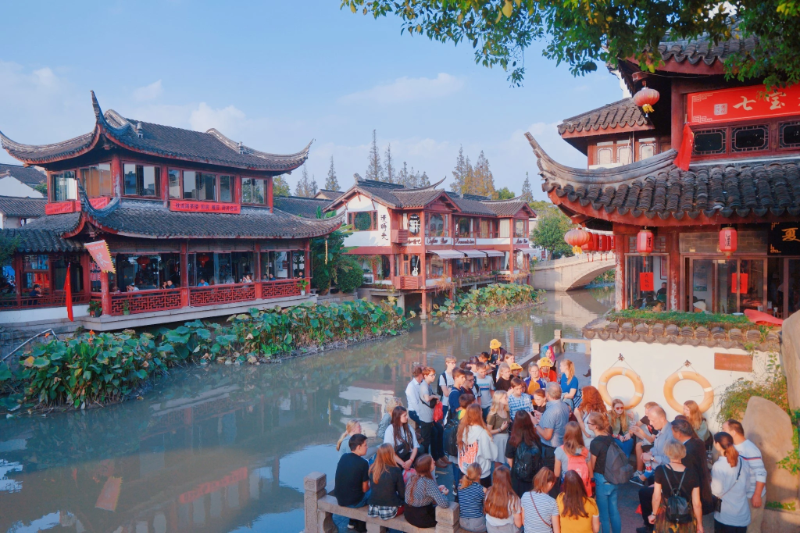
The streets and alleys of Qibao Old Town, like those of many ancient towns, are primarily used for commerce, with only the architecture retaining its old-fashioned style. The shops in the old town are essentially divided into two main categories: one is souvenirs, and the other is food. Some souvenir shops are quite distinctive, and it's a good idea to go in, browse around, and buy some meaningful items to give to relatives and friends.
Recommended Delicacies Old Street Glutinous Rice Balls, Sliced Boiled Mutton, Begonia Cake, Braised Pork Knuckle, Braised Pork Hock, Crispy Vegetarian Duck, Beggar's Chicken, Qibao Rice Cake, Salt-Baked Quail Eggs, Stinky Tofu, and more are all beloved by foodies~ The most famous is the glutinous rice ball shop in Qibao Old Street, where the rice balls are sold "by the piece." These large and delicious rice balls are a must-visit spot for many tourists coming to Qibao. Girls with smaller appetites might find one or two enough. Peanut, red bean paste, shepherd's purse, purple sweet potato, fresh meat, sesame... the variety is extensive, but the classic sesame filling remains the most popular. Another not-to-be-missed are the shops in the ancient town selling handmade rice balls. The mugwort rice balls during the Qingming Festival and the shepherd's purse rice balls when shepherd's purse is in season are particularly noteworthy.
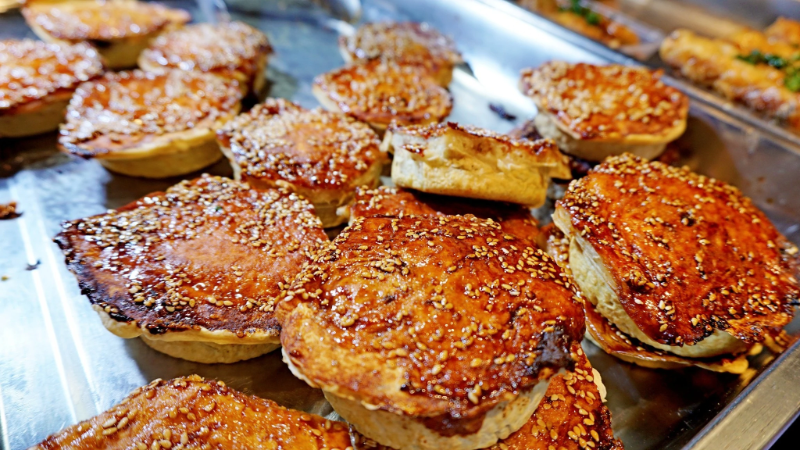
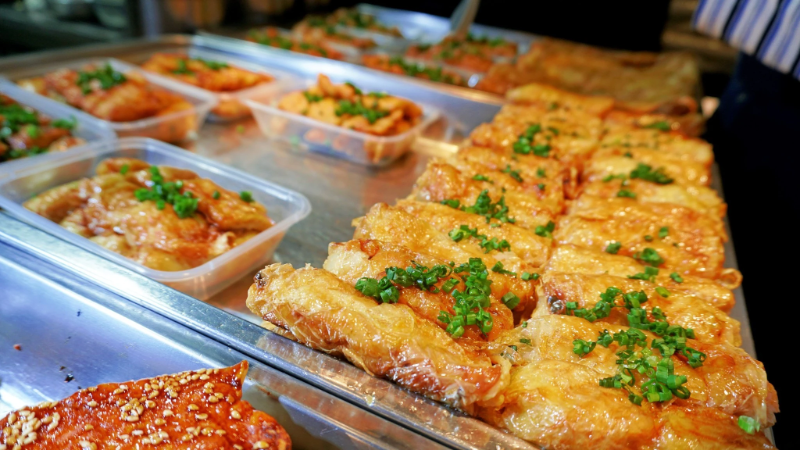
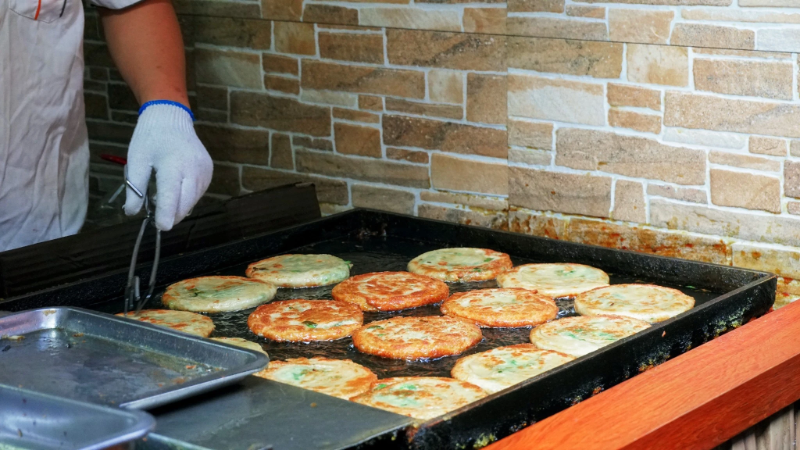
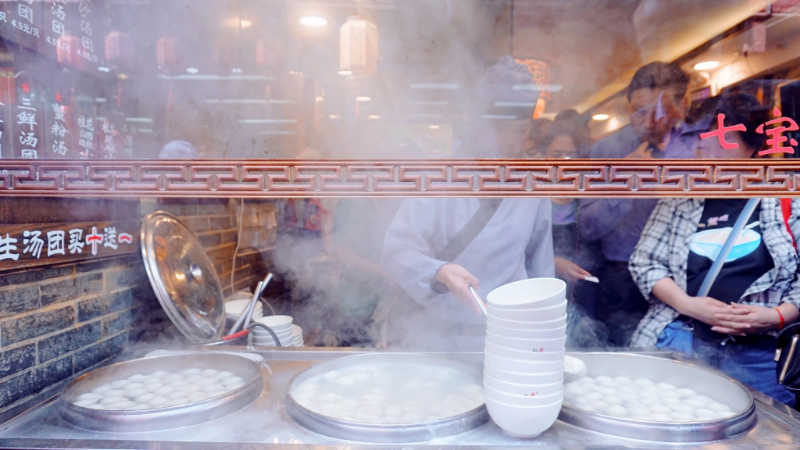
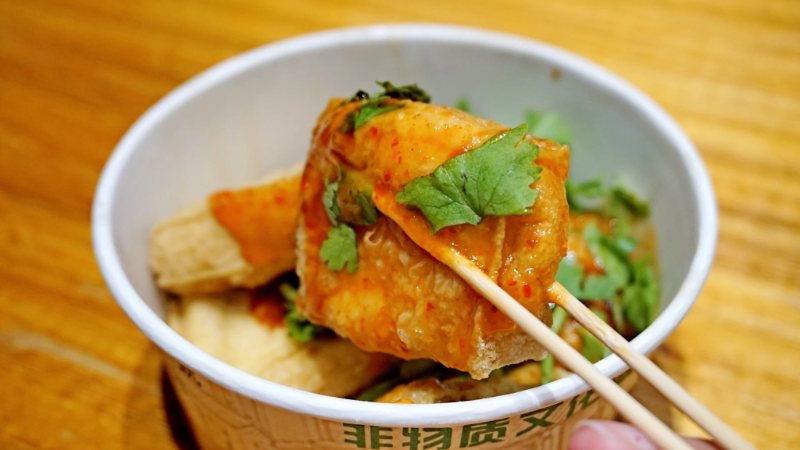
Transportation: Drive by car or take Metro Line 9 and exit at Exit 2 of Qibao Station
Admission: Free
The ancient town in the eastern suburbs of Shanghai
Xinchang and Shaojialou are both located near Disneyland. If you're heading in that direction for a visit, you can choose between the two.
Xinchang Ancient Town
Xinchang Ancient Town, originally known as "Shisunli," was once a place where salt workers used seawater to produce salt. Over time, the beach gradually silted up and became land, and this salt field slowly transformed into a residential and trading hub for the salt workers. It once flourished as the largest town on the Pudong Plain. The town's long streets, teahouses, old shops, small temples, and ancient monasteries together paint a picturesque scene of a Jiangnan water town, earning it the praise of "Little Xinchang rivaling Suzhou." The flowing water has carried away the bustling days of the past, but today, Xinchang Ancient Town retains its unique cultural charm. The narrow river that winds through the town, the waterside dwellings, the high stone embankments, and the saddle-shaped water bridges along the river all contribute to a serene atmosphere that preserves its distinctive heritage.
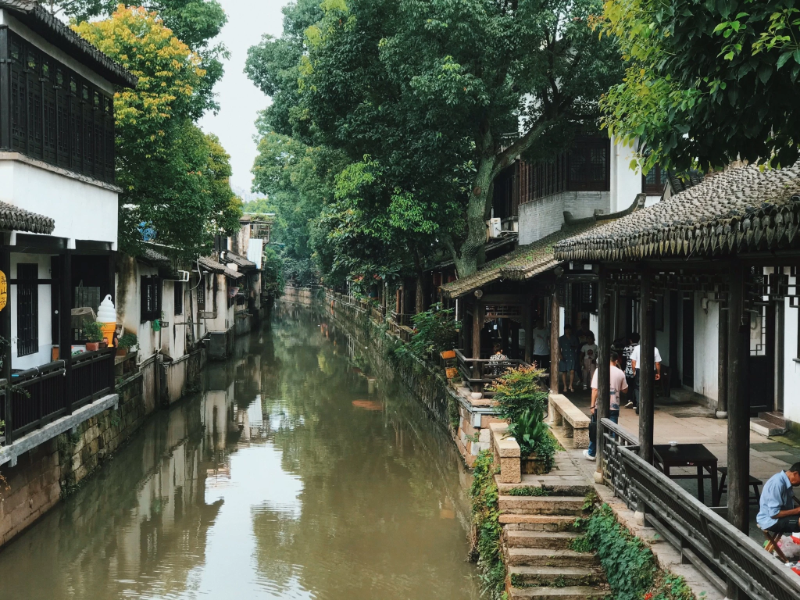
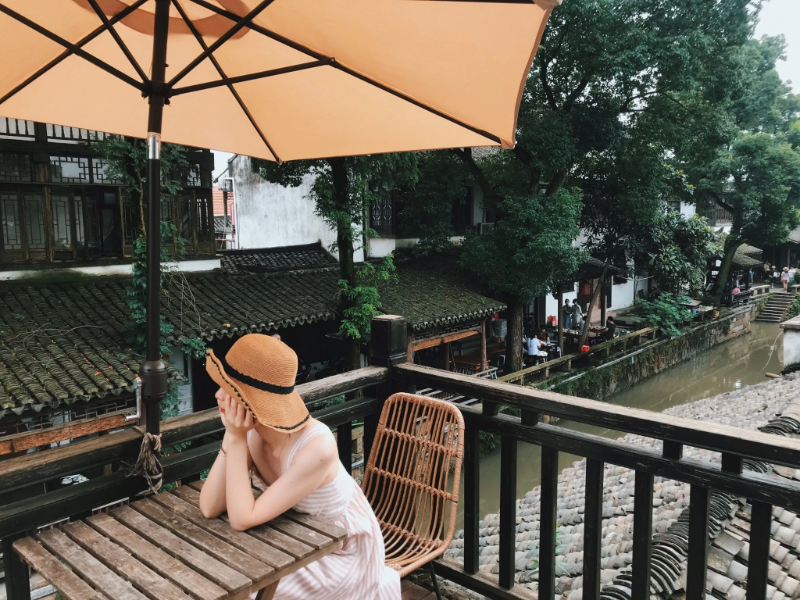
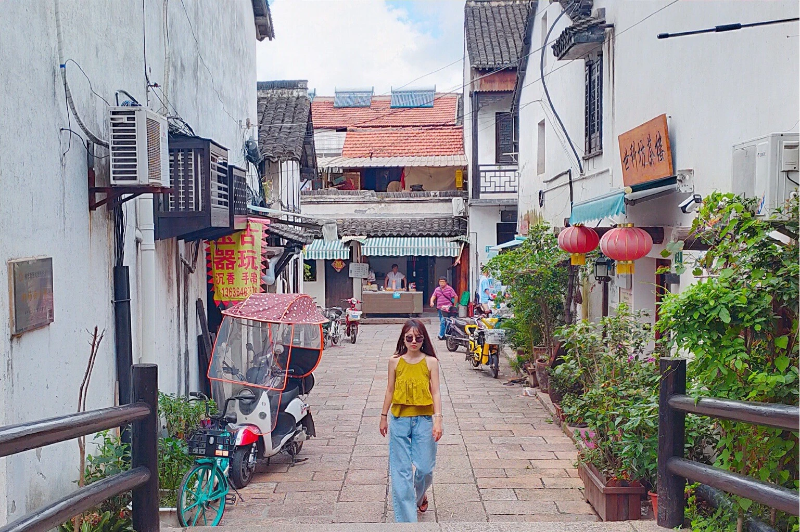
Xinchang has preserved over 100 ancient residences from the Ming and Qing dynasties, varying in size. The white walls, black tiles, and carved doors and windows evoke the charm of the old town's historic homes. The most representative among them are the Xi Family Hall and the Zhang Hall, which blends Chinese and Western architectural styles. The surviving stone embankments of the Ma'an Water Bridge are uniquely exquisite.
With numerous films and TV dramas such as Lust, Caution, See You Tomorrow, Ip Man, and Nothing But Thirty being shot here, Xinchang has gradually re-emerged in the public eye. However, it remains a town with a relatively high number of local residents, where commercial development is moderate, allowing visitors to still experience its natural and unspoiled essence.
Transportation: Drive or take Metro Line 16 to Xinchang Station
Admission: Free
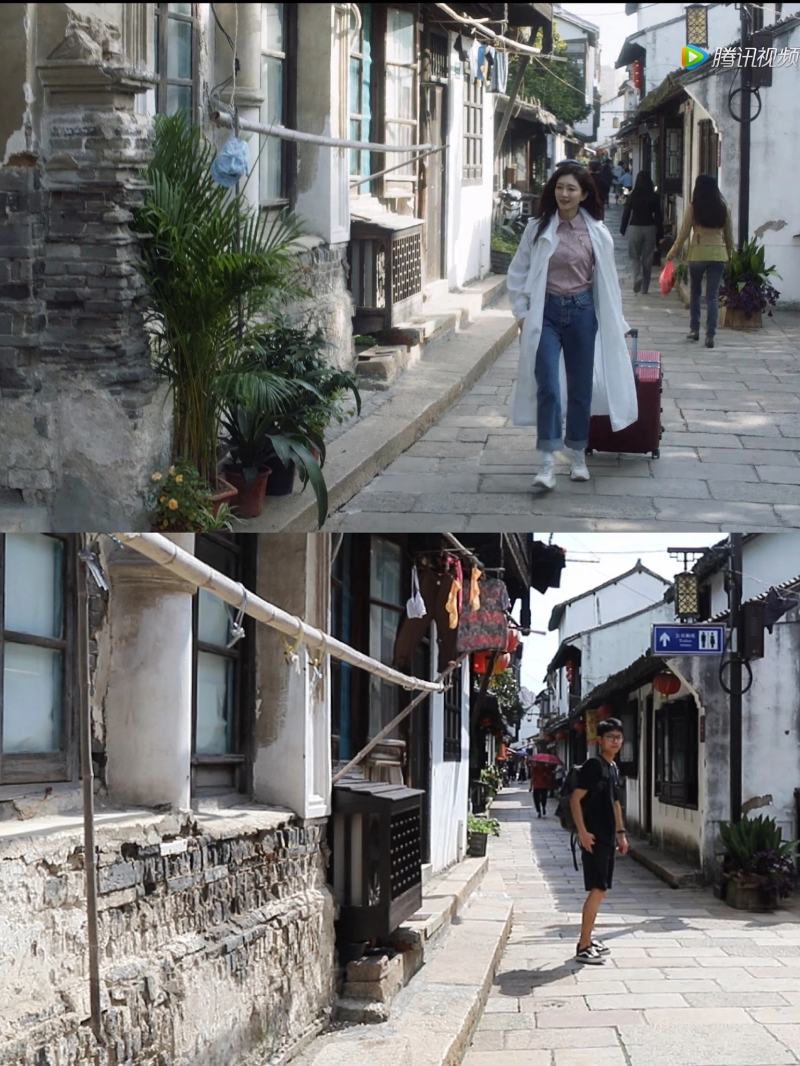
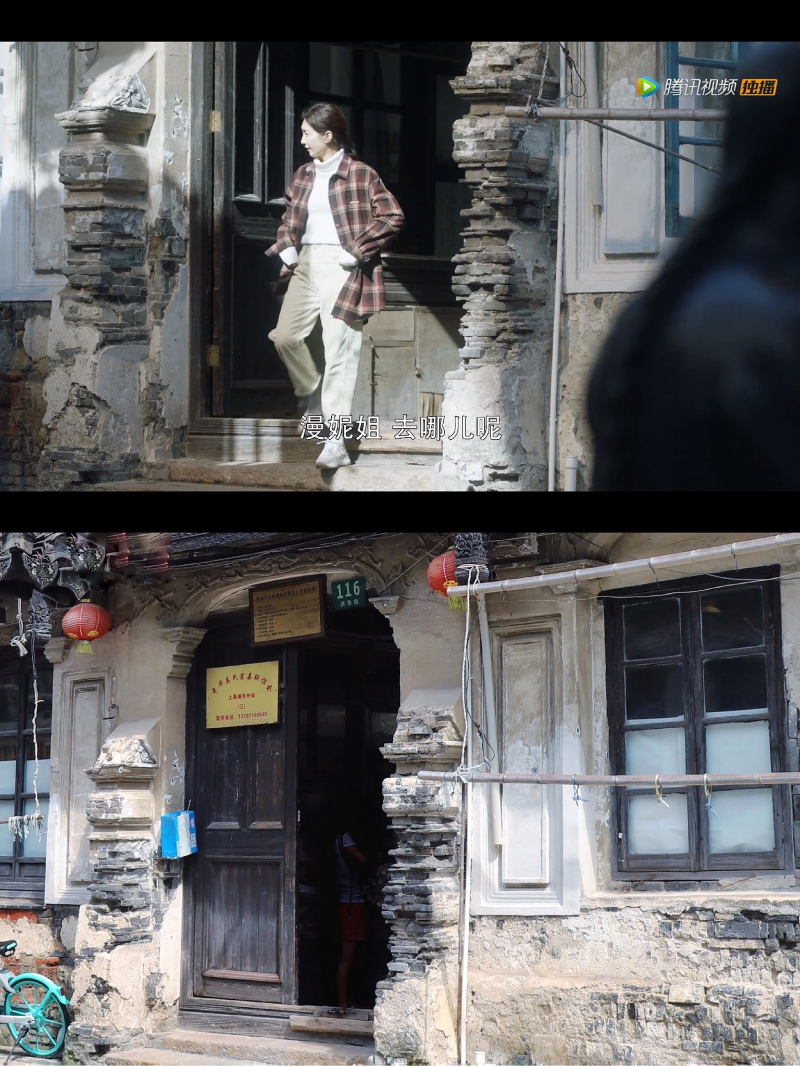
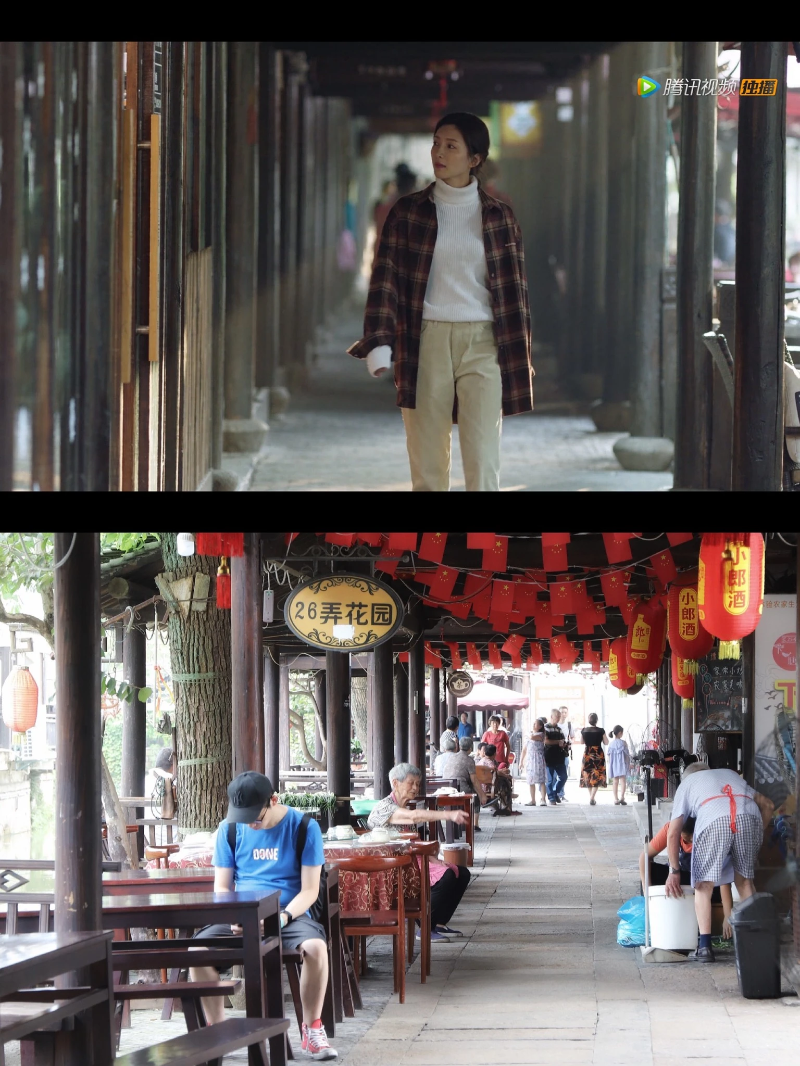
The indoor venues for escaping the heat in Xinchang are relatively few, mainly consisting of some restaurants and cafes. It is recommended to come in the afternoon and stay until evening, as half a day is sufficient; otherwise, the midday heat can be unbearable.
For quieter alleys, simply avoid the main roads, especially if you head towards Nanshan Ancient Temple, where the number of tourists will gradually decrease.
You can also pair your visit with the nearby Shanghai Wild Animal Park for a one-day trip in the outskirts of Shanghai 👏 This offers another niche option for friends traveling in Shanghai!
Shaojiadu Ancient Town
In fact, "Zhaojia" means to summon people for farming. Legend has it that Zhaojia Tower was built during the Southern Song Dynasty as a small tower specifically used to call farmers to reclaim wasteland and cultivate crops. It was reconstructed in the mid-Ming Dynasty, with a large bell hung atop it, which was rung to summon farmers to work, rest, and finish their labor in the fields. The continuous development of land reclamation turned the beach wasteland into a granary for grain and cotton, and Zhaojia Tower thus became a hub in Pudong. In those days, the bell of Zhaojia Tower had a crisp quality that could awaken Pudong; the mottled stone slabs, winding alleys, and the picturesque rows of Guanyin hoods and horse-riding walls formed a charming scene; the white walls and black tiles, small bridges, flowing water, and households exuded a strong Jiangnan charm that was refreshing to the soul; the old residences such as Meiyuan, Ligeng Hall, and Ningjian Hall were simple yet elegant, in their prime, evoking a sense of nostalgia.
Similar to Qibao Old Street, the ancient town of Shaojialou, which was developed relatively late, has gradually become a bustling gathering place for food lovers.
Food Recommendations: The most famous among them are the three treasures: Zhaolou Daqu (a type of liquor), Zhaolou lamb, and Zhaolou pork trotters. Other delicacies include stinky tofu, grass cake, crabapple cake, and lard cake. Before the Qingming Festival, you can try the seasonal bamboo shoot dumplings, a "non-heritage" dish from Xiasha. If you happen to visit around the Chinese New Year, cured chicken and duck are excellent choices for festive goods.
Transportation: Take Metro Line 8 to Shendu Highway Station, then transfer to Minhang Bus No. 10 or 175 to reach the destination.
Admission: Free
The ancient town is not as famous as Zhujiajiao and Qibao, and consequently, it doesn't attract as many tourists. Most visitors here are locals from Shanghai. Zhaolou is renowned for its specialty, Zhaolou mutton, which is characterized by its fresh and refreshing taste, free from any gamey or greasy flavors, making it an excellent dish to accompany wine. Small shops often use it as a topping for mutton noodles, allowing you to enjoy a delicious treat without spending much. Another specialty is Zhaolou braised pork trotters, a delicacy that most Zhaolou locals can prepare. Its features include a bright red color, a sweet yet non-greasy taste, tender meat, a rich and fragrant aroma, and a delightful flavor.