For first-time visitors, Shanghai’s most iconic sights cluster along both sides of the Huangpu River—led by the Bund in Puxi and the Oriental Pearl Tower in Pudong. The east bank is home to the skyscraper skyline (including the so-called “Four Highs of the Magic City”), while the west bank links classics like the Bund, Nanjing Road, Yu Garden, and City God Temple in a relatively compact line. Disneyland has also become a newer symbol of the city.
This guide highlights the most unmissable stops.
The Classic First-Timer Route: “Bund → Oriental Pearl Tower”
The classic Puxi trio—the Bund, Nanjing Road, and the City God Temple / Yu Garden area—captures the essential Puxi experience. From waterfront views to local foods like shengjian and xiaolongbao, you can cover a lot in half a day to a full day.
The Bund

Some say, “The story of the Bund is the story of Shanghai.” Much of its appeal lies in the historic buildings—often described as an “exhibition of world architecture.” Even within a compact stretch, you can see a wide range of styles and eras side by side.
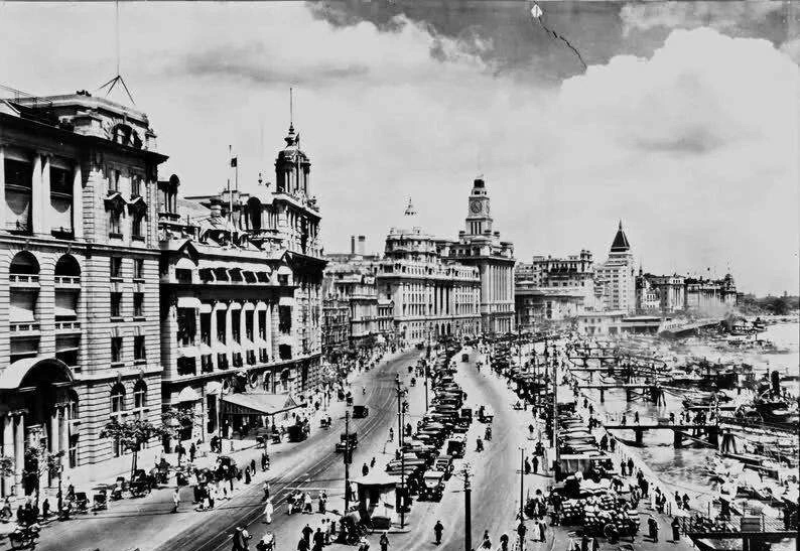
Landmarks such as the Bank of China Building, Peace Hotel, Customs House, and HSBC Building echo the Bund’s past as the “Far East Wall Street.” Even though they were built in different eras by different architects, the street wall feels surprisingly unified. Whether you view it from across the river or walk it on foot, the effect is both grand and elegant.
Address: Zhongshan East 1st Road, stretching from the Waibaidu Bridge in the north to Jinling East Road in the south, approximately 1.5 kilometers
Cost: Free all day; the Bund Sightseeing Tunnel costs 50 yuan per person
Opening Hours: Open all day
Traveling between the Bund and Pudong
Ferry: Ferries are no longer the primary mode of daily transportation, but crossing the river by boat still offers a unique charm. Generally, you can take a ferry from the Pujiang Sightseeing Pier at the Bund on Jinling East Road to the Dongchang Road Ferry Pier in Pudong (Dongjin Line, 7:00~18:30). If you want to enjoy the night view, you usually need to take a ferry from the Fuxing East Road Ferry Pier, located 1.6 kilometers south of the Bund, to the Dongchang Road Ferry Pier (Dongfu Line, 7:00~21:00). The fare is 2 yuan, and both routes offer a classic view of the "Three Iconic Structures."
Bund Sightseeing Tunnel: Between the Bund on Nanjing East Road and the Oriental Pearl Tower in Pudong, there is a pedestrian tunnel that crosses the river. Passengers can take an escalator under the Huangpu River and reach the other side in just a few minutes.
Special Pujiang Cruise: The standard Pujiang cruise lasts 50 minutes, and there are multiple ticket offices along the Bund. All cruises depart from the Shiliupu Pier, passing by famous landmarks such as the Binjiang Avenue, Lujiazui, and Waibaidu Bridge.
Nanjing Road Pedestrian Street
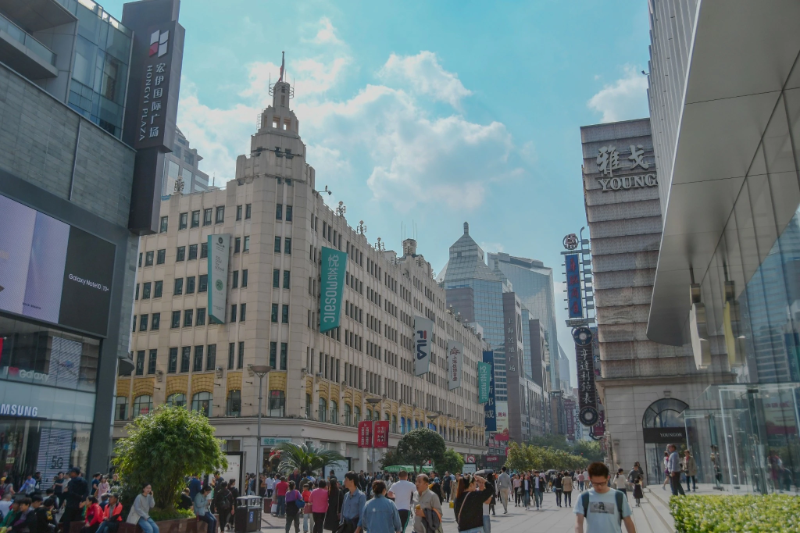
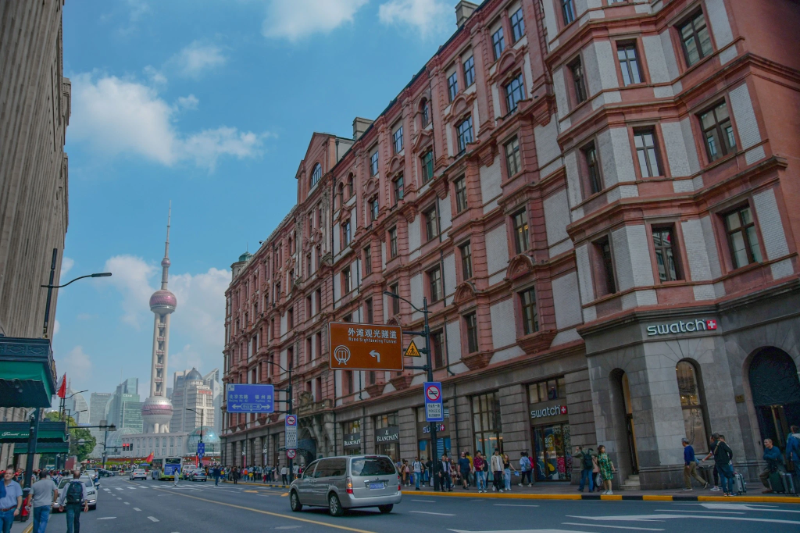
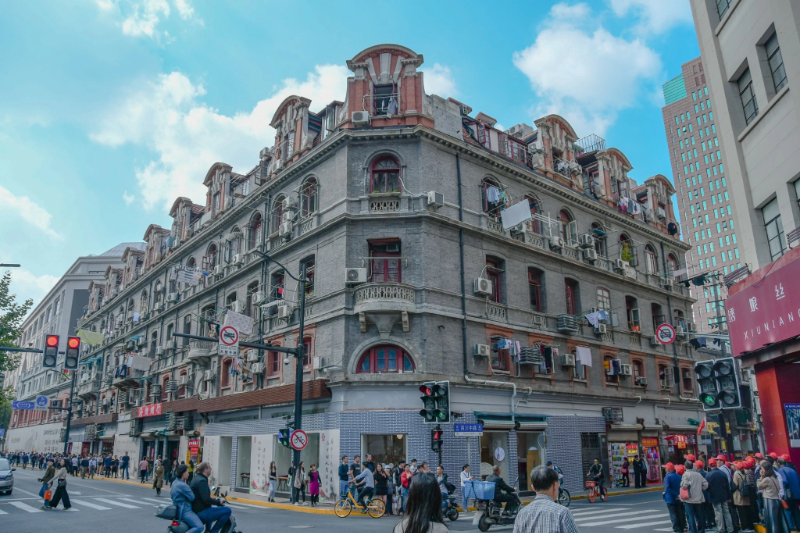
Every first-time visitor to Shanghai will stroll through the most famous commercial street, which is also a gathering place for authentic time-honored brands. The "Four Great Companies"—Shanghai No.1 Department Store (formerly "The Sun Company"), Wing On Department Store, Shanghai Fashion Company (formerly "Sincere Company"), and Shanghai First Food Store (formerly "The Sun Sun Company")—intertwine the past and present of Nanjing Road.
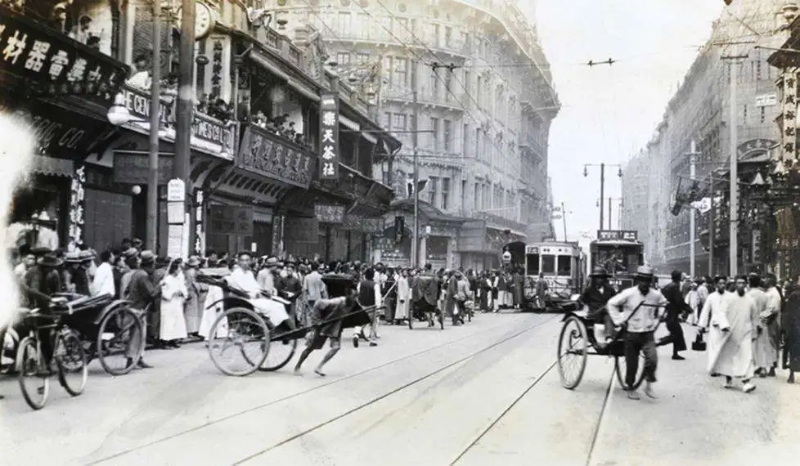
From the intersection of Henan Road to the end of the pedestrian street, continuing eastward all the way to the Bund on East Nanjing Road, pedestrians seem to be transported back to the 1930s and 1940s. The narrow streets, towering buildings, gray-toned walls and shutters, high ceilings, and pointed roofs—each building tells a story of the past.
Shanghai Museum
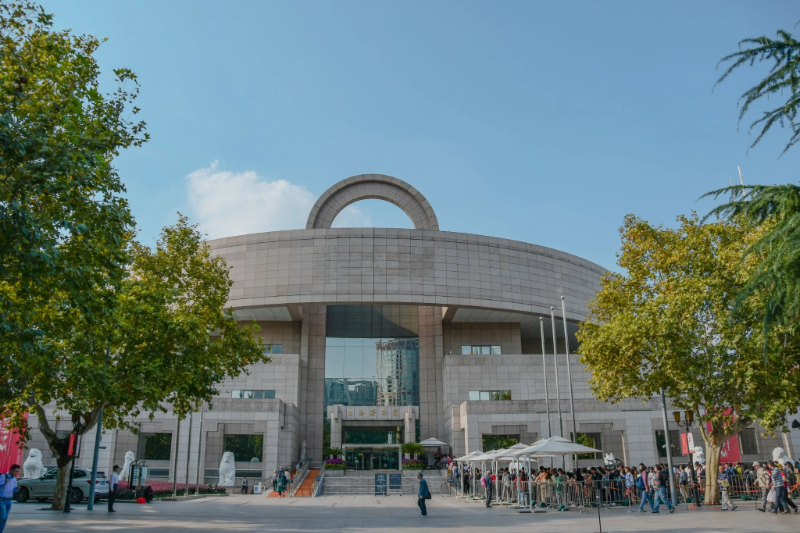
The Shanghai Museum near Nanjing Road is a national first-class museum, housing nearly a million artifacts that encompass the vast spectrum of ancient Chinese art. It is hailed as "Half of the Cultural Relics World".
The museum has four floors, featuring 11 permanent exhibition halls and 3 special exhibition spaces, which regularly host both domestic and international special exhibitions.
First Floor: Admire Bronze, View Sculptures
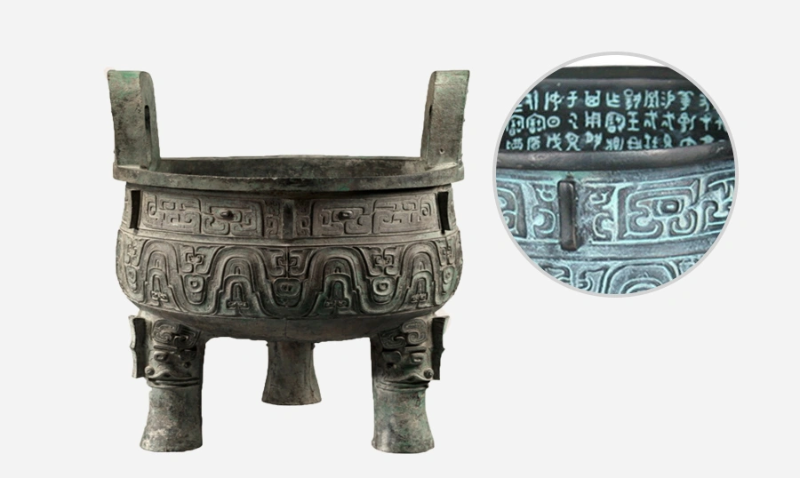
The Bronze Gallery is the proudest exhibition hall of the Shanghai Museum, renowned for the breadth of its collection, the quality of its displays, and the depth of its research, making it the best in the country. Over 400 exquisite bronze artifacts are displayed according to their developmental periods, comprehensively documenting the history of the emergence, development, peak, and innovation of ancient Chinese bronze ware. Among them, the Da Ke Ding from the Western Zhou Dynasty is a national treasure that is prohibited from leaving the country.
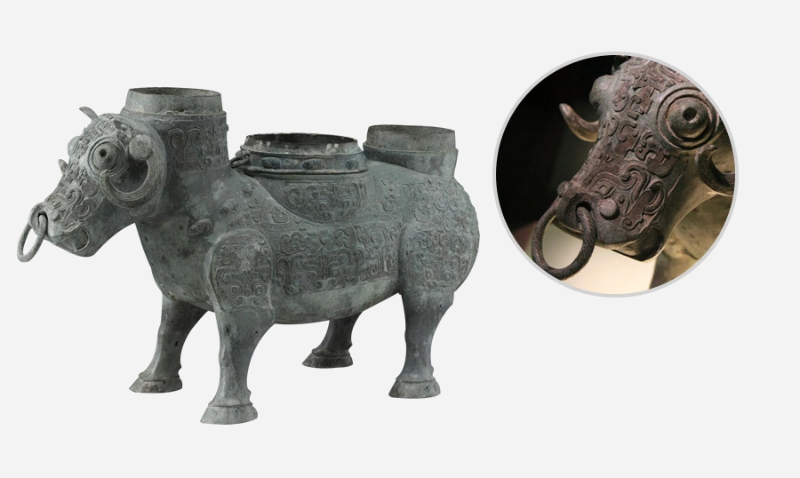
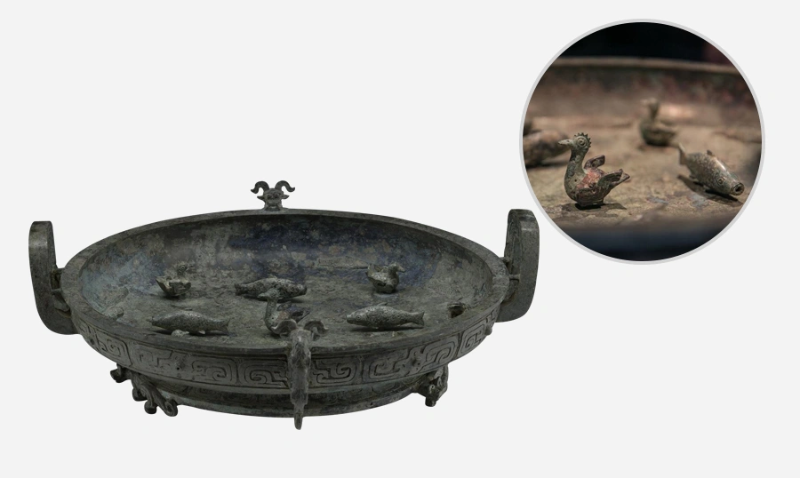
Sculpture Hall
The hall showcases over 120 exhibits from the Warring States period to the Ming Dynasty, categorized by different stylistic periods. The collection primarily features stone carvings, along with some clay sculptures, wood carvings, and bronze statues. Among them, the most renowned are the Chinese Buddhist Sculptures.
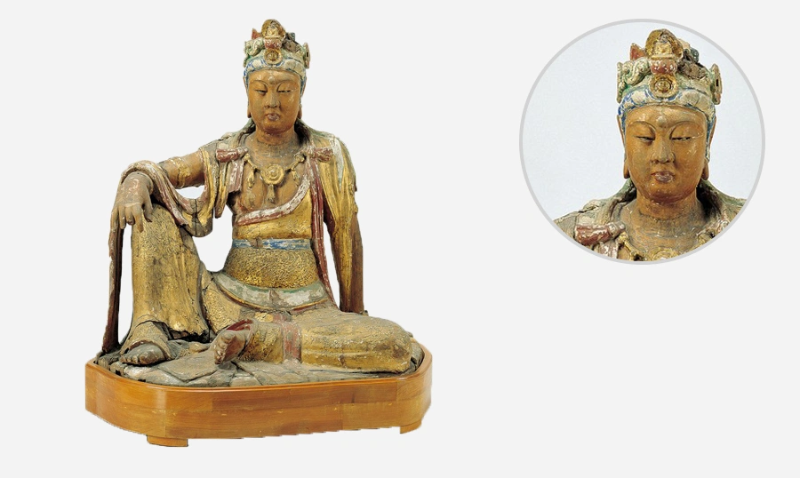
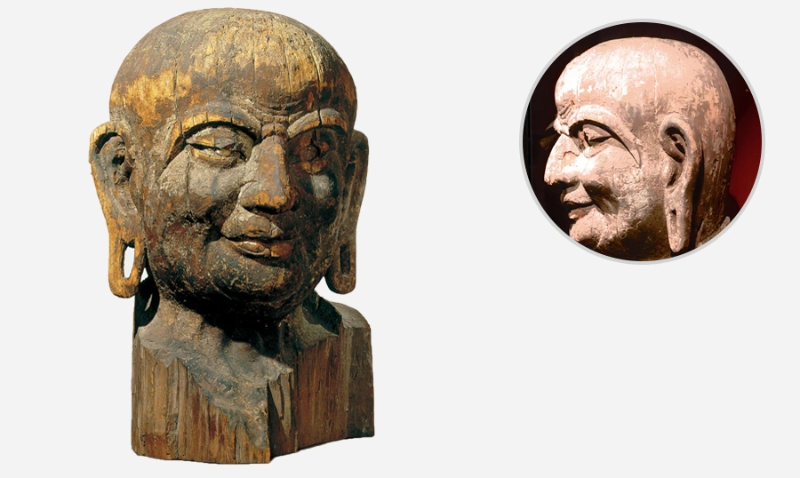
Second Floor: Appreciating Ceramic Art
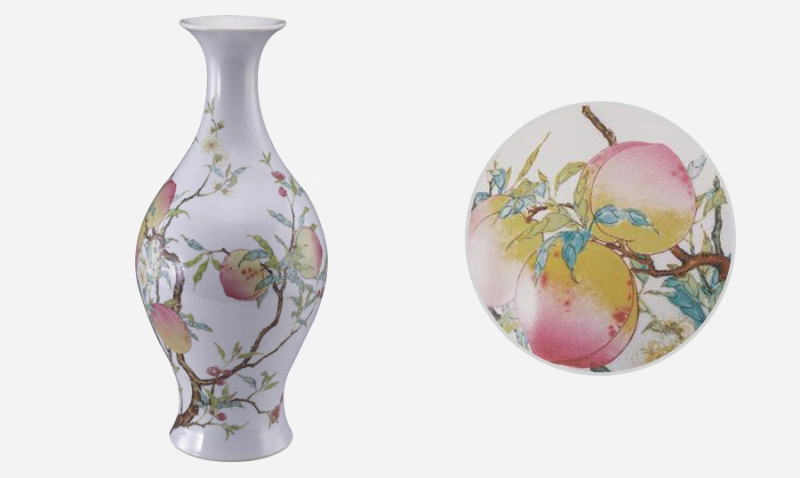
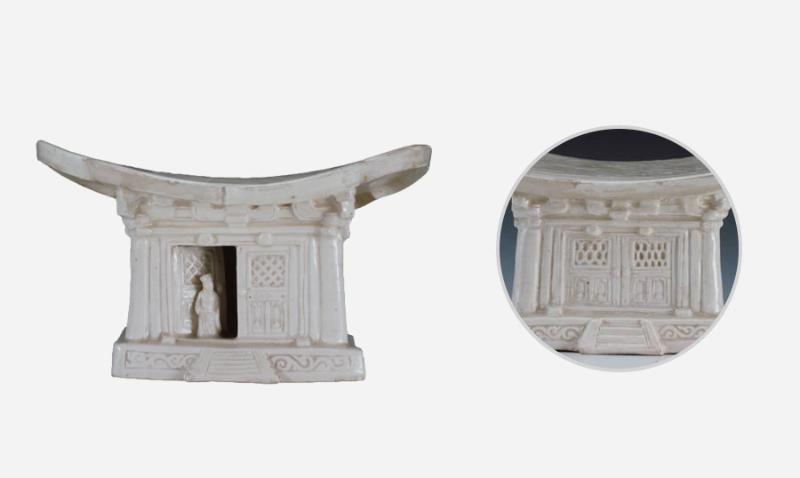
The Ancient Ceramics Gallery is one of the most exquisite exhibitions at the Shanghai Museum, showcasing a brief history of Chinese ceramic development. From the painted and gray pottery of the Neolithic Age, to the celadon of the Shang, Zhou, Spring and Autumn, and Eastern Han periods, to the Tang Dynasty's masterpiece, the Tang Tri-Color pottery, and the official kilns of the Yuan, Ming, and Qing dynasties—everything is here.
Third Floor: Exploring the Charm of Calligraphy and Painting
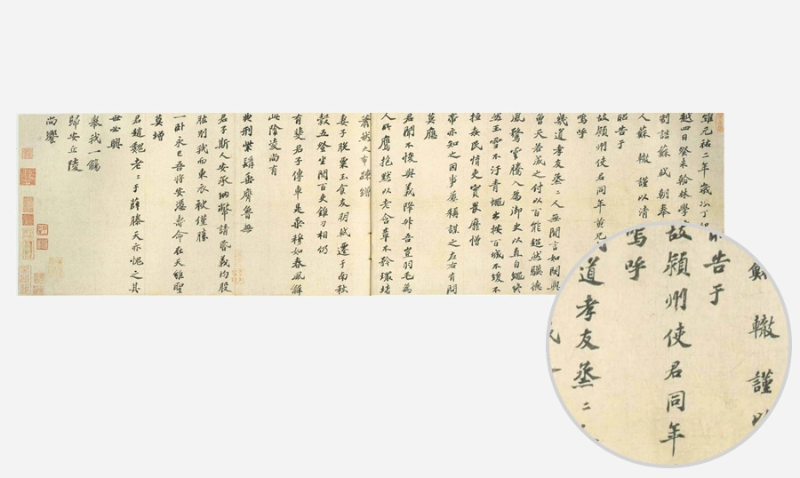
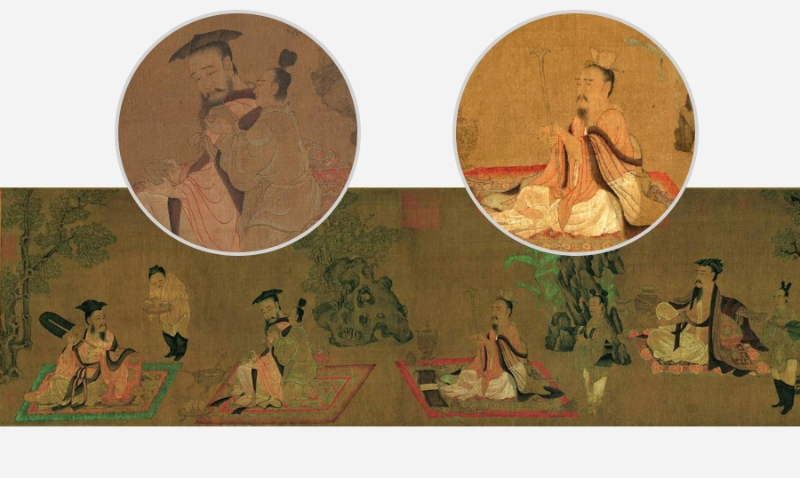
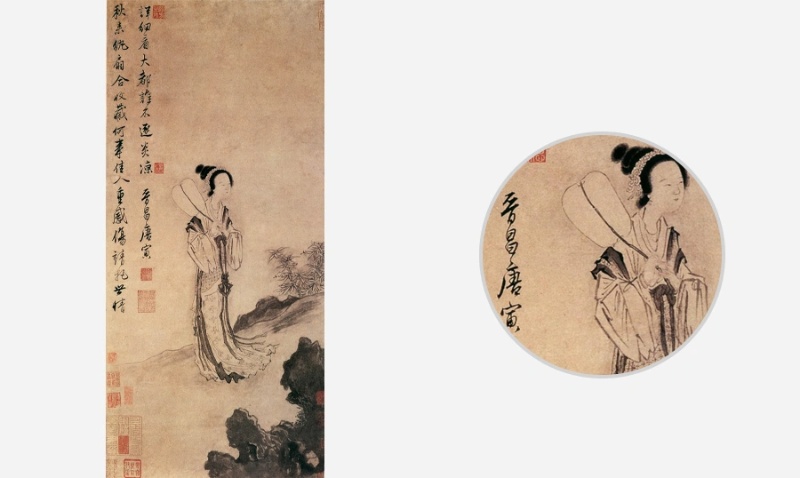
The third floor of the museum houses the Ancient Calligraphy Gallery, Ancient Painting Gallery, and Seal Engraving Gallery. Among them, the Calligraphy Gallery and Painting Gallery are frequently updated, with new masterpieces on display each time, making them particularly worth a visit.
The Painting Gallery features a collection of masterpieces from different painting schools, ranging from the Tang, Song, and Yuan dynasties to the late Qing period. Its collection of works by Ming and Qing painters is considered unparalleled in the contemporary era.
The Seal Engraving Gallery is the first exhibition hall in China dedicated to the display of seal engravings, housing many precious seals. Seals from the Warring States period, official seals from the Han dynasty, and seals from the Ming and Qing literati schools are particularly popular.
Fourth Floor: Experiencing Ancient Daily Artifacts
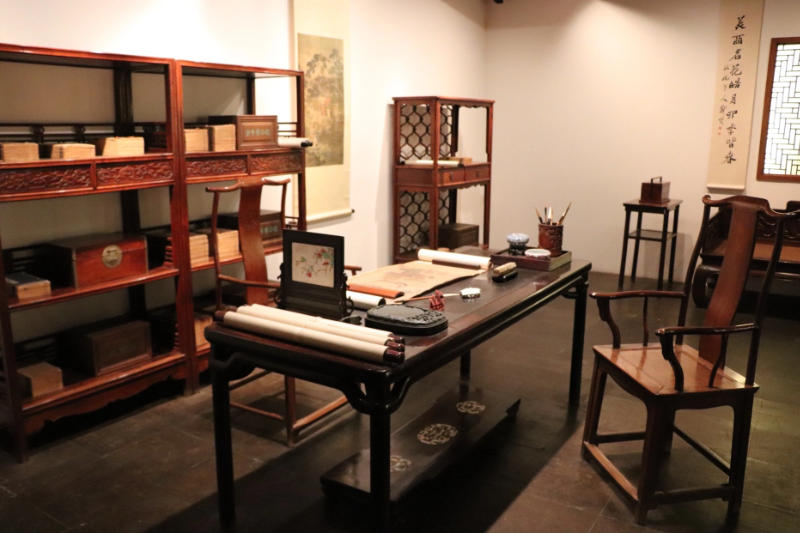
Ming and Qing Furniture Gallery showcases over 100 exquisite pieces of Ming and Qing furniture, displayed in settings such as halls, studies, and bedrooms, reviving the charm of classical furniture.
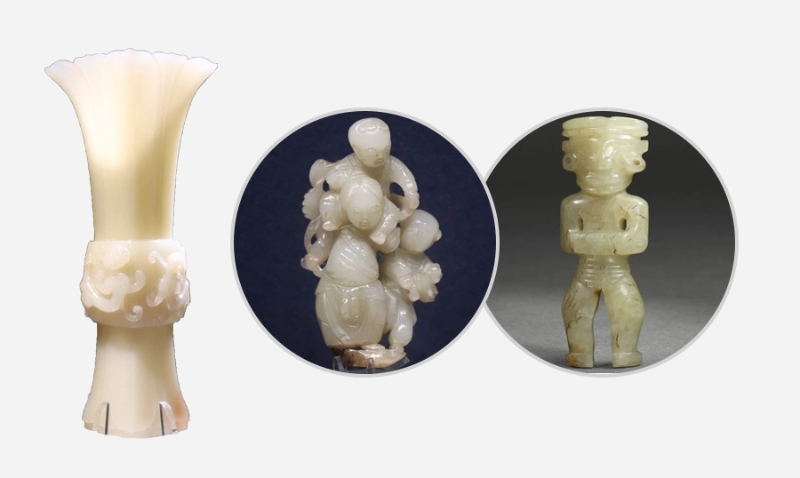
The Jade Gallery at the Shanghai Museum employs advanced fiber-optic lighting to maximize the display of the warm, translucent beauty of jade artifacts.
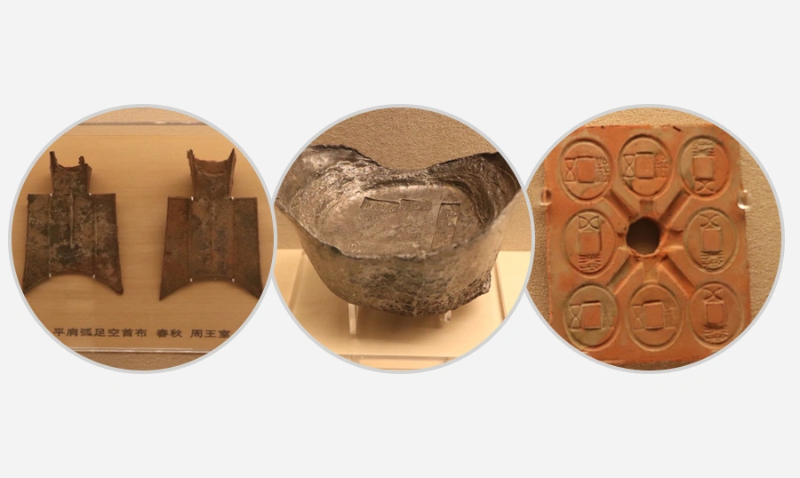
The Currency Gallery presents the 3,000-year history of Chinese currency, offering glimpses of Chinese history beyond what is found in textbooks.
The Ethnic Minority Crafts Gallery features the clothing craftsmanship, dyeing, weaving, embroidery, metalwork, and mask art of China's ethnic minorities.
Practical Information
Opening Hours: Closed on Mondays. Open from Tuesday to Sunday, 9:00 AM - 5:00 PM. Last entry at 4:00 PM. Daily visitor limit is 8,000.
Ticket Information: Admission is free. No ID required for entry. Free luggage storage is available, with storage facilities located at both the North and South gates.
Guided Tours: The Shanghai Museum offers three guided tour options: renting an audio guide, following a volunteer docent, or downloading the "Shanghai Museum" app on your phone to scan QR codes in front of artifacts for explanations.
Nanjing Road is divided into West Road and East Road. Generally, when people refer to the Nanjing Road Pedestrian Street, they mean the East Road. Meanwhile, Nanjing West Road is often mentioned together with Huaihai Road, forming Shanghai's most upscale commercial district.
At one end of Nanjing Road lies the Bund and Beijing East Road, while to the south, it is sequentially followed by Fuzhou Road, Yan'an East Road, and Huaihai Road. Both ends of the Nanjing Road Pedestrian Street are equipped with subway stations, making it very convenient to take the metro to Lujiazui in Pudong.
Old City God Temple
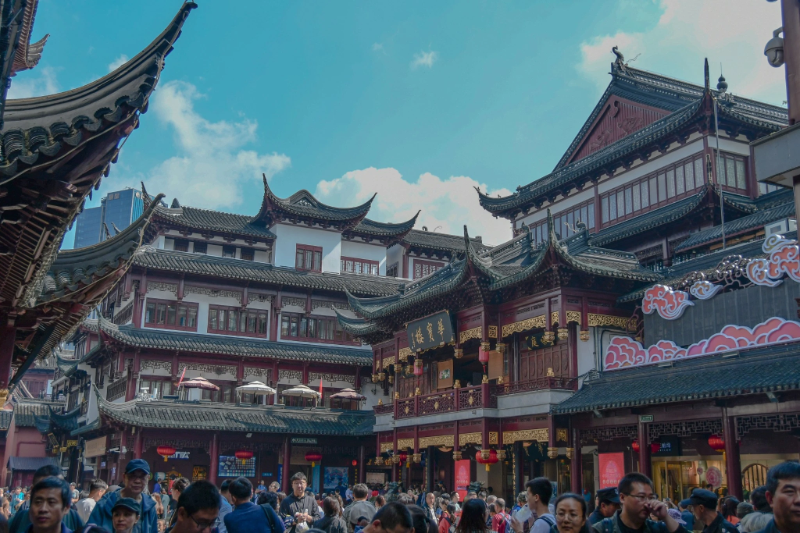
When visiting the City God Temple, most people typically do the following: explore the old City God Temple to see the place of spiritual cultivation, stroll through Yu Garden to experience the elegance of Shanghai's classical gardens, and join the long queues to enjoy the lively atmosphere and savor the famous City God Temple snacks.
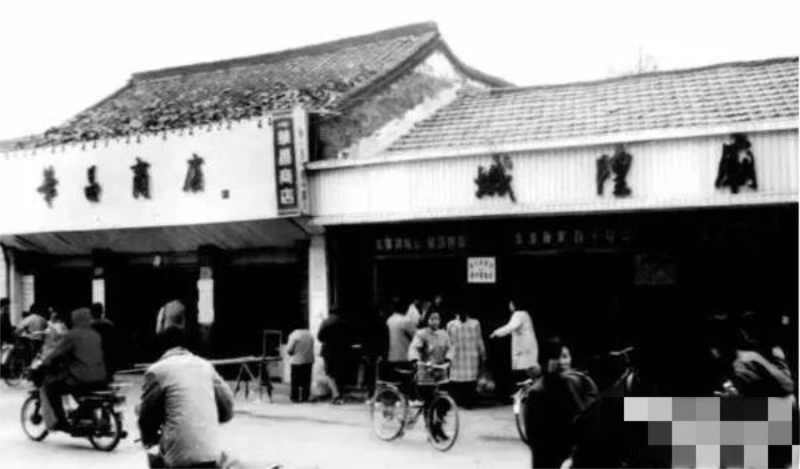
The Shanghai City God Temple was originally built during the Yongle era of the Ming Dynasty (1403-1424), boasting a history of nearly six hundred years. Zhang Shouyue, the county magistrate of Shanghai, transformed the Jinshan Temple on Fangbang Road into the prototype of the City God Temple as we know it today. The temple holds a special status in the Shanghai region due to the enshrinement of the Shanghai City God within its premises.
The City God, also known as the City God Lord in some places, is a very important deity in the ancient Han Chinese religious civilization.
The City God Lord is usually a famous hero or prominent figure from local history, and his duty is to protect the safety and well-being of the region.
The City God Temple in Shanghai is quite unique, with the saying of "one temple, three City Gods." They are Huo Guang, Qin Yubo, and Chen Huacheng.
Today, the City God Temple tourist area includes the Old City God Temple, Yu Garden, and a food street. Except for the Old City God Temple and Yu Garden, other areas do not require an entrance fee.
Practical Information
Address: No. 249, Fangbang Middle Road, Huangpu District
Ticket Price: The entrance ticket for the Old City God Temple is called the Incense Flower Ticket, priced at 10 yuan.
To make a reservation and purchase tickets, visit the Shanghai City God Temple WeChat Official Account—Temple Services—Temple Reservation.
Opening Hours: 09:00-16:30; Last entry at 16:00
Yu Garden
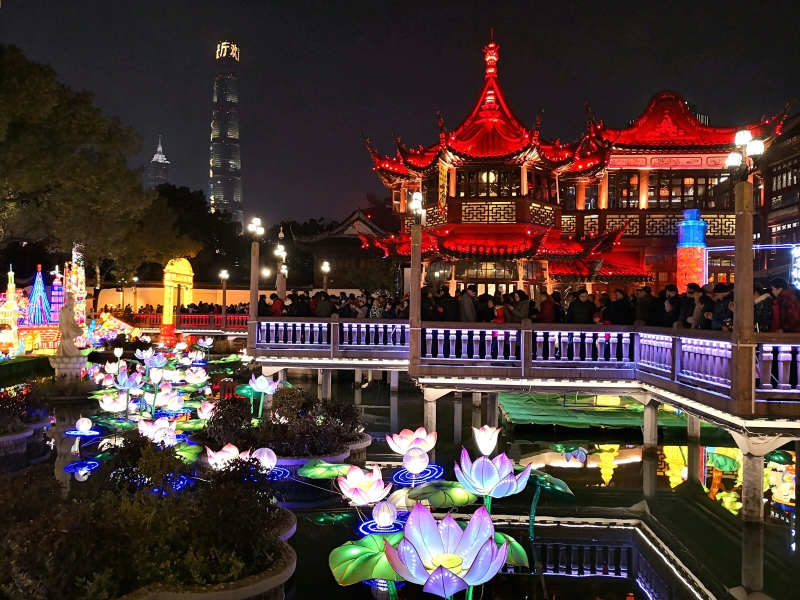
Yu Garden (also known as Yu Yuan) was built during the late Ming and early Qing dynasties and is the only remaining Ming-era garden in Shanghai's old city. Within the garden pavilions rise in uneven harmony rocks stand rugged and majestic and the shimmering lake has earned it the reputation of a "mountain forest in the city" as well as the of "the most exquisite and beautiful in the southeast." The term "Yuyuan" today often includes the bustling streets leading into the garden. Inside Yuyuan apart from the plaques and stone inions by renowned artists the most striking feature is the various magnificent dragons.
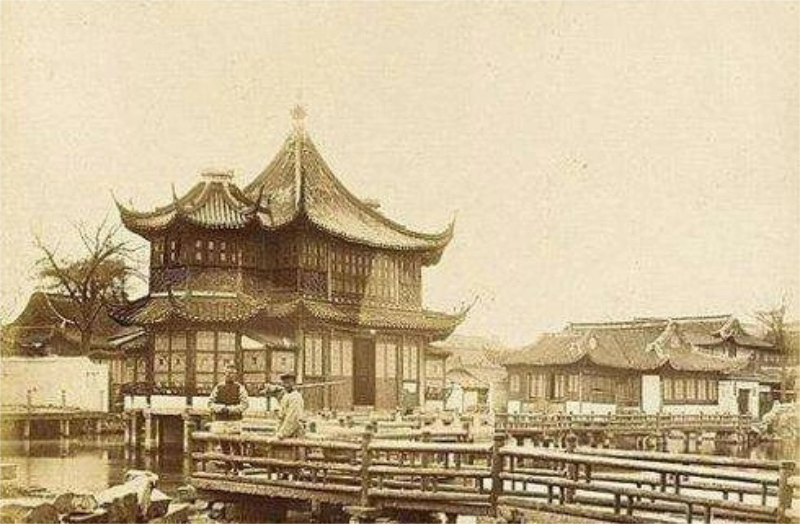
The Nine-Turn Bridge and the Mid-Lake Pavilion are iconic landmarks of the Yu Garden. Here, visitors can enjoy tea, play chess, or take in the scenic views. As they walk along the bridge, its winding path offers ever-changing perspectives with each step. The Yangshan Hall is an excellent spot to admire the grand artificial mountain landscape.
The Nine-Turn Bridge actually has more than nine bends; the number "nine" simply signifies a large quantity. Each bend varies in angle, with some greater than 90 degrees and others less than 90 degrees.
Originally a wooden bridge, the Nine-Turn Bridge was reconstructed in concrete in the 1920s following a fire. Today, the bridge surface is made of granite slabs, with each bend featuring a slab carved with a seasonal flower: January's narcissus, February's apricot blossom, March's peach blossom, and so on, up to December's wintersweet. Additionally, at both ends of the bridge, a lotus flower is carved on a slab. Those interested can try to identify the flowers on the bridge.
Practical Information
Address: 168 Fuyou Road, Huangpu District (within the City God Temple Tourist Area)
Ticket Price: Peak season 40 yuan, off-season 30 yuan
Peak season: April 1 - June 30, September 1 - November 30; off-season for the rest of the year
Opening Hours: 9:00 AM - 4:30 PM
More Information: Follow the Shanghai Yuyuan Official WeChat Account
Pudong High-Rise Four-Piece Set
The "magic" of the Magic City can be witnessed in the ever-evolving skyline on the east bank of the Huangpu River, where the highest points are constantly being surpassed and redefined. Four skyscrapers have each held the title of "Shanghai's Tallest Building" at different times, all located in the most prestigious area of Lujiazui, the "tip" of Pudong. If you wish to experience the sensation of "standing atop the city, with all its splendor beneath your feet," you can choose one of these towers to ascend and take in the view.
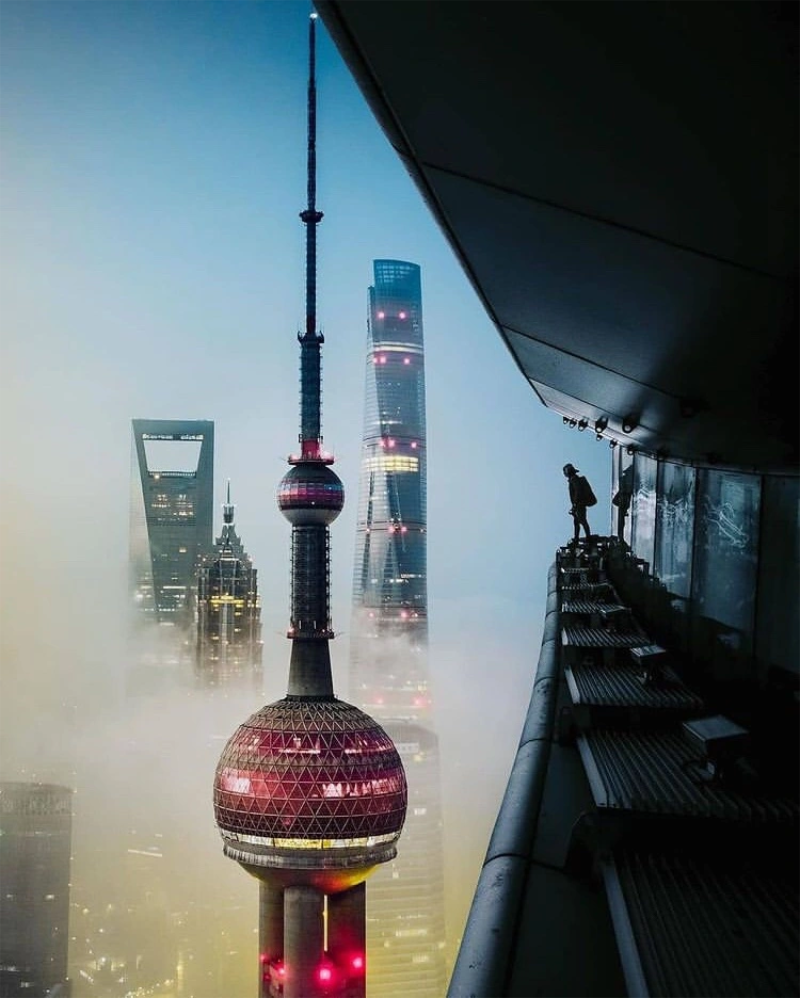
Shanghai Oriental Pearl Radio & Television Tower
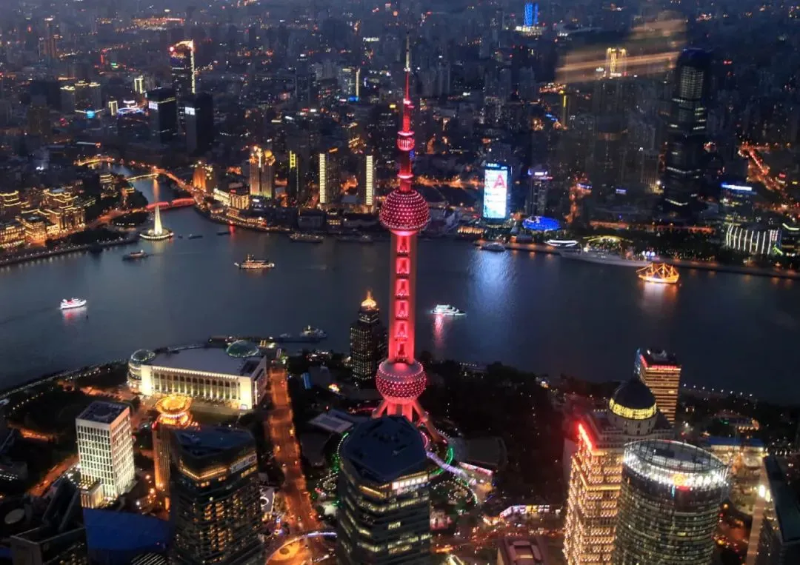
The Oriental Pearl Tower is the iconic representation of Shanghai and a cultural landmark of the city. Situated in the Pudong New Area by the Huangpu River, at the tip of Lujiazui, it stands against the backdrop of the modern architectural complex in the Lujiazui area, harmoniously complementing the historic buildings of the Bund across the river. Its geographical location is exceptionally advantageous.
Main attractions of the Oriental Pearl Tower: 351-meter Space Capsule 263-meter Main Observation Deck 259-meter Fully Transparent Suspended Sightseeing Corridor High-altitude VR Roller Coaster No. 9 Karting Experience Center Shanghai Urban History Development Exhibition Hall Multimedia Show with Surrounding Motion
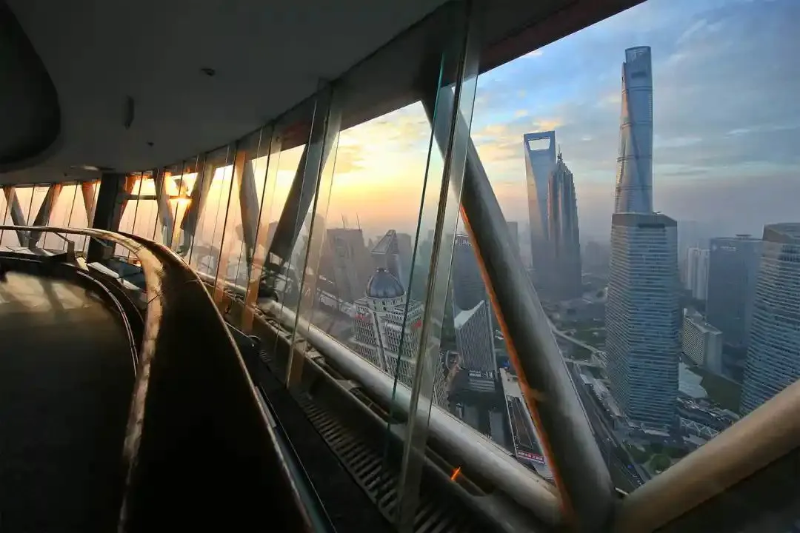
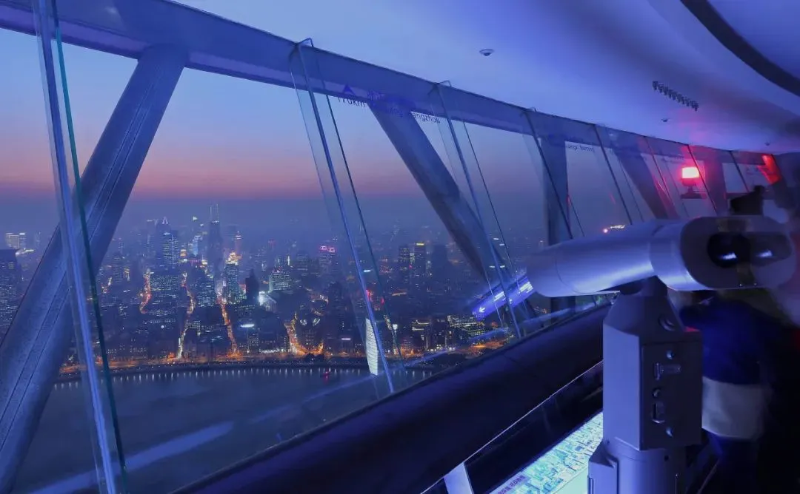
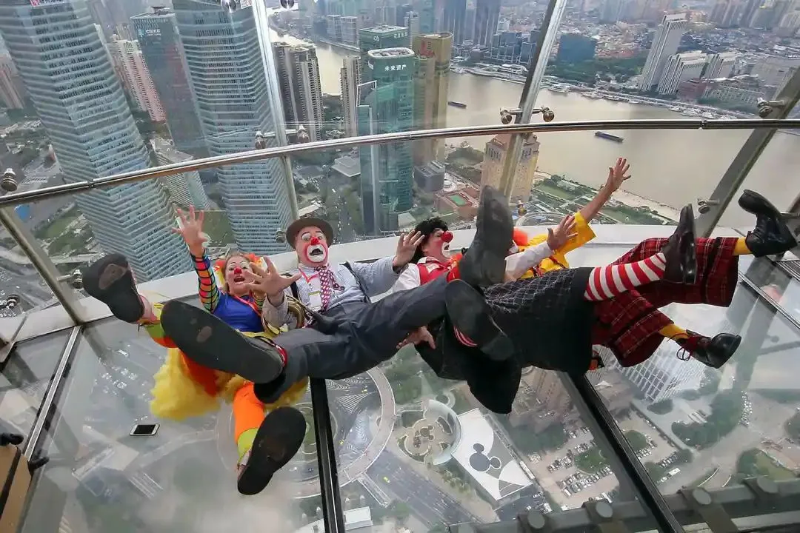
The Oriental Pearl Tower has a total of three spheres. Most people choose the second sphere, which is the main observation deck at 263 meters. The fully transparent glass viewing platform is also located here.
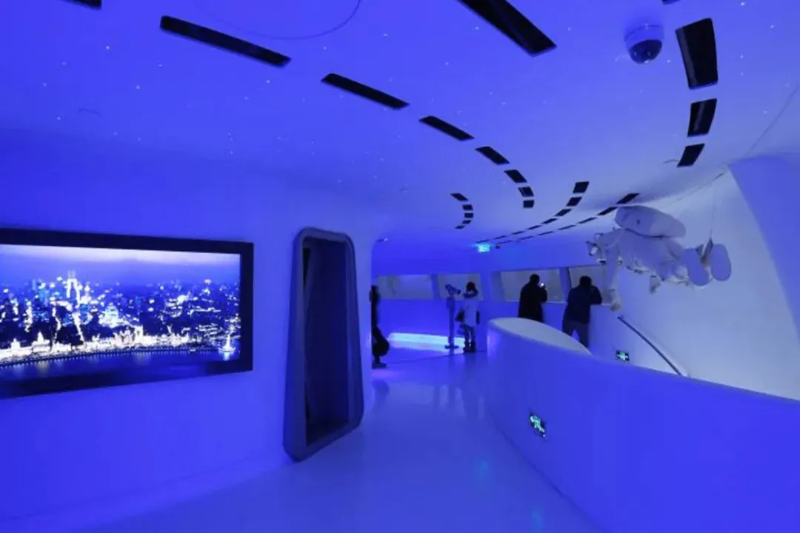
The third sphere is a capsule at 351 meters, primarily designed to capture the surrounding environment and starry sky. Those who love the elements of the universe and the starry sky can choose to ascend to the third sphere.
China's first and Shanghai's highest indoor VR roller coaster, themed around soaring over the city's skyline, utilizes VR technology to break through the visual and sensory limitations of traditional roller coasters, ushering in a new era of more thrilling, awe-inspiring, and entertaining VR urban high-altitude adventures.
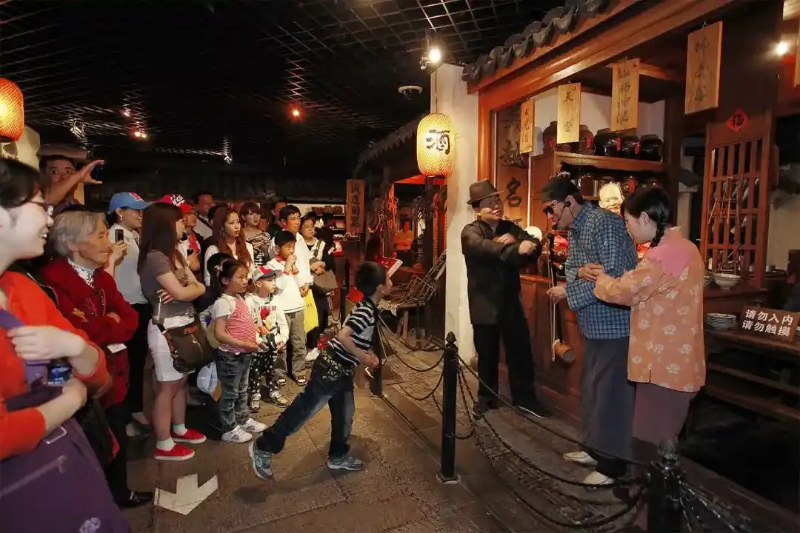
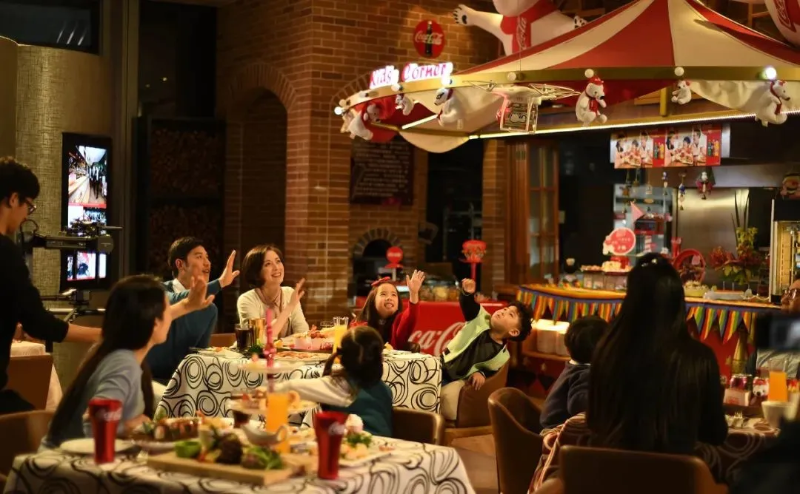
Shanghai Urban History Development Exhibition Hall showcases the scenes of Shanghai from its opening as a port to the liberation in 1949 making it a perfect spot for photo opportunities.
Next to the exhibition hall is the Coca-Cola Theme Restaurant a must-visit for photography enthusiasts.
Ticket Prices:
Huangpu River Cruise + See Shanghai·Value Ticket: 209 yuan;
See Shanghai·Peak Ticket: 210 yuan;
See Shanghai·Value Ticket + Revolving Restaurant: 368 yuan
Opening Hours: 8:00-21:30
Shanghai Tower - Shanghai Summit Observation Deck
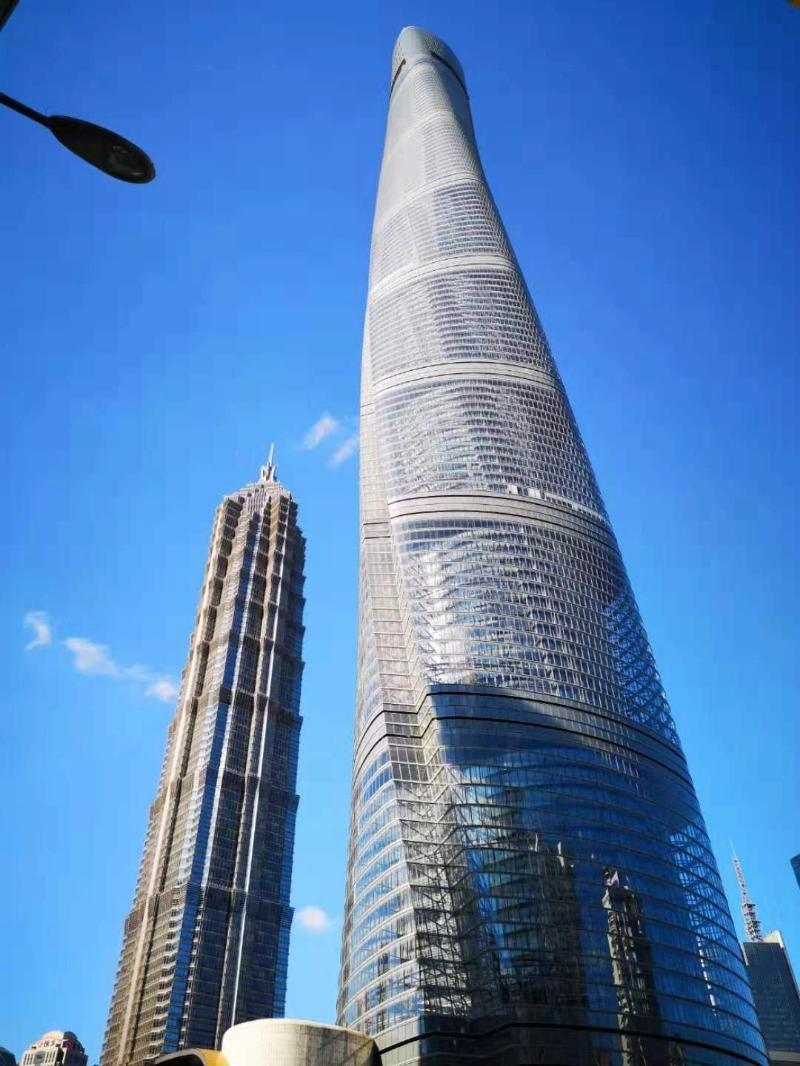
Shanghai Summit Observation Deck is located on the 118th floor of the Shanghai Tower. Via the world's fastest elevator, ascend to the ultra-high observation platform at 546 meters, where you can enjoy a 360-degree panoramic view of Shanghai's cityscape, spot numerous iconic buildings, marvel at the ever-changing natural beauty, and experience the unique sensation of standing atop the "Peak of Shanghai."
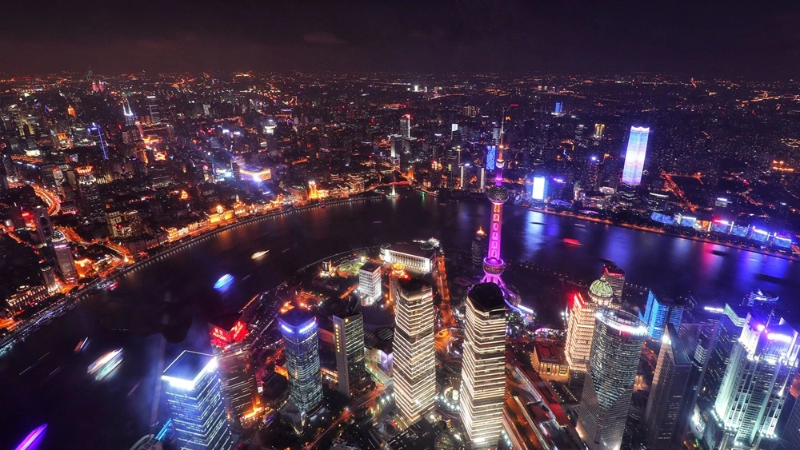
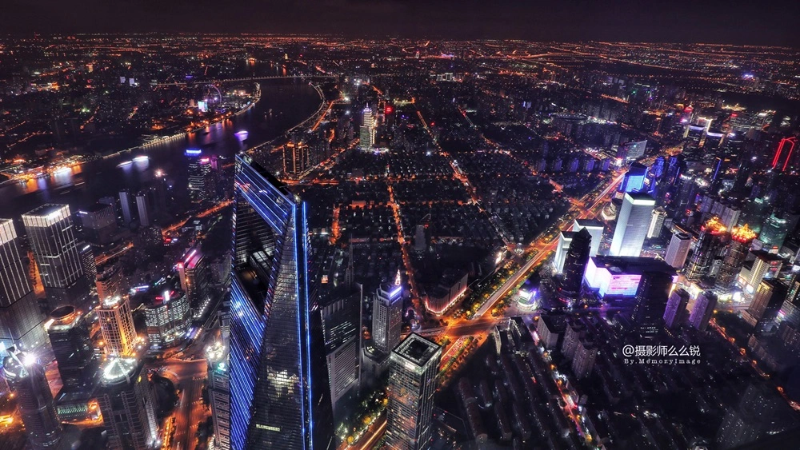
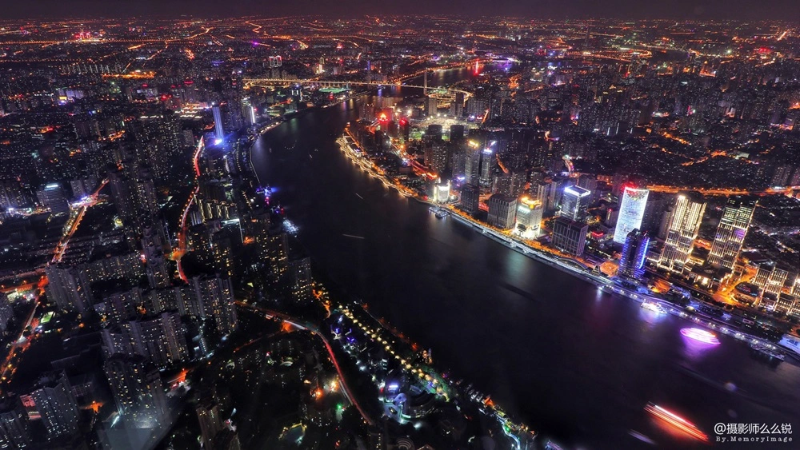
While sightseeing, you can also visit the Shanghai Tower Sky Postbox to send the highest blessings to yourself and your loved ones, and even get a special Shanghai Tower stamp.
The Shanghai Summit Exhibition Hall on the B1 level features seven major exhibition areas, showcasing the building through multimedia interactions with sound, light, and electricity, as well as high-tech display methods, offering impressive visual effects.
Today, the Shanghai Tower is the newest pinnacle of the Magic City, standing over 100 meters taller than the Shanghai World Financial Center.
Ticket Prices: Adult ticket: 180 yuan, Student ticket: 160 yuan.
Opening Hours: 08:30-22:00
Jin Mao Tower 88th Floor Observation Deck
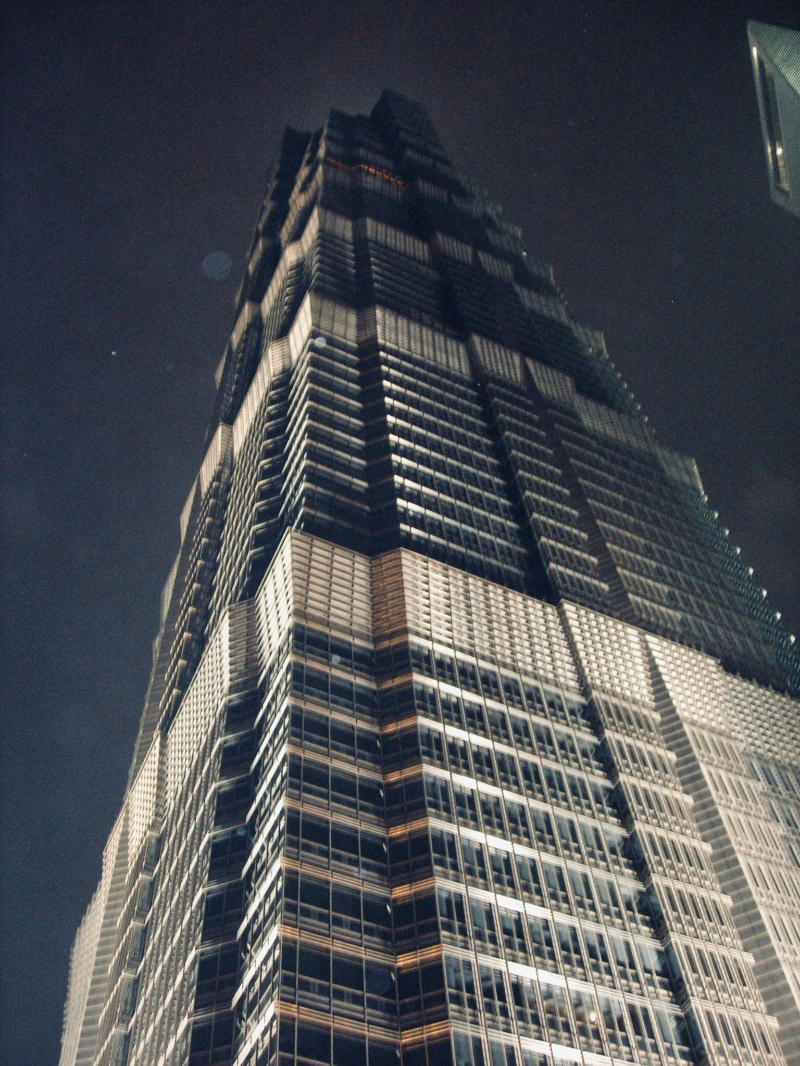
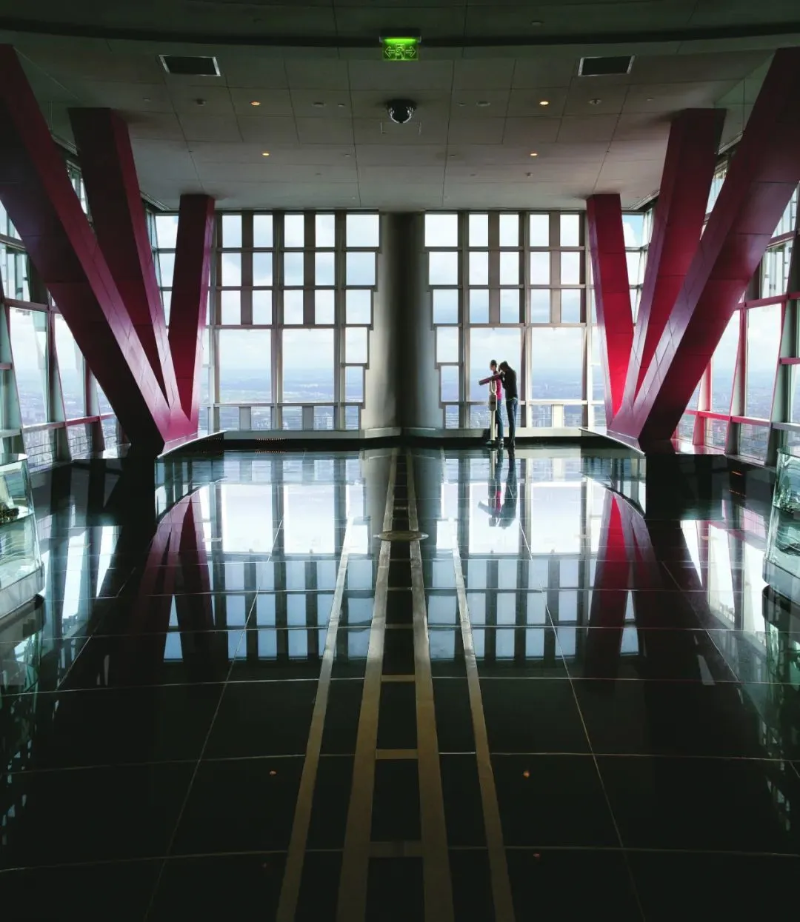
The 88th-floor Observation Deck of Jin Mao Tower, standing at a height of 340.1 meters, covers a floor area of 1,520 square meters, offering a remarkably spacious viewing experience.
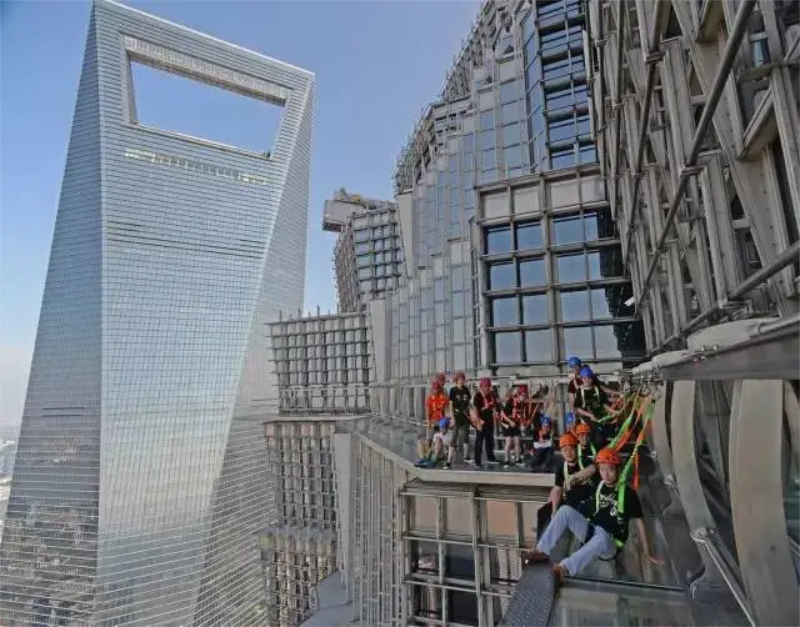
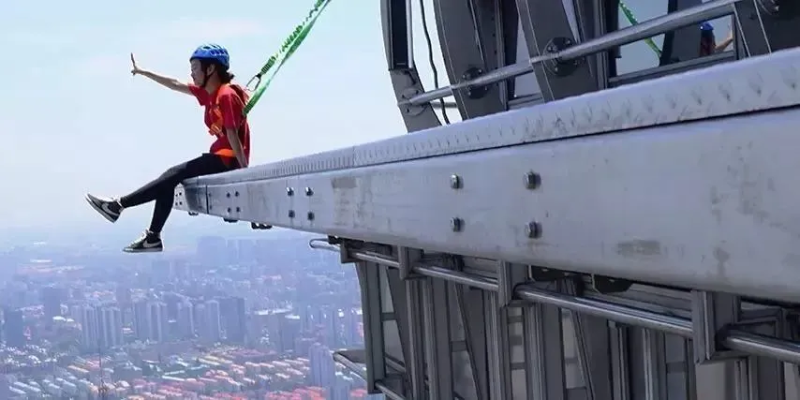
The open, fully transparent, and railing-free skywalk spans 60 meters in length and 1.2 meters in width, situated 340.6 meters above the ground. Standing at the pinnacle of the city, overlooking the stunning and magnificent views of the international metropolis below, it feels like walking on clouds, offering an exhilarating experience.
Located on the 88th floor, the "Love as Strong as Gold" Jin Mao Tower Love Post Office is the world's highest love-themed post office.
Admission: Adult ticket 120 yuan, Child ticket 60 yuan.
Opening hours: 09:00-20:30
The Window Streets of the French Concession: Xintiandi—Tianzifang
Xintiandi
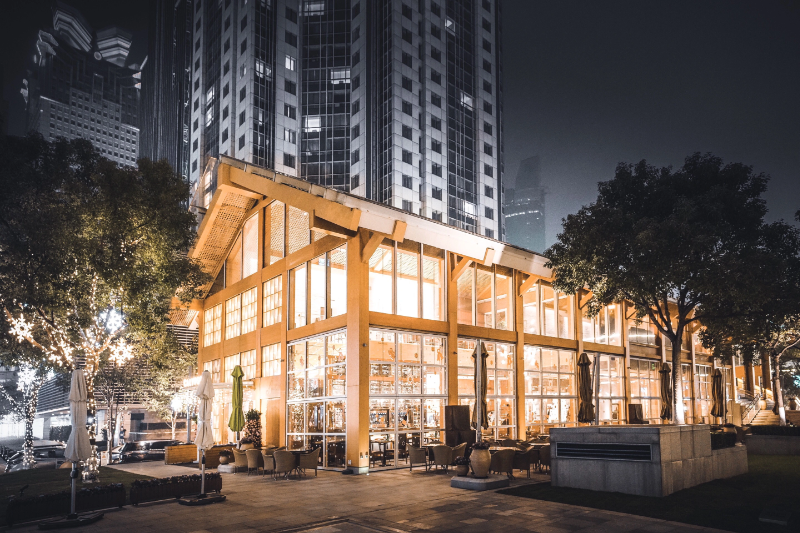
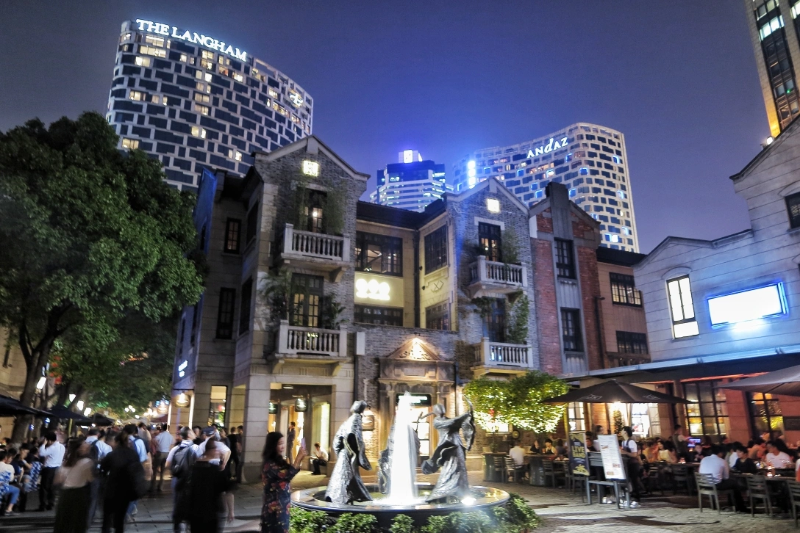
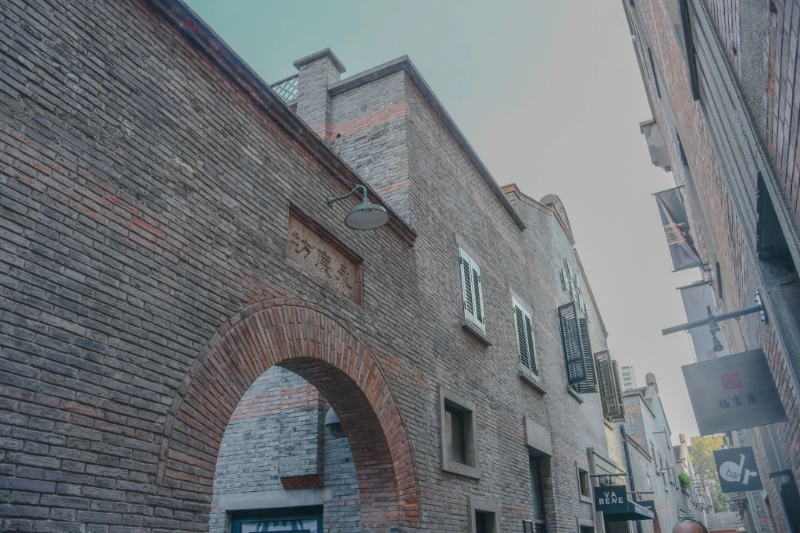
The small capitalist landmark in the alley is a pedestrian street transformed from the unique Shikumen architectural old district in Shanghai. The Memorial of the First National Congress of the Communist Party of China is also in Xintiandi. Nanni is mostly modern architecture while Beili is mostly old Shikumen buildings. The Shikumen architectural complex retains the brick walls and roof tiles of that year. Visitors seem to enter a time tunnel and return to the 1920s. Each building's interior is an international gallery fashion store or restaurants and coffee bars from various countries. It is one of Shanghai's most stylish consumer districts.
Address: Lane 181 Taicang Road Huangpu District inside Beili of Xintiandi (near Madang Road) Opening Hours: Open all day Transportation: Line 1 Huangpi South Road Station Line 10 Xintiandi Station
Tianzifang
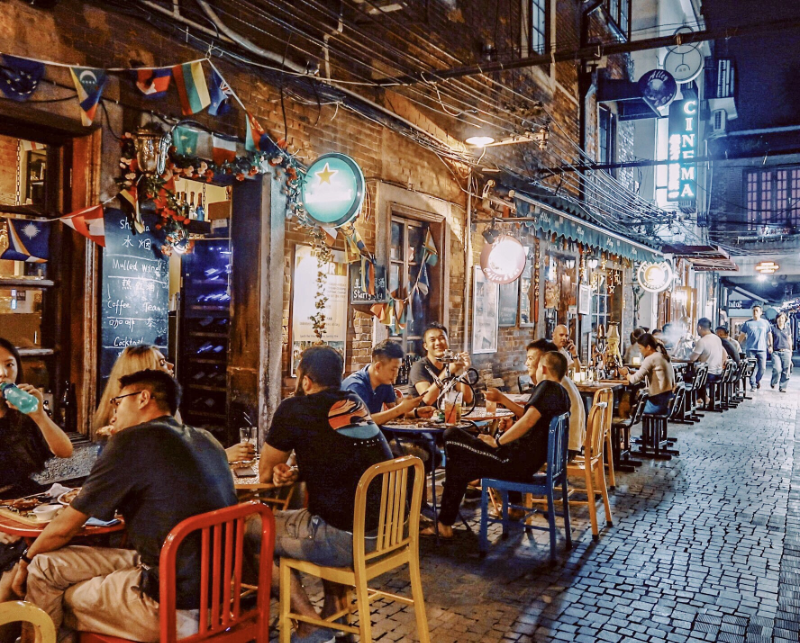
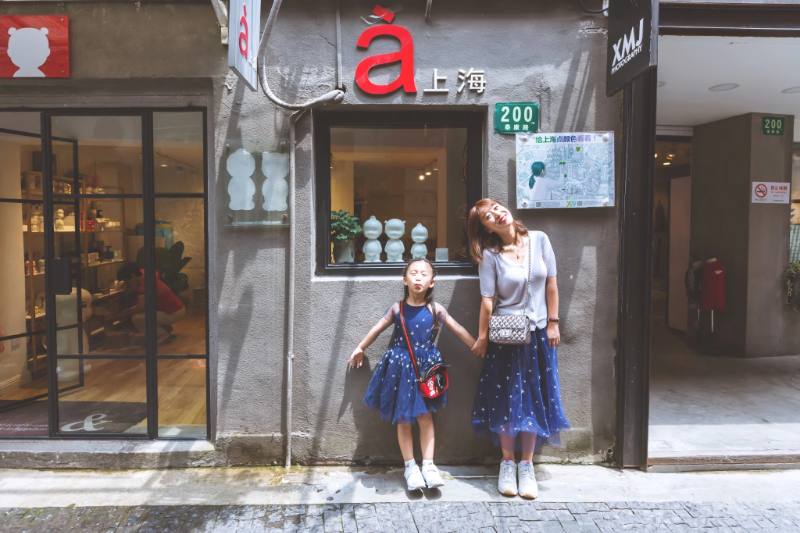
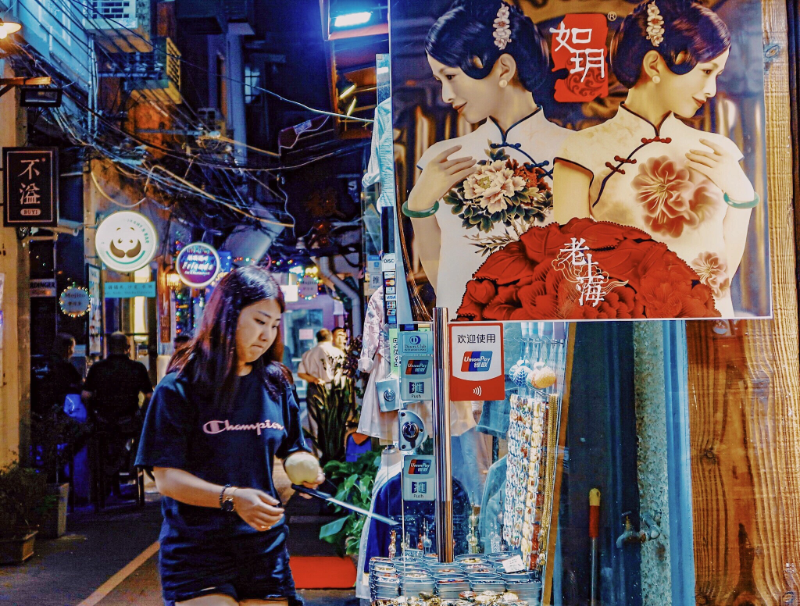
Tianzifang presents a more intimate, warm, and bustling side of Shanghai. As you stroll through this now particularly charming alley in Shanghai, it's easy to appreciate Tianzifang's unique artistic personality. Wandering through Tianzifang, meandering through the maze-like alleys, you'll find distinctive small shops and art studios popping into view unexpectedly. From teahouses, open-air restaurants, and outdoor cafes to galleries, home decor, and handicrafts, as well as numerous renowned creative studios in Shanghai, it offers a little bit of everything.
Address: Lane 274-210, Taikang Road, Huangpu District (near Ruijin Er Road)
Opening Hours: Open all day
Disney | The Absolute Center Stage in Domestic Theme Parks
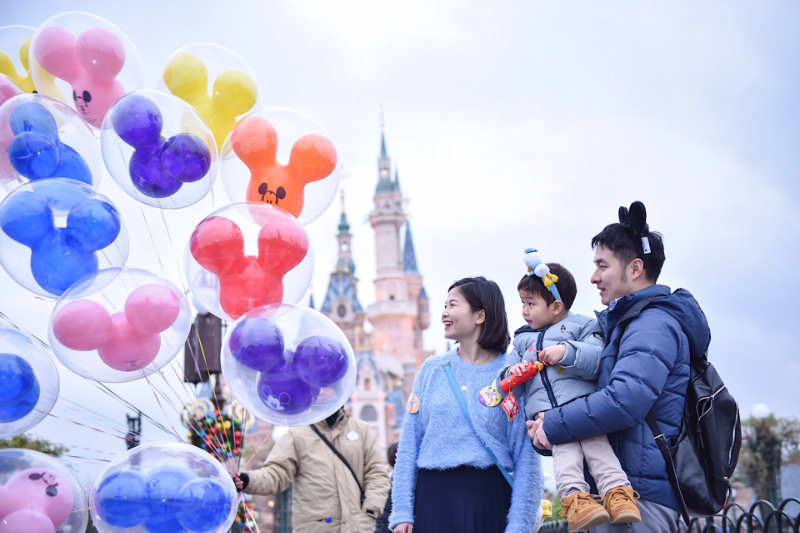
Since its grand opening in Shanghai, the world-renowned Disneyland has become one of the city's new landmarks and most popular attractions. While retaining the classic elements of other Disney parks, Shanghai Disneyland incorporates numerous Chinese-themed activities, performances, and cuisine, and even features the fastest roller coaster in the world, "Tron Lightcycle Power Run."
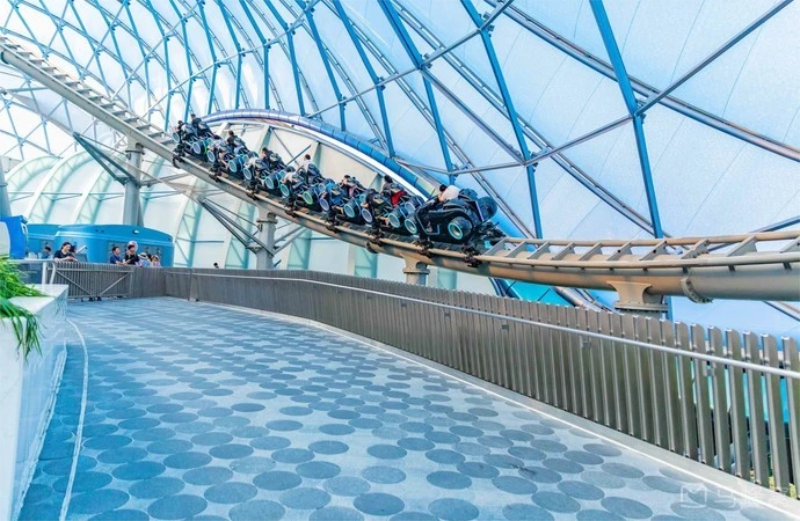
The park is quite large. If your schedule is tight you can arrange to experience the highlights of the park in one day. If you have more time staying overnight in the park is also a great option. The resort area features hotels Wishing Star Park and Disney Town each with its own unique charm and a fairy-tale atmosphere.
Practical Information Download the official Disney app to purchase tickets and make reservations. You can also use the app to check real-time queue lengths opening hours showtimes and even obtain FastPasses directly within the app. Ticket Prices: Range from 399 to 699 fluctuating d on crowd levels and peak/off-peak seasons.
Shanghai Pudong Art Museum | Jean Nouvel's Poetic Quartet
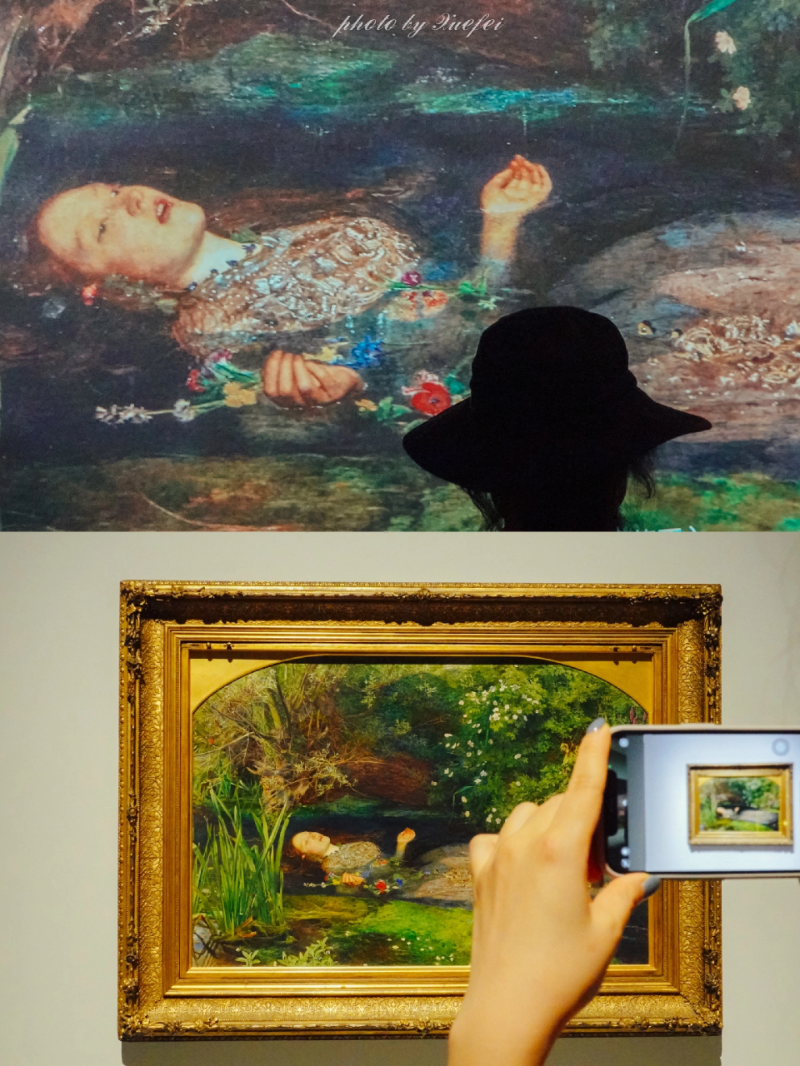
Designed by Pritzker Prize-winning architect Jean Nouvel the Pudong Art Museum officially opened its doors in July 2021. The architect with multiple "poetic dimensions" created a building marked by its transparent glass facade standing quietly and modestly in the heart of the prime Lujiazui area. The collective arrival of treasures from the Tate and the Joan Miró Foundation along with the exhibition "Cai Guo-Qiang: Odyssey and Homecoming" gave the Pudong Art Museum an exceptionally dazzling inaugural showcase.
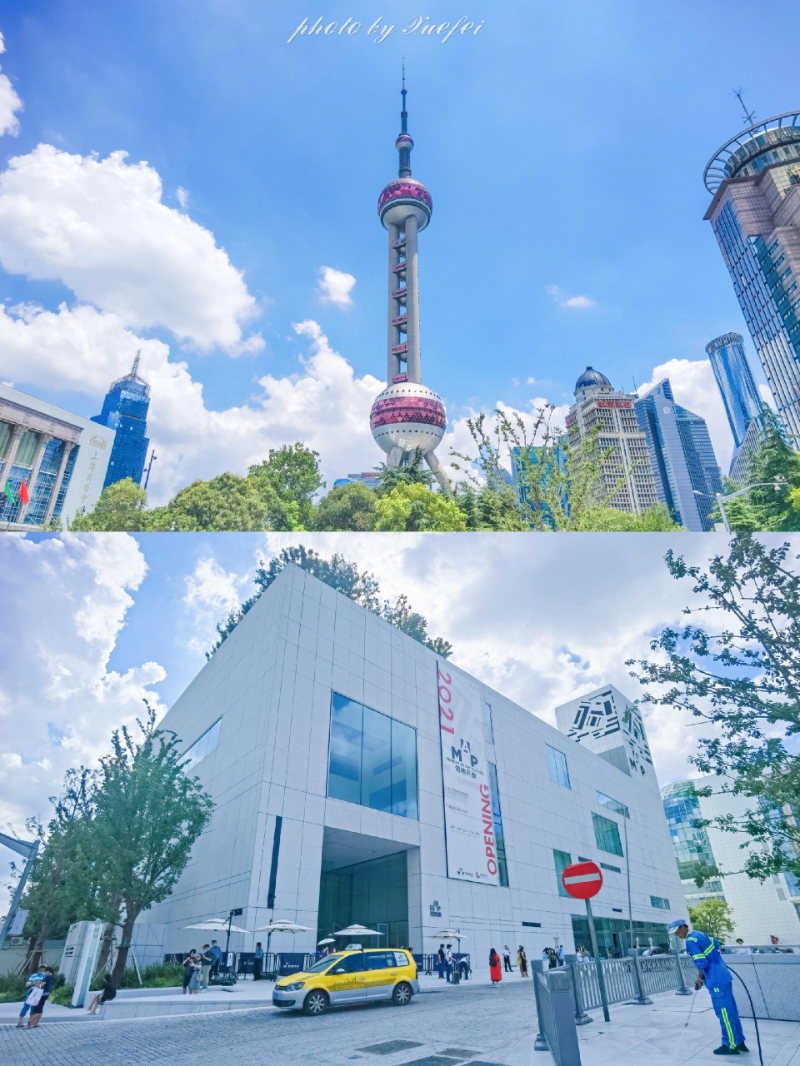
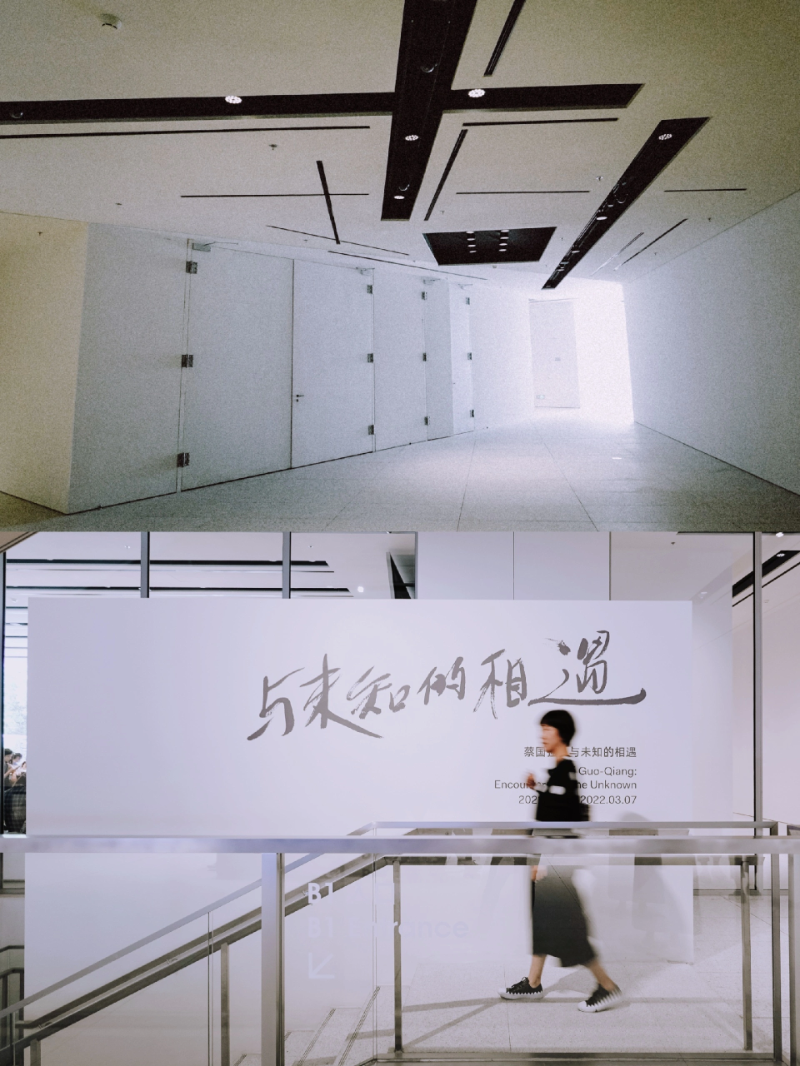
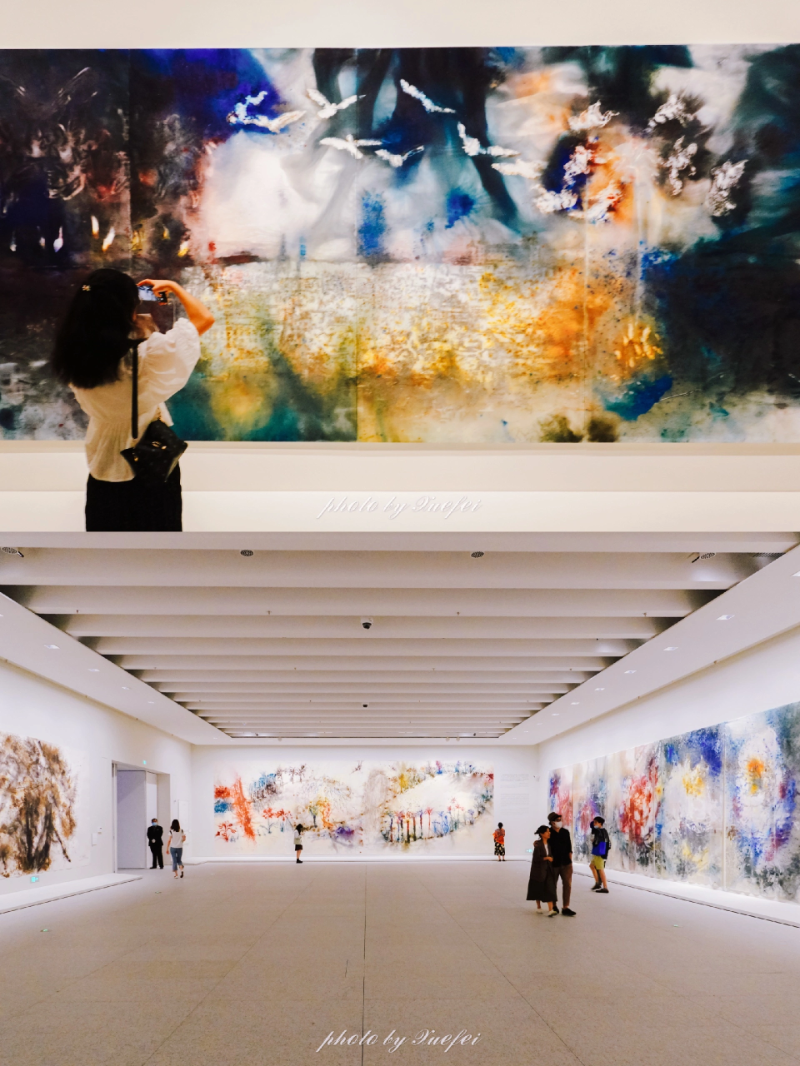
The entire space offers an immersive exhibition experience, where one feels enveloped in a serene and luminous artistic atmosphere. Beyond the artworks on display, the museum's unique design creativity and the interplay of light and shadow are also highly worth seeing. The various intriguing perspectives make it a destination worth flying in for friends from out of town to explore.
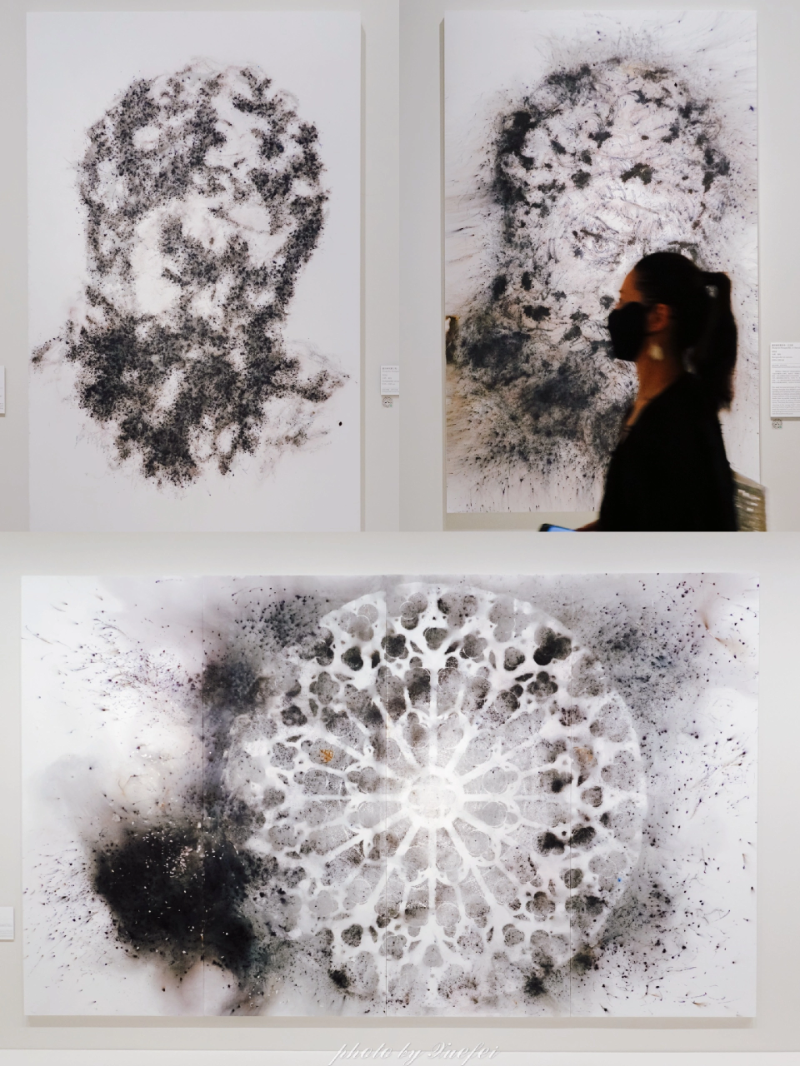
Practical Information
Name: Museum of Art Pudong (abbreviated as MAP)
Address: No. 2777, Binjiang Avenue, Pudong New District, Shanghai
Transportation: Take Metro Line 2 to Lujiazui Station, Exit 2
Opening Hours:
Monday, Wednesday, Thursday: 10:00-18:00 (last entry at 17:00)
Friday, Saturday, Sunday, and public holidays: 10:00-21:00 (last entry at 20:00)
Admission: Regular ticket 100 RMB. Various passes are also available.
Starting from September, the opening hours will be extended to 9 PM every Sunday.
【Practical TIPS】 Make sure you booked in advance search "Shanghai Pudong Art Museum" official website to book tickets.
Shanghai Astronomy Museum | New Travel Hotspot
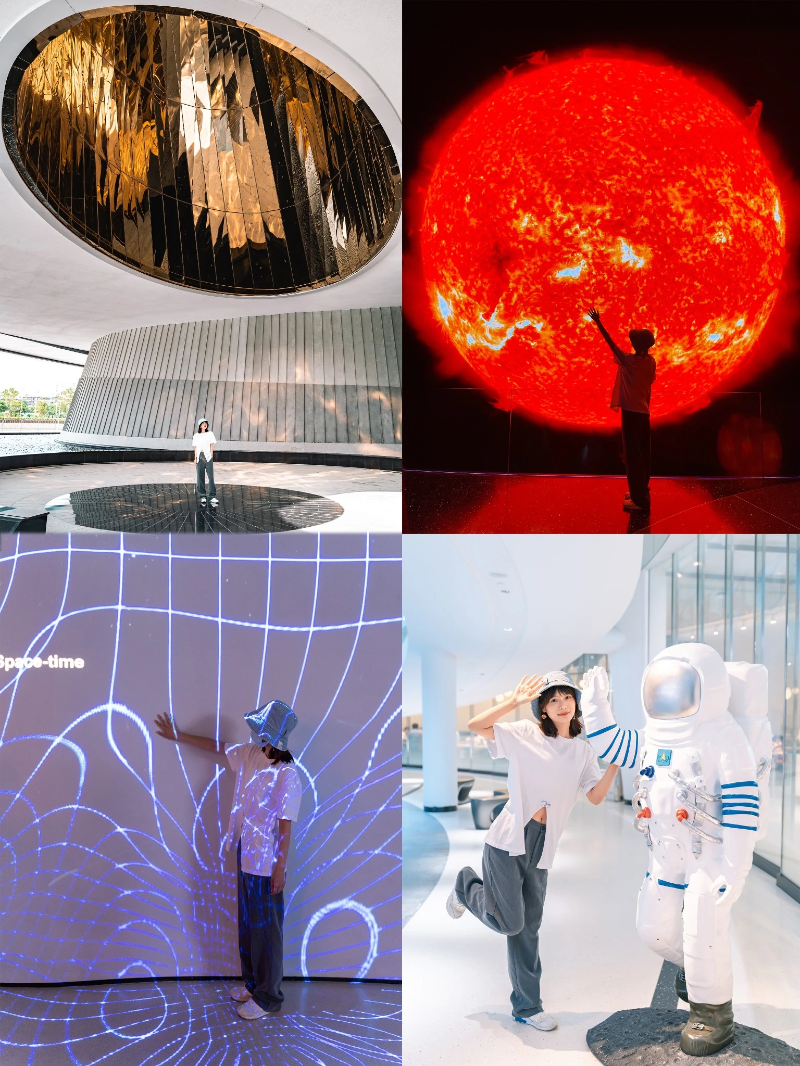
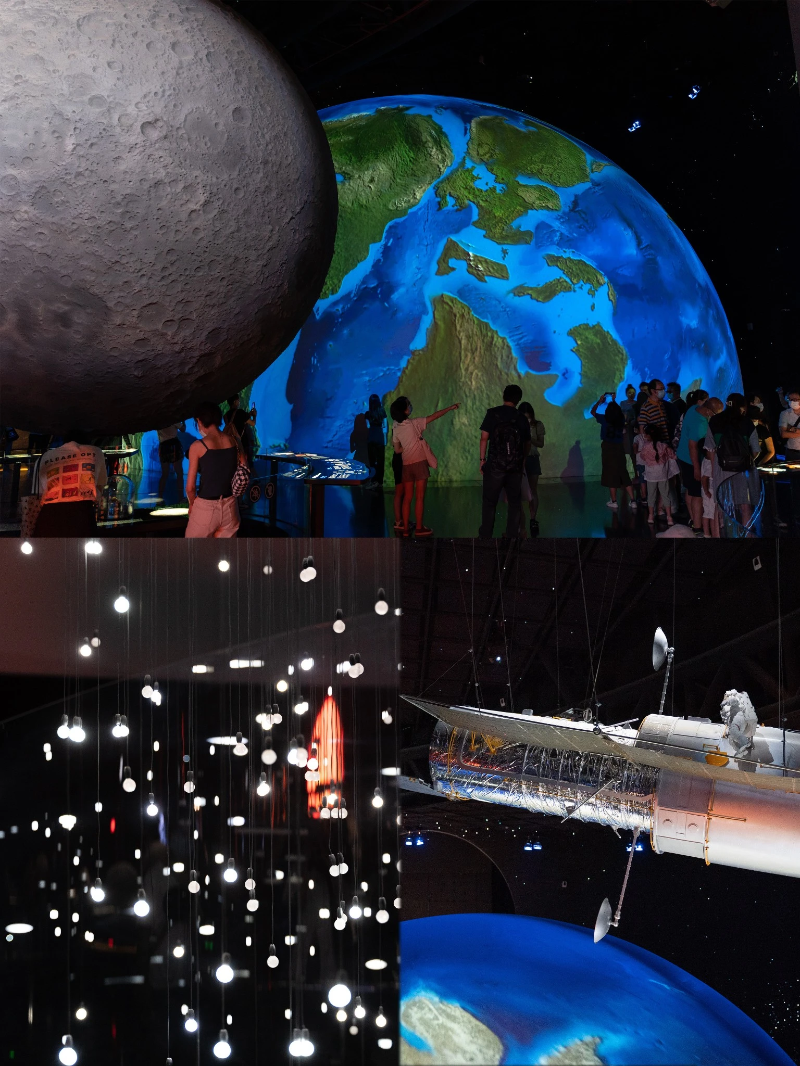
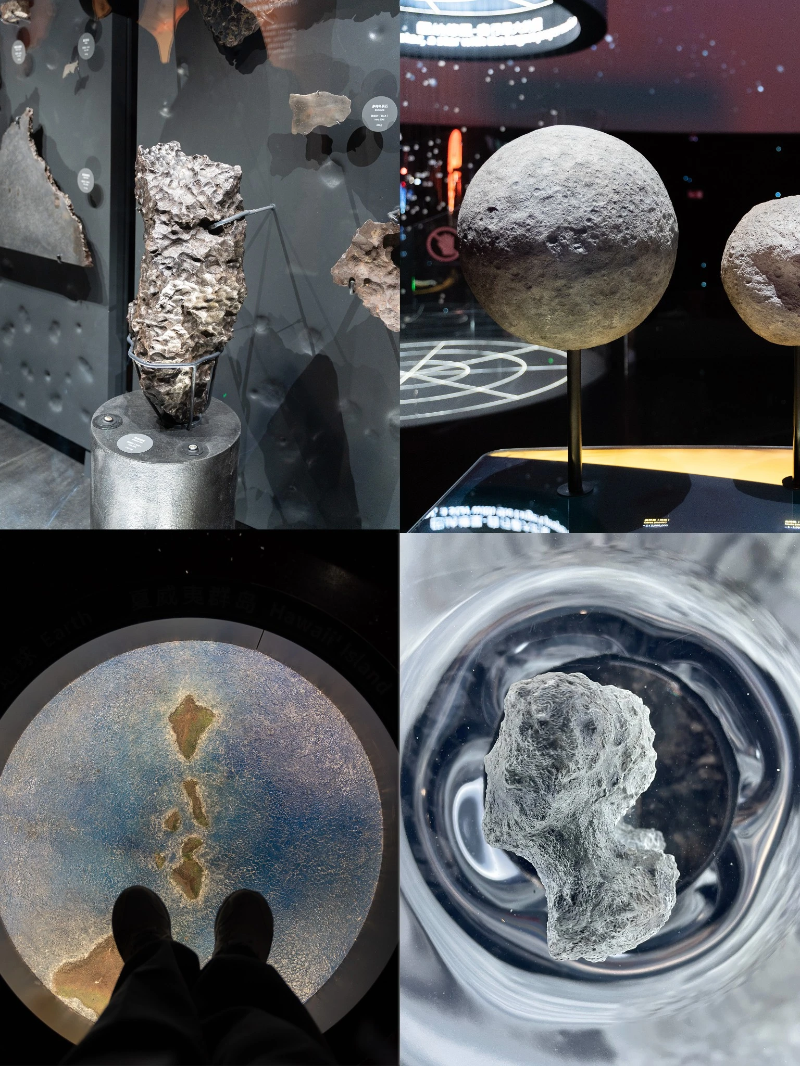
As the largest planetarium in the world, the Shanghai Planetarium officially opened to the public on July 18, 2021. In addition to its architecturally stunning design, the planetarium features awe-inspiring exhibition halls and displays. Here, you can not only learn about systematic astronomical knowledge but also marvel at hyper-realistic models of planets and the universe.
What’s particularly noteworthy is that the exhibits here place a strong emphasis on interactive experiences, allowing you to fully immerse yourself in the ocean of astronomical knowledge. If you’re interested in astronomy or looking for a place to visit with your children, this is highly recommended.
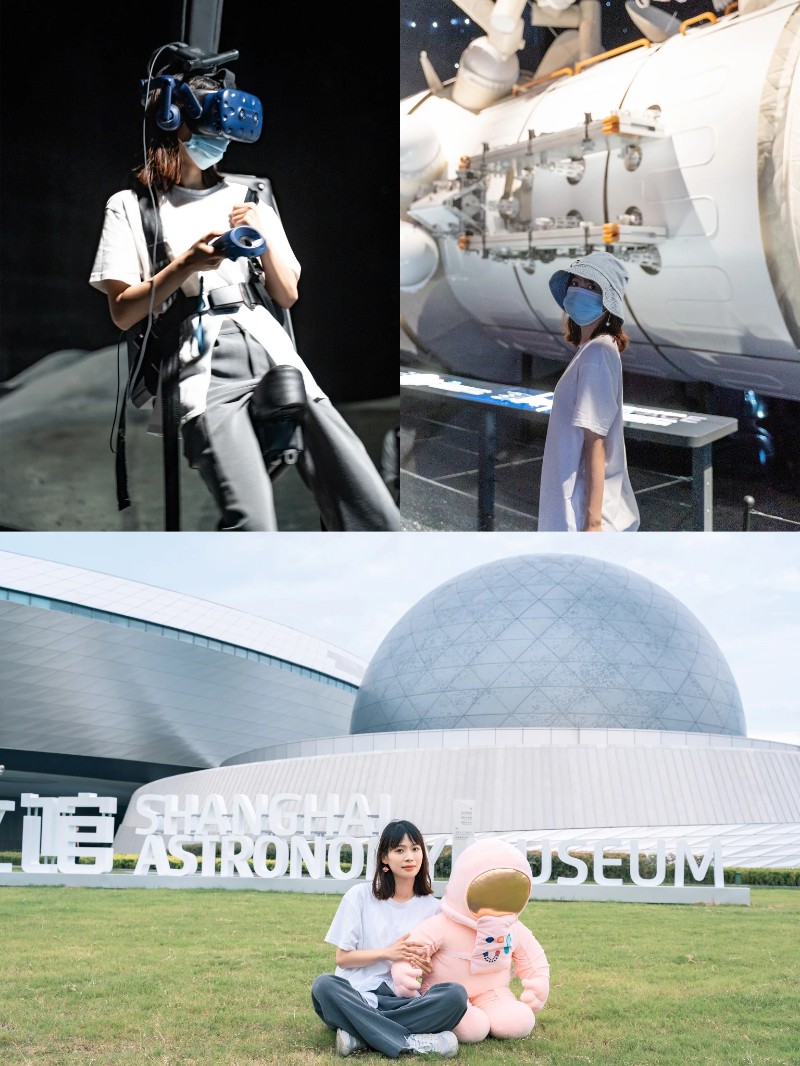
【Planetarium Distribution】
Main Exhibition Halls (3): Home Universe Journey
Special Exhibition Areas (3): China's Quest for the Heavens Planet of Curiosity Voyage to Mars
Experience Projects (6): Celestial Theater (Home) Theater of Flying Across the Galaxy (Home) What If Theater (Universe) VR Moonwalk (Journey weight requirement) Planet of Curiosity Xihe Solar Tower (Special Exhibition Area)
Tickets: Adult ticket 30 yuan child ticket 15 yuan senior ticket 25 yuan (60-69 years old) free for those under 1.3m/under 6 years old/over 70 years old. Dome theater 40 yuan.
Opening Hours: 9:30—16:00 (Last admission at 15:00 closed on Mondays)
Transportation: Located far from the city center driving is recommended.
- By Car: Navigate to No. 380 Lingang Avenue Pudong New Area Shanghai. The nearest parking lot is the Starry Sky Park Parking Lot about 500 meters from the venue. Other options include Shanghai High School Parking Lot temporary roadside parking on Snowflake Road and the underground parking lot on Zishan Road.
- By Metro: Exit 1 of Dishui Lake Station on Line 16 walk 1.4 kilometers (approximately 15 minutes on foot 6 minutes by bike).
- By Bus: Shengang Line 1 1009 1135 etc.