Hong Kong is not only a shopping paradise—it’s also a dream city for photographers.
Its dense, distinctive architecture creates photo opportunities on nearly every block. Whether you want classic Hong Kong portraits or viral social-media shots, it’s easy to come home with standout images.
Classic “Internet-Famous” Spots
The unity of heaven and humanity

“Unity of Man and Nature” is one of Hong Kong’s earliest viral photo spots. It’s located at Harmony Pavilion near New Asia College at The Chinese University of Hong Kong, and it uses the mirror-like reflection of a small water inlet to create the effect.
The still reflection, framed by greenery and distant hills, creates a calm, striking composition.
How to get there: Take the MTR East Rail Line to University Station, exit at Gate A or C, and then take Campus Bus No. 2 or 3 to the terminal stop. This spot is relatively far from the city center, so it’s often passed by when entering or exiting Hong Kong from Shenzhen, making it a convenient stop for a quick visit.
Western District Public Bathing Shed
Built in the 1960s–70s, this bathing shed is the last of its kind in Hong Kong. Originally designed for public swimmers, it still draws both swimmers and photographers today.
Here, a narrow wooden pier curves into the sea, with blue water and rolling waves as the backdrop. On camera, it feels secluded and cinematic—ideal for minimalist shots.
Important Notice: Due to the narrow bridge deck and the possibility of waves wetting the surface, all photographers and models must watch your step and prioritize safety!
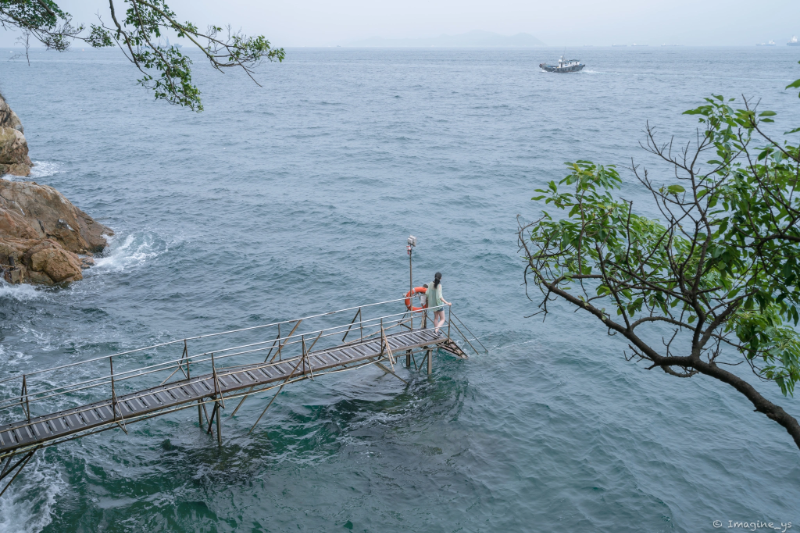
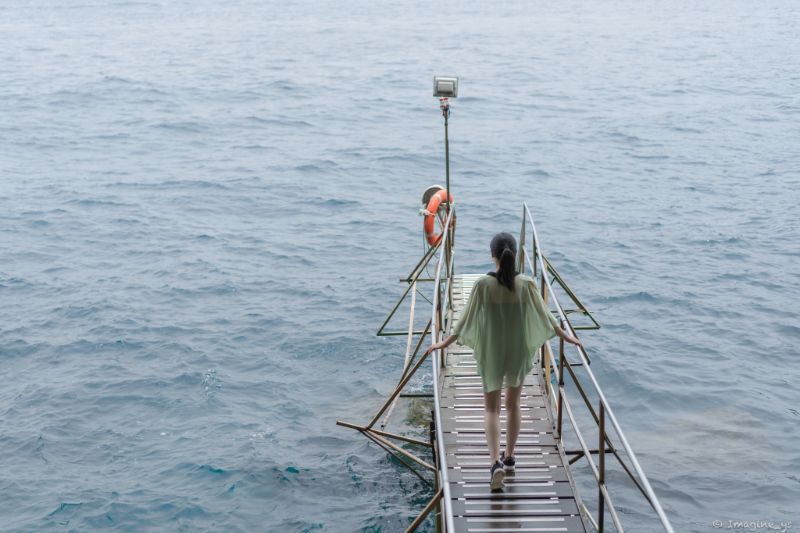
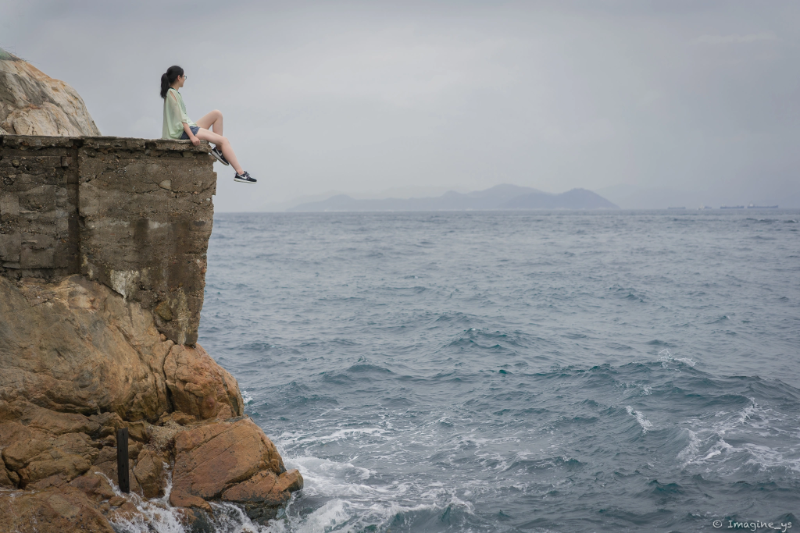
How to Get There: Exit C of Kennedy Town MTR Station. There is still some distance from the MTR station, so you can choose to walk or transfer to a bus.
Walking: About 20 minutes. Follow the navigation along Victoria Road uphill to the "Jockey Club Hostel" stop. Look for the swimming club sign on the right, then go down the stairs to the seaside.
City Bus: Take City Bus 43M and get off at the Island West Refuse Transfer Station. Walk a short distance forward, find the swimming club sign on the right, and descend the stairs to the seaside.
Minibus 58: When boarding, remember to tell the driver to stop at the elderly home or the Sai Wan Swimming Shed.
The Sai Wan Swimming Shed is often visited together with the Sai Wan Pier as a combined itinerary. As a filming location for the movie Love in a Puff, Sai Wan Pier features boardwalks, shipping containers, and postboxes, making it a highly sought-after spot for travelers and an excellent photo-op destination. However, these two attractions are actually quite far apart, so be sure to protect yourself from the sun along the way.
Graham Street Mural
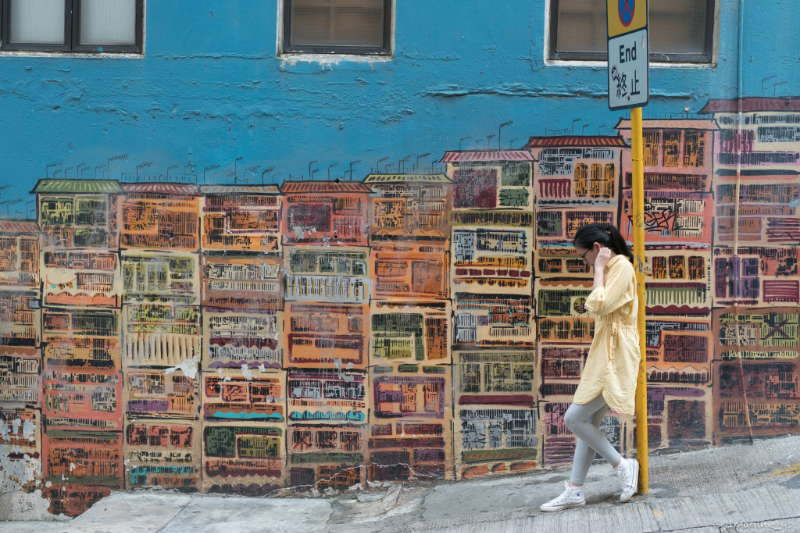
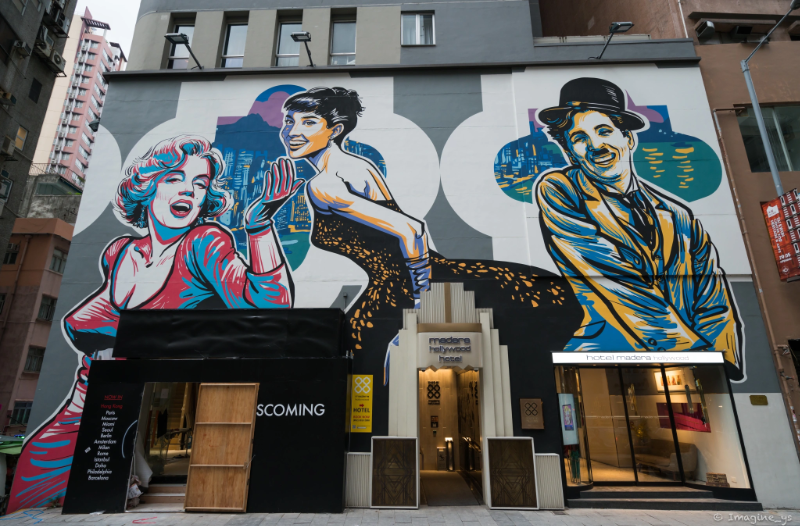
Graham Street is Hong Kong's oldest traditional street market, lined with a variety of small vendors. However, the most famous attraction here is the graffiti wall, which features the Kowloon Walled City as its backdrop, depicting the vibrant local life of that era—making it a perfect spot for photos.
How to get there: From the Hong Kong Polytechnic University, walk to the Cross-Harbour Tunnel Bus Stop and take Kowloon Motor Bus (KMB), Citybus 101, or Citybus 104 to Central Market (at the intersection of Lyndhurst Terrace and Graham Street).
Nostalgic Hong Kong Style
Mong Kok Goldfish Market
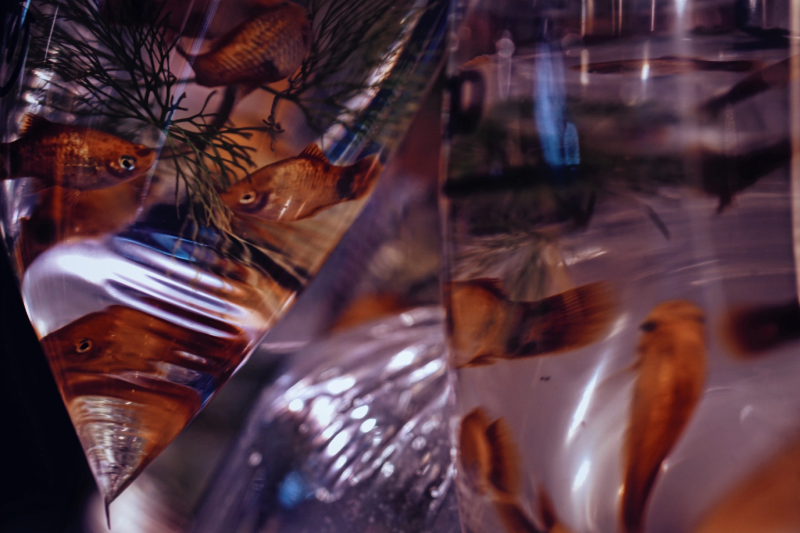
“Goldfish Street,” made famous by Chungking Express, refers to the section of Tung Choi Street in Mong Kok. It’s one of Hong Kong’s most iconic pet and aquarium markets. Fish are displayed in clear water bags hung outside the shops, each marked with a price. At night, under neon light, the whole street feels like a scene from an old Hong Kong film.
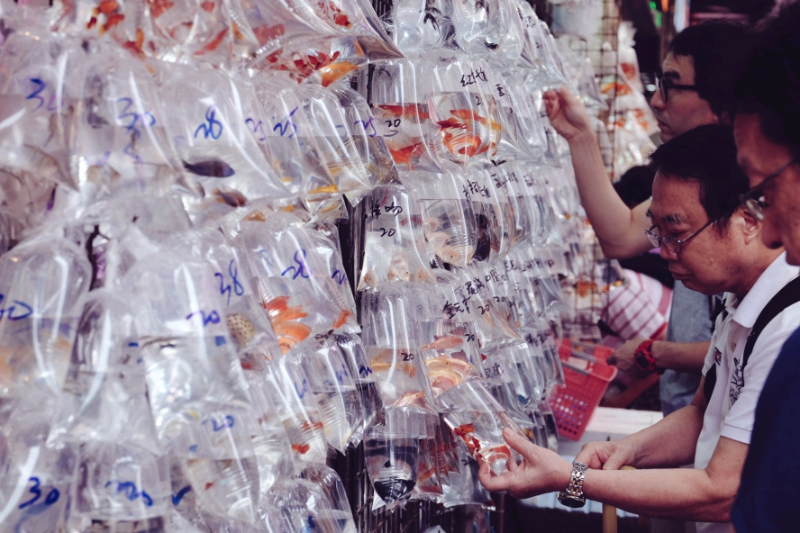
Business Hours: 10:30 AM~10:00 PM
How to Get There: MTR Mong Kok Station
Mid-Levels Escalator
Mid-Levels Escalator
This globally longest covered outdoor pedestrian escalator connects the Central business district with the Mid-Levels residential area. Free to ride, the entire journey takes 20 minutes, and passengers can hop on or off at any point along the way. In Wong Kar-wai’s film Chungking Express, Faye Wong was famously seen peeking at Tony Leung while leaning on this escalator—a classic scene that has drawn countless artsy travelers to visit the spot.
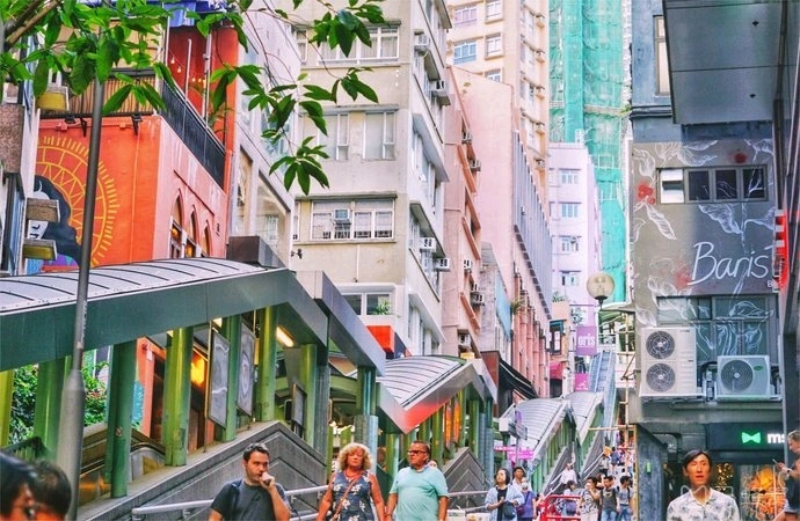
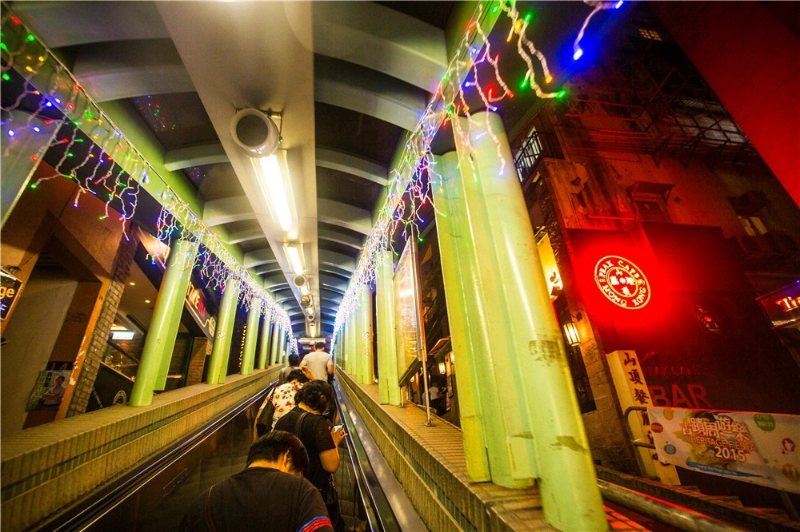
How to Get There: Take Exit C at Central MTR Station, walk straight along Des Voeux Road Central, turn left at Jubilee Street, and walk for about 10 minutes. The entire journey takes approximately 20 minutes.
Opening Hours: Downbound direction 6:00 AM–10:00 AM, upbound direction 10:30 AM–midnight.
Public housing estate
"The sparrow may be small, but it has all the vital organs"—this saying perfectly describes Hong Kong, a place where every inch of land is precious. With its dense population and exorbitant land prices, the government began constructing public housing estates in the 1960s to provide relatively affordable homes for many residents.
Though these are publicly owned residences, many of these estates feature award-winning designs that are visually striking from certain photographic angles. Beyond the wildly popular Choi Hung Estate, Lok Wah Estate, Monster Building (no photography allowed), and Beverly Garden (no photography allowed), there are numerous other public housing complexes that vividly showcase Hong Kong's historical and cultural character.
It should be noted that Hong Kong's public housing estates are not tourist attractions but residential areas for local communities. If taking photos, please do so quietly without disturbing the residents, and if photography is prohibited, simply put your camera away. Additionally, due to the unique architecture, capturing both the visual impact and human elements in photos may sometimes require leaning out for the shot—please prioritize safety at all times.
Choi Hung Estate | The Most Popular Colorful Check-in Spot
Located in Ngau Chi Wan, Wong Tai Sin District, Choi Hung Estate is one of Hong Kong's earliest public housing estates. It won the Silver Medal Award from the Hong Kong Institute of Architects in the 1960s and has now become a highly sought-after spot for travelers as a popular photo destination. The most iconic feature of the estate is its vibrant, rainbow-colored exterior, with all nine buildings named after different colors.
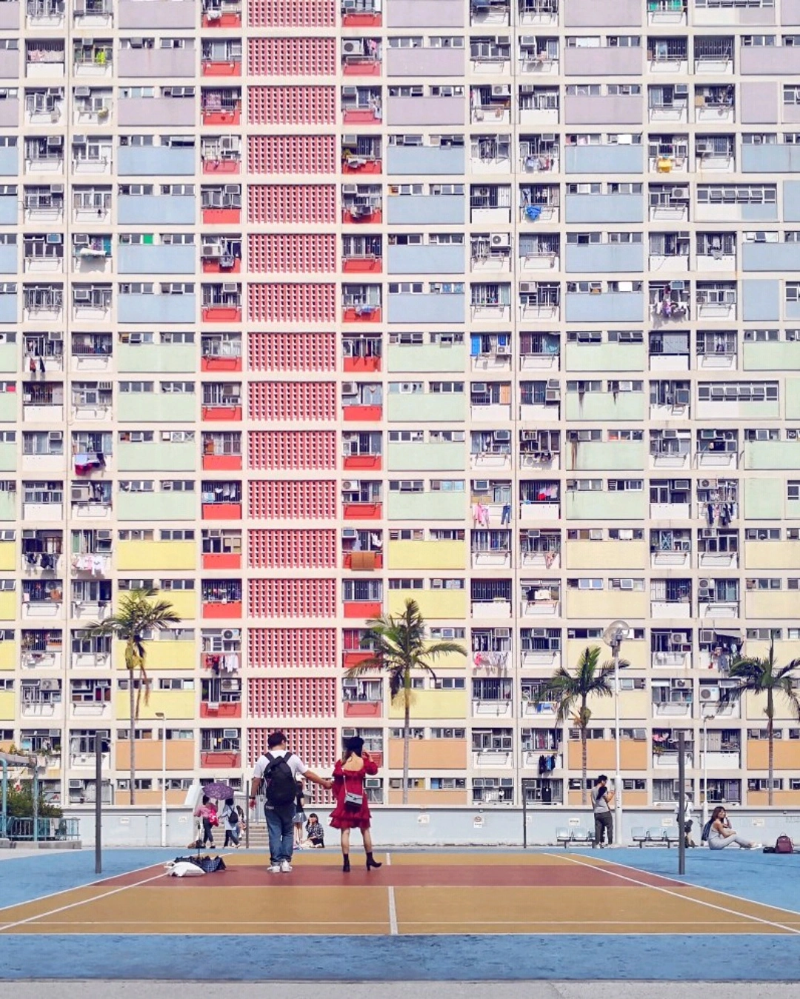
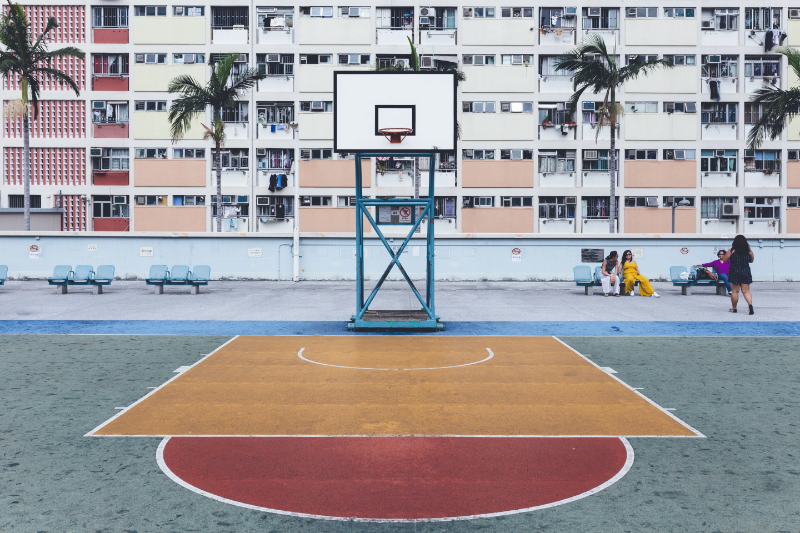
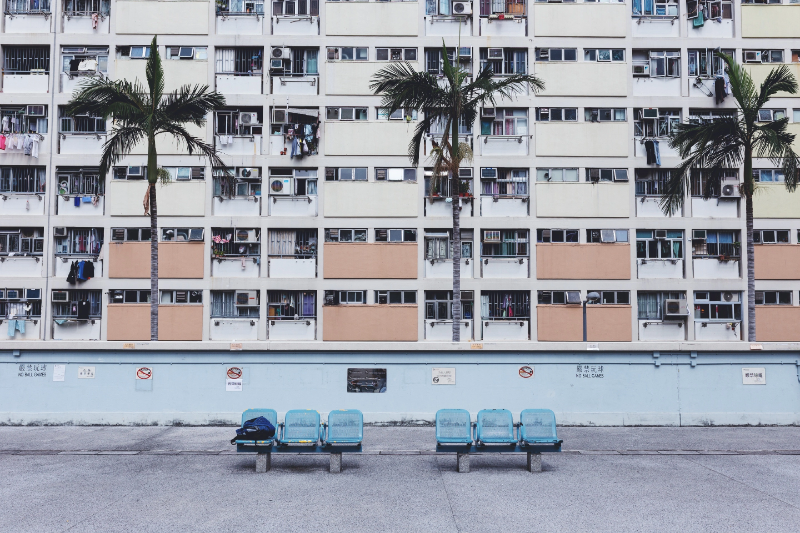
Every Hong Kong MTR station has its unique features. For example, each station on the Kwun Tong Line is marked with mosaic walls in different colors based on the local area. Choi Hung Station boasts a rainbow-colored mosaic wall—so if you take the MTR to Choi Hung Estate, don’t forget to snap a photo!
How to get there: Take Exit C4 at Choi Hung Station on the MTR Kwun Tong Line. On the right, you'll find a small entrance—walk to the top level of the parking lot to reach the rooftop basketball court at Choi Hung Estate.
Ping Shek Estate | The Beauty of Symmetry
The public housing estates in Hong Kong from the 1970s were located close to Choi Hung Estate, often making it a convenient stop to visit together. The buildings featured a square, box-like structure. When viewed from a low-angle shot, the dim lighting inside contrasted sharply with the bright sky visible through the courtyard opening, creating the sensation of standing within a massive light well.
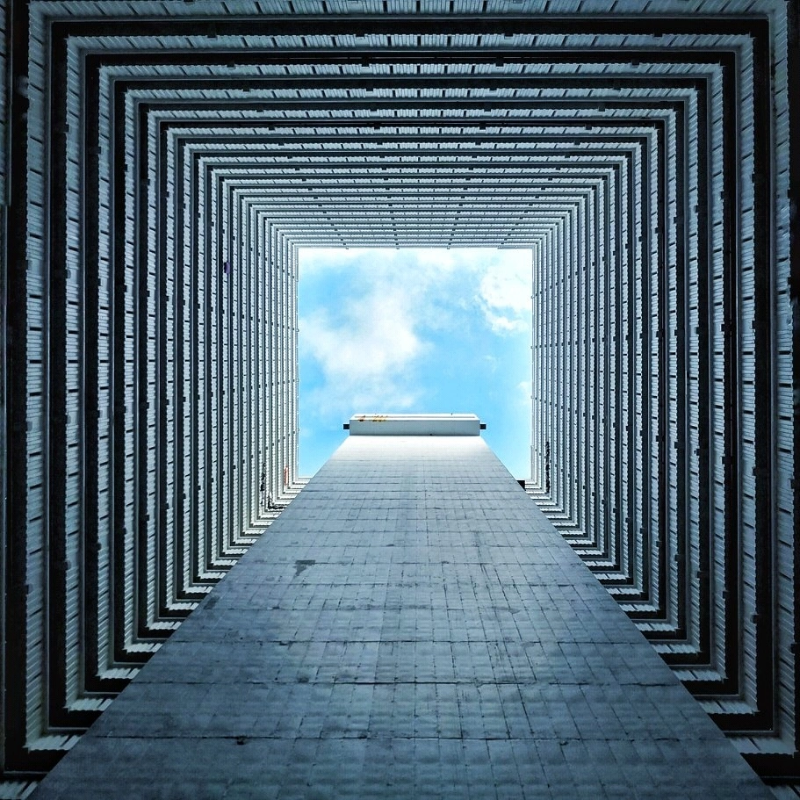
How to get there: Take Exit A2 at Choi Hung MTR Station, right across from Choi Hung Estate. You can easily combine a visit to both spots.
Lok Wah South Estate | Sky Blue Parking Lot
Kwun Tong's Lok Wah South Estate is another newly popular and stunning public housing estate in Hong Kong. The estate is bordered by Kung Lok Road on one side and Chun Wah Road on the other, hence its name "Lok Wah," derived from a character from each road. However, what has made it a viral photo spot isn't the estate's exterior, but rather its hidden rooftop parking lot.
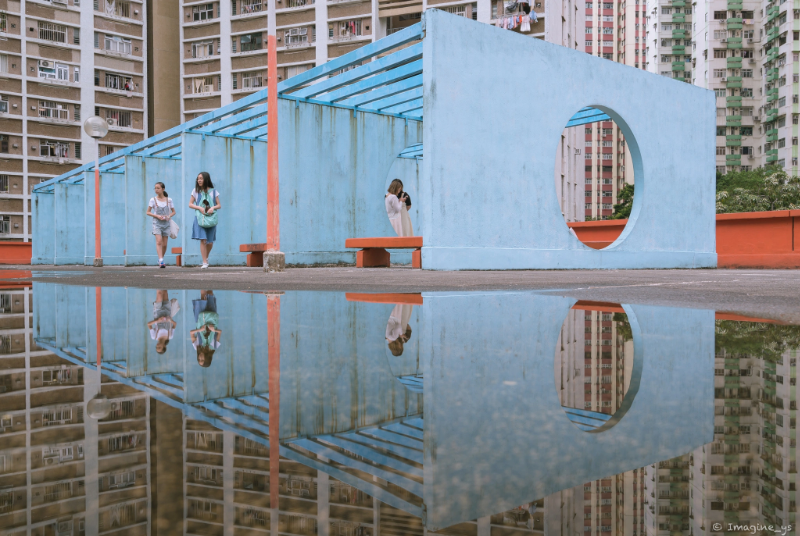
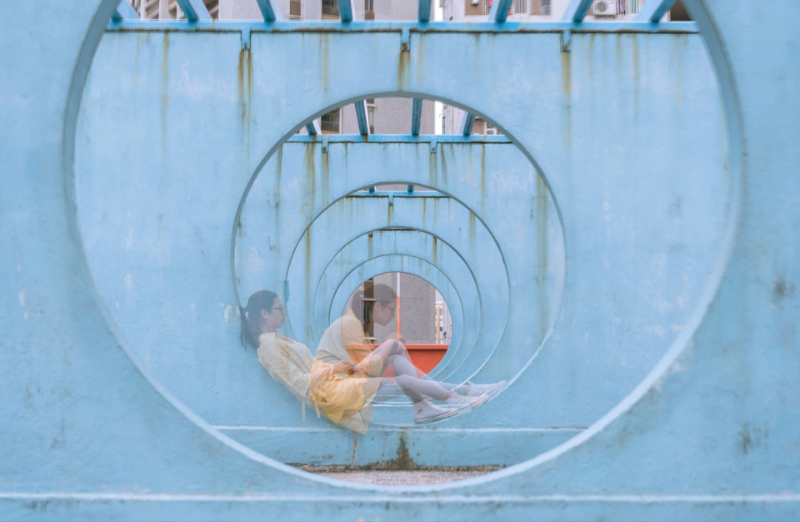
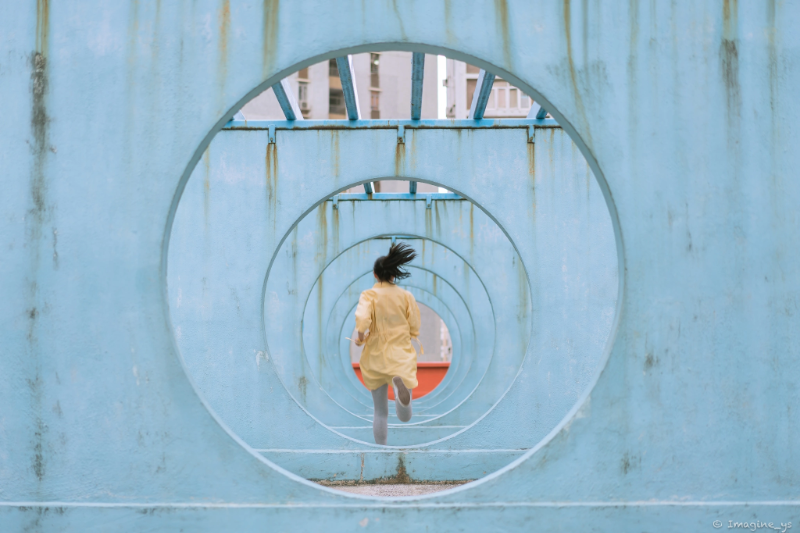
The rooftop of the parking lot features two sets of Tiffany Blue prototype concrete walls. Stretching from near to far, they create a tunnel-like effect reminiscent of a time warp, exuding a unique charm whether photographed from the side or the front.
Lei Cheng Uk Estate | Unique Cylindrical Design in Hong Kong
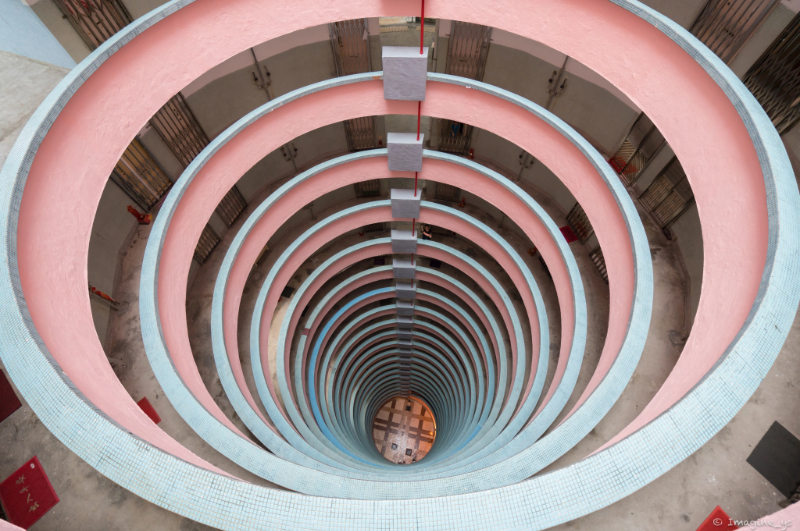
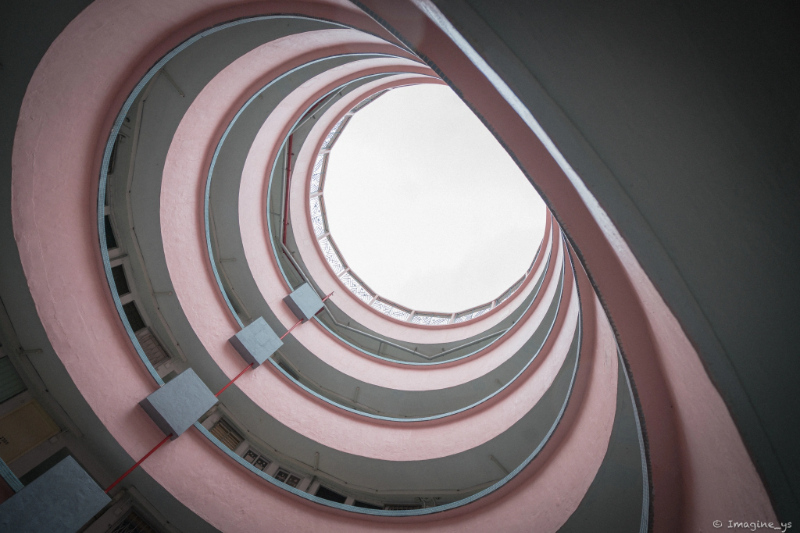
Hong Kong has many old-style public housing estates with interesting designs, but when it comes to "uniqueness," Lai Tak Tsuen is a must-mention. Built in 1969, this public housing estate consists of eight blocks, four of which break tradition with their cylindrical design. Standing on the higher floors and looking down, you’ll feel as if you’re caught in an endless vortex—a truly breathtaking sight. Even the stair railings were adapted to the cylindrical shape, taking on a triangular form.
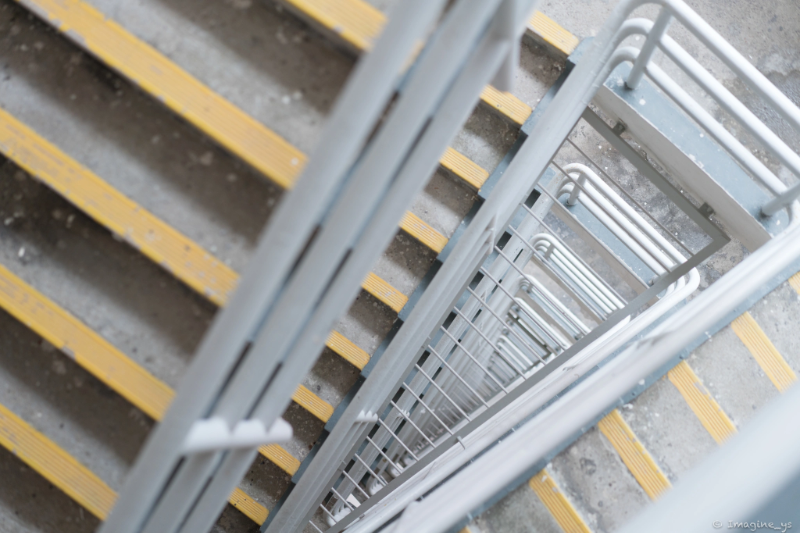
How to get there: From Wah Fu Estate Bus Station, take the bus to Aldrich Village (Citybus Route 1 transfer to New World First Bus Route 26). It was often combined with visits to the Monster Building in Quarry Bay (Zéi Yú Chōng) and Pak Fuk Park along the same route, though photography is now prohibited at the latter two locations.
Nam Shan Estate | The Coolest Playground
Nam Shan Estate was built in 1975, featuring a color scheme dominated by three shades of green. With only eight residential blocks in total, the most eye-catching spot is actually the old-style children's playground in the open plaza. Surrounded by buildings on three sides, the plaza creates a unique sense of space, making it one of the most popular photo spots for travelers.
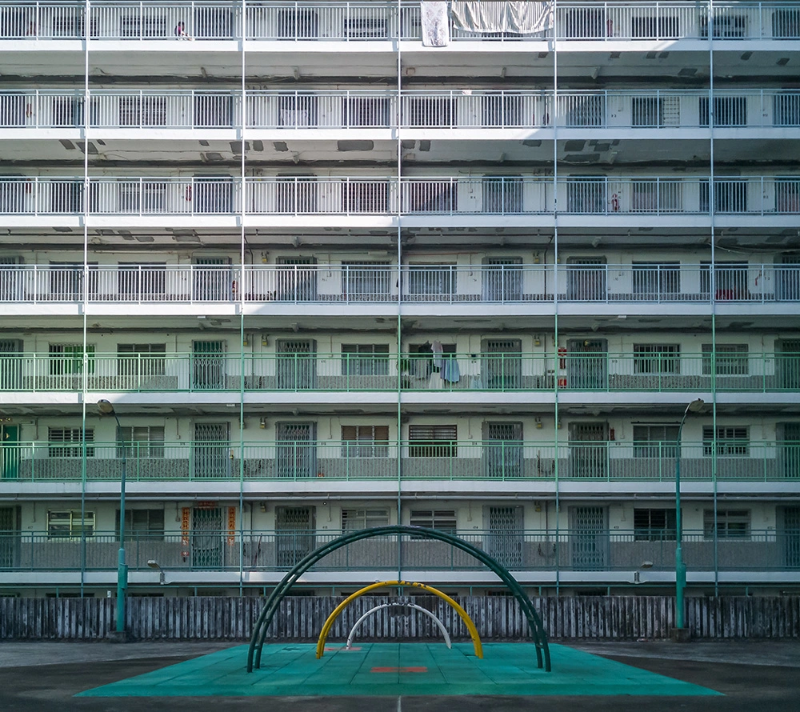
If you visit Nam Shan Estate for photos after the rain, you might even capture a mirror-like reflection of the sky. Additionally, there’s a giant Snakes and Ladders board and a tree that has stood in Nam Shan Estate for over 60 years—don’t forget to spot them before you leave.
How to get there: Take Exit B2 of Shek Kip Mei MTR Station, head toward Woh Chai Street, and enter the estate area. Then, climb the stairs near the market to reach the open plaza.
Oi Man Estate | Symmetrical Design Patterns
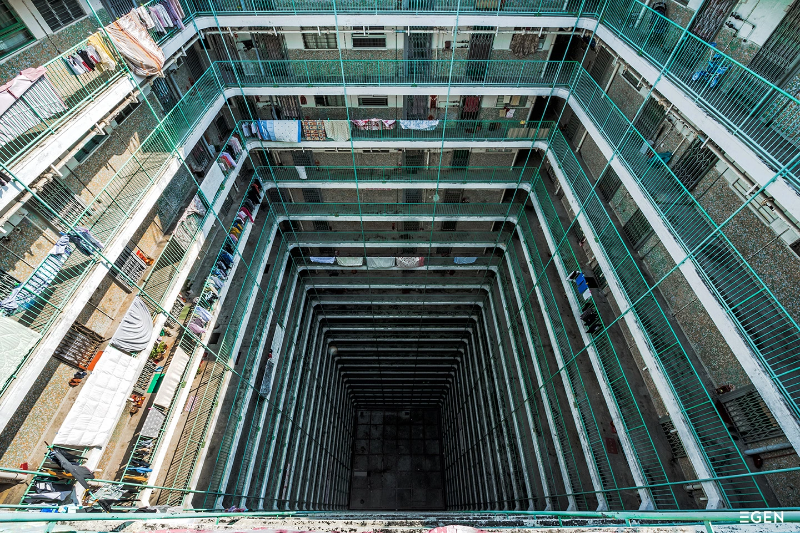
Built in the 1970s, Oi Man Estate consists of five blocks—"Wai Man House," "Tun Man House," "Tak Man House," "Sun Man House," and "Shun Man House." As the largest traditional public housing estate in Kowloon City District by area, it features symmetrically designed architecture in every block, making it a must-visit photography spot for many travelers.