How do you describe Hong Kong?
Writer Chan Koon-chung calls it the epitome of half-Chinese, half-foreign urban aesthetics—a magnificent hybrid that is part Chinese, part Western, and full of contradictions. Eileen Chang, by contrast, described it as the China of Western imagination: absurd, exquisite, and slightly comical.

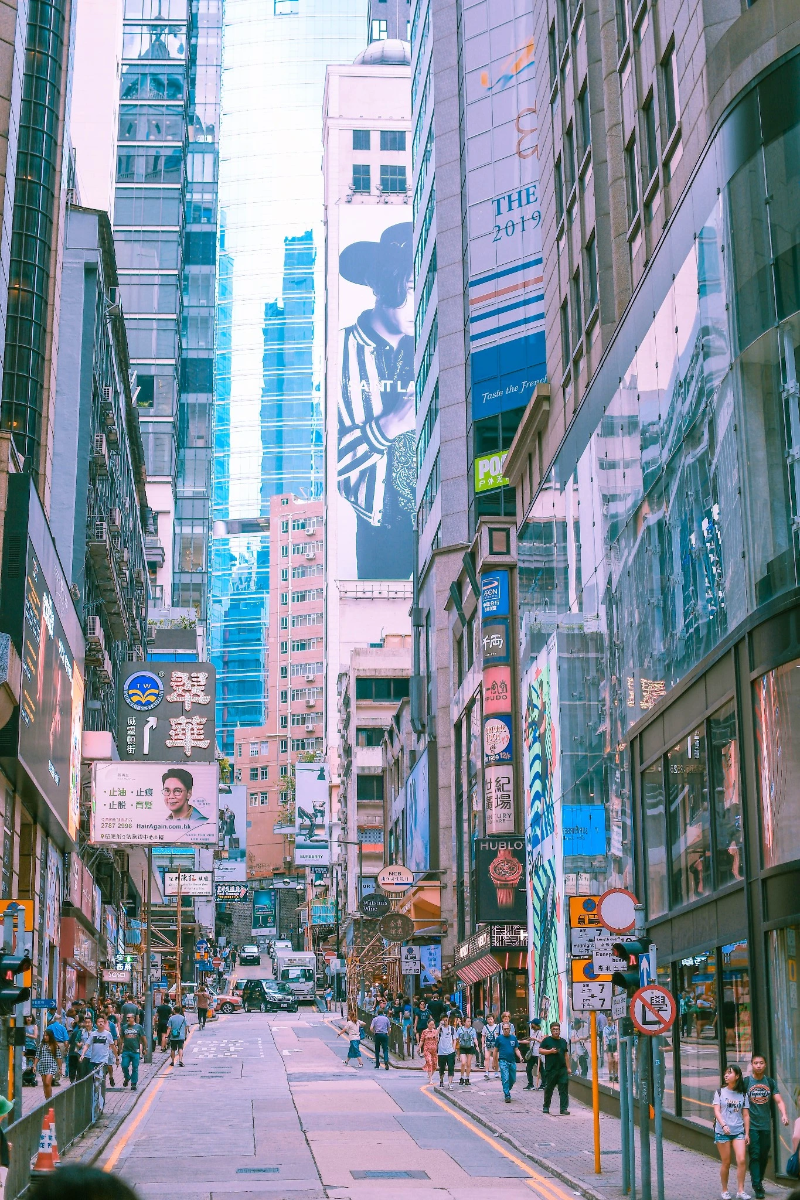
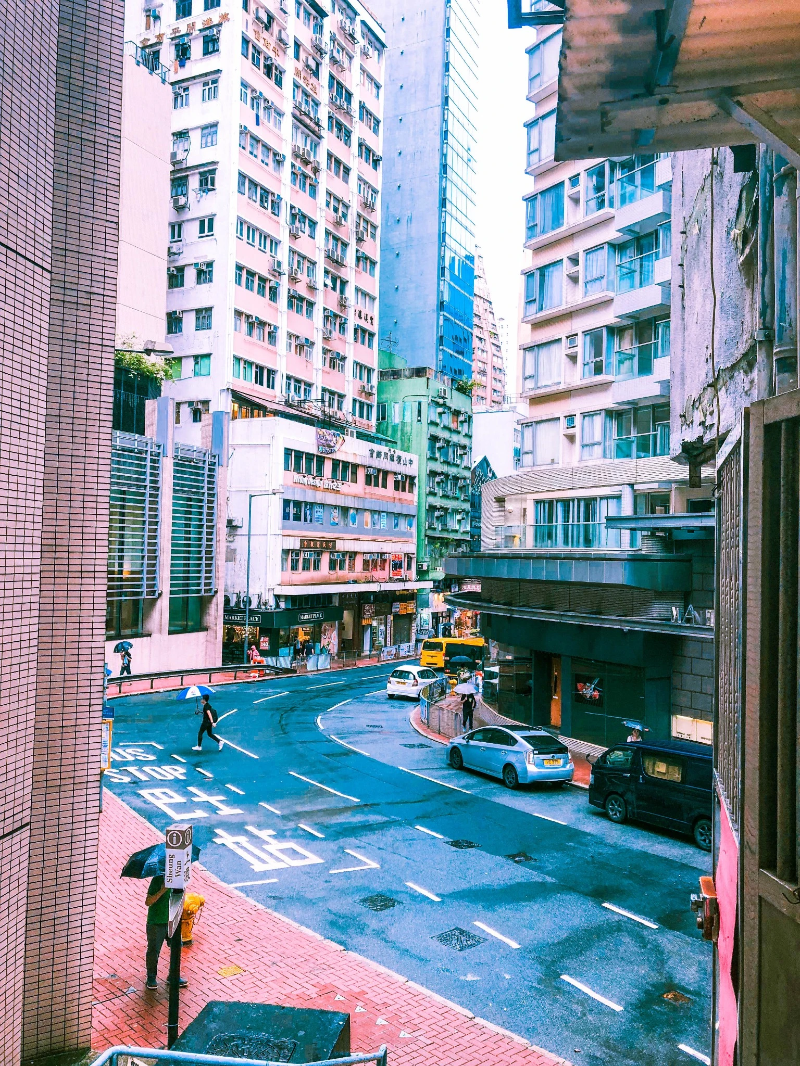
Hong Kong is a city of sharp contrasts—ultra-modern skyscrapers and global finance on one side, vintage trams, old buildings, and narrow, lively streets on the other. It’s known as a shopper’s paradise and a cultural hotspot, but for many travelers, it’s the street food hidden in the alleys that makes the experience feel truly complete.
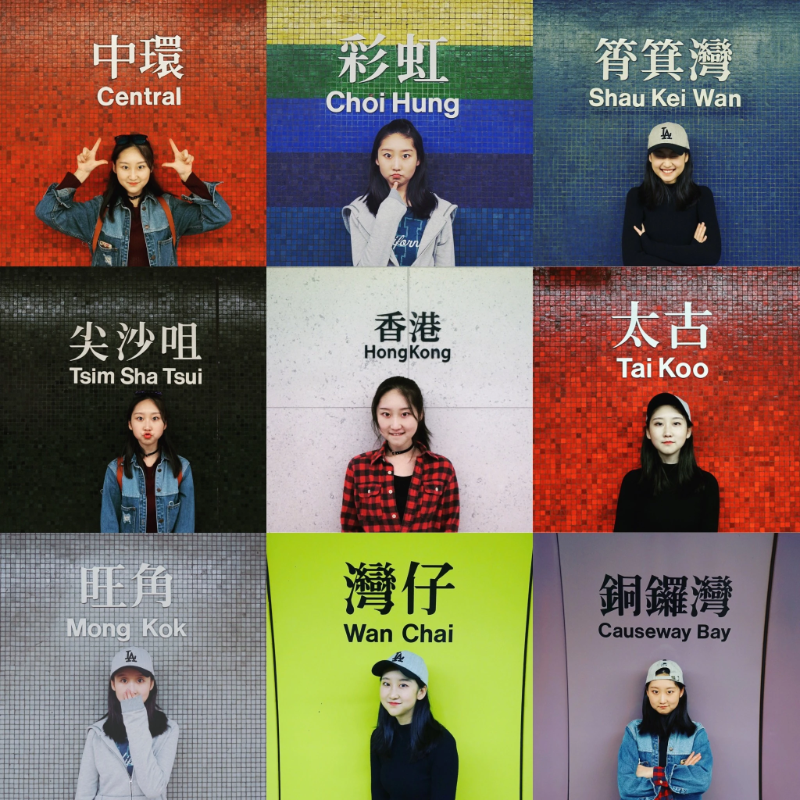
This is Hong Kong—singular and unmistakable.
Classic Hong Kong
Victoria Harbour
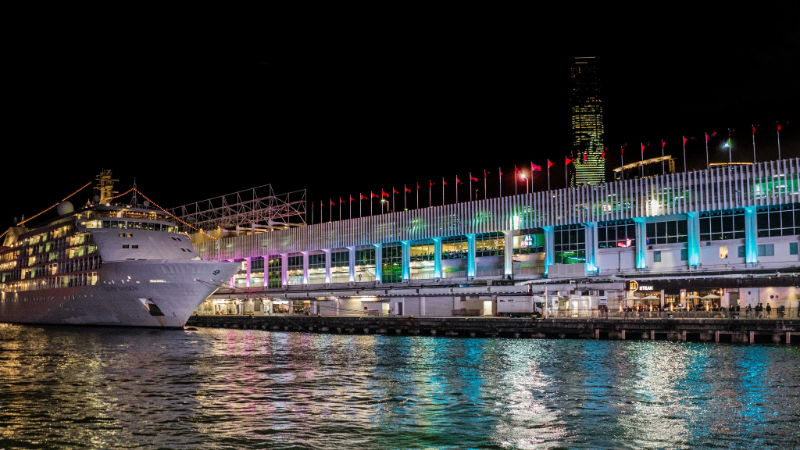
You can’t visit Hong Kong without seeing Victoria Harbour—and the Avenue of Stars is one of the easiest ways to experience it.
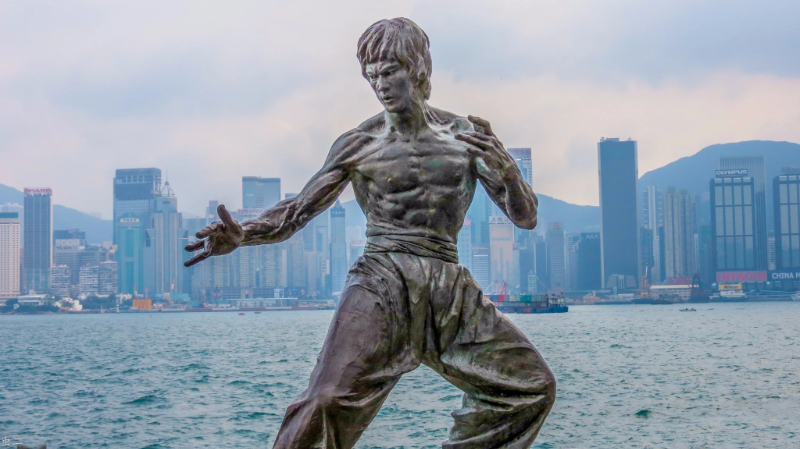
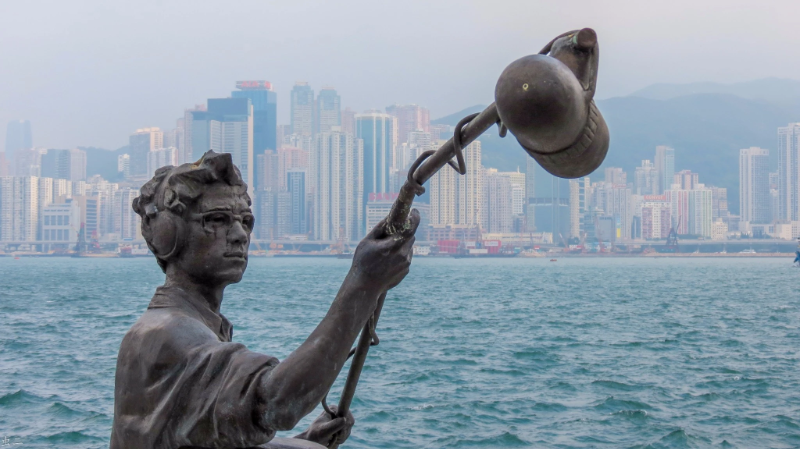
The Avenue of Stars is a classic first-timer stop and a great place to catch the Victoria Harbour night view. After a major renovation, it reopened in January 2019 with handprints of more than a hundred film stars and directors set into the waterfront railings. You’ll find tributes to legends like Bruce Lee, as well as playful touches such as the hoof prints of the local cartoon character McDull.
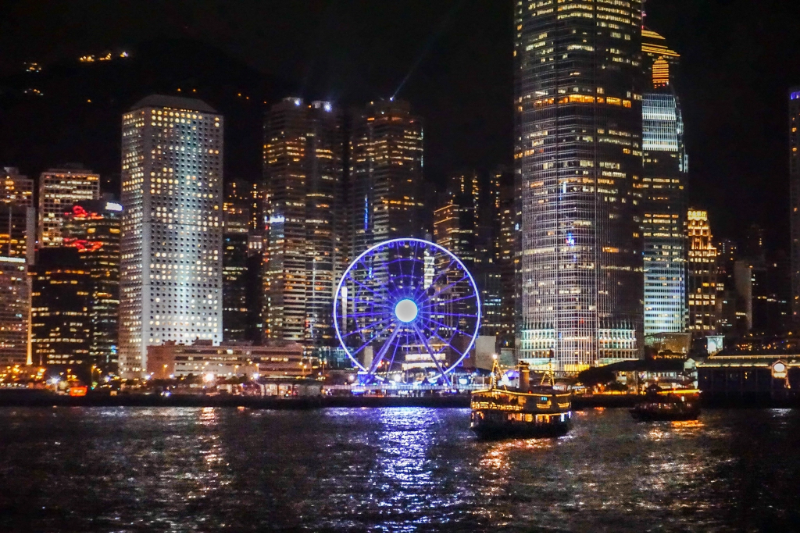
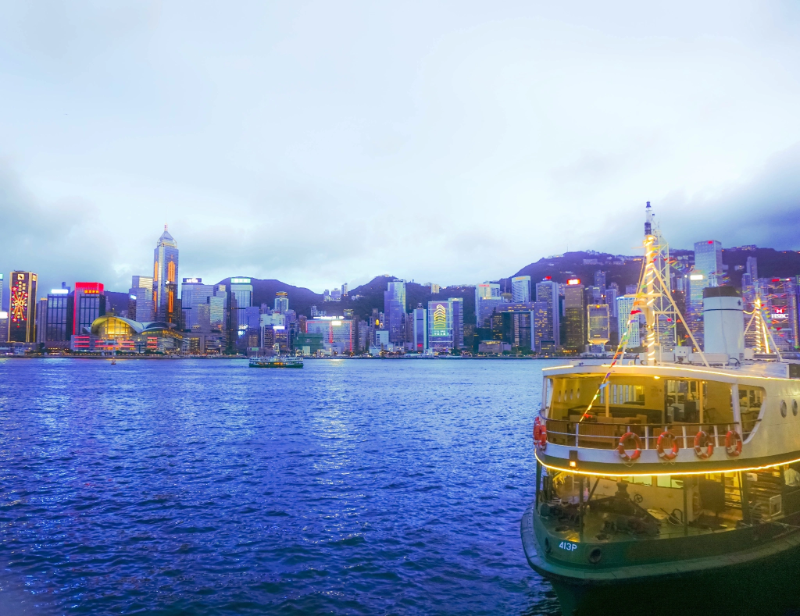
No matter how many times you’ve visited, the Star Ferry remains one of the best ways to experience the harbour. Watching the skyline glide past from the water still feels cinematic every time.
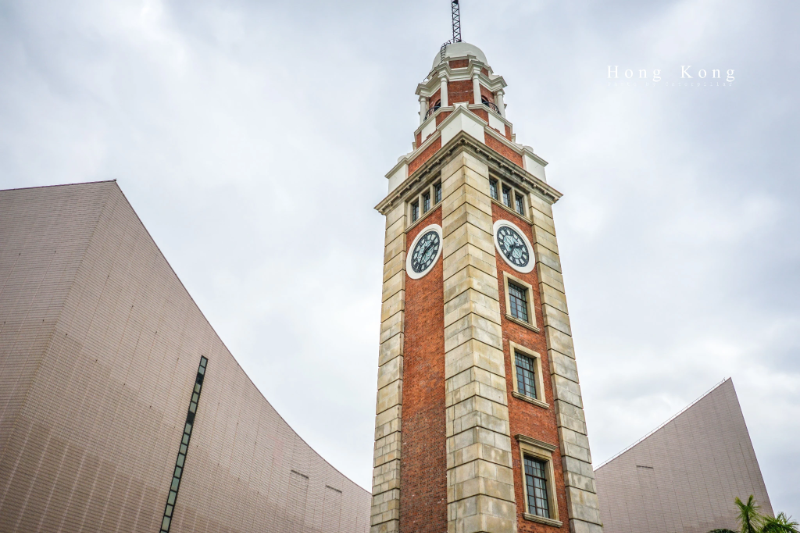
In addition to the Avenue of Stars, the Hong Kong Cultural Centre, Hong Kong Space Museum, and Hong Kong Museum of Art around Victoria Harbour are all well worth a visit. If you want to explore them thoroughly, you’ll need at least half a day.
Admission: Free
Transportation: Take the MTR to East Tsim Sha Tsui Station (Exit J), follow the signs and walk for a few minutes; or take a ferry from Central or Wan Chai to Tsim Sha Tsui Pier, then walk for a few minutes to reach the destination.
Yau Tsim Mong
Yau Tsim Mong is actually one of the "members" of Hong Kong's 18 districts, primarily referring to the southern Kowloon area covered by "Yau Ma Tei, Tsim Sha Tsui, and Mong Kok." These neighborhoods are often explored together and have gradually become must-visit destinations for first-time travelers to Hong Kong. Here, you can not only discover authentic eateries but also find plenty of great shopping spots along the streets, making it a top choice for many visitors looking to experience Hong Kong's vibrant urban life.
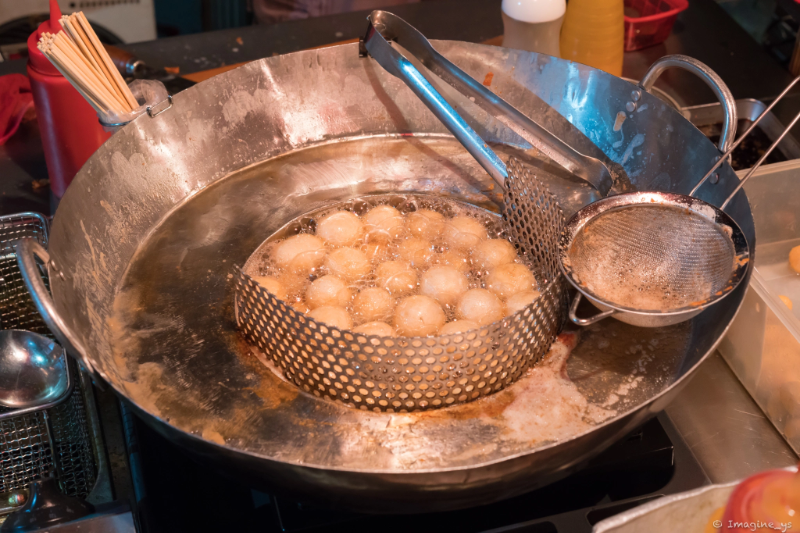
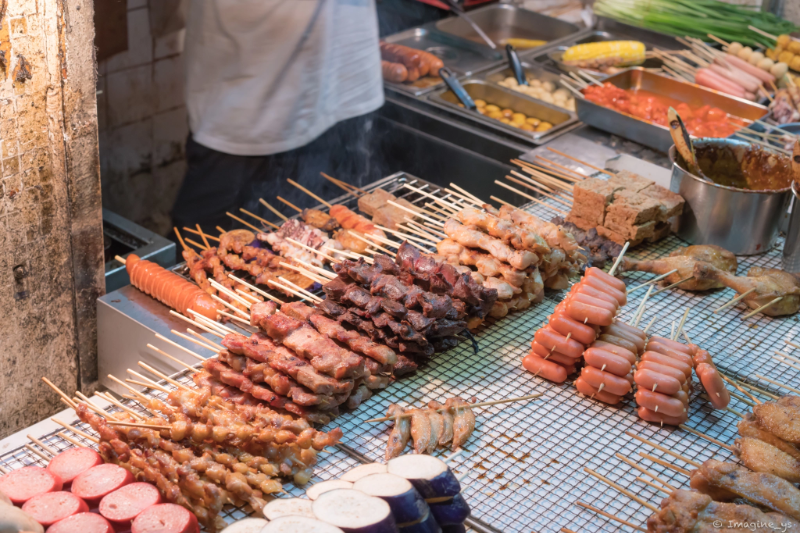
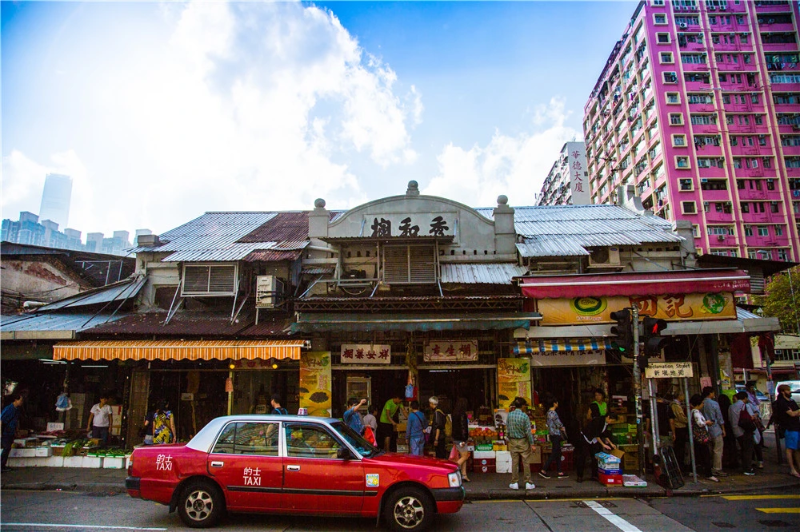
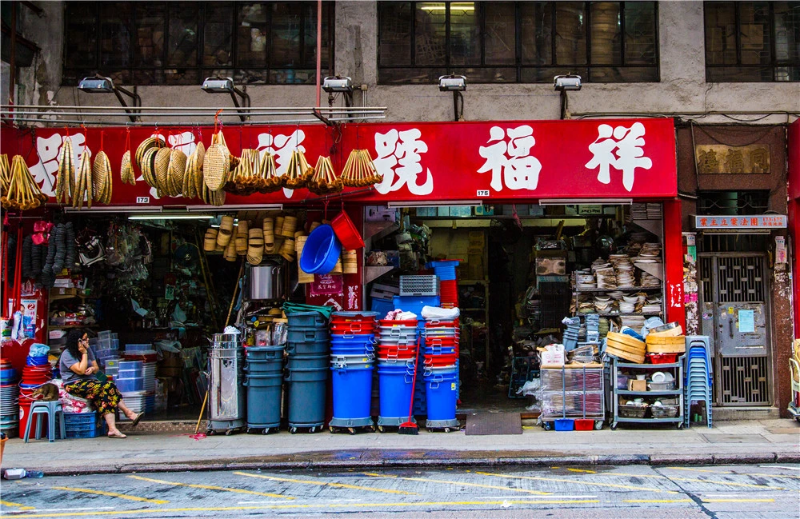
The gritty charm of old Hong Kong lingers in the alleys and streets of Yau Ma Tei, where timeworn shops and buildings seem to whisper timeless tales of the last century. Temple Street, the heart of Yau Ma Tei, once a filming location for many Hong Kong movies, remains the city’s most iconic budget night market. Though the trinkets sold here may often fall short of expectations, the nighttime ambiance and affordable local eats—clay pot rice, doggie's noodles (made from glutinous rice, the noodles resemble a dog's tail in shape), noodle stalls, and dessert shops—are more than enough reason for travelers to make a dedicated visit.
Unlike the Hong Kong-style charm of Yau Ma Tei, Tsim Sha Tsui is modern and contemporary, a favorite shopping paradise for locals. Beyond Victoria Harbour, Tsim Sha Tsui can be considered the epitome of Hong Kong's "shopping heaven," with Harbour City, DFS Galleria, Elements Mall, Park Lane Shopper's Boulevard, and Granville Road all concentrated here. Shopping and sightseeing—neither can be missed.
Mong Kok combines the local charm of Yau Ma Tei with the modern vibrancy of Tsim Sha Tsui, where old and new buildings intermingle, and commercial towers coexist with residential areas. Here, you’ll find Langham Place, home to Hong Kong’s longest indoor escalator, as well as Sneaker Street with its trendy footwear brands, Bird Street specializing in pet birds, the flower-filled Flower Market, and the famous Ladies’ Market known for its affordable clothing and accessories. Additionally, Mong Kok is a hub for street food and snacks, dotted with adorable shops selling figurines, vintage clothing, and second-floor bookstores, offering surprises at every turn.
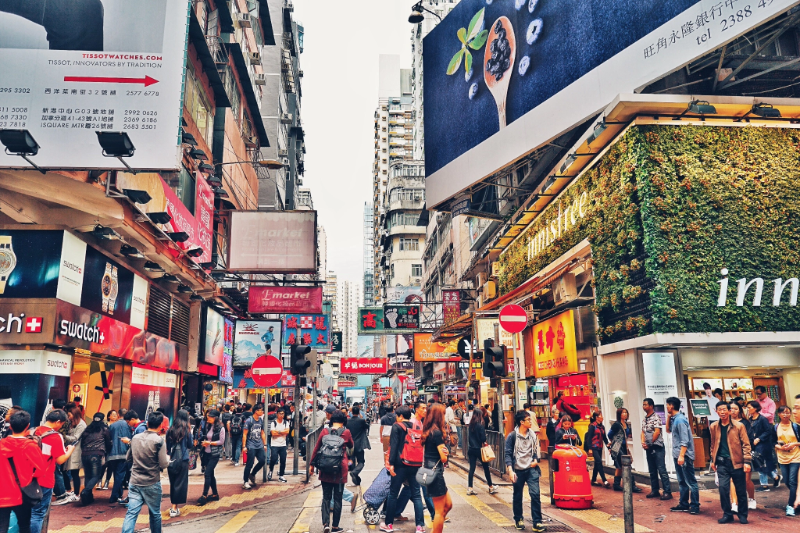
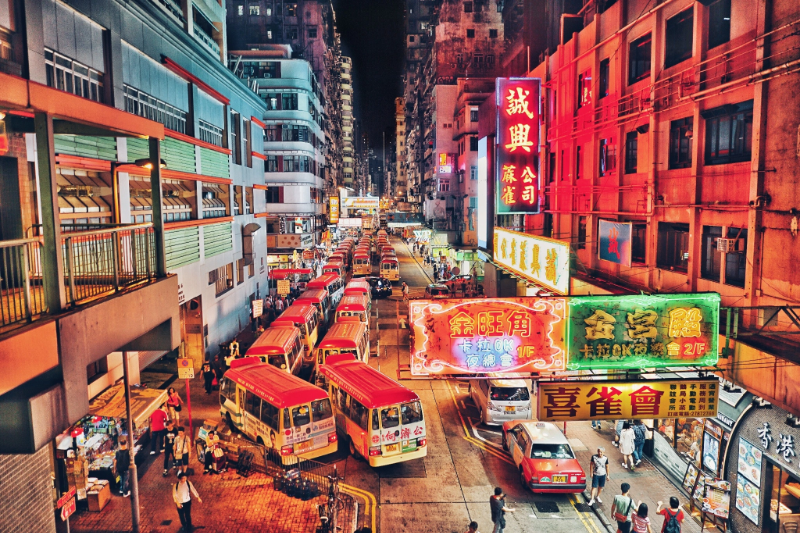
The three districts are not far from each other, and walking is the recommended way to explore, though it does require some stamina. Strolling through the streets feels like stepping into a TVB drama or a Hong Kong film, offering an outlet for nostalgia for Hong Kong.
In addition, if you enjoy shopping and dining, Causeway Bay is also a great choice. It's a favorite shopping paradise and food hub for locals, with places like Lee Gardens, Fashion Walk, Sogo, Times Square, and Jardine's Bazaar offering endless trendy finds to indulge in.
Admission: Free
Transportation: Accessible via the MTR Yau Ma Tei, Tsim Sha Tsui, and Mong Kok stations. These stations are within walking distance of each other.
The Peak
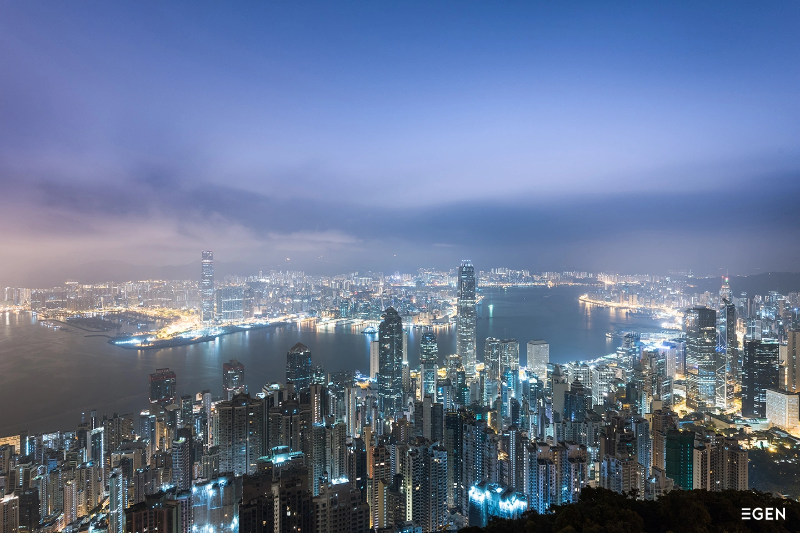
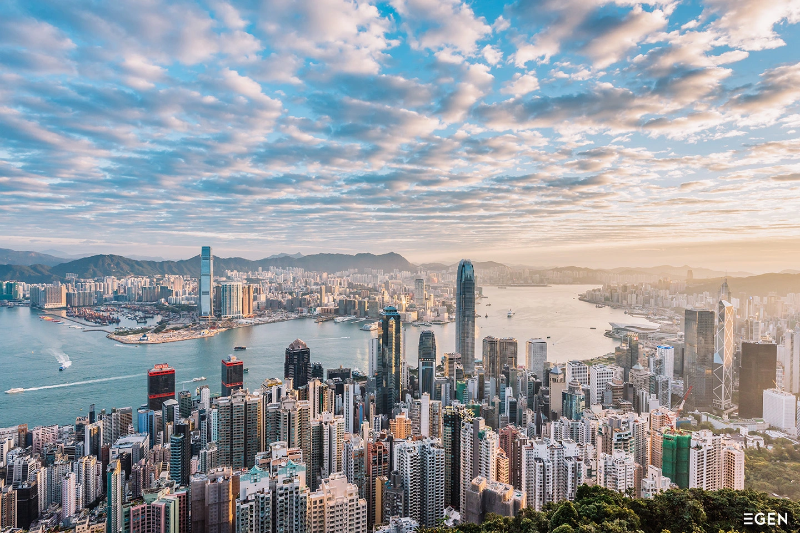
The thrilling and unique tram ride up Victoria Peak, the mesmerizing and majestic night view of Victoria Harbour, the incredibly lifelike Madame Tussauds Wax Museum (located in The Peak Tower), and the Peak Tower itself—home to a plethora of gourmet eateries—are the four must-visit highlights of a trip to Victoria Peak. Standing at 554 meters above sea level, Victoria Peak is the highest point on Hong Kong Island and offers the best vantage point for panoramic views of Victoria Harbour, making it the top attraction in Hong Kong. Whether you're a romantic or not, a visit to Victoria Peak to admire the nightscape is an absolute must. As you ascend the mountain in the tram, tilted at a 30-degree angle, the sensation is nothing short of flying.
In addition to the Sky Terrace at The Peak Tower, you can also visit Lugard Road on Victoria Peak to enjoy a bird's-eye view of Hong Kong's cityscape. This spot is free, less crowded, and offers a peaceful setting for photography and admiring the beauty of the city.
Madame Tussauds Hong Kong
Opening Hours: 11:00 AM – 8:00 PM (Last admission at 7:30 PM)
Admission Fees: Adults HKD 400, combo tickets offer greater discounts, along with group discounts. Special promotions are currently available—check the official website for details.
Peak Tram
Operating Hours: 7:00 AM to 10:00 PM, with departures approximately every 15 to 20 minutes
Fare: Round trip costs HKD 88, and a one-way ticket is HKD 62. Discounts are currently available; check the official website for details.
The Peak Tower Sky Terrace 428
Opening Hours: 10:00–21:00 (Monday to Friday); 8:00–21:00 (Saturday, Sunday & Public Holidays)
Admission Fee: HK$75, Peak Tram + Sky Terrace 428 Combo Round Trip HK$148, One Way HK$82. Discounts available recently, check the official website for details. Address: 33 Garden Road, Central, Hong Kong
Central
When it comes to Central, the first things that might come to mind are New York's Fifth Avenue and Beijing's Wangfujing. Here, you'll find the affluent Mid-Levels, the vibrant nightlife of Lan Kwai Fong, and the Mid-Levels Escalator featured in the film Chungking Express—but this is by no means all it has to offer.
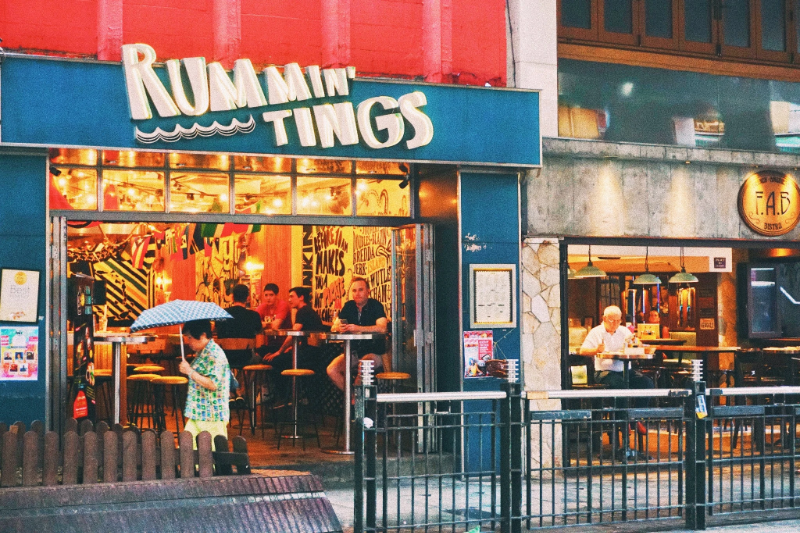
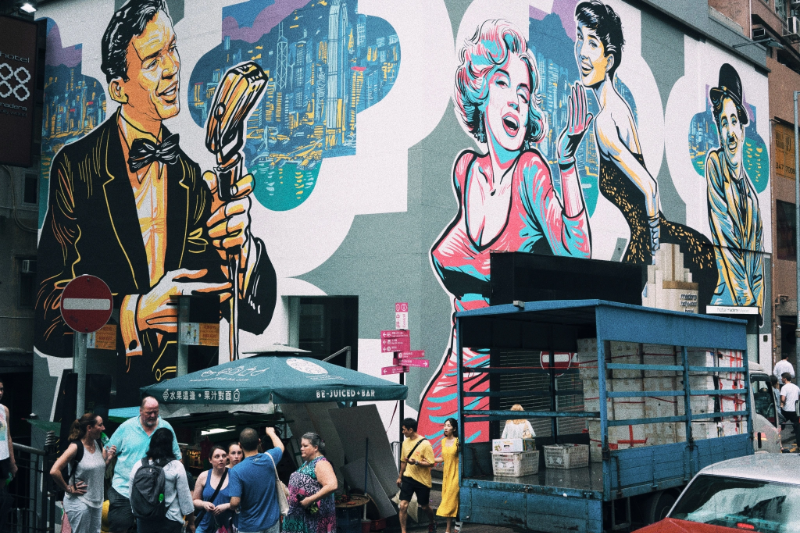
Amidst the gaps of these towering skyscrapers lies a more authentic Hong Kong. This is the old city most frequently featured in films—from its beginnings as a trading port in the 19th century to its return to China in the 20th, where Western culture and Eastern traditions have clashed and blended. Historic sites, art galleries, trendy shops, restaurants, and bars fill its streets and alleys. Wandering and eating in the old-style street markets, though seemingly crowded and dated, offers a deeper glimpse into Hong Kongers' diversity, inclusiveness, adaptability, and warm humanity.
Additionally, in recent years, there have been several conservation and revitalization projects for historical buildings here, breathing new life into these weathered post-Victorian architectural complexes. For example, Tai Kwun, once the site of the Central Police Station, now restores Hong Kong's history under British rule and has been transformed into one of the gateways to understanding the city's cultural life. Nearby, PMQ (Police Married Quarters), repurposed from former police dormitories, has become a creative landmark in the bustling urban area. Both locations regularly host various cultural and creative events, along with charming little shops—worth a visit if you have time to spare.
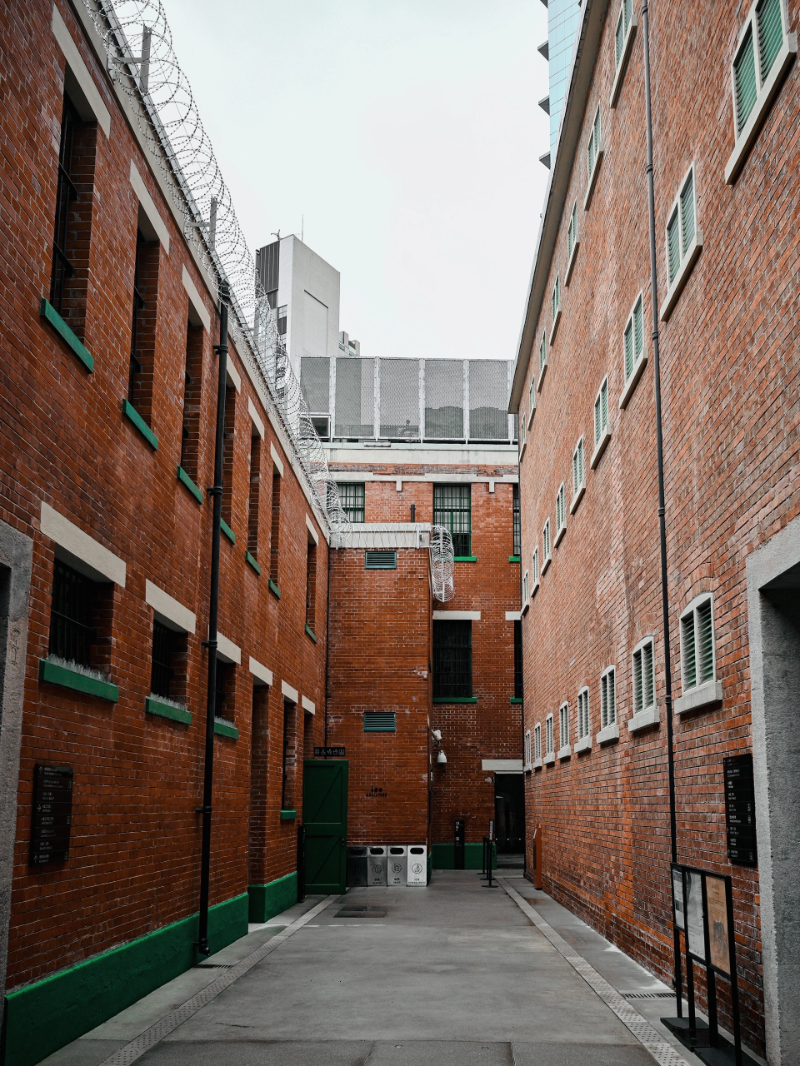
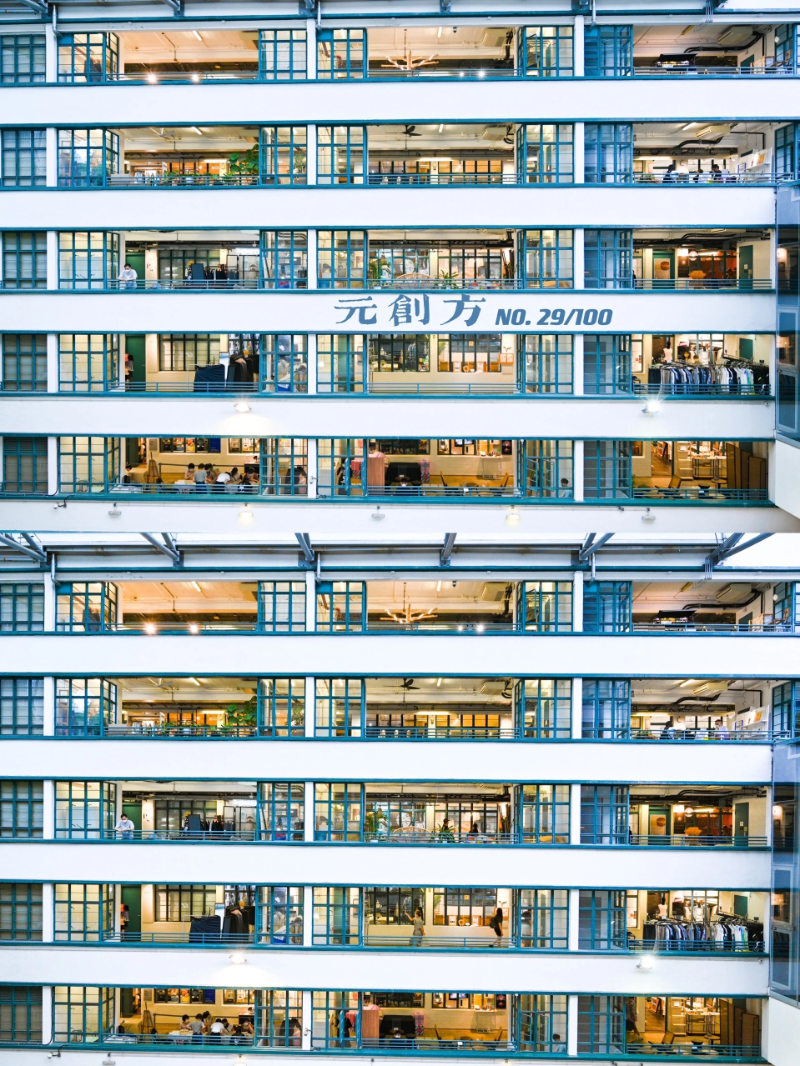
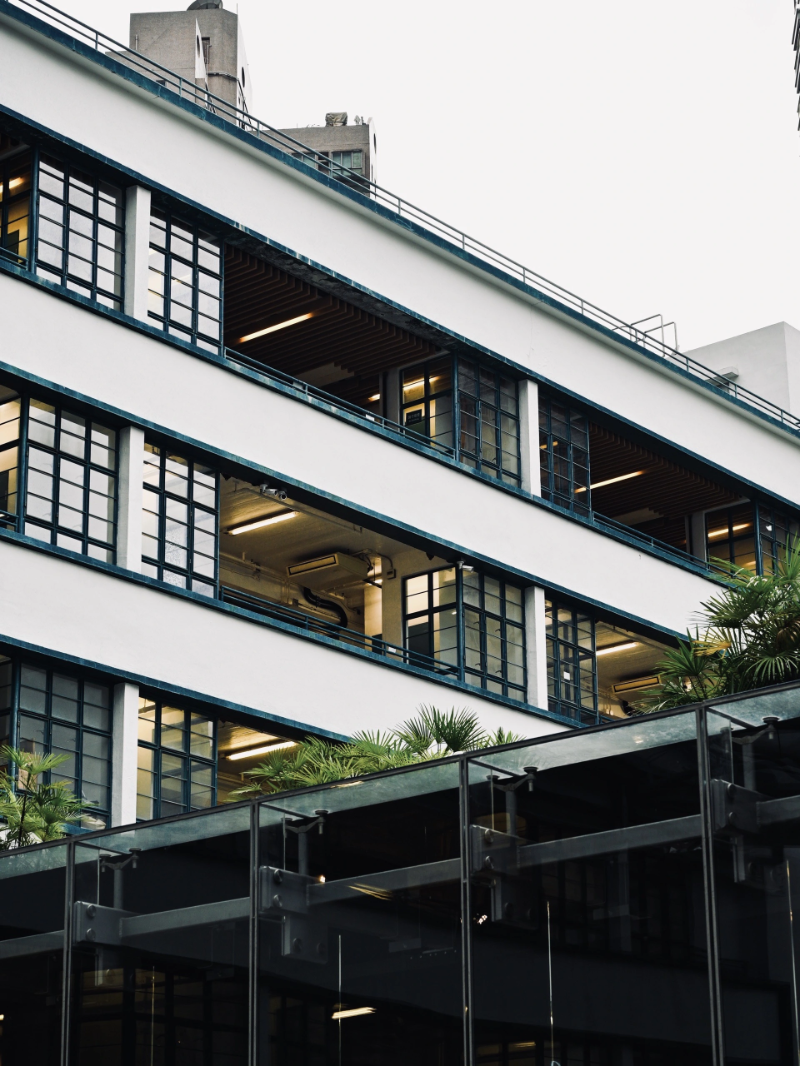
However, to fully experience the city's distinctive local scenery, mouthwatering cuisine, and unique historical culture, the best way is to hop on a tram and leisurely embark on a journey of discovery. With six routes available, the section from Central to Sheung Wan or Kennedy Town is actually more suitable for travelers, as the destinations along the way offer plenty of attractions to explore.
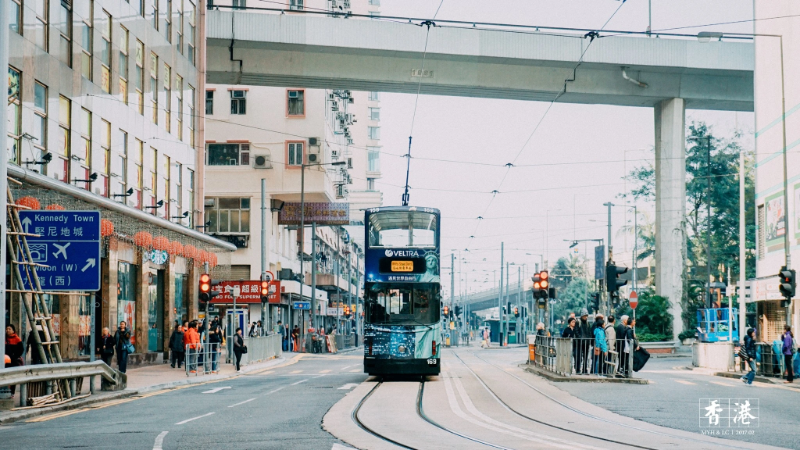
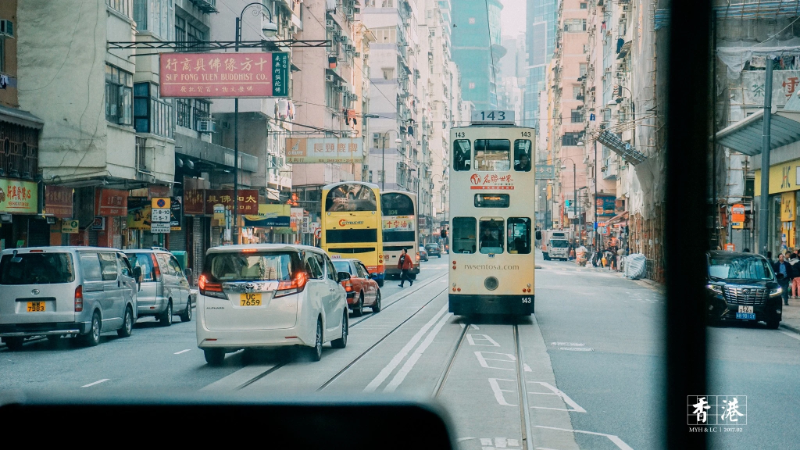
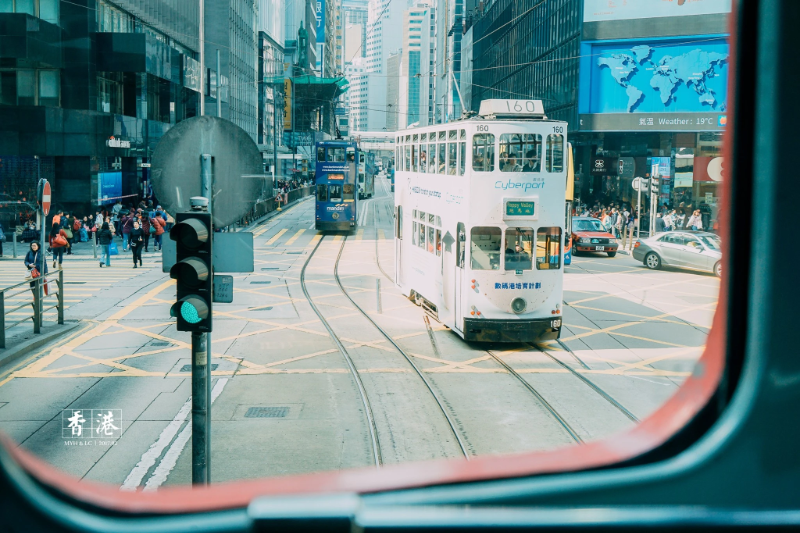
The tram does not give change, so prepare exact fare in advance. There are mainly two types: the regular one where you can board directly for HK$3, and a special retro sightseeing tour version that requires advance booking on the tram's official website, priced at HK$95 for adults, with the entire journey lasting about one hour.
Mid-Levels Escalator
Operating Hours: Downward direction 6:00 AM–10:00 AM, Upward direction 10:30 AM–midnight
Lan Kwai Fong
How to get there: From Central Station Exit D1, turn right onto Pedder Street and walk straight. Turn right onto Queen’s Road Central, then left onto D’Aguilar Street and continue straight. The total walking time is about 10 minutes.
Tai Kwun
Address: 10 Hollywood Road, Central, Hong Kong
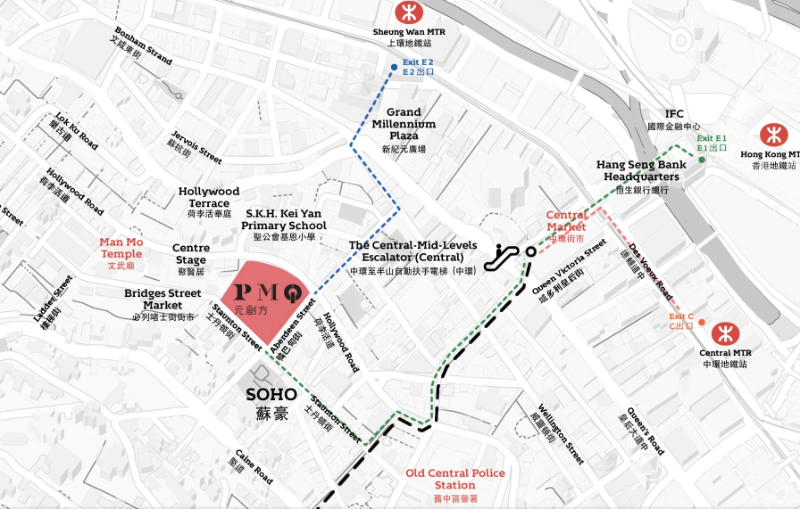
Transportation: Exit D1 at Central Station (Wheelock House) or Exit E at Hong Kong Station (One IFC), then take the Mid-Levels Escalator directly to Tai Kwun.
PMQ
Address: 35 Aberdeen Street, Central, Hong Kong
Transportation: Take the Mid-Levels Escalator from Central MTR Exit C or Hong Kong Station Exit E1, or walk 5–10 minutes from Sheung Wan MTR Station Exit E2.
Island scenery
Beyond the common labels of "shopping," "theme parks," and "culture," Hong Kong also has its tranquil moments. Far from the bustling neon-lit streets, there are outlying islands brimming with local charm and everyday life.
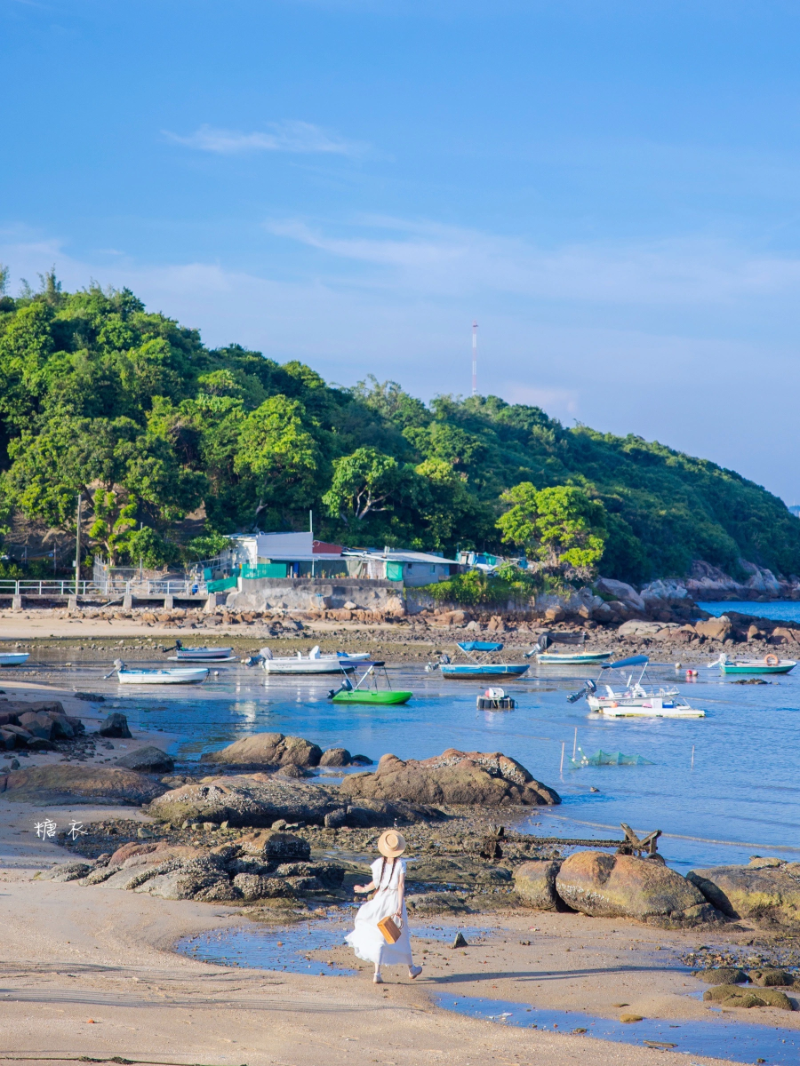
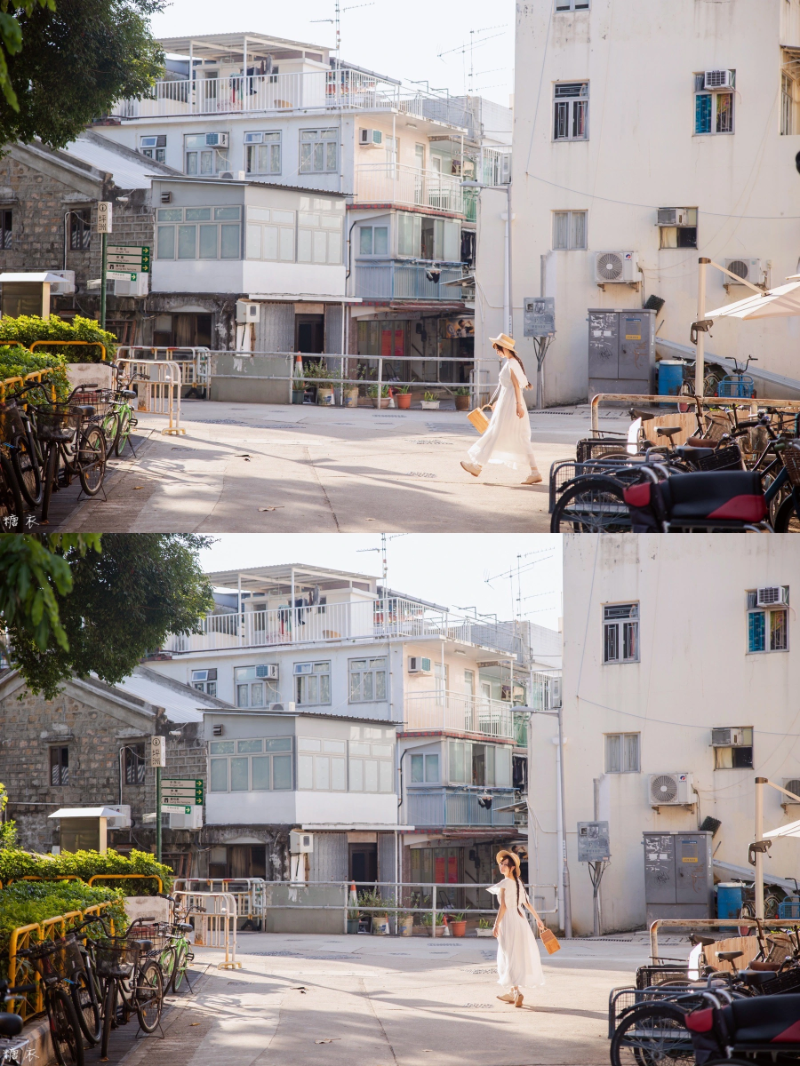
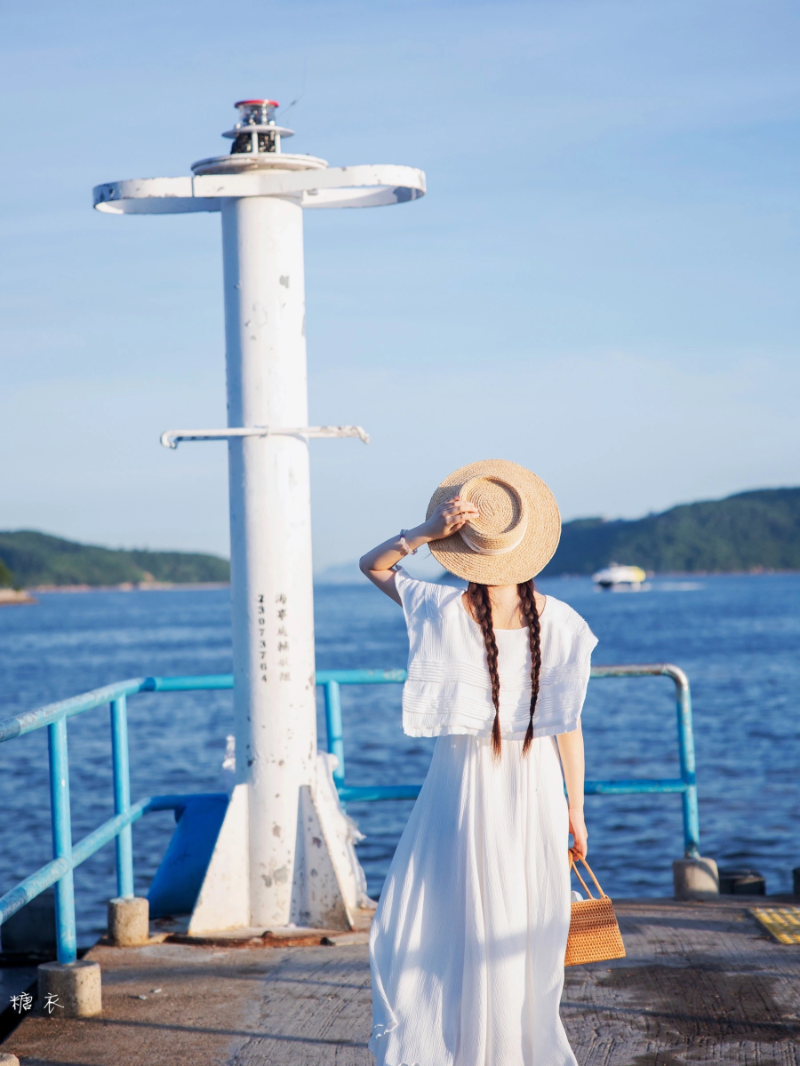
The term "outlying islands" we commonly use does not refer to a specific island but rather serves as a collective name for some islands in the Hong Kong region. Among them, Lantau Island (Tai O), Lamma Island, Cheung Chau Island, Peng Chau, Stanley, and Sai Kung are popular choices for visitors. Beyond the classic urban attractions, more travelers now set aside at least one day to explore an outlying island, experiencing a side of Hong Kong that goes beyond stereotypes.
Lantau Island | Experiencing the Interweaving of Time
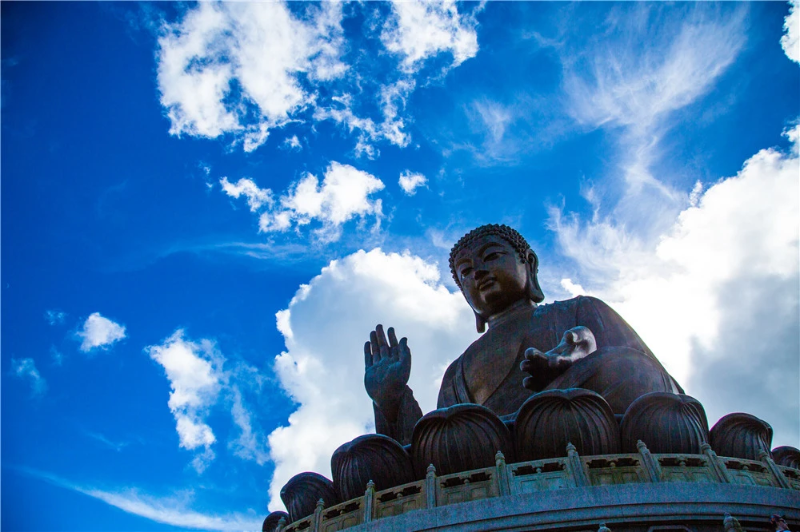
Lantau Island can be said to be the largest outlying island in Hong Kong. If you're looking for a fun and diverse experience, this is definitely the top choice. Generally, you’ll need to set aside a full day to explore Lantau Island, and the itinerary is quite straightforward. Typically, you’ll take the Ngong Ping 360 cable car, enjoying panoramic views of the island along the way. After disembarking, you can stroll around Ngong Ping Village, then head to the Tian Tan Buddha—the world’s largest outdoor seated bronze Buddha statue, also known as the "Buddhist Kingdom of the South." Nearby, you’ll find the renowned Buddhist sanctuary Po Lin Monastery, and the Wisdom Path, which is also worth a visit.
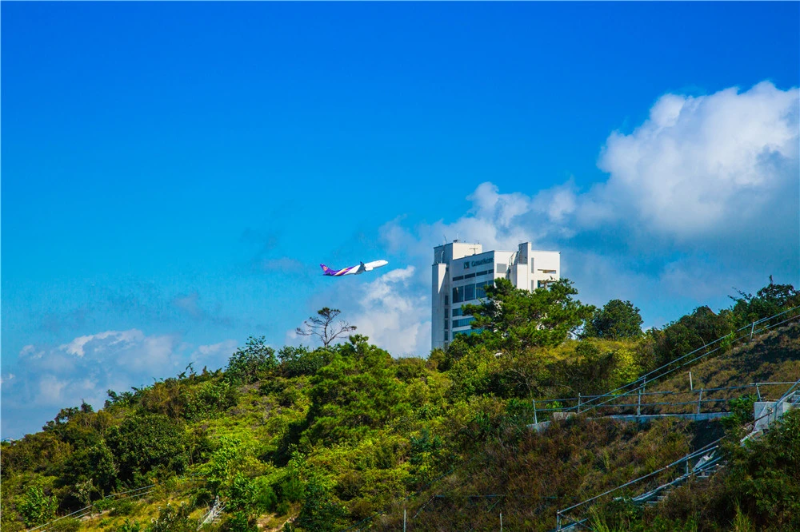
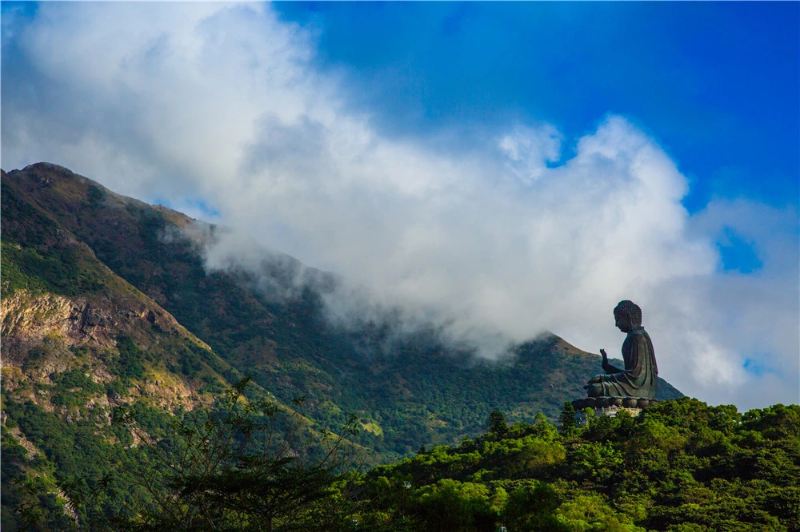
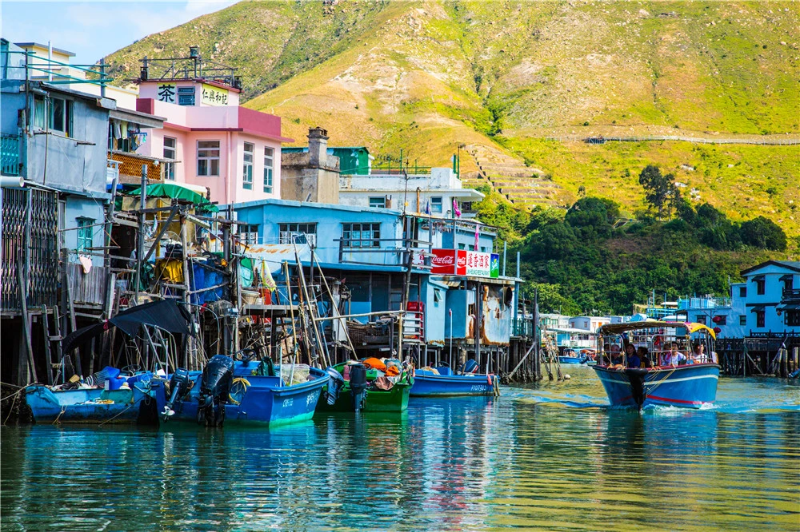
If time permits, you can also visit Tai O Fishing Village, known as the "Venice of Hong Kong." As the earliest developed fishing village on Lantau Island, the settlement is built along the water, with rows of stilt houses—unique dwellings of the local fishermen—lining the waterways, offering a distinctive charm.
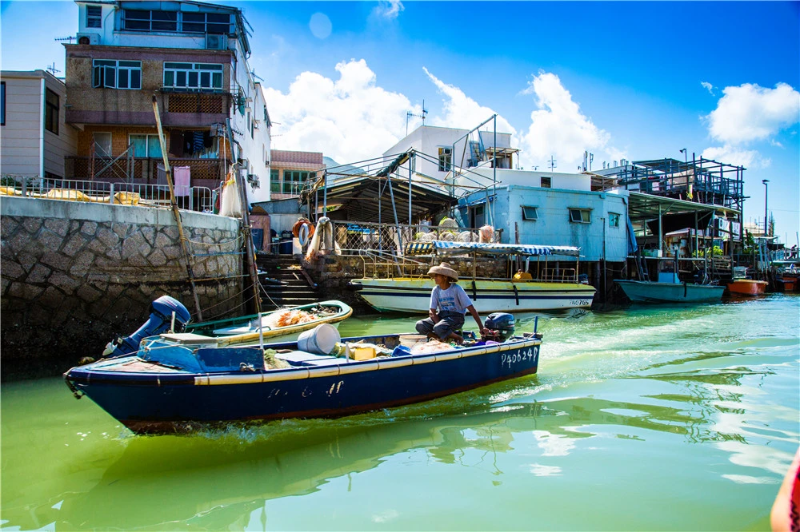
Tai O's shrimp paste is quite famous, so you can buy some as souvenirs. As for seafood, it goes without saying—most of Tai O's local residents still make a living by fishing, so there’s no shortage of fresh catches, along with plenty of dried seafood options. Additionally, Tai O’s mountain-water tofu pudding often appears in TVB dramas, and many local eateries sell it. Don’t forget to give it a try when you visit Tai O.
Ngong Ping Cable Car
Transportation: Take the Tung Chung Line MTR to Exit B of Tung Chung Station, then walk about 5 minutes to the cable car station; or take Lantau Bus No. 23 from the Ngong Ping Bus Terminal—both routes end at Ngong Ping Village. Additionally, right next to Tung Chung Station is the must-visit outlet mall Citygate Outlets.
Cable Car Fare: Standard cabin tickets cost HKD 160 for a one-way trip and HKD 235 for a round trip.
Heart Sutra Wooden Plaques
Take the MTR Tung Chung Line and alight at Exit B of Tung Chung Station. From the Tung Chung Bus Terminus, take Bus No. 23 directly to the destination.
Tai O Fishing Village: After arriving at Ngong Ping, walk to the bus terminal next to Ngong Ping Village and take Lantau Bus No. 21 to Tai O. The journey takes about 20 minutes. The fare is HKD 6.6 on weekdays and HKD 14 on weekends/public holidays. However, if you prefer to go directly to Tai O, here are two alternative options:
Tung Chung Station Bus Terminal ⇋ Tai O: Metro + Bus. Take the Tung Chung Line MTR to Exit B of Tung Chung Station, then board New Lantau Bus No. 11 to reach Tai O Bus Terminal. The trip from Tung Chung to Tai O takes approximately 52 minutes, with fares of HKD 11.8 on weekdays and HKD 19.2 on weekends/public holidays.
Tuen Mun Ferry Pier or Tung Chung ⇋ Tai O: Ferry. If departing from the New Territories, you can take a ferry, with the full journey taking about 1 hour. The trip from the intermediate stop (Tung Chung New Development Pier) to Tai O takes only 33 minutes. However, ferry schedules are limited, with departures every 1–2 hours, so be sure to check the timetable in advance. Full-journey fares are HKD 21.6 for ordinary ferries and HKD 27 for fast ferries from Monday to Saturday, while on Sundays and public holidays, fares are HKD 27 for ordinary ferries and HKD 32.5 for fast ferries.
Cheung Chau Island | McDull’s "Maldives"
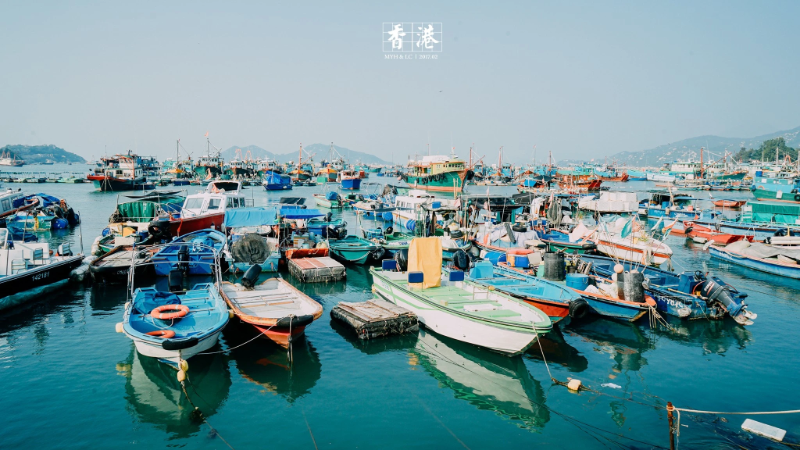
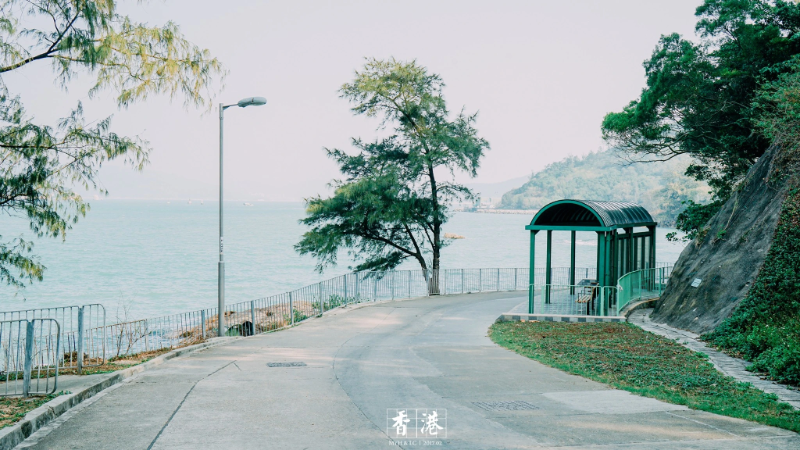
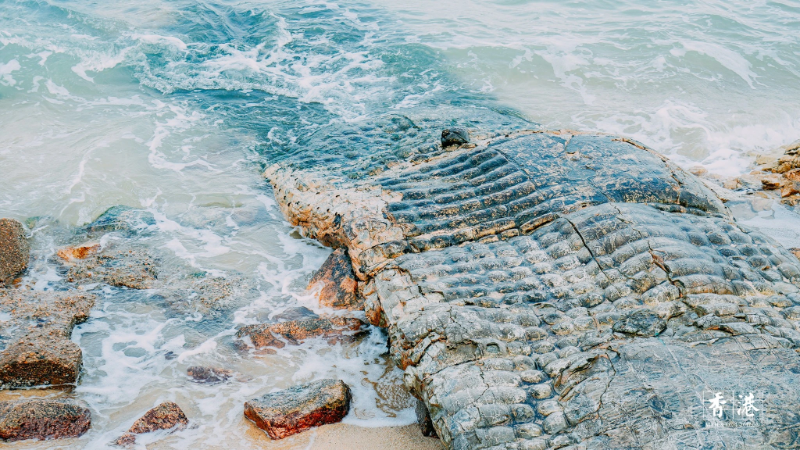
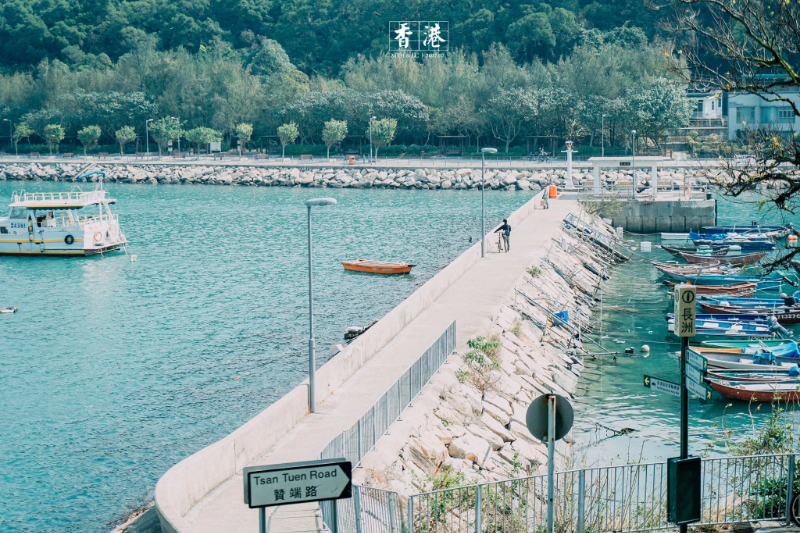
Cheung Chau boasts bun mountains, fish balls, and coconut groves with crystal-clear waters and fine sandy beaches. To McDull, Cheung Chau is his Maldives. It is perhaps one of the few places in Hong Kong that retains the charm of an old fishing village while exuding a laid-back vibe. The streets remain quaintly weathered, carrying a nostalgic sense of time.
On weekends, Cheung Chau becomes especially lively, and it’s also a great spot for swimming and water activities. In summer, many visitors flock here for vacation, mainly gathering at Tung Wan and Kwun Yam Wan beaches. Kwun Yam Wan, in particular, is an ideal location for windsurfing and was the training ground for Hong Kong’s first Olympic windsurfing gold medalist, Lee Lai-shan.
Among Hong Kong's outlying islands, Cheung Chau stands out as the undisputed prince of arts and culture. Here, bustling markets meet ancient villages; you can savor the famous "Cheung Chau jumbo fish balls" and experience vibrant traditions like the Bun Scrambling Festival and dragon boat races. The island also boasts towering cliffs, swaying trees, lush green hills, rugged reefs, and wildflowers whose names you might not even know. If you only have one day in Hong Kong to explore the outlying islands, Cheung Chau is undoubtedly the top choice.
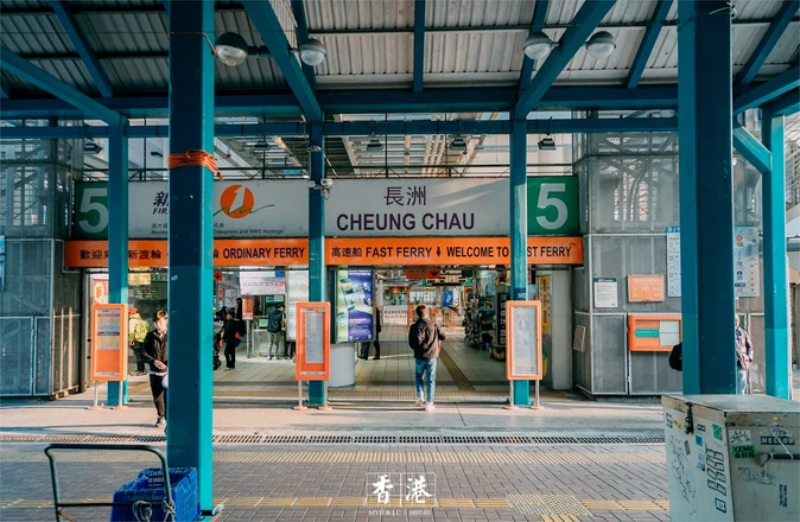
Getting There: From Central Pier No. 5 (accessible via MTR Hong Kong Station Exit E1, through the IFC Mall), take a ferry directly to Cheung Chau. The journey takes approximately 30 to 55 minutes, with both ordinary and fast ferry options available.
Lamma Island | A Weekend Getaway
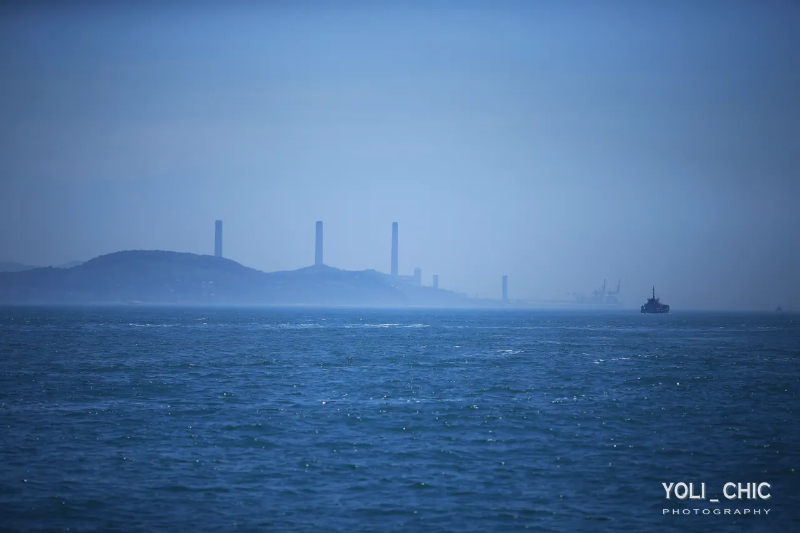
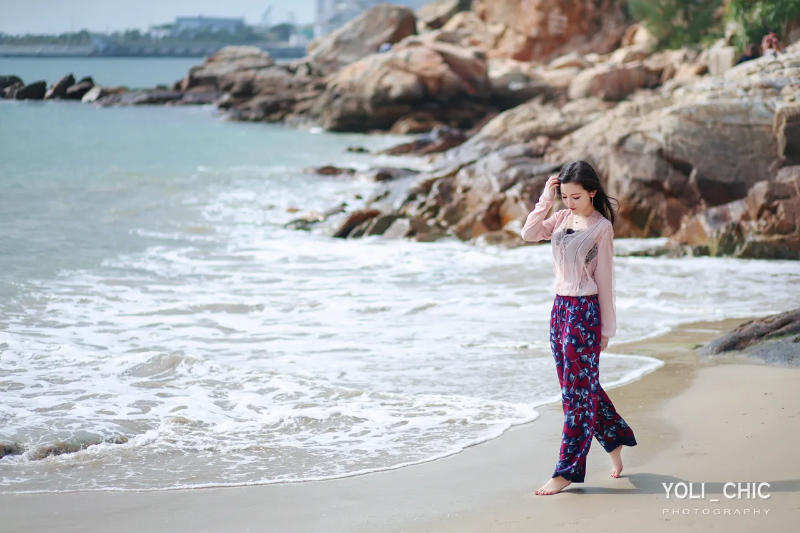
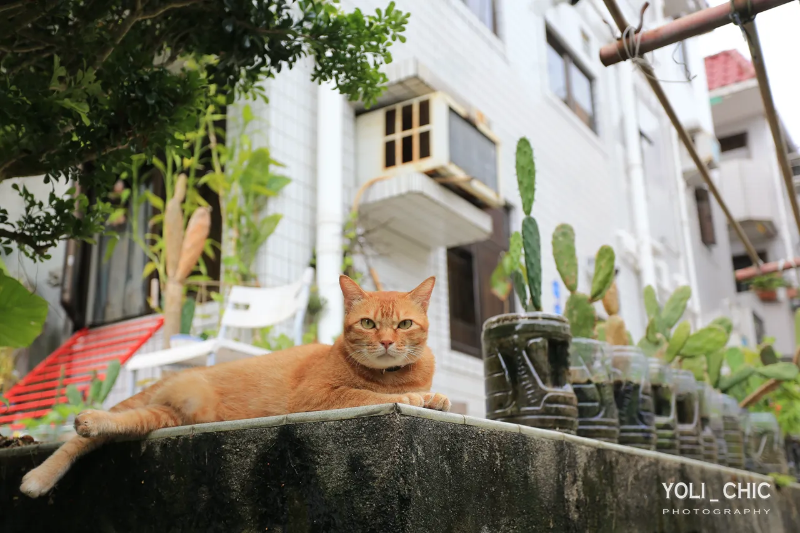
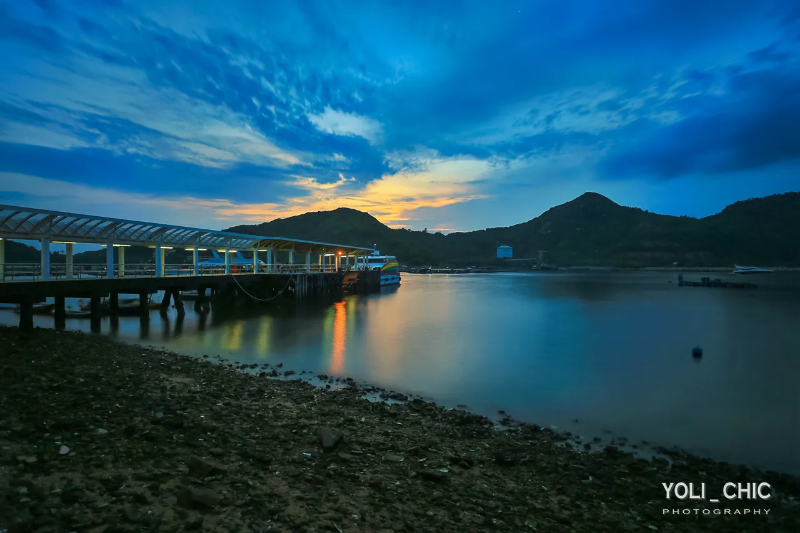
Lamma Island and Cheung Chau Island face each other across the sea. Due to its proximity to the urban area, Lamma Island has become a popular weekend getaway. At Sok Kwu Wan, you can immerse yourself in the old Hong Kong fishing village culture brimming with Eastern charm. A walk along the Family Trail takes you to Yung Shue Wan, where a leisurely and romantic Western ambiance awaits—don’t miss the ancient Tin Hau Temple there. The island’s strong artistic vibe, fresh air, stunning coastal scenery, and delicious seafood attract numerous visitors for hiking and day trips.
Getting There: Lamma Island has two piers—Yung Shue Wan and Sok Kwu Wan—located on opposite sides of the island. You can arrive at either pier and depart from the other. Ferries depart from Central Pier No. 4, and Octopus cards are accepted for payment.
Central ⇋ Yung Shue Wan:
Monday to Saturday: HKD 18.60
Sunday and public holidays: HKD 25.90
Central ⇋ Sok Kwu Wan:
Monday to Saturday: HKD 23.10
Sunday and public holidays: HKD 32.50
Stanley and Repulse Bay | Old-World European Charm
Stanley, a place that lingers in the memories of many who visit, is cherished for its leisurely charm, European flair, beaches, swimming spots, international cuisine, and some local historic buildings. Nostalgia permeates every corner here. The Stanley Market and the iconic Murray House are must-sees. The market, with its array of small shops and stalls, is a treasure trove for bargain hunters, while without Murray House, Stanley might lose a bit of its distinctive character. As one of Hong Kong's last remaining Victorian-era structures, the building exudes an old-world European charm. Inside, you’ll find an assortment of gourmet delights, and the Maritime Museum is also well worth a visit.
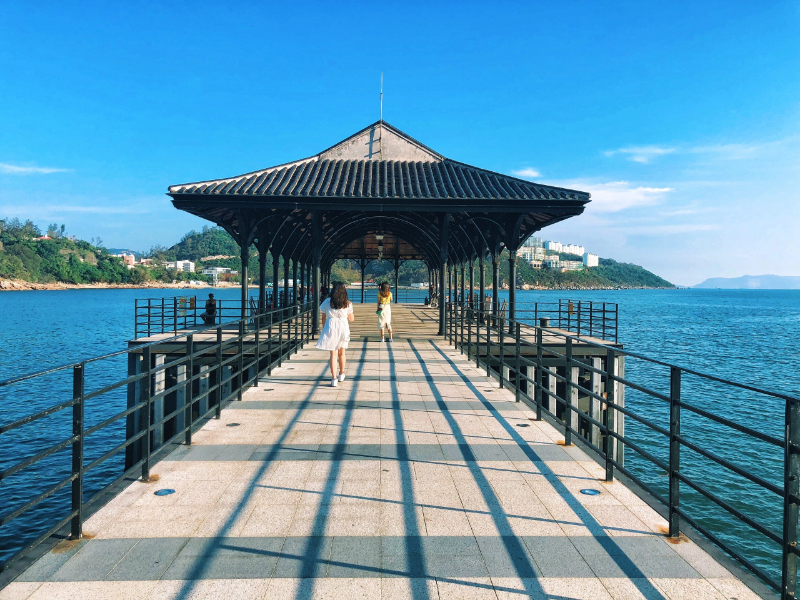
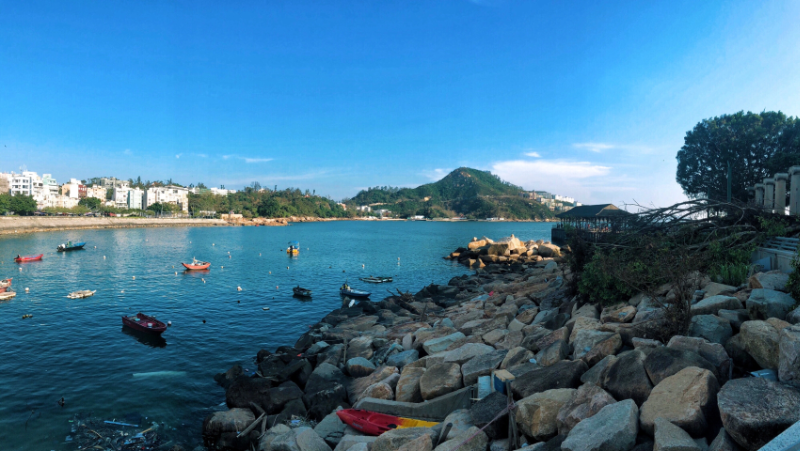
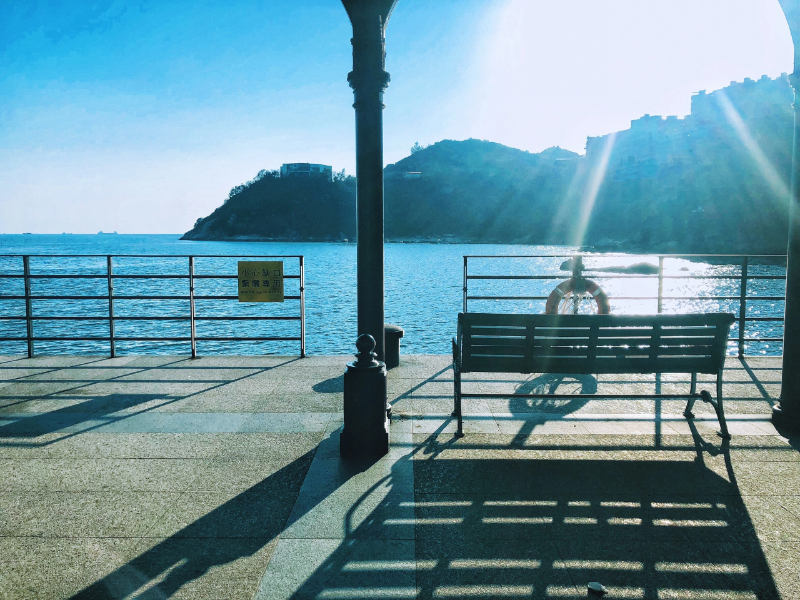
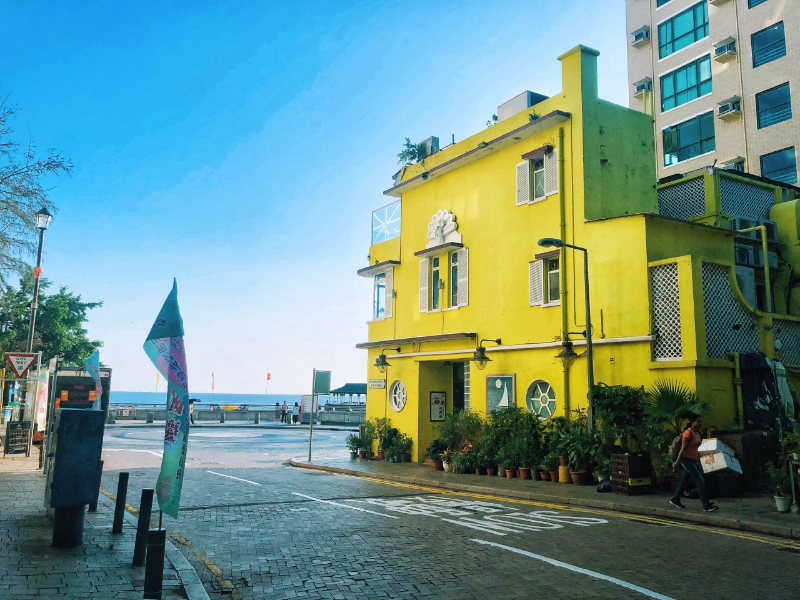
If time permits, you can also include Repulse Bay in the same day’s itinerary. With its long stretch of beach, wide shoreline, fine soft sand, and mirror-like sea surface, Repulse Bay is one of Hong Kong’s most beautiful beaches. TVB often films here, and most importantly, it boasts exceptional feng shui, which is why virtually every top-tier Hong Kong tycoon owns property here. The Tin Hau Temple and the Goddess of Mercy statues at the entrance of the Lifeguard Club, as well as The Repulse Bay—a dining and shopping hub converted from the legendary Repulse Bay Hotel (the setting for Eileen Chang’s classic Love in a Fallen City)—still retain strong colonial-era charm.
Key Attractions: Stanley Plaza (mall open 8:00–23:00), Murray House (a historic Victorian-style building), Blake Pier, Stanley Main Street and Promenade, Stanley Market, Stanley’s Eight Houses, Stanley Post Office, etc.
Transportation:
- From MTR Hong Kong Station Exit D, walk to Central Exchange Square Bus Terminus and take Bus No. 6, 6A, 6X, 66, or 260; alight at Stanley Plaza or Stanley Village.
- From MTR Causeway Bay Station Exit F1, walk to Jardine’s Bazaar and take Green Minibus No. 40; alight at Stanley Market.
- From the New Town Centre outside Canton Road in Tsim Sha Tsui, take Bus No. 973 and alight at Stanley Plaza.
To Repulse Bay and Stanley, it's the same route. Whether you take a bus or a minibus to Repulse Bay, you'll need to get off at an intermediate stop, while Stanley is the terminal station. Stops are usually not announced on board, so it's advisable to stay alert and ask if necessary. If you're prone to motion sickness, it's recommended to take the green minibus, which typically takes about 25 minutes. The bus ride takes around 40 minutes and involves winding mountain roads, which may increase the likelihood of motion sickness.
Saigon | The Charm of a Bygone Fishing Village
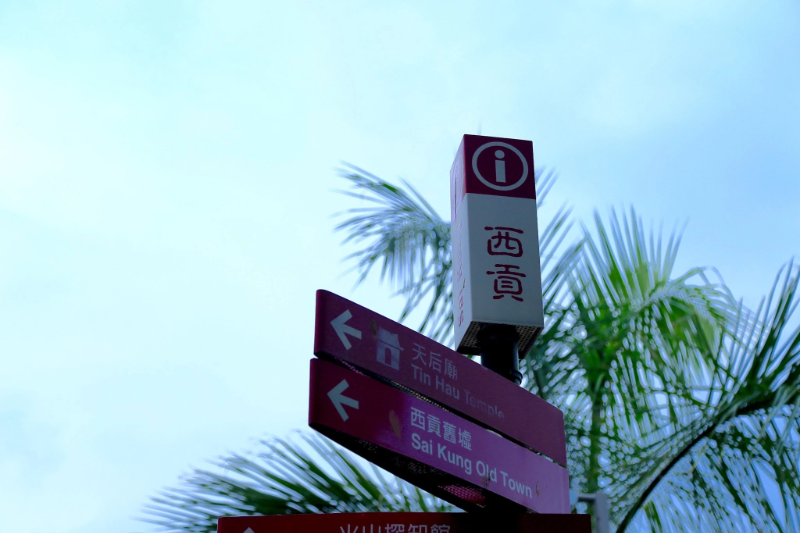
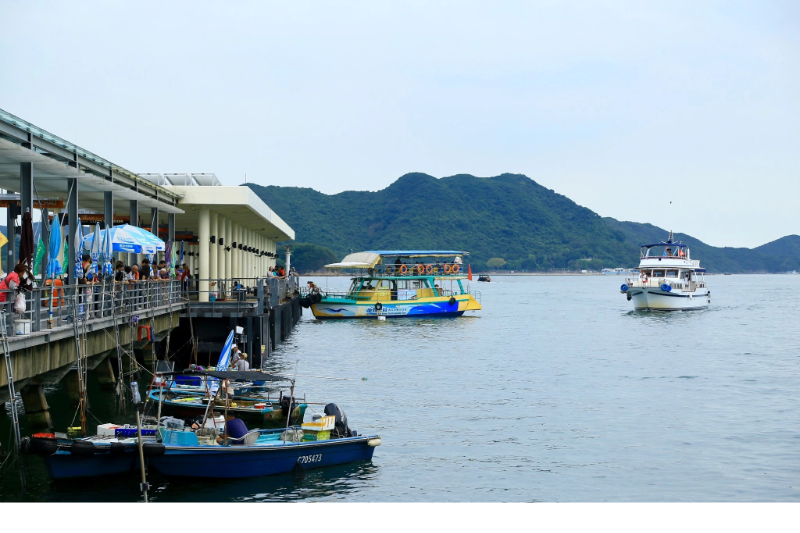
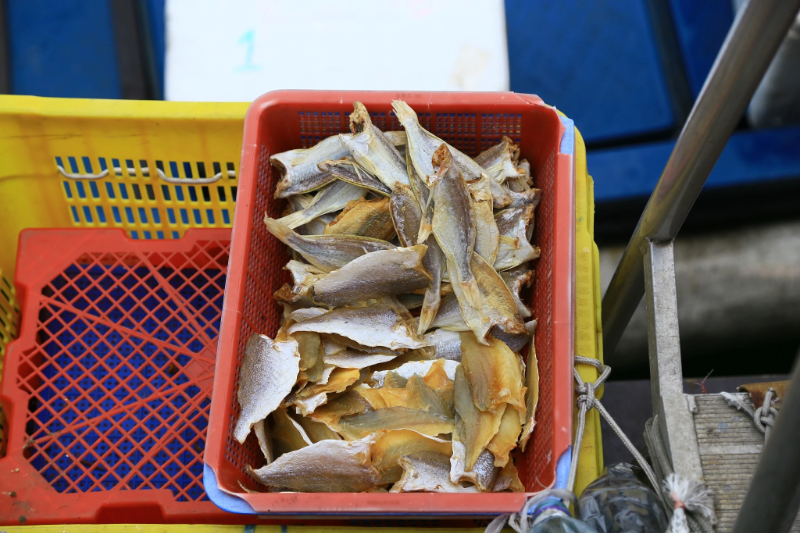
Entering Sai Kung, you'll immediately sense a world apart from the city center—low-rise houses, narrow alleys, an old-world charm, sparse crowds, fishing boats and private yachts bobbing on the water, all exuding a pleasant tranquility and relaxation. Just a short drive of a few dozen minutes feels like traveling through a time tunnel to Hong Kong decades ago. The most enchanting spot in this town is Yi Chun Street behind the Tin Hau Temple, which still preserves the nostalgic ambiance of an old settlement. But what Sai Kung is most famous for is being the locals' favorite seafood haven.
Getting There: Sai Kung is located to the upper right of Hong Kong and is not accessible by MTR. Generally, transfers are required, and there are several options. The most common methods involve taking the MTR to Choi Hung Station or Diamond Hill Station, then transferring to a minibus or bus.
Choi Hung Station (Exit C2) ⇋ Sai Kung: Take minibus 1A (green) to the Sai Kung Town Center terminus. Alternatively, you can take bus 92.
Diamond Hill Station ⇋ Sai Kung: Take bus 92 or 96R (operates only on holidays) to the Sai Kung Town Center terminus. The journey takes approximately 30 minutes.