How do you get around after arriving in Hong Kong? How do you travel between attractions efficiently? This guide covers the essentials—from arrival to departure—across air, sea, and land transport.
Airport to/from the City Center

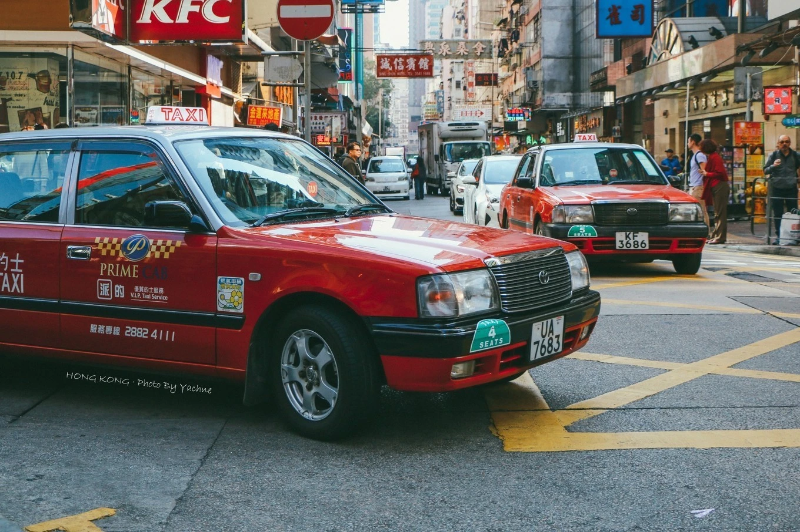
Hong Kong International Airport has a well-developed transport network. For airport–city travel, the main options are the Airport Express, buses, and taxis. The Airport Express is the fastest and most direct. Buses are cheaper and cover more neighborhoods. Taxis offer flexible point-to-point travel at a higher cost.
Airport Express
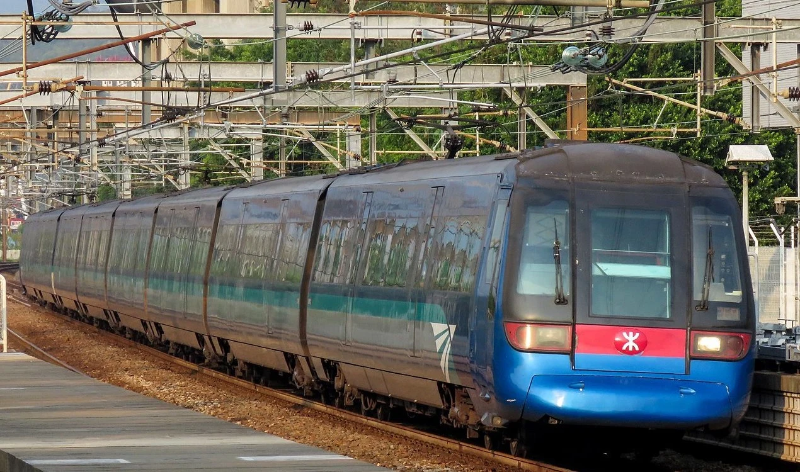
The Airport Express is the fastest airport–city option, with the full journey taking about 24 minutes. Trains run every 15–30 minutes and stop at Tsing Yi, Kowloon, Hong Kong, and AsiaWorld-Expo. From Tsing Yi, you can transfer toward Disneyland; Kowloon Station is convenient for Mong Kok and Tsim Sha Tsui; and Hong Kong Station is right by Central. One-way fares vary by distance.
The urban check-in services at Kowloon Station and Hong Kong Station have been suspended.
How to buy tickets
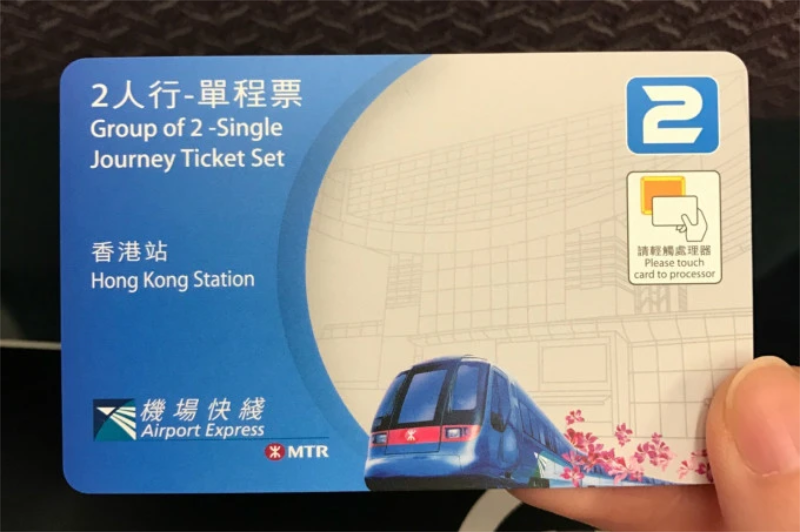
There are four common ways to pay for the Airport Express: Octopus Card, Standard Ticket, Group Discount Ticket, and the Airport Express Travel Pass.
Octopus Card works like a reloadable transit card and can also be used in many shops and convenience stores. It is often slightly cheaper than a standard single ticket and is easy to buy at the airport.
Standard tickets can be one-way or return and are available at the airport ticket office or online. The Airport Express ticket office and platform are easy to find from the arrivals hall. Purchase link: MTR Online Ticketing Service (https://www.paydollar.com/b2c2/AELControlServlet?action=aelshop&catid=10020)
Group Discount Tickets are designed for groups of 2–4 travelers and can be purchased at the airport ticket office.
Airport Express Travel Pass bundles Airport Express rides with a few days of unlimited MTR travel. It can be purchased at the airport ticket office or online. Purchase link: MTR Online Ticketing Service (https://www.paydollar.com/b2c2/AELControlServlet?action=aelshop&catid=10000)
Bus
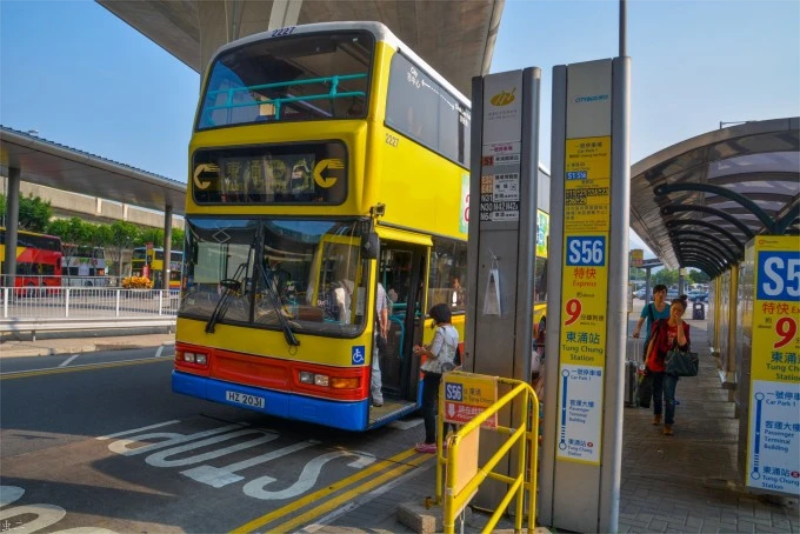
Bus fares are typically cheaper than the Airport Express, but travel time can be longer due to traffic.
You can usually pay by tapping an Octopus card when boarding. Cash is also accepted, but change is not provided on board.
Bus Stop Location Map
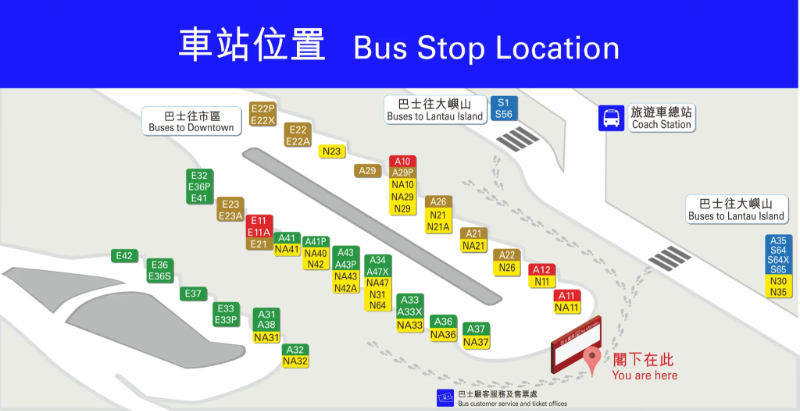
In addition to buses that travel to various locations in the city, there are also direct buses to hotels.
Hotel Shuttle Buses transport passengers between the airport and major hotels in Hong Kong. The service counter is located at Arrivals Level (L5) in Terminal 1, Counter B18 in the Meeting Hall.
Service Hours: 6:00 AM–1:00 AM the next day
Frequency: Every 15 minutes
Destinations: Major hotels in Hong Kong, Kowloon, and the New Territories
For specific fares, please inquire at the counter or ask your hotel front desk.
Taxi
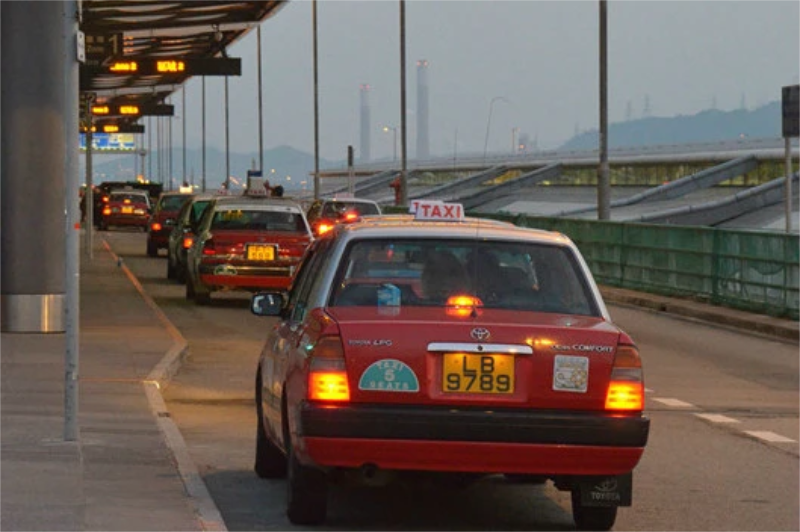
For nearby destinations or door-to-door convenience, taxis can be a good option—though they cost more. Hong Kong taxis come in three colors: red, blue, and green.
Red taxi operate in urban areas (Hong Kong Island, New Territories, and Kowloon), green taxi only run north of Sha Tin and Tsuen Wan, while blue taxi are restricted to Lantau Island and Chek Lap Kok. Visitors heading to urban areas can simply take a red taxi; for other destinations, if unsure about the color, they may inquire at the taxi stand information counter.
The taxi stand is located outside the arrival hall, and passengers can follow the airport's directional signs to find it before queuing for a ride.
Fee Reference
The starting fare for Hong Kong taxis is around HK$24. The pricing methods vary depending on the color of the taxi.
Ride Tips:
-
When taking a taxi via the Lantau Link, whether heading to the urban area or Lantau Island, an additional toll fee of HKD 30 is required. Passengers using toll tunnels will also need to pay extra charges.
-
Hong Kong taxis do not impose restrictions on the number of luggage items. The trunk generally accommodates around 3 pieces of luggage. No extra fee is charged for hand luggage if the total length, width, and height do not exceed 140 cm.
Hong Kong Airport offers convenient transportation, and visitors can plan their itinerary in advance using map apps on their mobile phones. For passengers departing from Hong Kong Airport, it is recommended to set off 3-4 hours early to allow sufficient time for check-in procedures, ensuring a smooth journey.
For more information, please refer to the official website of Hong Kong Airport: https://www.hongkongairport.com/tc/.
Urban transportation
Bus
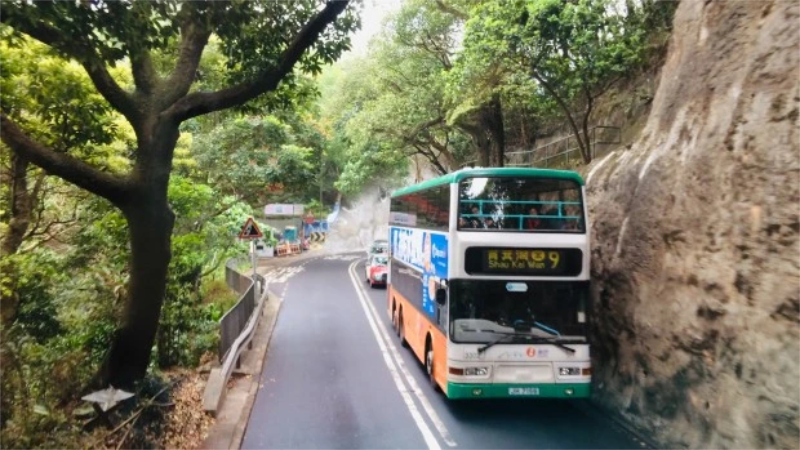
Hong Kong buses operate throughout the city, with some even running overnight. They primarily consist of franchised buses and non-franchised buses. Non-franchised buses only provide customized services for specific passengers, with irregular schedules and frequencies. Franchised buses are mainly operated by Citybus, New World First Bus, Kowloon Motor Bus, Long Win Bus, and New Lantao Bus.
Alipay allows direct application for bus ride codes, covering routes such as cross-boundary buses, some Kowloon Motor Bus services, certain Green Minibus lines, and the Fortune Ferry [Hung Hom - Central] route. You can log in to Alipay and change the city to "Hong Kong, China" to apply.
For routes not accepting Alipay, please prepare exact change as no change is given on board.
For specific routes and fares, please check the official websites:
KMB: https://www.kmb.hk/tc/
Long Win Bus: http://www.lwb.hk/tc/
Citybus & NWFB: http://www.bravobus.com.hk/home/default.aspx?intLangID=2
New Lantao Bus: http://www.nlb.com.hk/
There is also the red minibus, which operates on non-fixed routes and can travel to various districts in Hong Kong. The fares are not fixed either, but the fare and destination are displayed on the windshield.
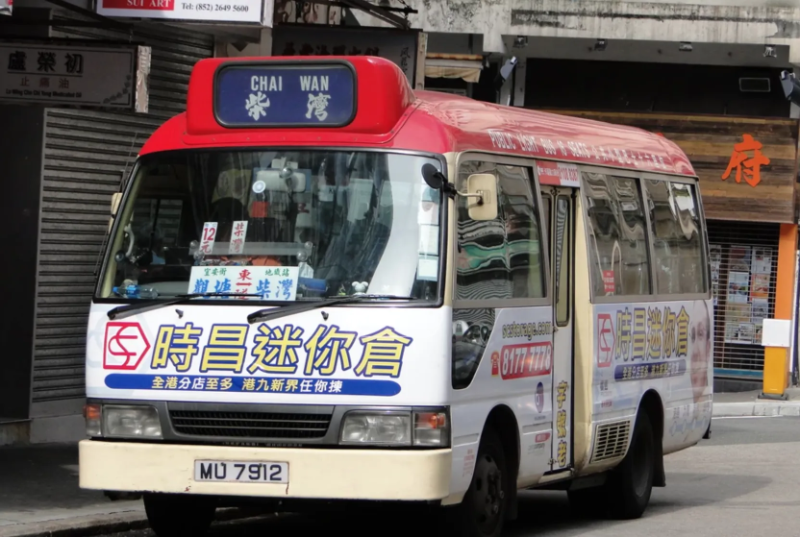
The advantage of minibuses is their flexibility—they can stop to pick up or drop off passengers anywhere except in no-stopping zones marked by yellow lines on the roadside. However, the downside is that drivers usually wait until the vehicle is fully occupied before departing. Red minibuses typically only accept cash, and the driver will provide change if needed, though a small number of red minibuses do accept Octopus card payments for fares.
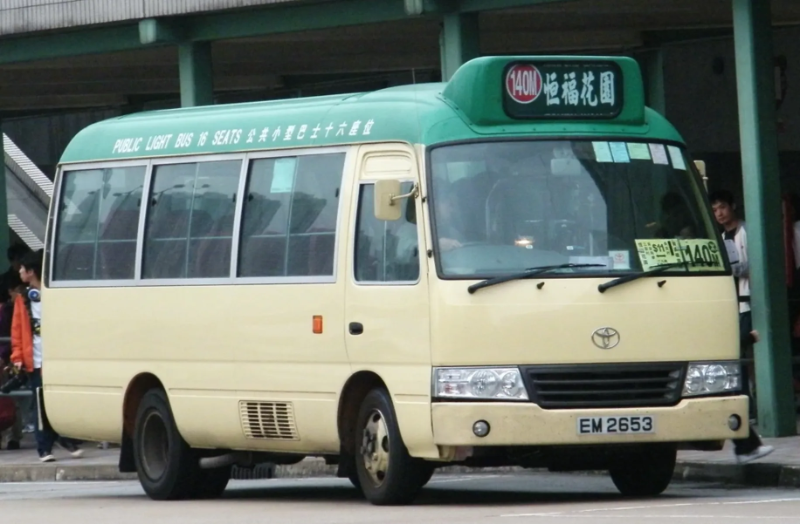
Green minibuses operate on fixed routes.
Taxi
For short-distance trips, taxis are often the best choice. Hong Kong taxis come in different colors: red ones operate on Hong Kong Island and in Kowloon, green ones serve the New Territories, while blue ones run on Lantau Island. All taxis can reach Hong Kong International Airport and Disneyland.
Red taxi (urban taxi)
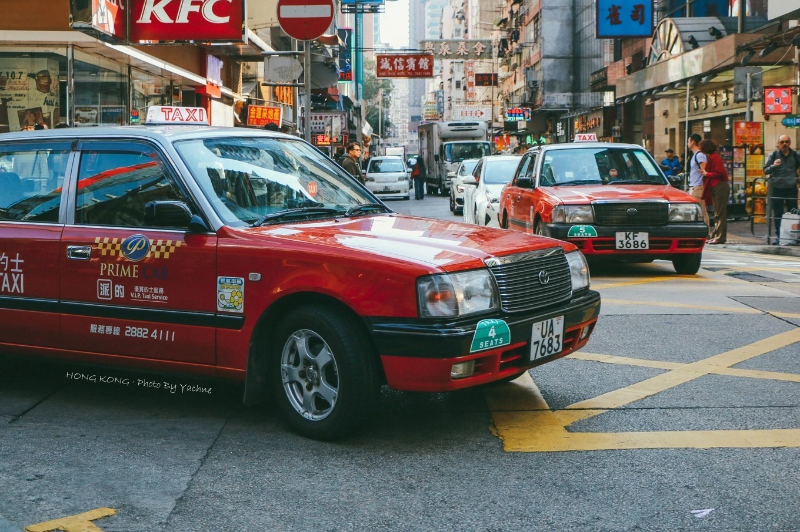
Valid throughout Hong Kong, except for Tung Chung Road and the southern part of Lantau Island. The initial charge is HK$24 for the first 2 kilometers, followed by HK$1.7 for every additional 0.2 kilometers or per minute of waiting time. Additional charges apply as follows: HK$5 for each piece of bulky luggage (excluding hand luggage placed inside the vehicle), HK$5 for each bird or animal, and HK$5 for each advance booking. Wheelchairs and crutches used by passengers with disabilities are exempt from charges.
Green taxi
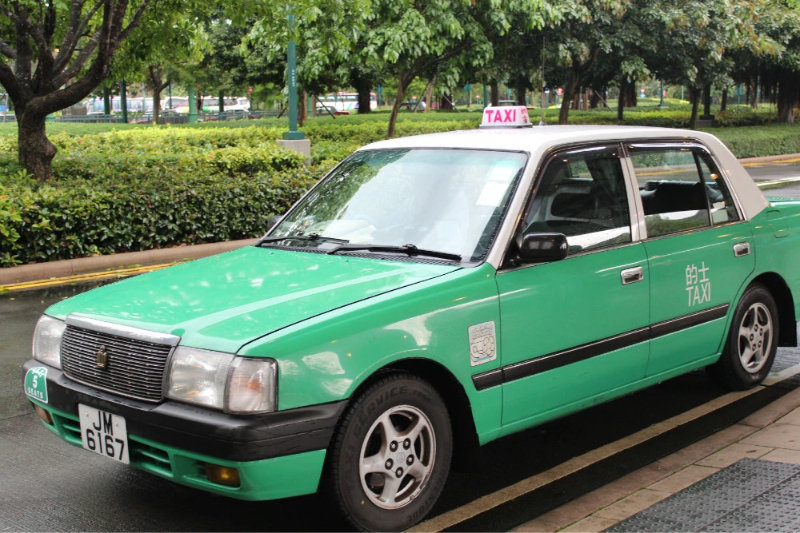
North of Sha Tin and north of Tsuen Wan, the starting fare is HK$20.5 for the first 2 kilometers, with an additional HK$1.5 for each subsequent kilometer and per minute of waiting time. Other charges are the same as for red taxis. Wheelchairs and crutches used by passengers with disabilities for mobility are carried free of charge.
Blue taxi
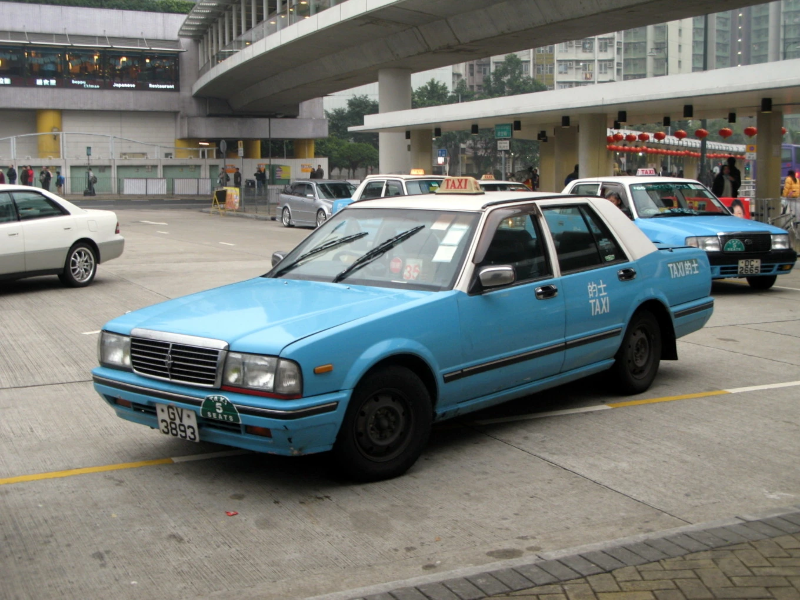
Lantau Island area (excluding Discovery Bay) and Chek Lap Kok. Starting fare for 2 kilometers: HK$19, with an additional HK$1.5 for every subsequent 0.2 kilometers or per minute of waiting time. Other charges are the same as for red taxis. Wheelchairs and crutches used by passengers with disabilities for mobility are carried free of charge.
-
Hail a taxi at designated "taxi stands": Taxi stands are clearly marked at major hotels, shopping malls, MTR/railway exits, and residential estate entrances. Visitors unfamiliar with Hong Kong's taxi stands should avoid randomly waving for cabs. Streets marked with yellow lines are restricted pickup zones (double yellow lines indicate full-time restrictions, single yellow lines indicate part-time restrictions), and passengers should not hail taxis in these areas. It is easier to find taxis at hotel entrances.
-
Additional charges: The starting fare is low, but the meter jumps quickly, increasing by several dollars at a time. Crossing a bridge or tunnel incurs an additional charge of tens of dollars. Drivers usually keep the small change as an automatic tip.
-
In Hong Kong, only wheelchairs and crutches used by passengers with disabilities are exempt from fees. All luggage placed in the trunk is charged per piece. Therefore, carry small bags with you.
subway
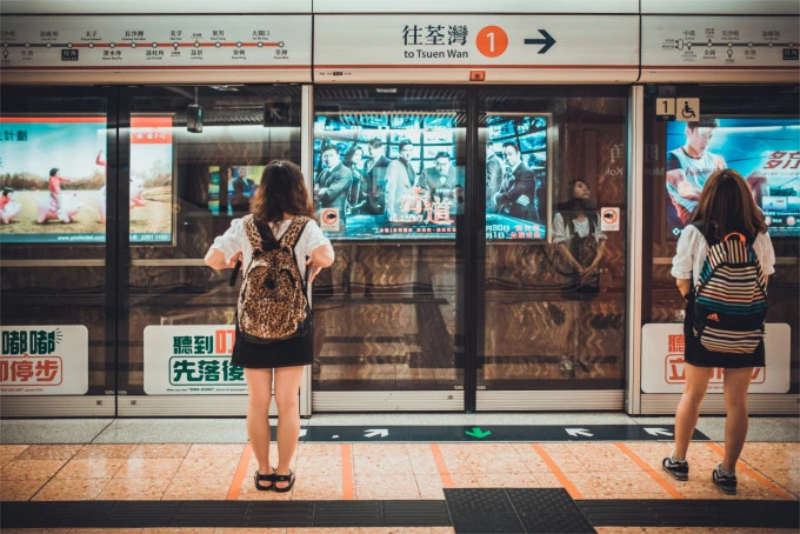
The coverage of Hong Kong's MTR is extremely extensive. For tourists, most travel destinations here can be reached by MTR, except for some natural scenic spots located relatively far from the city center. By the end of 2017, Hong Kong had 11 MTR lines in operation, with the subway network essentially covering most of the popular attractions and shopping districts within the territory.
Subway Fares and Routes
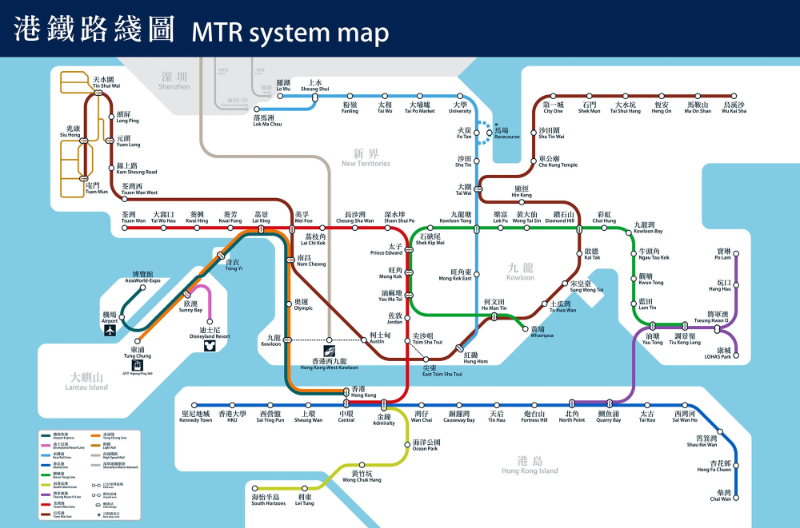
The fares for Hong Kong's MTR system vary significantly and are generally higher than public transportation costs in mainland China. For single-journey tickets, the fare is determined by the distance between the origin and destination stations. Taking adult fares as an example: shorter trips cost only HKD 5 to 6, while longer MTR journeys can exceed HKD 50.
Detailed fares between stations can be found on the MTR official website:
https://www.mtr.com.hk/archive/ch/pdf/fam2021/Single_Journey_Fare_L1267.pdf
How to buy
Passengers can purchase tickets at the ticket machines in MTR stations by following the instructions. Alternatively, they can directly use QR codes to scan and enter the station, a feature currently supported by Alipay and the MTR Mobile app. (Not applicable to Light Rail and Airport Express.)
If you have any questions regarding the use of AlipayHK EasyGo, you may call the customer service hotline at 852-2245 3201.
Alipay users can call the customer service hotline at +86 571 95188.
Popular Sites
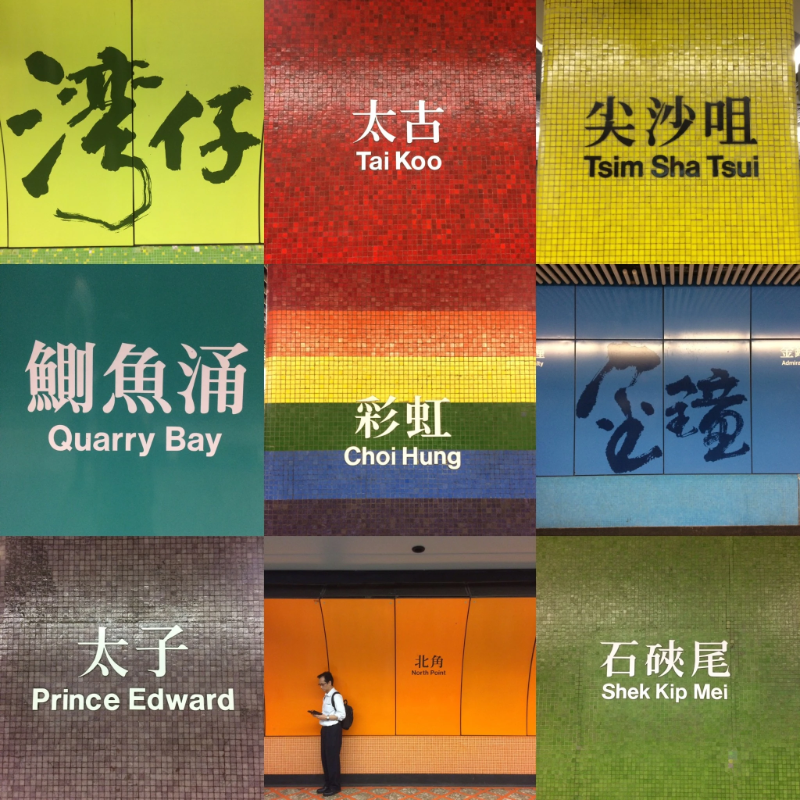
Many of Hong Kong's popular travel destinations are located near MTR stations, and some stations even share the same names as the nearby attractions, making it incredibly convenient for tourists to plan their trips. Whether visitors are TV drama fans on a pilgrimage to filming locations, photography enthusiasts eager to explore unique spots, or trendsetting shoppers chasing the latest fashion, they can easily map out their itineraries using the MTR route map.
The Hong Kong MTR offers a first-class compartment that requires a special ticket. Passengers who have purchased standard-class tickets should not enter the first-class area. Ticket inspectors are present in the first-class section, and if caught without a valid ticket, offenders may be fined HKD 500 on the spot.
Eating and drinking are prohibited within the paid area of the Hong Kong MTR—this includes all zones beyond the fare gates, such as platforms and train carriages. Violators may face a fine of HKD 2,000.
If traveling on weekdays, try to avoid peak morning and evening hours to reduce crowding.
Ferry
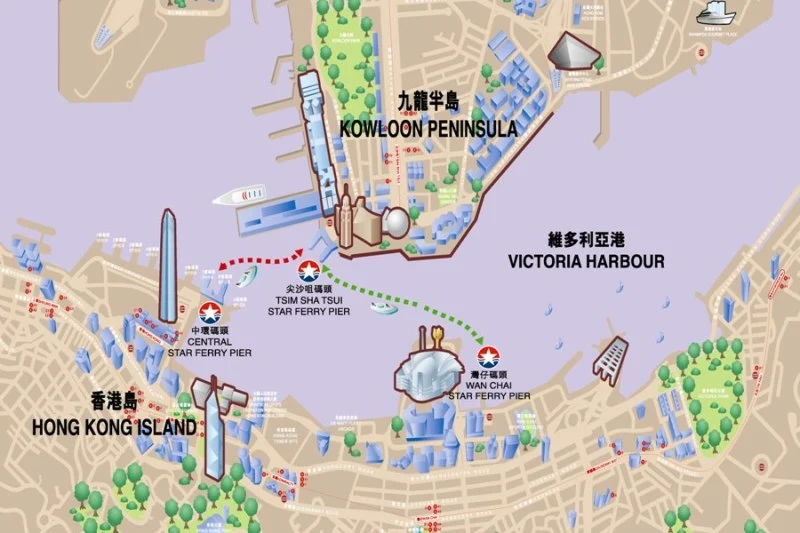
Central, Sheung Wan, Tsim Sha Tsui, Wan Chai, Tsuen Wan, Kwai Chung, Aberdeen, Stanley, and Kwun Tong all have piers. The Central Pier is the largest in Hong Kong, located on the waterfront opposite the International Finance Centre, providing services to Victoria Harbour and several outlying islands.
The Star Ferry operates two routes: one between Wan Chai and Tsim Sha Tsui, and another between Central and Tsim Sha Tsui, with fares starting as low as HK$1.9.
How to get there: Navigate to the Star Ferry Pier in Tsim Sha Tsui or Central.
Tram
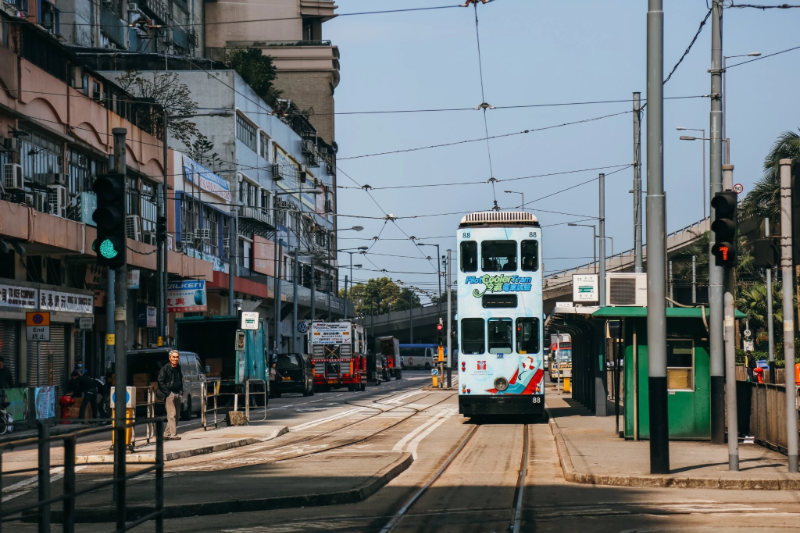
Hong Kong people affectionately call trams "Ding Ding." Trams move at a leisurely pace, but their charm lies in their affordable fares (HK$2.6 for adults, HK$1.3 for children, and HK$1.2 for seniors) and their route through the bustling streets of Hong Kong Island, offering passengers a chance to leisurely admire the surrounding scenery and passersby—a unique pleasure in itself. For travelers who appreciate nostalgia, riding an open-top vintage tram from Central to North Point provides a delightful way to take in the city's vibrant sights.
Currently, the tram system operates six partially overlapping routes connecting Kennedy Town to Shau Kei Wan. The six main routes are as follows:
- Shau Kei Wan to Sheung Wan (Western Market)
- Shau Kei Wan to Happy Valley
- North Point to Shek Tong Tsui
- Happy Valley to Kennedy Town
- Causeway Bay to Kennedy Town
- Sheung Wan (Western Market) to Kennedy Town
For the specific timetable, please check the tramway's official website: https://www.hktramways.com/en/schedules-fares/
Special Note: Child Pricing Policy
First, it is recommended that children aged 3-11 coming to Hong Kong can purchase an Octopus Child Card at MTR stations (with a deposit of HKD 50 and an initial top-up of HKD 50). This card can be used for MTR, KMB, Citybus, New World First Bus, and New Ferry services, making travel very convenient.
Buses: Free for children under 4; fares for ages 4-12 are half of adult fares. Tapping the Child Card directly gives a 50% discount.
MTR: Free for children under 3; children aged 3-12 can purchase child tickets or use the Octopus Child Card, with fares half of adult fares.
Minibuses: Free for children under 3 if they do not occupy a seat, but fares apply if they do, with no discounts.
Tram (Ding Ding): Free for children under 3; fares for ages 3-12 are half of adult fares.
Ferries and Star Ferry: Free for children under 3; fares for ages 3-12 are half of adult fares.
Traffic app
In addition to regular taxis, you can also use Uber, Fly Taxi, HKTaxi, and Didi for ride-hailing locally.
Octopus Card
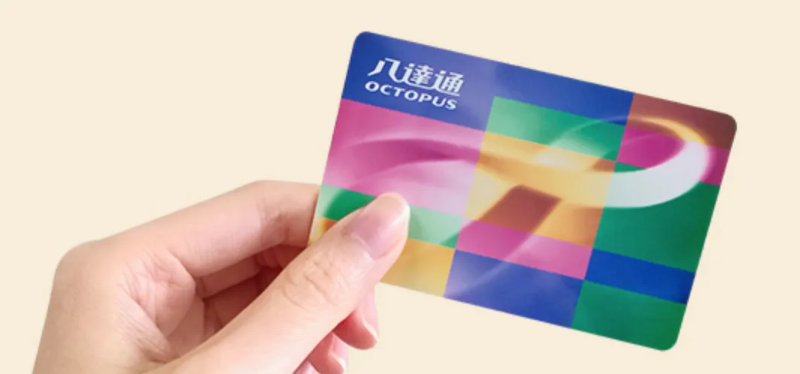
The Octopus card is similar to Hong Kong's transport card, which can be used on almost all public transport, with discounts available for rides like the MTR. However, besides transportation, it can also be used in many chain stores.
The standard rented Octopus cards are categorized into Adult, Child, and Senior types, with different initial stored values.
A refundable deposit of HKD 50 is required for this card, which covers the Octopus card cost and a one-time backup balance.
⚠️ If your rented standard Octopus card (Adult) was issued on or after October 1, 2017, and has not been topped up or used for payment within three years, it will become an inactive Octopus and may be subject to an inactive Octopus administrative fee. If you do not need to keep the card, please return it promptly to reclaim the deposit and remaining balance. If you wish to keep it as a souvenir, you can purchase a dedicated Tourist Octopus—reference price: HKD 39.
Where can Octopus cards be used?
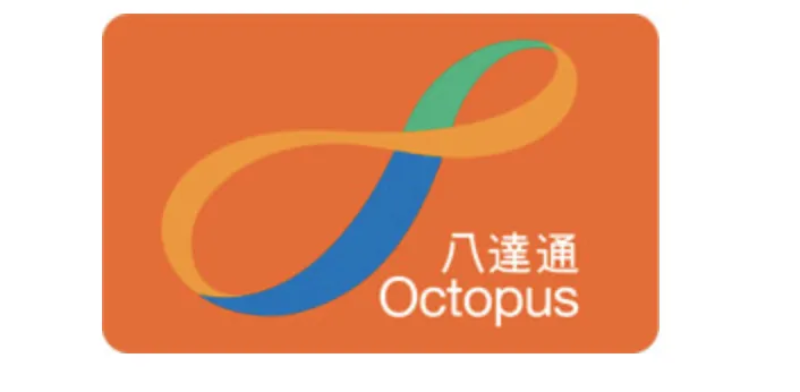
Transportation: The Octopus card is accepted on almost all public transport in Hong Kong, but there are exceptions where it cannot be used, such as on some red minibuses. Look for the following symbol—if this icon is displayed, it means Octopus is accepted.
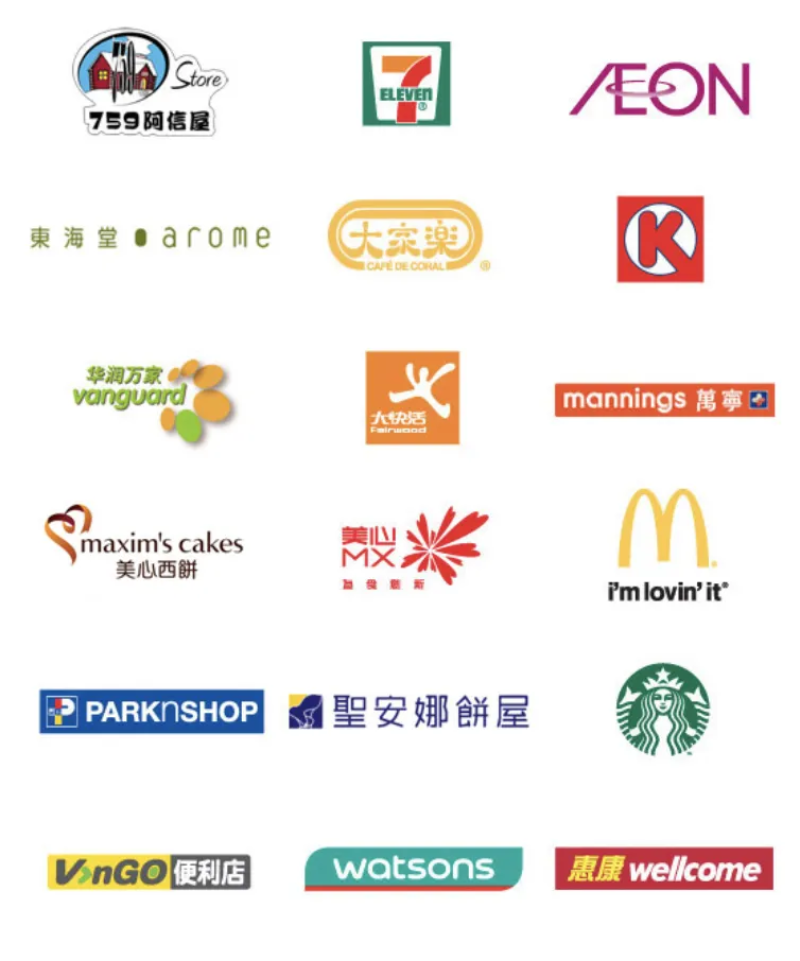
Shopping: Large chain stores, such as convenience stores like 7-Eleven, fast-food outlets like McDonald's, new-model vending machines, and some supermarkets.
How to purchase an Octopus card?
Online purchase
Electronic Card: Apple iPhone 8 models and above or Huawei phones can now directly download the Octopus app from the App Store and purchase the card within the app.
Steps to Officially Add a Card on iPhone:
Sign in with your Apple ID, tap the "+" button, select "Add New Octopus," read and agree to the terms and conditions, then tap "Next." Choose the top-up amount, select the currency, and follow the steps to add the new card.
Official Steps to Add a Card to Huawei Pay:
Open the Octopus for Tourists App, select "Add Octopus," then choose "Add New Octopus" and tap "Next."
Read and agree to the "Important Customer Notice," then select "Confirm and Continue."
Choose or enter the top-up amount and follow the steps to add the new card to your Huawei mobile device.
On-site purchase
At Hong Kong International Airport, you can purchase the On-loan Octopus Card for Tourists:
- 7-Eleven stores (Shop 5T058, Level 5 Arrival Hall, or any 7-Eleven store)
- China Travel Service (Counter A4, Arrival Hall, Terminal 1)
- MTR Ticket and Octopus Vending Machines (Airport Station)
- Relay (Hong Kong International Airport, Terminal 1, Level 5 Arrival Hall, before Immigration Hall (Restricted Area))
MTR Customer Service Centers: All stations (except Racecourse Station)
Light Rail Customer Service Centers: Tuen Mun Ferry Pier, Leung King, Town Centre, Yuen Long Terminus, and Tin Yat
New Ferry Customer and Octopus Service Counters: Cheung Chau Pier, Mui Wo Pier, Central Pier No. 5, and Central Pier No. 6
Citybus Ticket Office: Hong Kong-Zhuhai-Macao Bridge Hong Kong Port Bus Terminus (only sells On-loan Octopus Cards), with an initial top-up amount of HKD 150 for adult cards.
Where to top up?
Apple users can top up their Octopus cards in Apple devices anytime, anywhere using non-Hong Kong issued Mastercard, UnionPay, or Visa credit or debit cards.
Huawei users can top up their Octopus cards through the Tourist Octopus App using their commonly used UnionPay cards.
For others, Octopus cards can be topped up with cash at thousands of locations across Hong Kong, with a maximum stored value of HKD 1,000.
Transportation hubs:
- MTR/Light Rail Customer Service Centers* / designated Add Value Machines at select stations
- Airport Express Customer Service Centers
- KMB Customer Service Centers
- New Ferry Customer and Octopus Service Points (Cheung Chau Pier, Mui Wo Pier, Central Pier No. 5, and Central Pier No. 6)
- New World First Bus Customer Service Center (Admiralty (East) Bus Terminus)
- Citybus Customer Service Center (Airport Ground Transportation Centre)
⚠️ Short-term visitors to Hong Kong can generally only top up their Octopus cards with Hong Kong dollar cash. If using a bank card, it must be linked to a Hong Kong bank account. Currently, there are machines at Tsim Sha Tsui and Mong Kok MTR stations that support Octopus top-ups via Alipay and WeChat Pay.
Where to return the card?
For MTR Customer Service Centres, a service fee of HK$9 will be charged if the card is returned within 90 days after issuance.
All-Day Pass and Tourist Ticket
For short-term travel plans to Hong Kong, you may consider purchasing the Tourist Day Pass or the Cross-boundary Tourist Travel Pass.
Visitor All-Day Pass
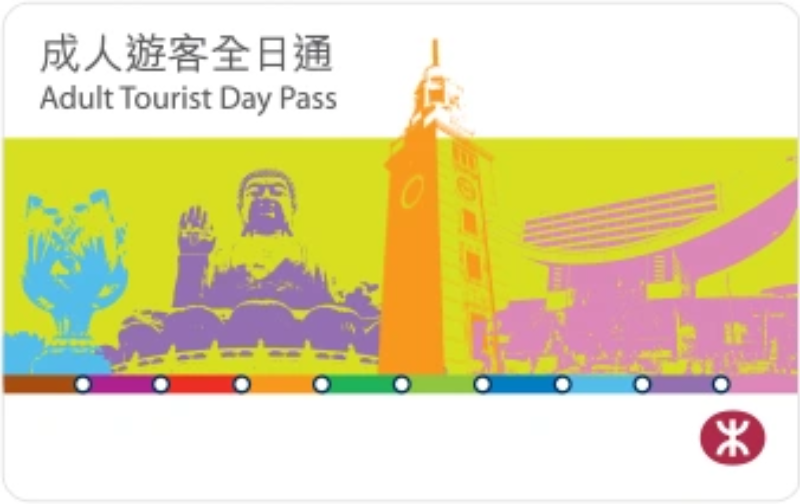
Unlimited rides on MTR, Light Rail, and MTR Buses for any 1 day (excluding Airport Express, First Class on East Rail Line, and trips to/from Lo Wu or Lok Ma Chau stations)
Price: HKD 75
Visitor Cross-Border Travel Pass (Suitable for tourists passing through Lo Wu or Lok Ma Chau)
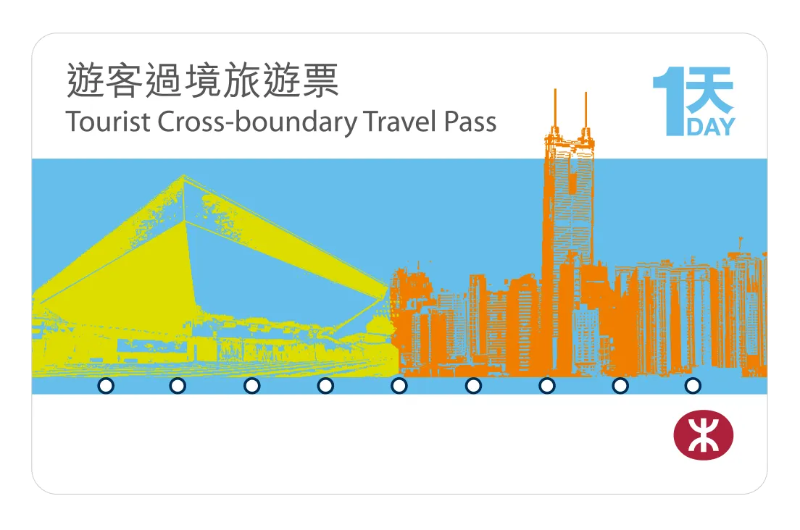
There are two types of tickets: 1-Day Pass and 2-Day Pass. Within one month from the date of purchase, the pass allows for 2 round trips to/from Lo Wu or Lok Ma Chau stations on any 1 day or any 2 consecutive days, along with unlimited rides on the MTR and Light Rail on the same day or during those 2 days (excluding the Airport Express, MTR Buses, First Class on the East Rail Line, and additional trips to/from Lo Wu or Lok Ma Chau stations).
Reference price:
1-Day Pass: HKD 100
2-Day Pass: HKD 140
Official ticketing website: https://www.paydollar.com/b2c2/AELControlServlet?lang=chi