About the Ten Scenes of West Lake
“Above is heaven, below are Suzhou and Hangzhou” praises Hangzhou’s beauty and favorable geography. And the city’s brightest gem is, without question, West Lake. Across the centuries it has been a darling of poets and artists, a recurring film and music setting, and a must-see for countless travelers.
If West Lake represents Hangzhou, the famous “Ten Scenes of West Lake” represent West Lake. These scenes are not just about nature—they are also about cultural mood and poetic atmosphere.

The Ten Scenes can be traced back to the Southern Song Dynasty. Over time, the names, locations, and even the number of scenes shifted, creating both “old” and “new” versions. Still, the Southern Song set remains the most famous and artistically influential.
The scenes exist year-round, but they change dramatically by season. Visiting at the right time lets you experience each scene at its peak.
All the scenic spots involved in the Ten Scenes of West Lake are free of charge.
Spring Focus Here
Su Causeway at Dawn in Spring
“Spring Dawn at Su Causeway” is often ranked first among the Ten Scenes. The causeway stretches nearly 3 kilometers from the southern foothills of Nanping Mountain to the base of Qixia Ridge. It was built using dredged silt from West Lake by the Northern Song poet Su Shi during his time as Hangzhou’s prefect. Later generations named it Su Causeway in his honor.
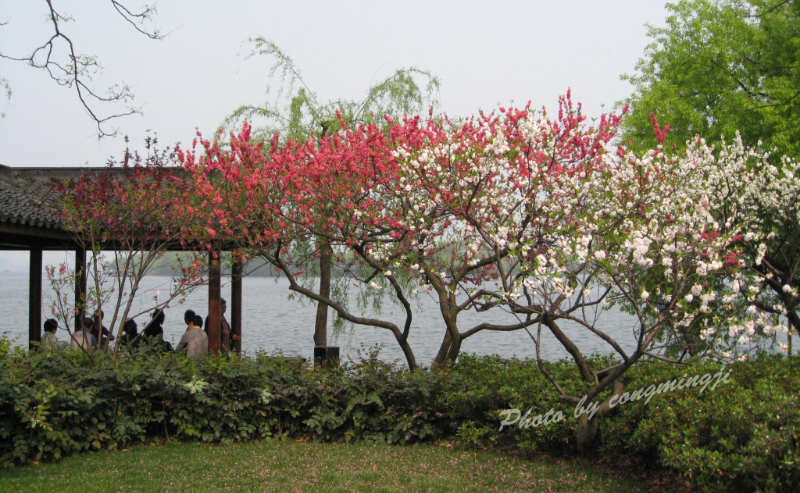
“Spring dawn wraps the bridges in misty green, and fragrant breezes color Su Causeway.” Its spring scenery is the most celebrated. Each spring, soft winds and drifting willow catkins reflect on the lake’s glassy surface. At the southern end near Yadi Bridge, you can still find Emperor Kangxi’s stele for “Spring Dawn at Su Causeway,” the only original Ten Scenes stele that survives today.
Viewing Fish at Flower Harbor
During the Southern Song Dynasty, the palace attendant Lu Yusheng built a private garden named "Lu Garden" in the Huagang area. Within this garden, he specially excavated a large pond, stocking it with a variety of "imported fish," which attracted numerous literati and scholars of the time. Thus, the saying "Viewing Fish at Huagang" came into being.
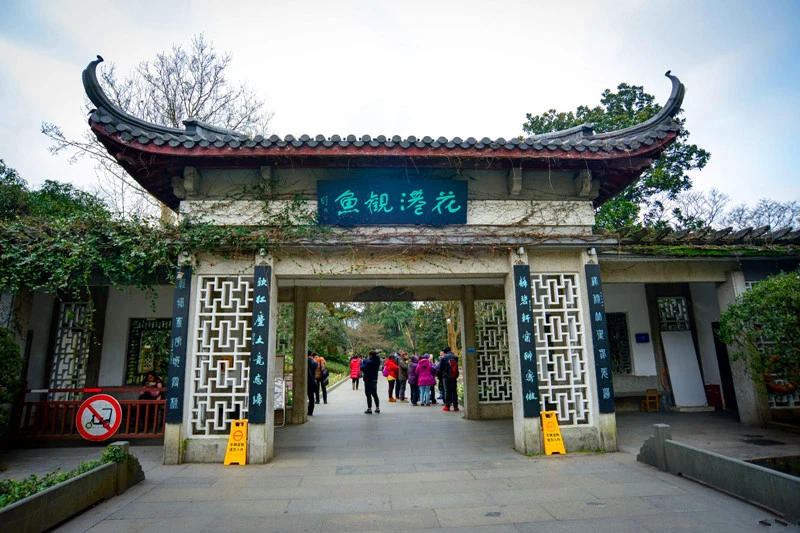
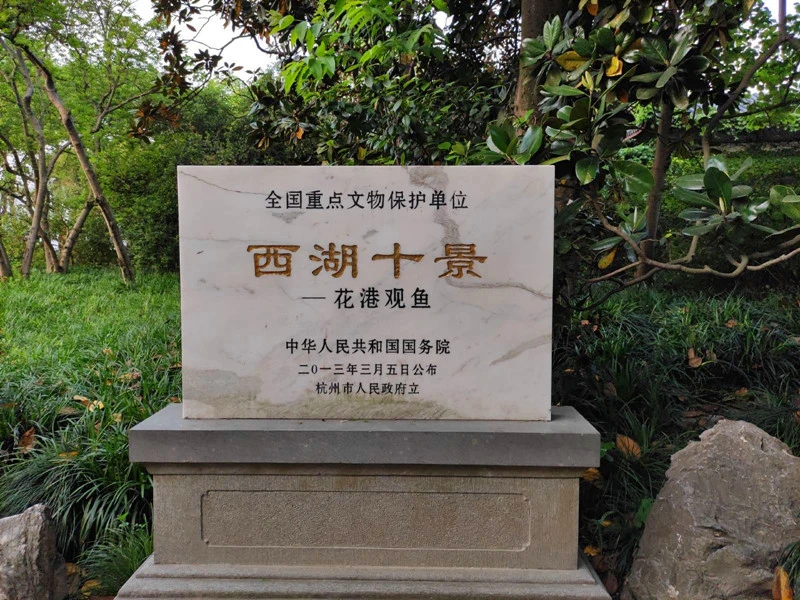
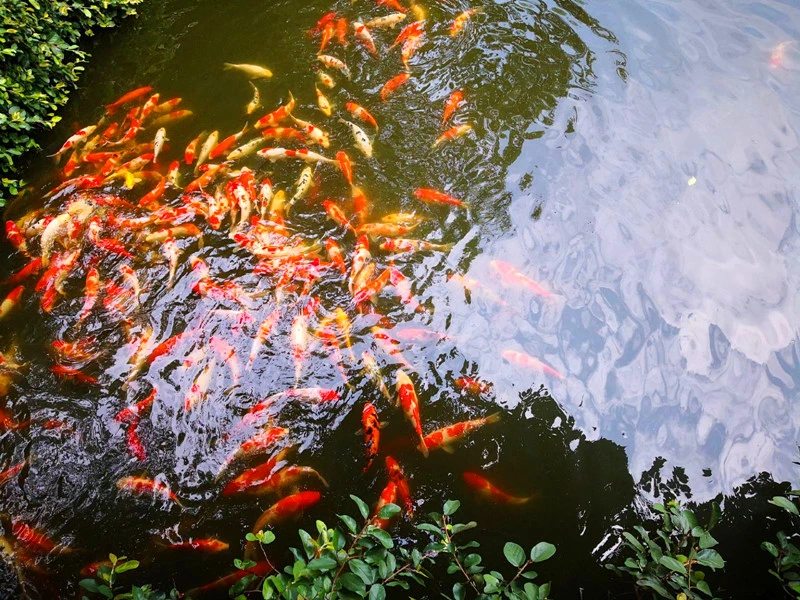

After restoration, the area became a large park. The Red Fish Pond is the heart of “Viewing Fish at Flower Harbor.” Spring is especially beautiful here. When the breeze moves, petals drift onto the water and the scene turns poetic: flowers above, fish below, and motion everywhere.
Address: Near the entrance of Su Causeway
Willows Wave and Orioles Sing
"Listening to Orioles in the Willow Waves" refers to the scenery of the Southern Song Dynasty imperial garden "Jujing Garden." Now, it is a small scenic area within the lakeside district of West Lake.
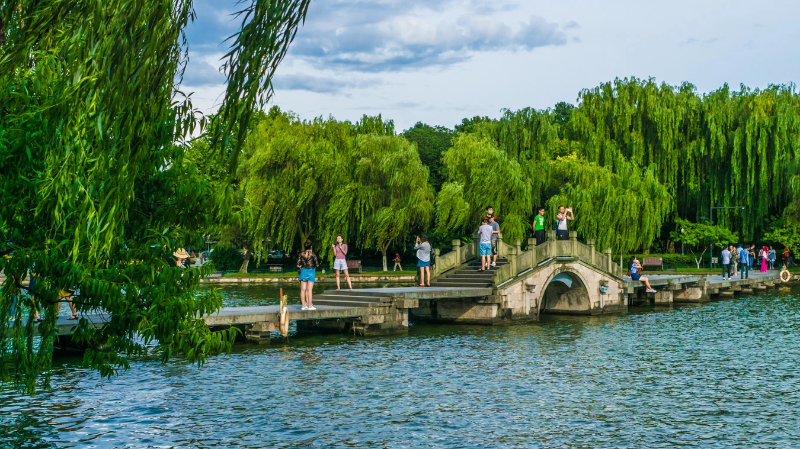
The park is named for its lush willows and melodious orioles. Today, strolling along the kilometer-long lakeside embankment, one can still feel the vibrant vitality as they pass by various willow trees, including weeping willows, lion willows, and drunken willows.
Address: No. 87, Nanshan Road, Shangcheng District
Summer Focus Here
Quyuan Garden of Lotus in the Breeze
“Quyuan” originally referred to a Southern Song-era workshop near Hongchun Bridge that brewed official liquor. It became famous for using water from the Jinsha Stream.
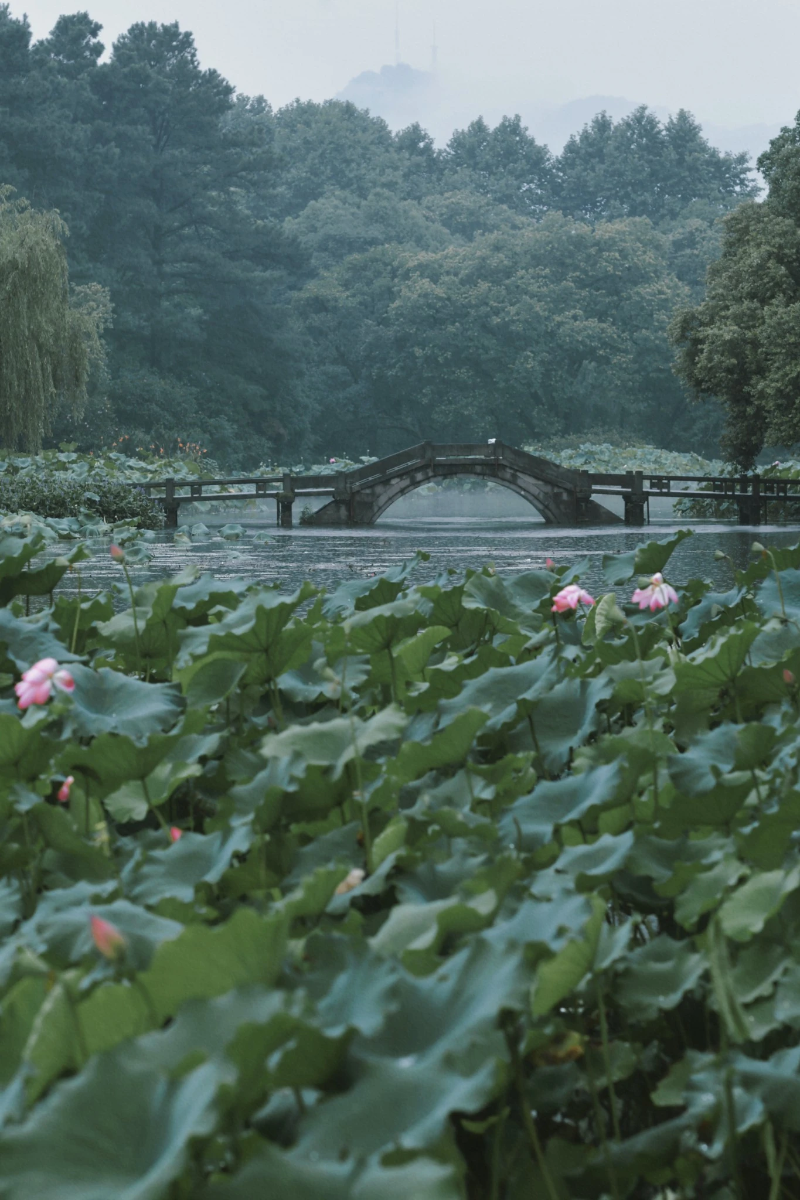
The lotus area here is one of the best places to see lotus blooms in summer. In midsummer, red, white, and double-petaled lotus flowers open in abundance, and the air fills with lotus fragrance. It brings to mind the classic line: endless green lotus leaves meet the sky, and lotus flowers glow uniquely red in the sun.
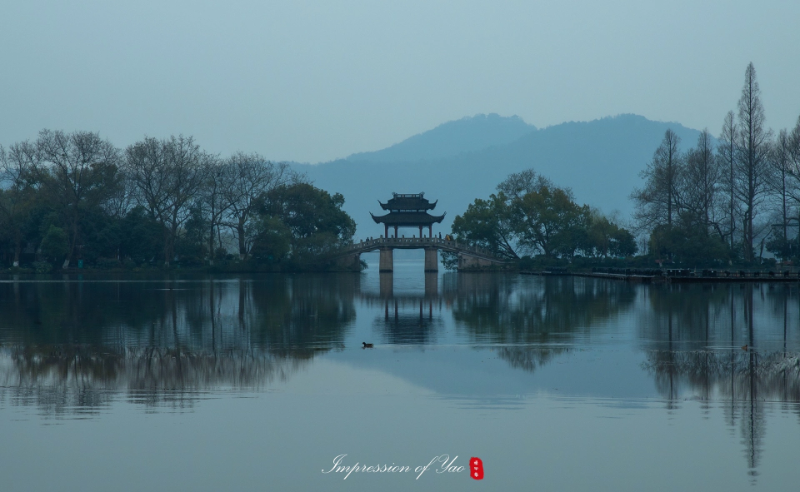
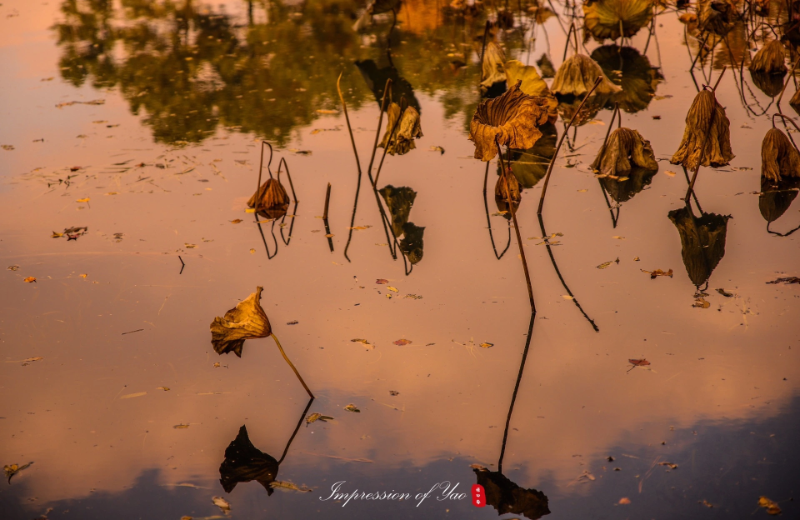
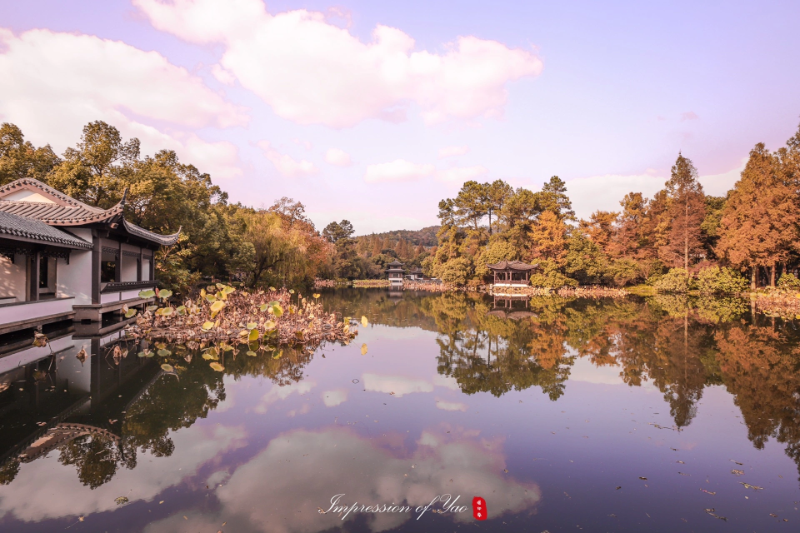
Address: 89 Beishan Street (in front of Yue Fei Temple)
Autumn Focus Here
Autumn Moon over the Calm Lake
“Autumn Moon over the Calm Lake” is another Southern Song Ten Scenes classic. It is located near the south side of the western end of Bai Causeway, backed by Solitary Hill and facing the outer lake. This is one of the best spots for a broad lake view and autumn moon-gazing. On clear autumn nights, the experience can feel unmatched.
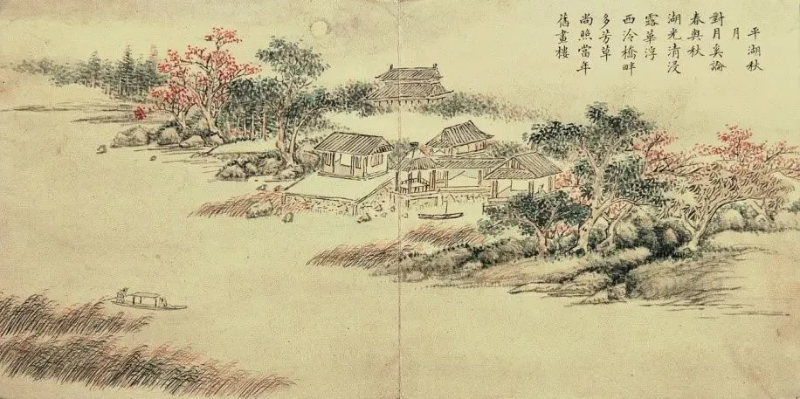
Emperor Kangxi once toured the West Lake and designated the lakeside courtyard at the southeastern corner of Solitary Hill as the scenic site, personally inscribing the plaque "Autumn Moon over the Calm Lake."
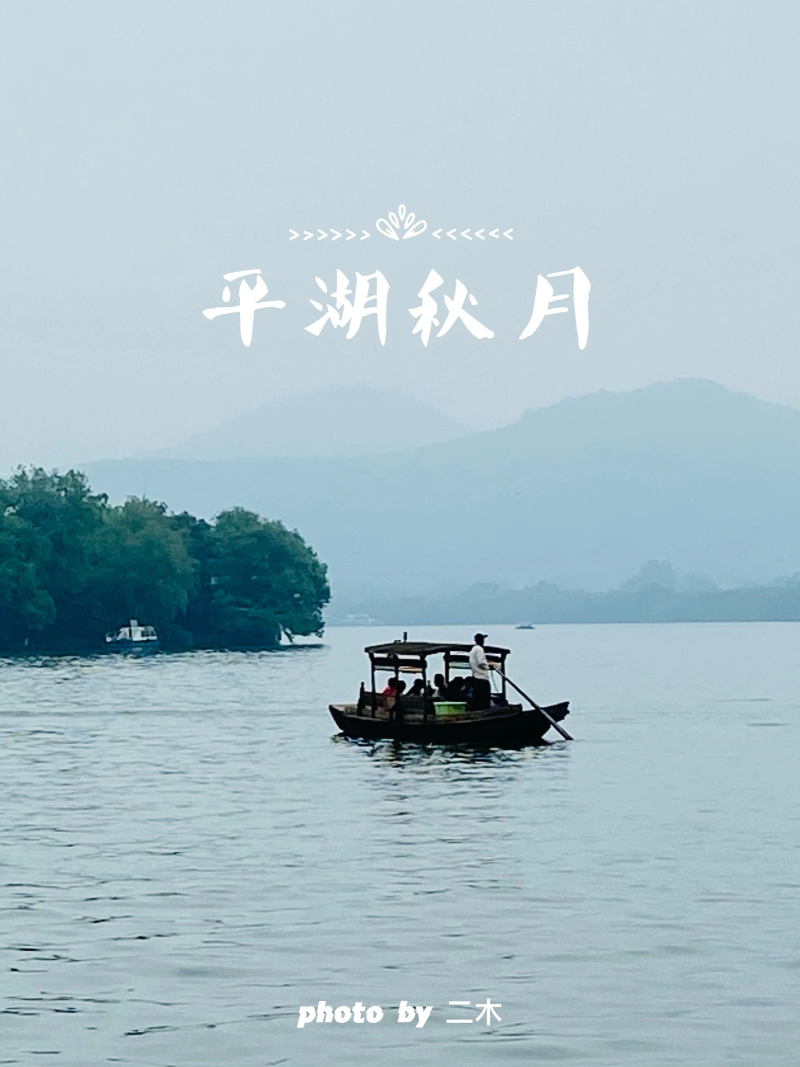
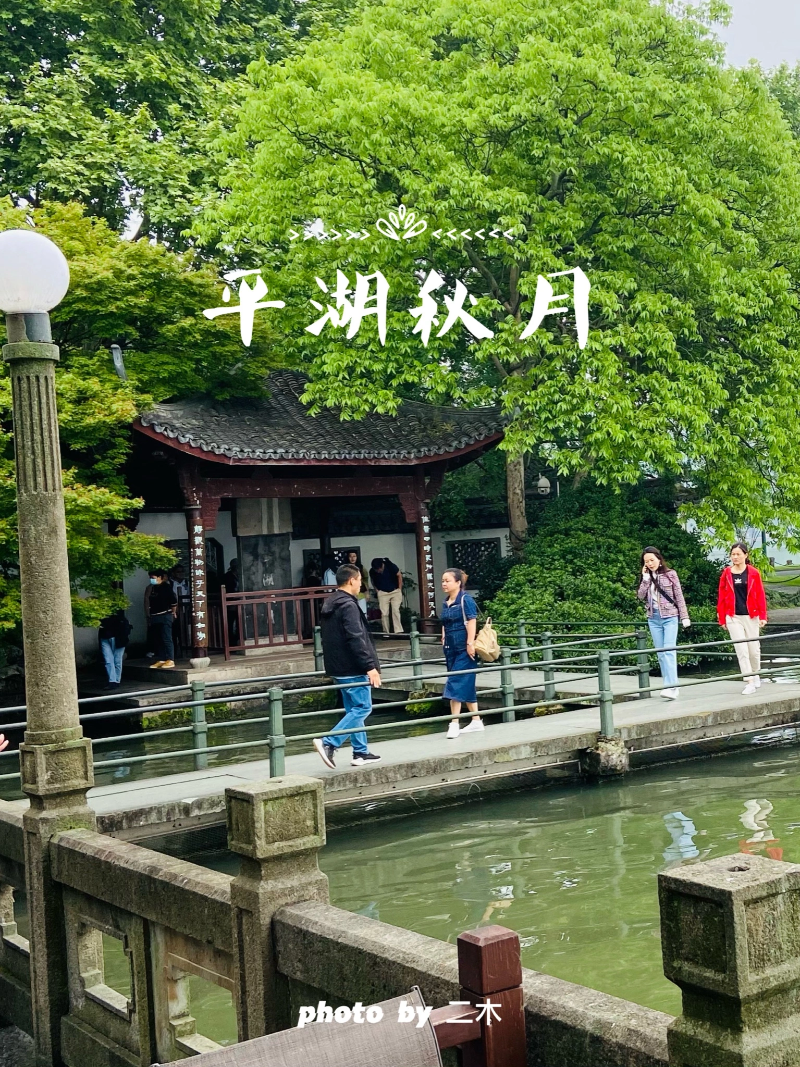
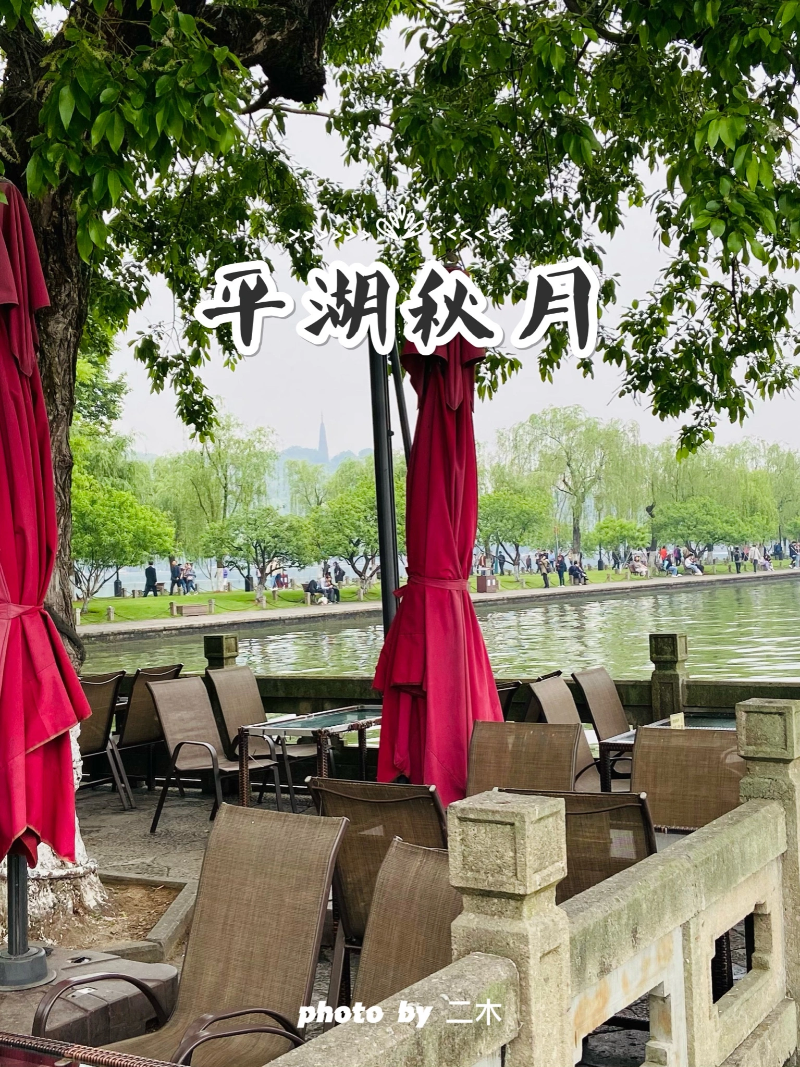
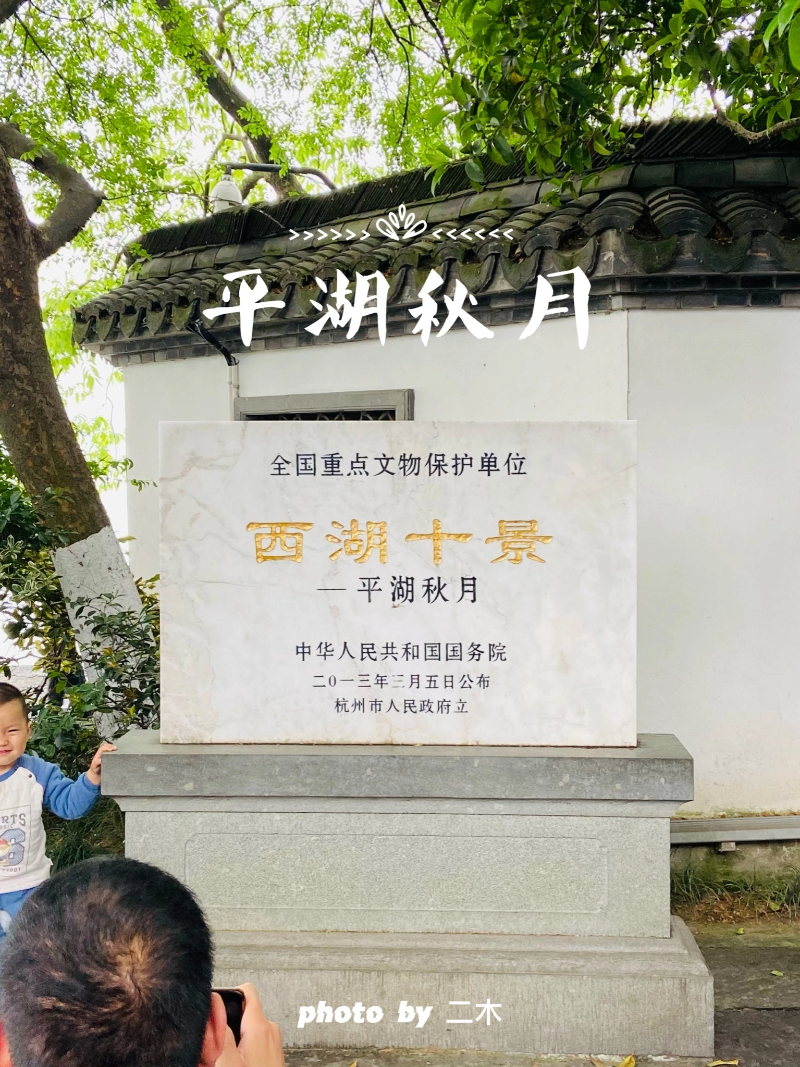
Address: South side of the western end of Bai Causeway
Three Pools Mirroring the Moon
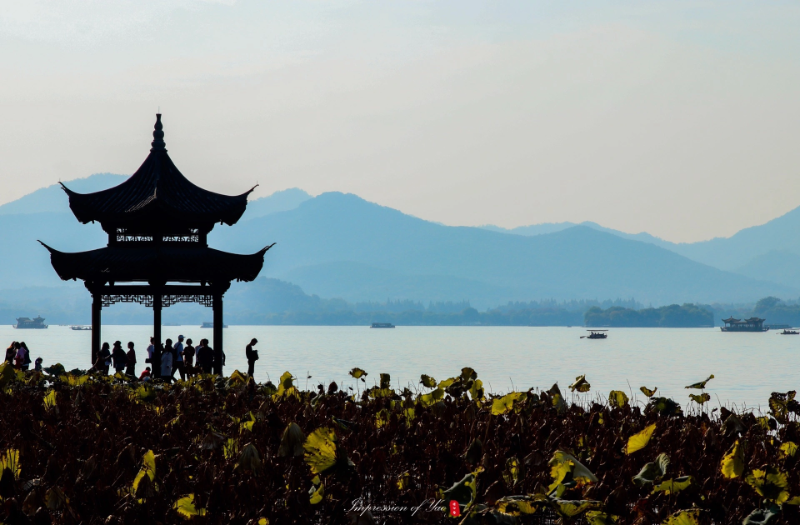
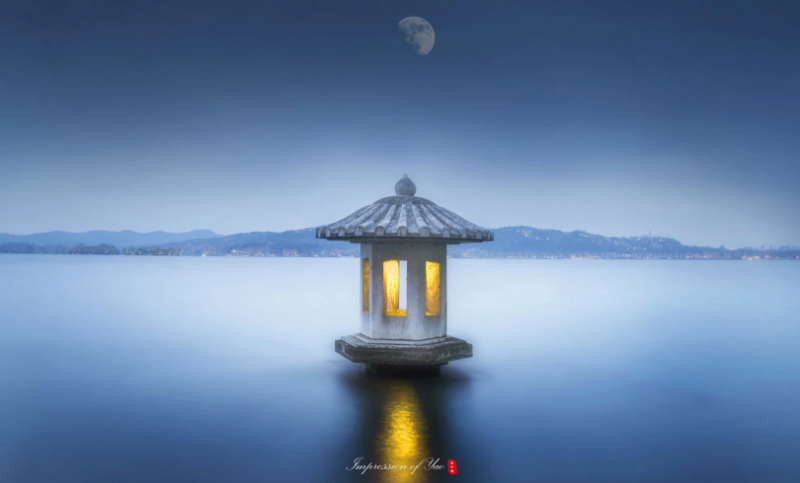
If you carefully observe the back of the one-yuan RMB bill, you will see the "First Scenic Spot of West Lake"—Three Pools Mirroring the Moon. As the most iconic landscape of West Lake, its specific location is the current Xiao Yingzhou, which is the only small island in West Lake that can be visited today.
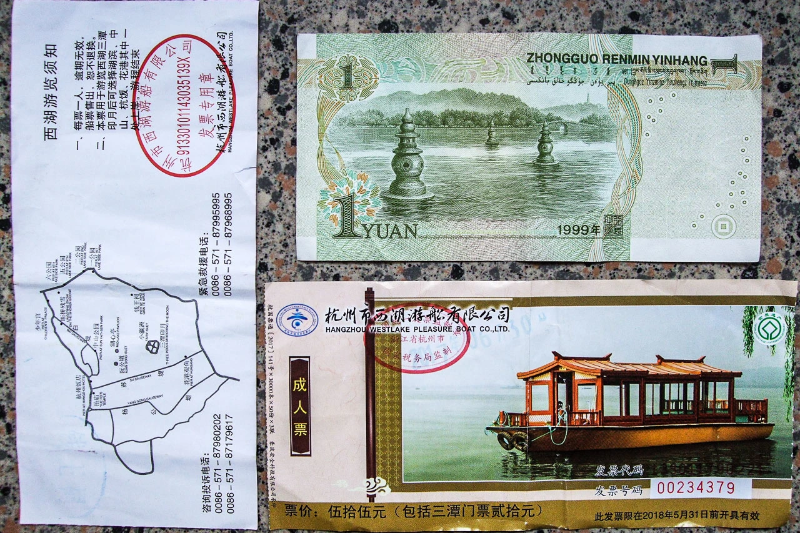
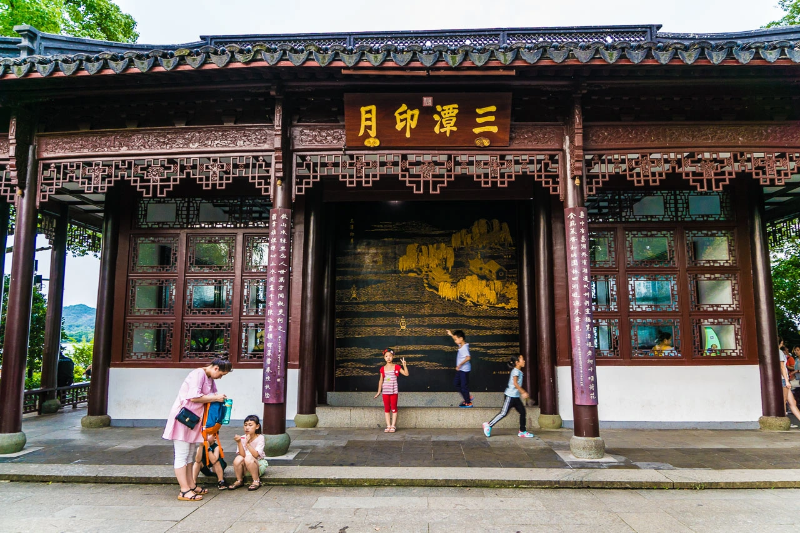
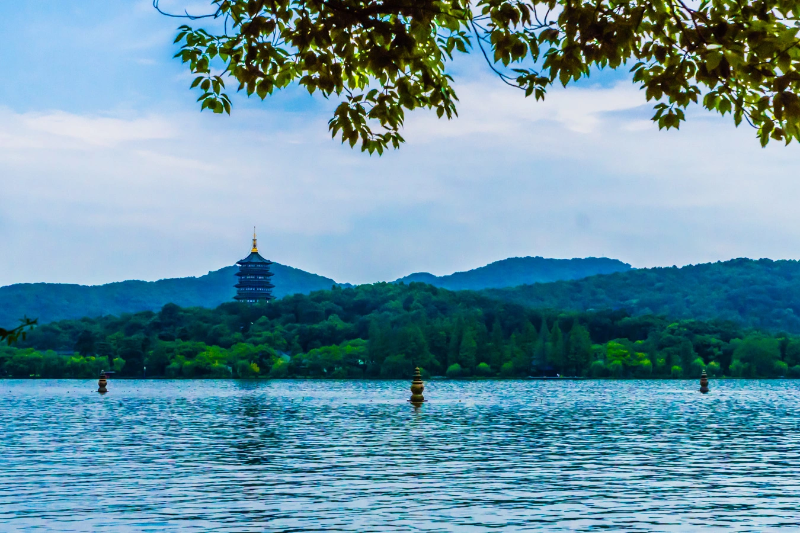
The so-called Three Pools refer to the three stone pagodas standing in the lake, which were originally erected by Su Shi after he dredged the West Lake. They were destroyed during the Yuan Dynasty, and what we see today were actually rebuilt by Yang Wanli, who served as the prefect during the Ming Dynasty.
This is also an excellent spot for admiring the moon during the Mid-Autumn Festival. Legend has it that on the night of the Mid-Autumn Festival, if thin paper is pasted over the cave entrance, the light from the candles shining through the paper is indistinguishable from the real moonlight.
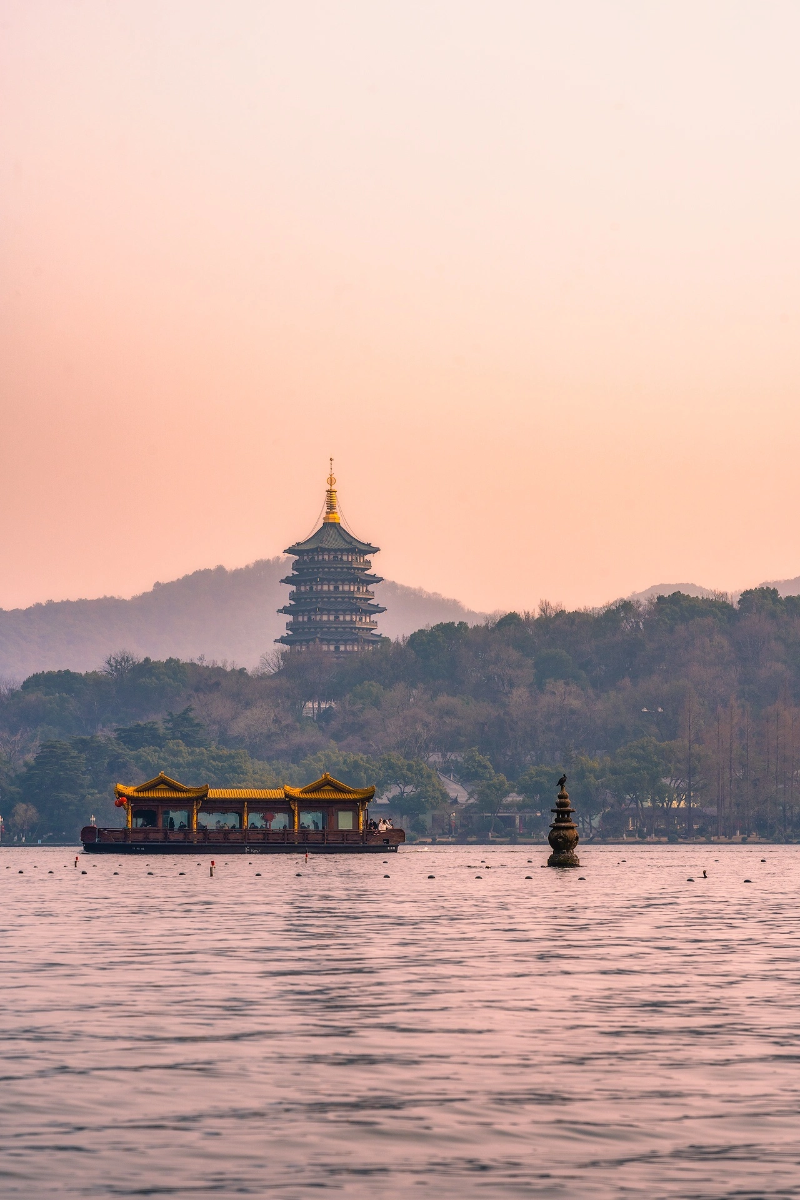
Xiaoyingzhou Island
How to Get There: You need to purchase a boat ticket to board the island, but not all boats allow disembarkation. Be sure to confirm before buying your ticket. For guidance on choosing the right boat ticket, refer to 《Which Boat Ticket Should You Choose for West Lake?》.
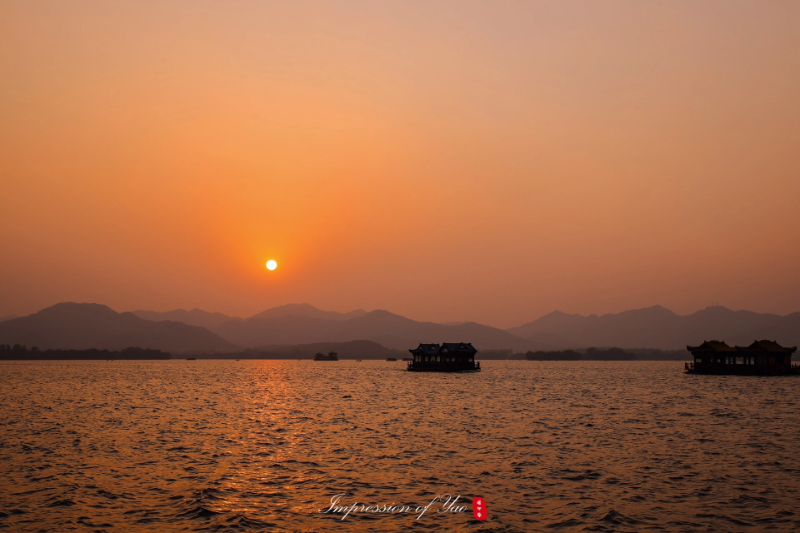
Tips: If you want to watch the sunset on the island, take the last boat departing the island (17:00-17:30). Note that this is only possible in spring, autumn, and winter.
Viewing Spot: To enjoy the sunset, head to the west side of Xiaoyingzhou Island. The "Heart-to-Heart Pavilion" is highly recommended.
Winter focus here
Broken Bridge Remnant Snow
When it comes to West Lake, perhaps the first image that comes to many people's minds is the Broken Bridge. The story of Xu Xian and Lady White Snake meeting in "The Legend of the White Snake" adds a lot of romantic imagination to this long bridge.
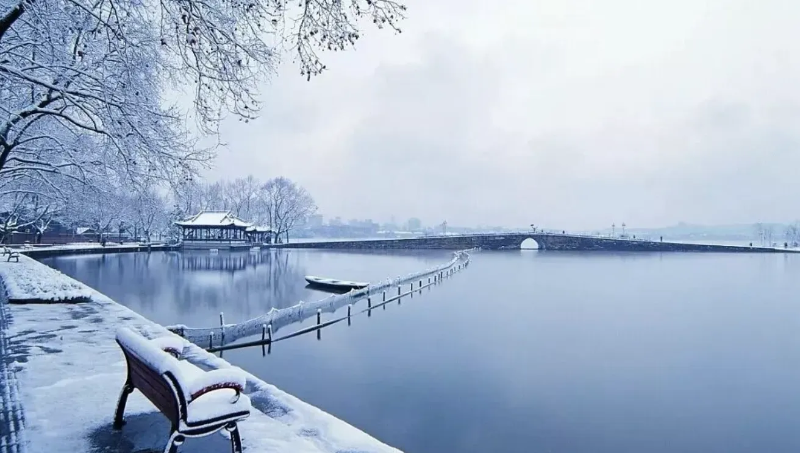
The real-life Broken Bridge is located at the eastern end of Bai Causeway in West Lake, backed by Precious Stone Hill and facing Hangzhou city. It serves as the starting point for many visitors exploring West Lake. Every winter, the Broken Bridge becomes the best spot for admiring snow. After a snowfall, when the sun first emerges, standing on Precious Stone Hill and looking south, the arched surface of the stone bridge melts under the sunlight, while the shaded side remains covered with lingering snow. From a distance, it appears both broken and unbroken, creating the famous "Broken Bridge in the Snow" scene.
The earliest record of "Broken Bridge and Remnant Snow" is by Zhang Hu of the Tang Dynasty, in his poem "Inscribed on the Lonely Mountain Temple in Hangzhou":
Towers rise by the emerald peaks,
A path leads to the heart of the lake.
Without rain, the mountains stay moist,
Without clouds, the water turns dark.
The broken bridge is rough with wild moss,
The empty courtyard deep with fallen blossoms.
I still recall the moon by the west window,
The bell's toll in the northern woods.
Broken Bridge:
Regardless of spring, summer, autumn, or winter
Leifeng Pagoda in the Glow of the Setting Sun
When mentioning Leifeng Pagoda, we inevitably think of the story of Lady White Snake being suppressed under the pagoda by Monk Fahai. In reality, Leifeng Pagoda was actually built during the Five Dynasties period by the King of Wuyue to celebrate the birth of a son to his consort Huang. It was originally called "Huangfei Pagoda."
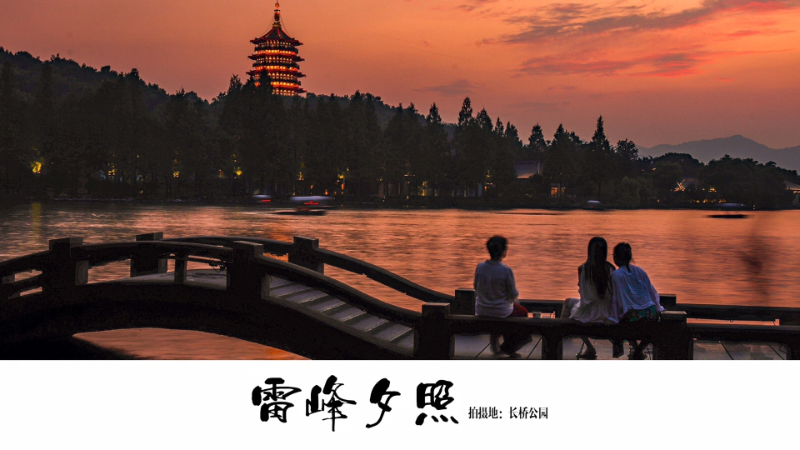
As the largest existing octagonal double-cylinder Buddhist pagoda in China, this site is renowned for the scenic beauty of "Leifeng Pagoda in the Glow of the Setting Sun." Every evening at dusk, the pagoda is bathed in a golden hue by the sunset, creating a breathtaking view.
At sunset, you can head to Jingci Temple and ascend the Shakyamuni Hall, which is one of the best spots to view Leifeng Pagoda.
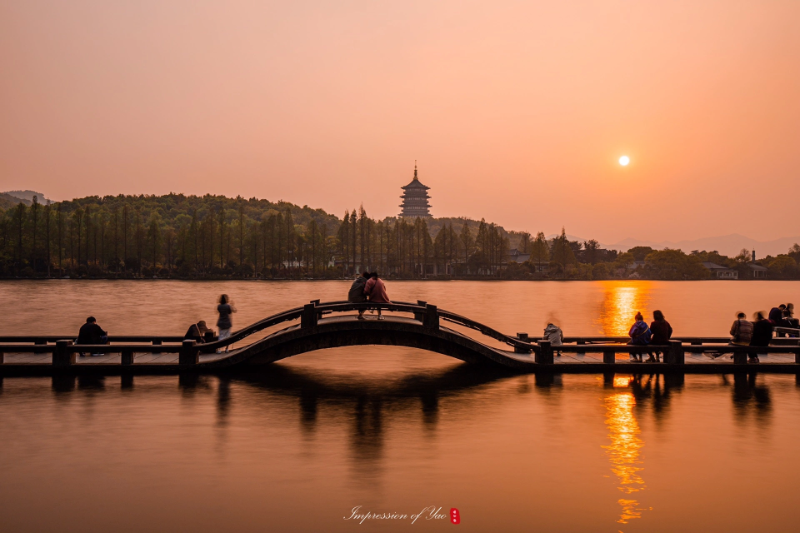
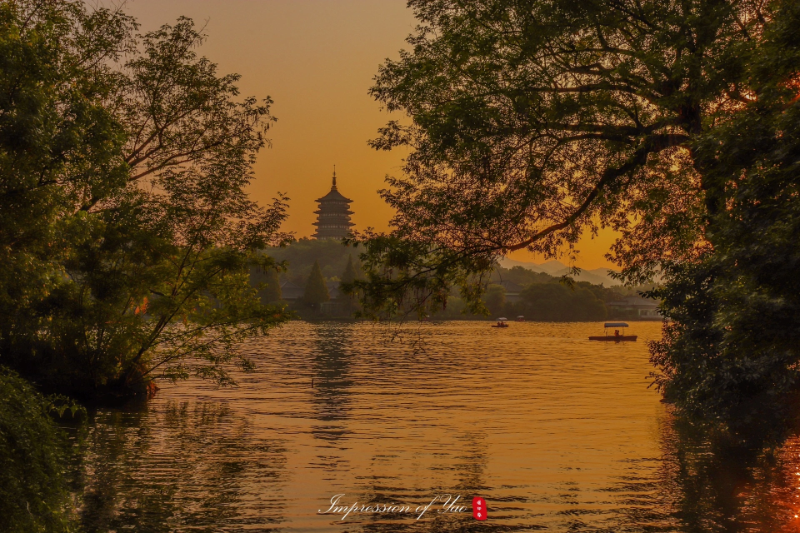
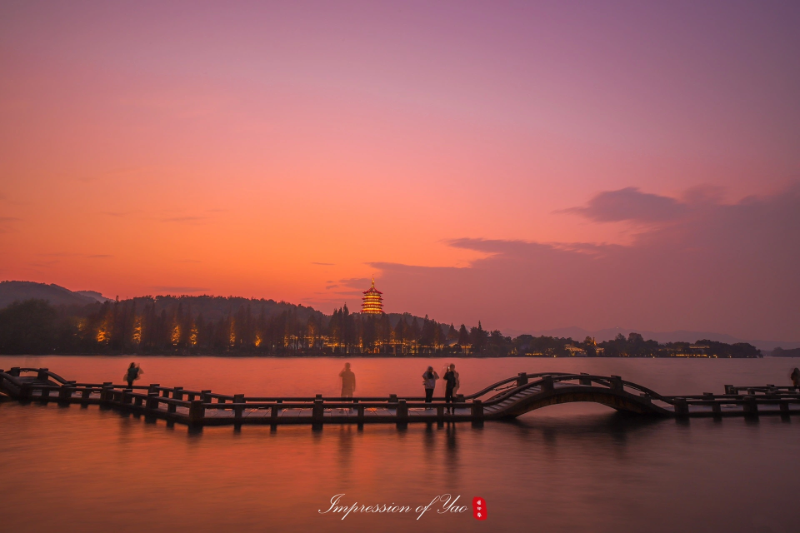
Leifeng Pagoda
Ticket: Leifeng Pagoda offers a panoramic view of West Lake. Adult tickets are 40 yuan, and student tickets are 30 yuan (only available in July and August).
Opening Hours: From March 15 to November 15: 8:00 AM - 8:30 PM; From November 16 to March 14: 8:00 AM - 5:30 PM.
Nanping Evening Bell
Hangzhou is not short of temples, from the renowned Lingyin Temple to the newly popular Faxi Temple, yet Jingci Temple still stands out as a hidden gem. Nestled at the foot of Nanping Mountain, the famous "Evening Bell of Nanping" refers to the tolling of its bell.
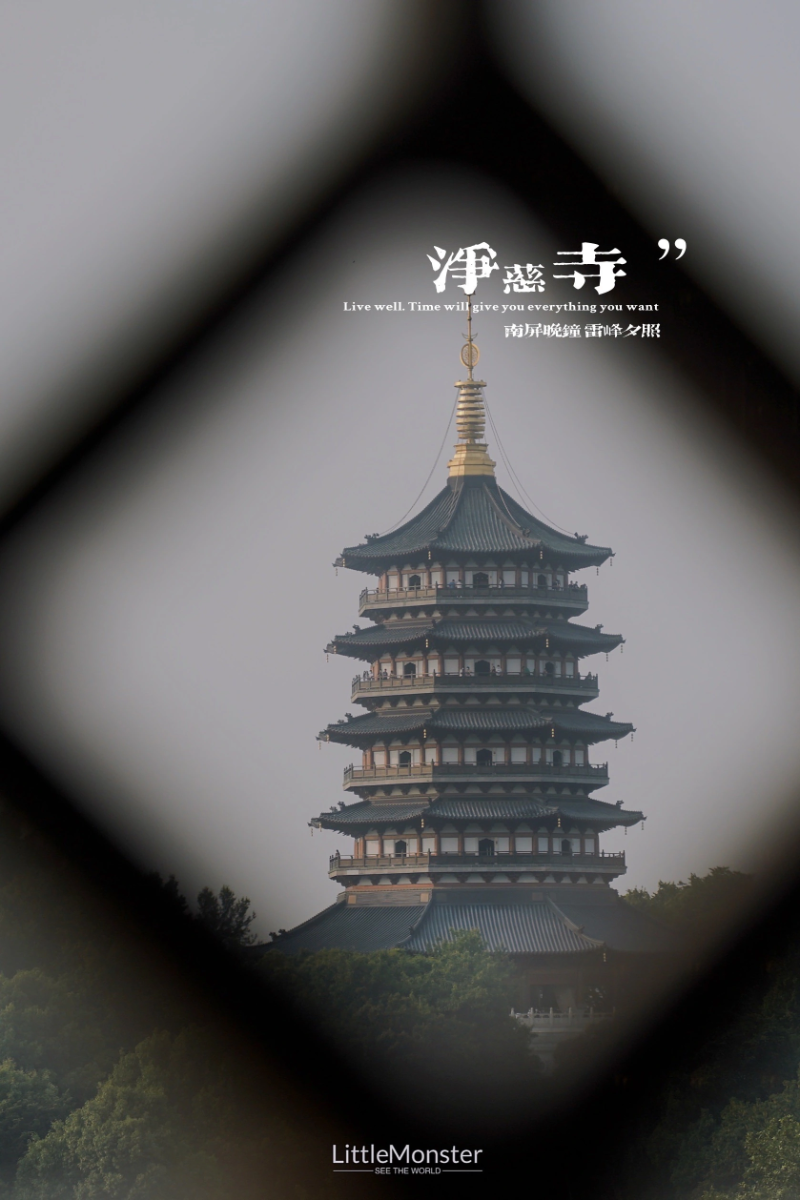
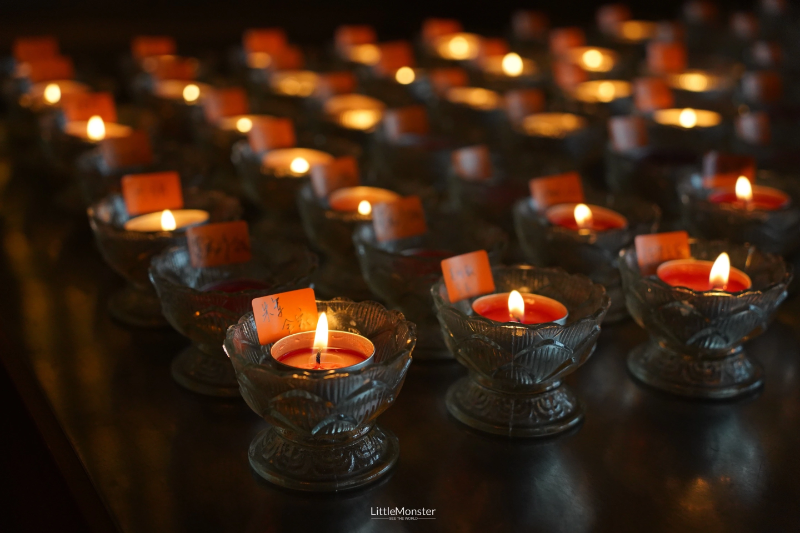
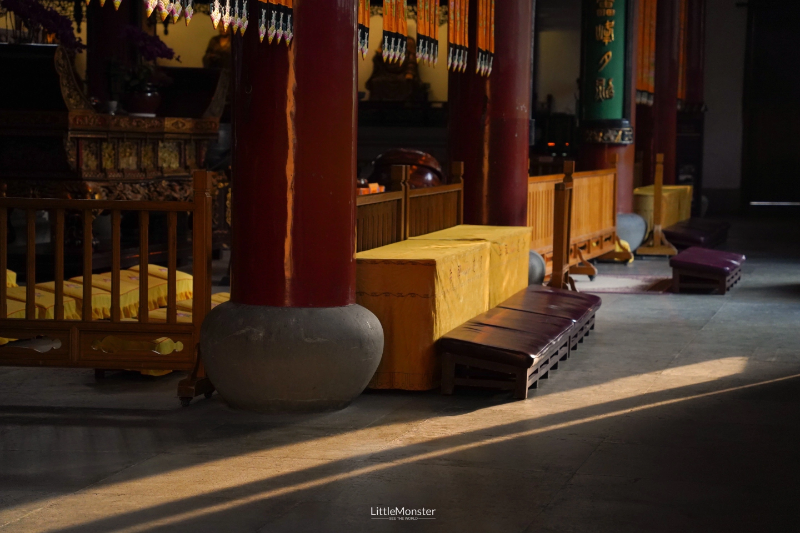
Every evening at the time of the sunset, as dusk descends, the lingering toll of the bell resonates over West Lake, its echoes stirring the soul. Besides enjoying the scenery here, you can also experience the ritual of ringing the bell and making a wish.
The Northern Song painter Zhang Zeduan once created the painting "Evening Bell at Nanping," which, though far less renowned in the art world than his "Along the River During the Qingming Festival," was recorded in the Ming dynasty's "Tianshui Iceberg Records."
Jingci Temple
Admission: 10 yuan. Additionally, you can purchase a ticket to ring the bell, 10 yuan per time.
Opening Hours: 7:00-17:00. It is recommended to visit around 4:00 PM to see the "Leifeng Pagoda in the Sunset Glow." If you plan to ring the bell or visit the art museum, it is advisable to arrive earlier.
The highest point of Jingci Temple is the Shakyamuni Hall. To the northwest, one can see the West Lake and the overlapping mountains, while to the northeast stands the Leifeng Pagoda. Within the temple, there is also the Jingci Temple Art Museum, included in the ticket price, which exhibits precious artifacts unearthed from the Leifeng Pagoda. It is definitely worth a visit.
Twin Peaks Piercing the Clouds
The Twin Peaks refer to the southern and northern peaks among the western mountains of West Lake. During the Southern Song Dynasty, each of these two peaks had a pagoda.
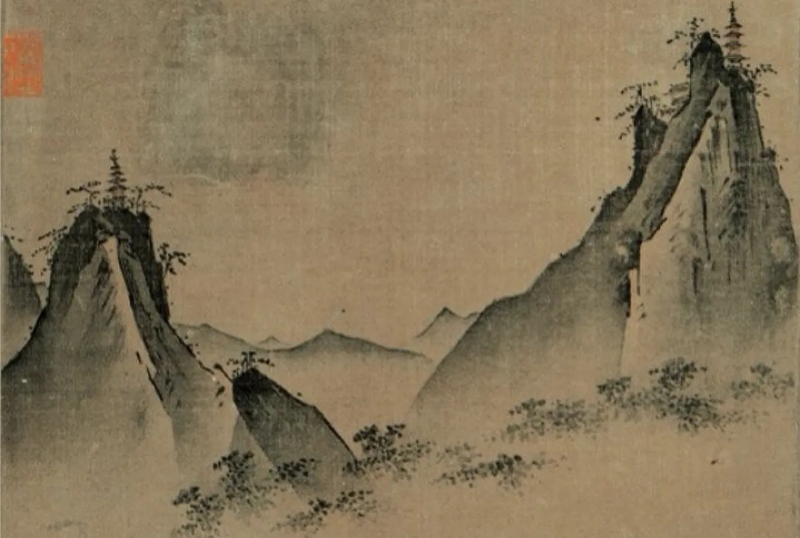
Whenever the mist and clouds shroud the scene, looking westward from West Lake, the two peaks stand in distant opposition. The mountain ranges are obscured, yet the pagoda's spire remains distinct, as if the peaks pierce the clouds. Hence, the name "Twin Peaks Piercing the Clouds" was born. Although the pagoda no longer stands today, we can still glimpse the grandeur of that time through the paintings left by the ancients.