The Jiangsu–Zhejiang–Shanghai region, threaded with rivers and canals, is home to many towns that blend “ancient” and “water” cultures—the classic Jiangnan water towns. Some still preserve everyday life rhythms and architectural details from the old water-town culture, making them ideal for a deeper Jiangnan experience.

Ancient towns are treasures of Jiangnan culture. If you avoid peak hours and the most commercialized corners, you can still find their authentic charm.
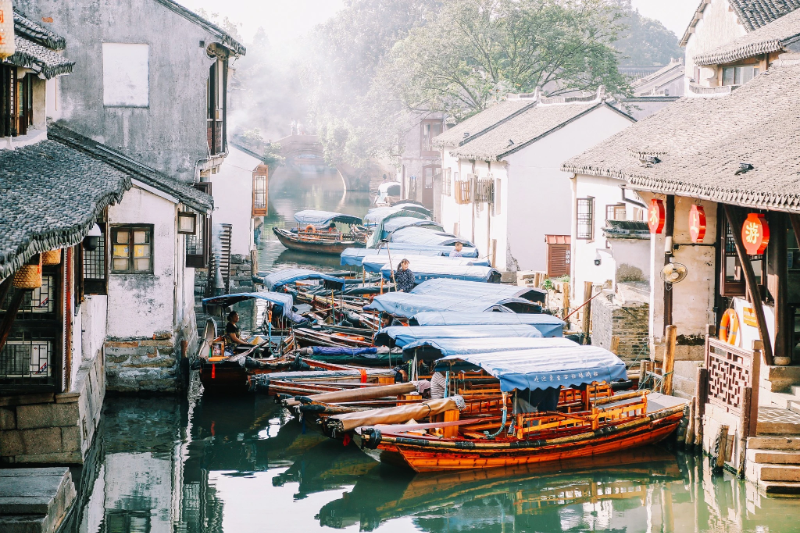
Each town has its own flavor. Even among the famous names—like Xitang, Wuzhen, and Nanxun—the vibe can be very different. Lesser-known towns often hide the most interesting surprises.
Wuzhen
One of Wuzhen’s most distinctive features is its water pavilions, a rare sight even among Jiangnan water towns today. That’s part of why it’s sometimes called “the last waterside community in China.”
Water Pavilion—A waterside pavilion, a unique architectural style in the Jiangnan region, typically featuring a two-story structure.
On arrival, consider watching sunrise in Dongzha, then move to Xizha for a calmer dusk. You can send a postcard from the Old Post Office, and finish with a slow boat ride past the water lanes and the dragon-shaped fields.
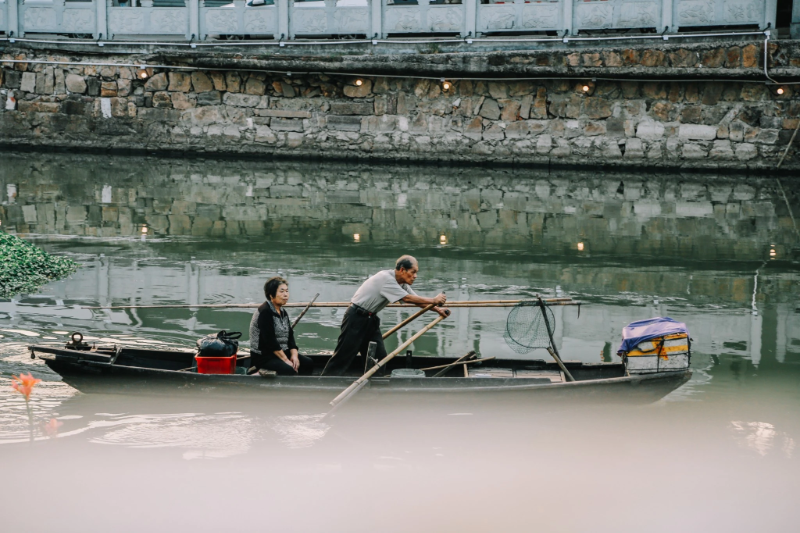
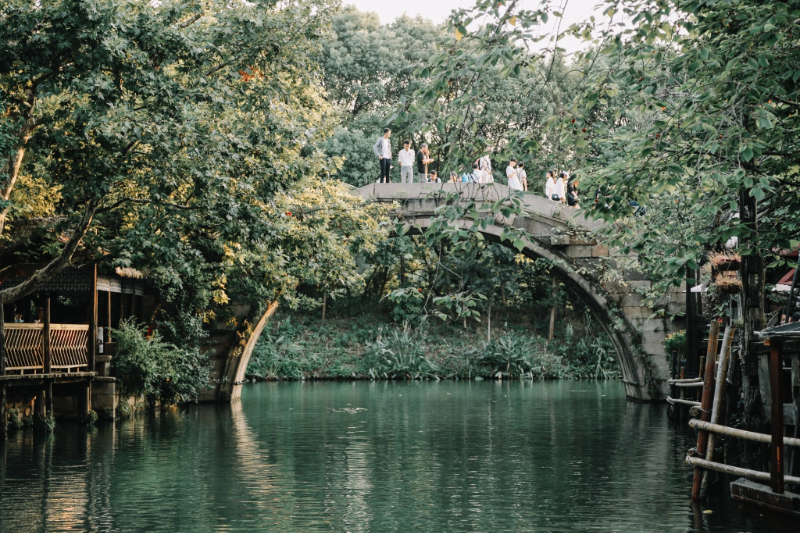
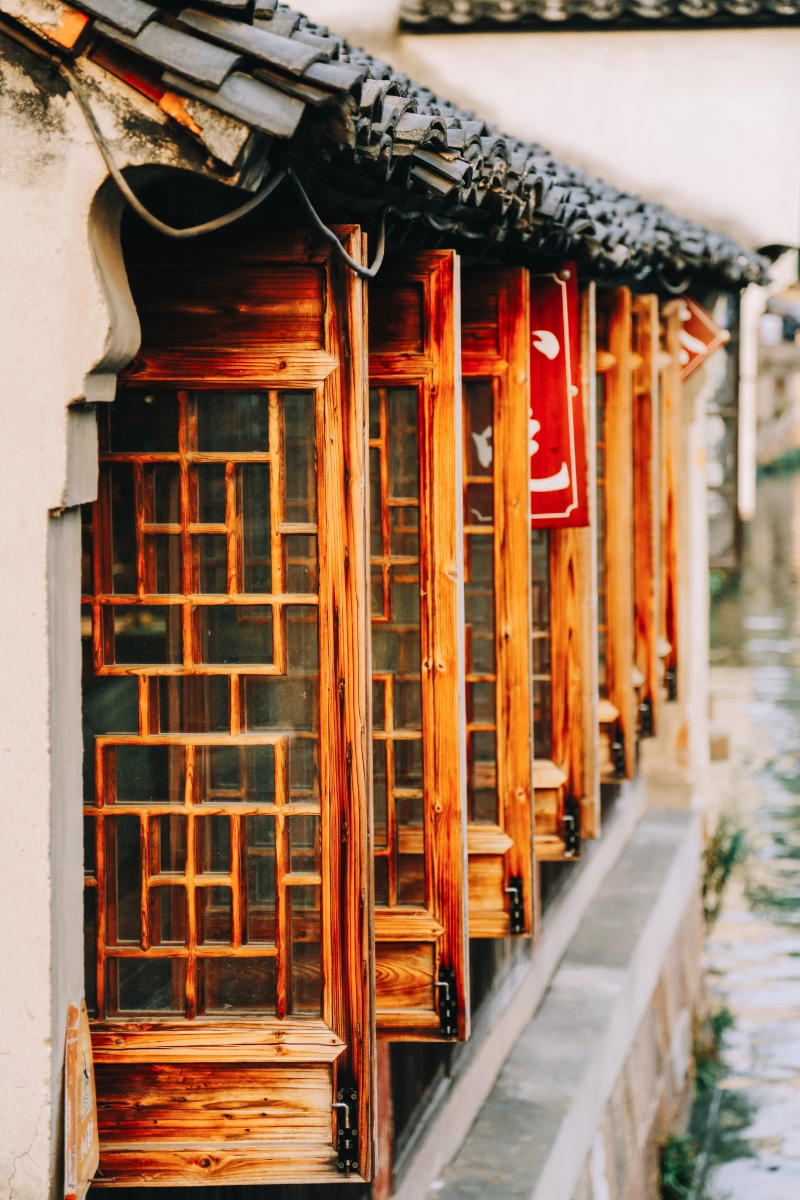
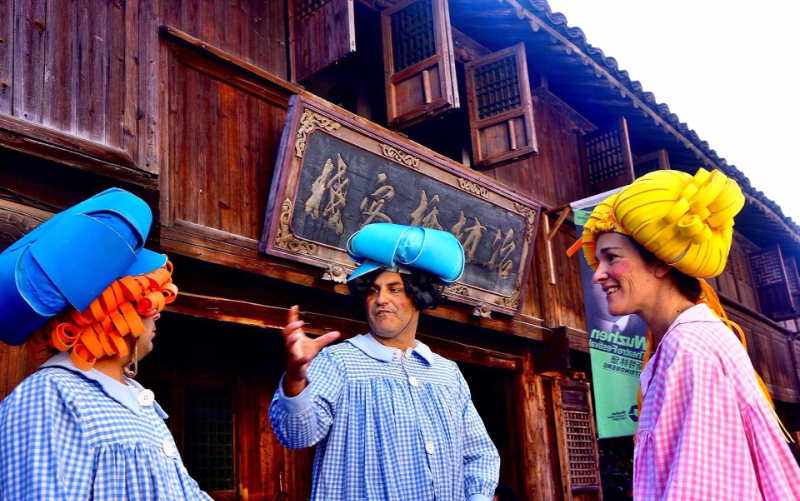
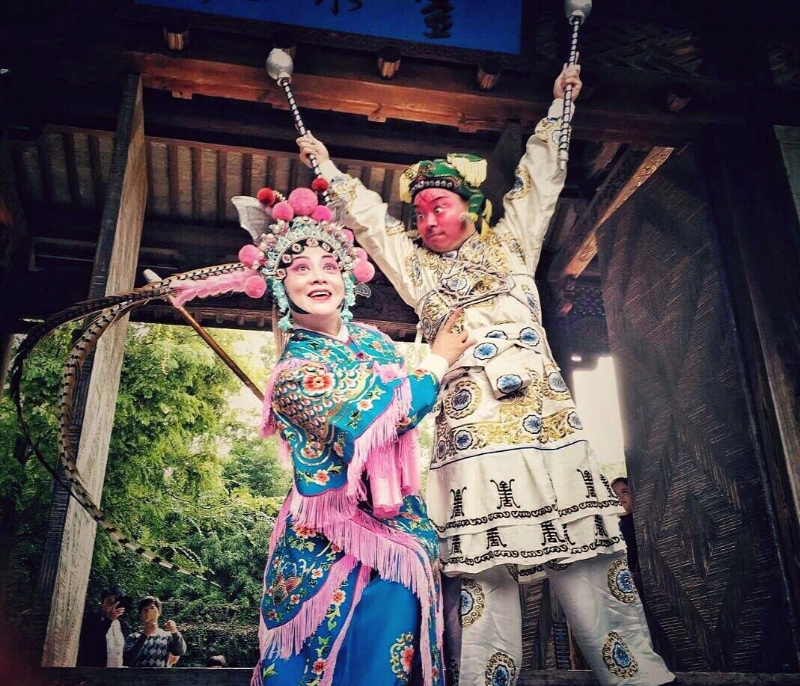
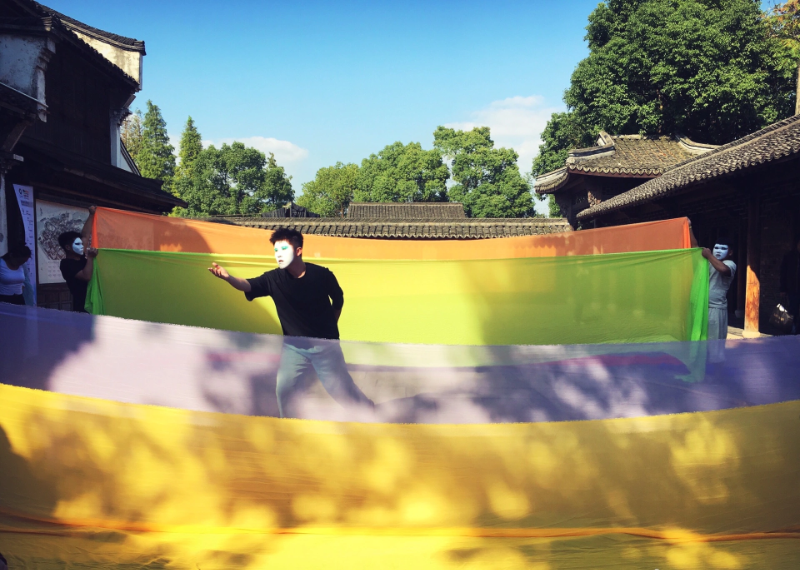
The Wuzhen Theatre Festival, held annually, has now become a coveted destination for the literati and artists. Although it has somewhat diminished the historical sense of vicissitudes in Wuzhen, the Wu-Yue culture deeply embedded at its core has never faded.
Transportation Guide
- Take the tourist shuttle directly from Xiaoshan Airport to Wuzhen, travel time: 1 hour 50 minutes (fare: 50 yuan)
- Take the shuttle from Hangzhou Tourist Distribution Center to Wuzhen, travel time: 2 hours (fare: 35 yuan)
- Self-drive (approximately 80 kilometers), travel time: 1 hour 22 minutes
Practical Information
Tickets: East Scenic Area—110 yuan/person; West Scenic Area—150 yuan/person; Combined Ticket for East and West: 190 yuan/person
Opening Hours: West Scenic Area 9:00-22:00; East Scenic Area 07:0017:00 (Mao Dun's Former Residence 08:0017:00)
Xitang Ancient Town
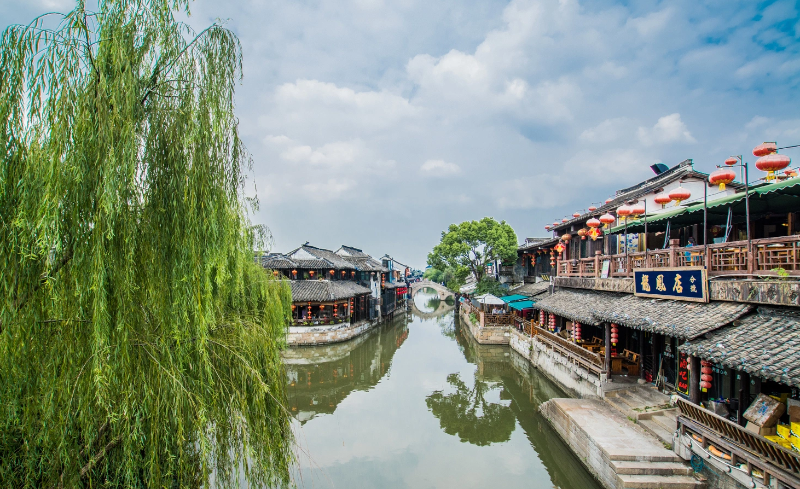
The covered corridors and ancient alleys of Xitang are its signature features, often called the “Twin Wonders of Xitang.” They are relatively rare among Jiangnan water towns, which is why Xitang is sometimes called a “living thousand-year-old town.”
Covered Walkways – Streets with roofs, some by the river, some in the middle of the road.
Ancient Alleys – Old streets and lanes, paved with bluestone, lined with green-tiled roofs and white walls.
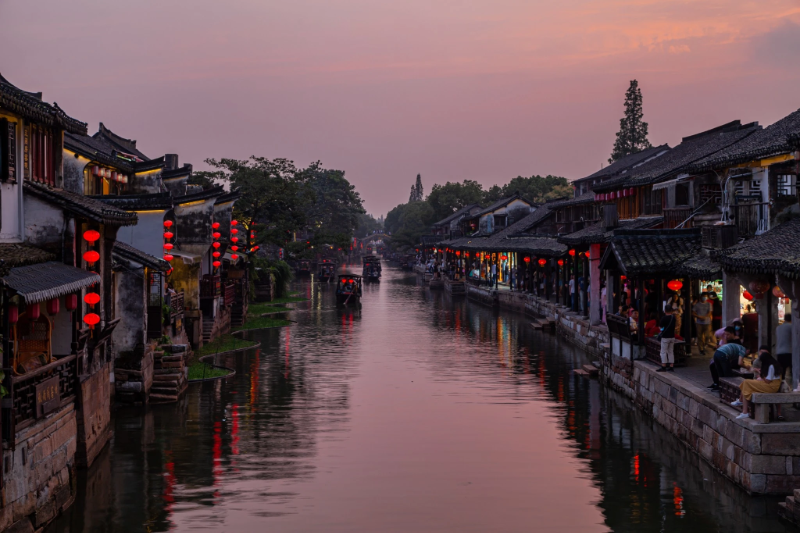
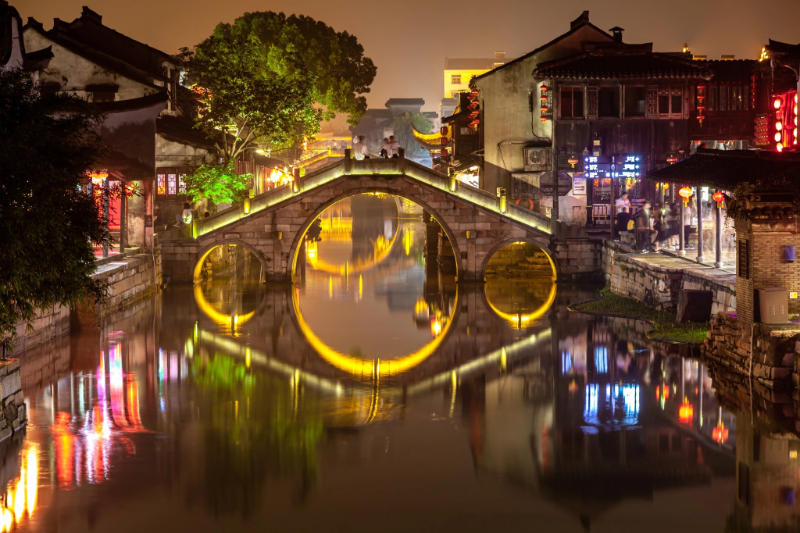
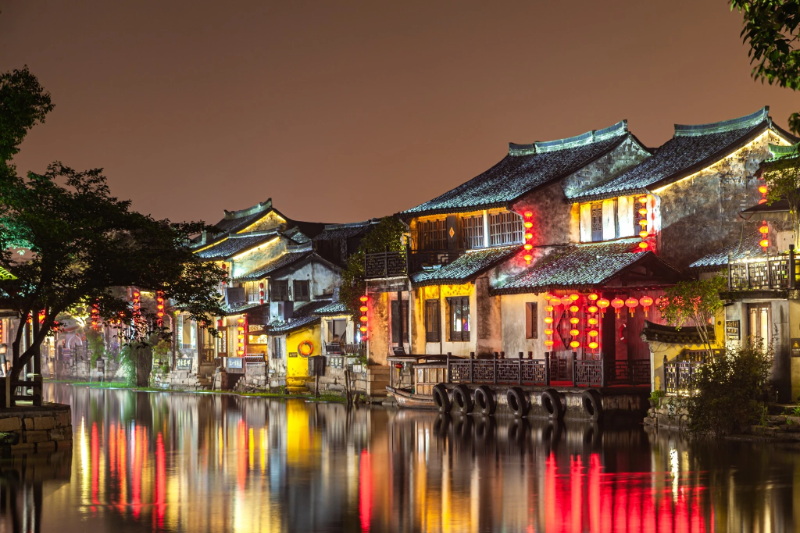
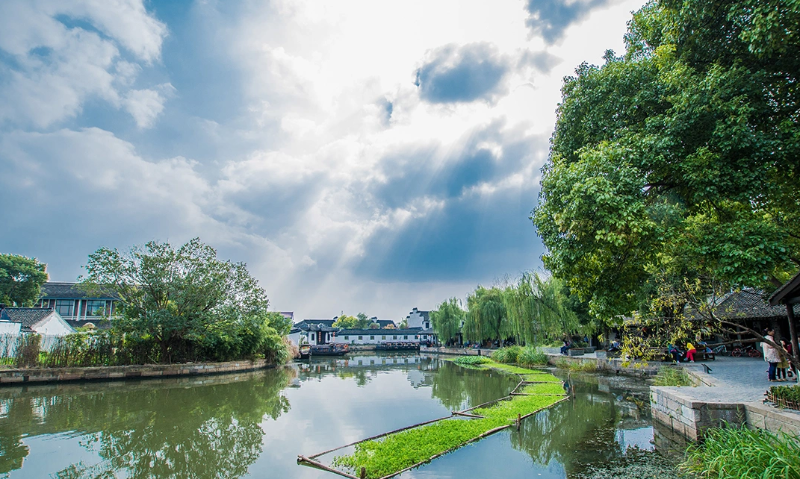
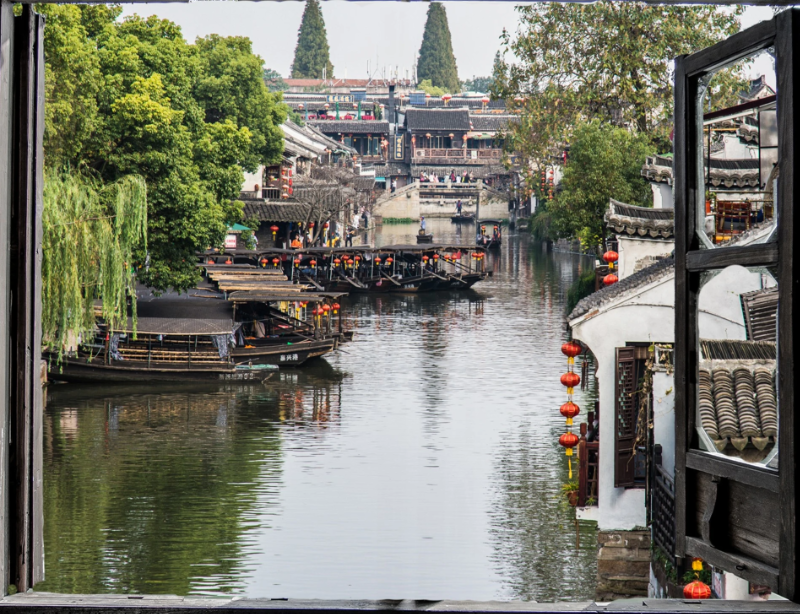
Walk deeper into town to experience the Rainy Corridor at a slower pace. A boat ride helps you see the layout from the water, and after sunset you can check out the town’s bar street for a different atmosphere.
Transportation Guide
- Take a train from Hangzhou to Jiashan Station or Jiashan South Station, then take bus K215 or K152 directly to Xitang from Jiashan Station, or take bus K222 directly to Xitang from Jiashan South Station. Travel time: 2 hours (Ticket price: 44 yuan).
- Self-drive (approximately 125 kilometers), travel time: 1 hour and 35 minutes.
Practical Information
Admission: 95 yuan/person (Night tour ticket 50 yuan/person)
Opening Hours: 08:00-16:30 (Winter) (November 1st - March 31st)
08:00-17:00 (Summer) (April 1st - October 31st)
Nanxun Ancient Town
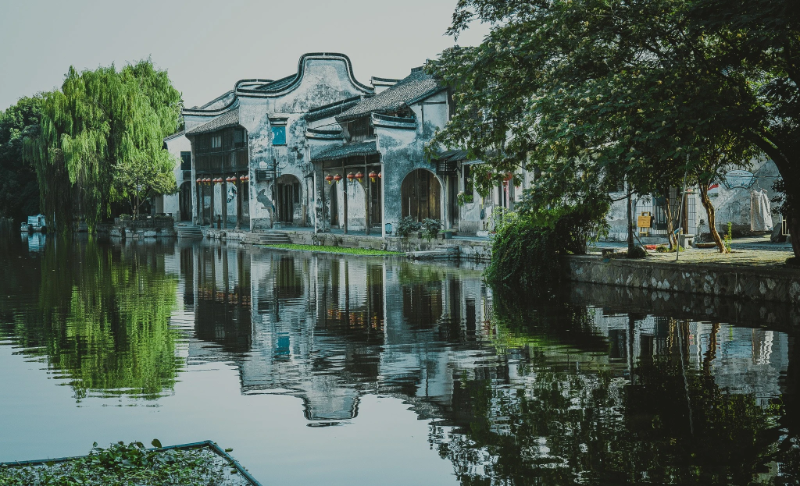
Among the major ancient towns, Nanxun stands out for a different reason. Rather than being defined only by old houses, corridors, bridges, and alleys, it is especially known for its gardens and mansions that blend Chinese and Western influences. Highlights include the grand Zhang Shiming Residence, the ornate Liu’s Ladder House, and the solid, understated Zhang Jingjiang Residence.
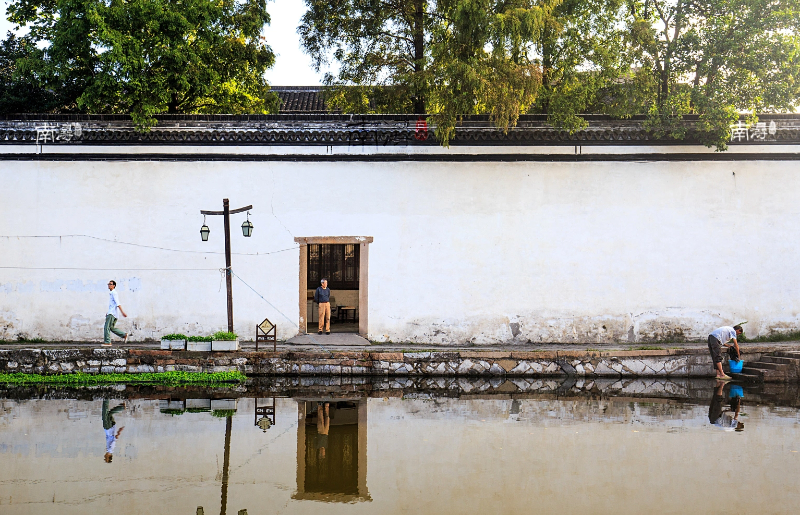
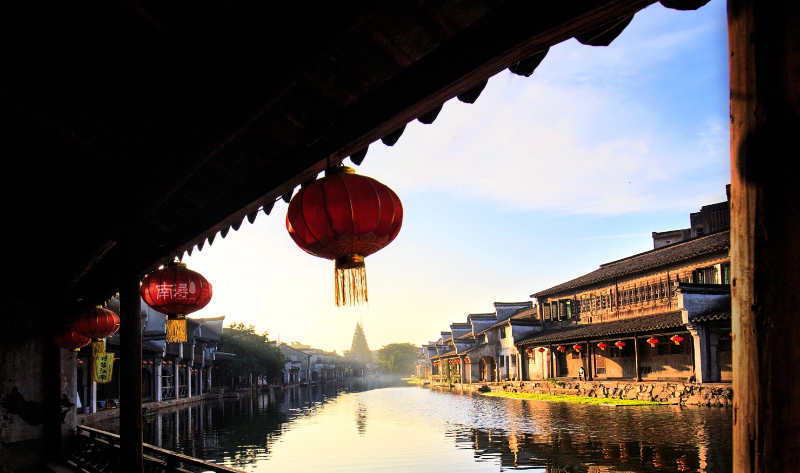
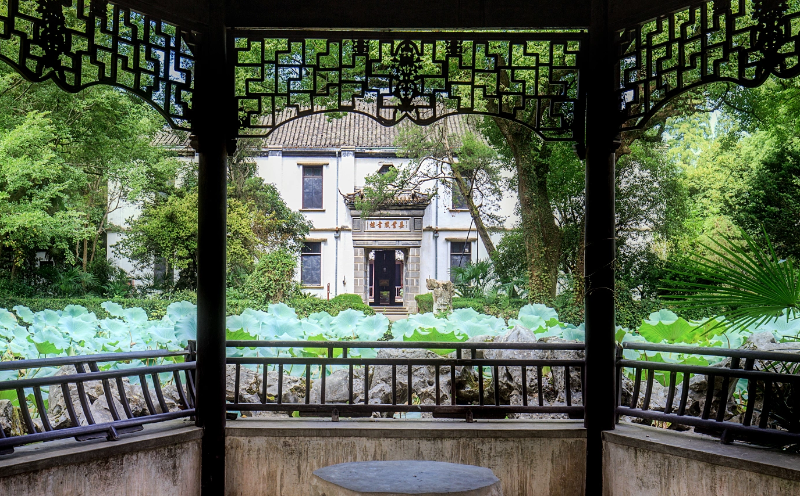
It is the latest established among the six ancient towns, and also the only Jiangnan water town not renowned for its small bridges and flowing streams. Yet, it is precisely this town, with its unique scenery and distinctive culture, that is worth fully immersing oneself in during the visit.
Transportation Guide
- First, take a high-speed train to Huzhou, then take bus No. 40 or 101B to Nanxun. After that, take a bus from the North Zhejiang Passenger Transport Center to Nanxun. Travel time: 1 hour and 50 minutes (fare: 42.5 yuan).
- Self-drive (approximately 97 kilometers), travel time: 1 hour and 45 minutes.
Practical Information
Admission: 95 yuan/person
Opening Hours: 08:00-16:30 (Winter) (November 1st - March 31st)
08:00-17:00 (Summer) (April 1st - October 31st)
Tangqi Ancient Town
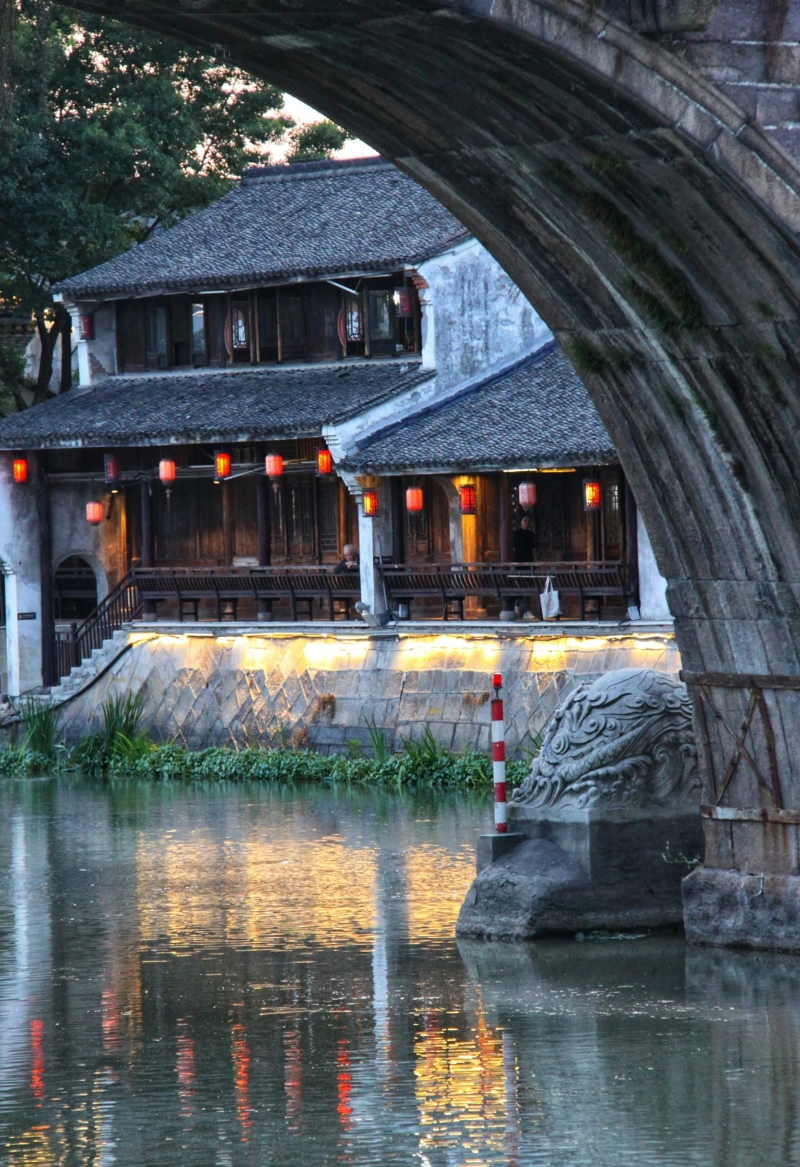
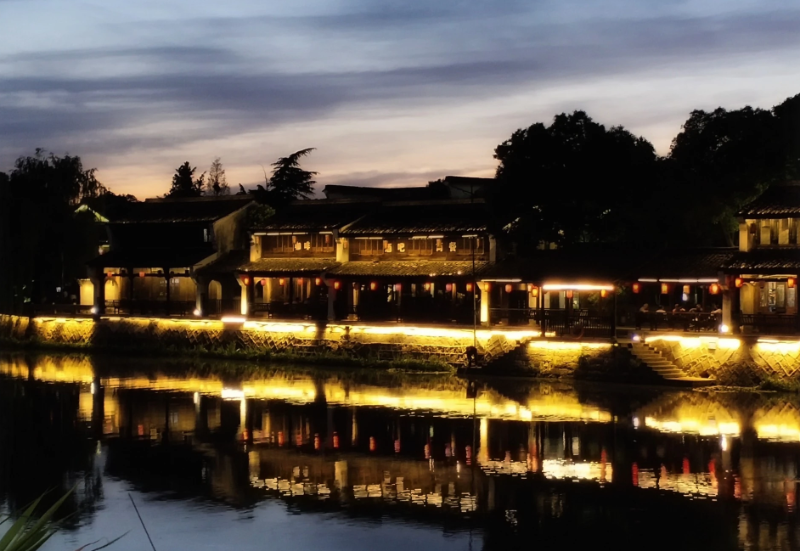
The Grand Canal runs through it, preserving the charm of the Jiangnan water towns in every detail. Tangqi Ancient Town, once hailed as the "Top of the Ten Ancient Towns in Jiangnan," has long served as the water gateway to the Jiangnan region. Though it lacks towering mountains or rushing rivers, the inherent ancient elegance and natural beauty it possesses are precisely what an ancient town should embody.
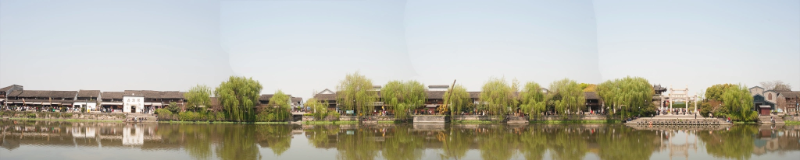
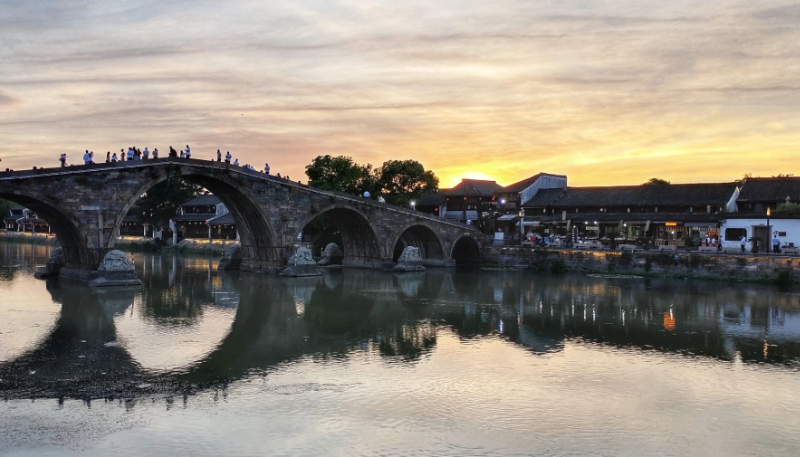
Tangxi is dotted with famous historical sites, collectively known as the "Twenty-Four Scenes of Qixi". To this day, remnants such as Guo Pu's Ancient Well, Emperor Qianlong's Imperial Stele, and the Shuinian Niangniang Temple still exist, along with the seven-arched Guangji Bridge that spans the ancient canal. Within the ancient town, many well-preserved shops from various dynasties remain, including renowned establishments like Bai Nian Hui Chang, Yao Zhi He Tang, Lao Ding Chang, Guang Tai Feng, and Da Lun Silk Factory. These unique ancient sites endow Tangxi Ancient Town with boundless charm.
Transportation Guide
- Take Metro Line 5 to Datieguan Station, then transfer to Bus 432 to Tangqi Ancient Town. Travel time: 1 hour 20 minutes (fare: 7 yuan).
- Self-drive (approximately 30 kilometers). Travel time: 45 minutes.
Practical Information
Admission: Entry to the ancient town is free, but visiting ticketed attractions requires a fee.
Opening Hours: 09:00-16:00
Longmen Ancient Town
Located in Fuyang, southwest of Hangzhou, Longmen Ancient Town is nestled to the north of the Xianxia Ridge and faces the Fuchun River to the south. It is a key attraction along the "Fuchun River—Xin'an River—Qiandao Lake" tourist route. The Longmen Stream runs through the ancient town, featuring several scenic spots such as "Origins of the Ancient Town," "Homes by the Stream," and "Traces of a Hundred Steps," which house the most exquisite landscapes of the town.
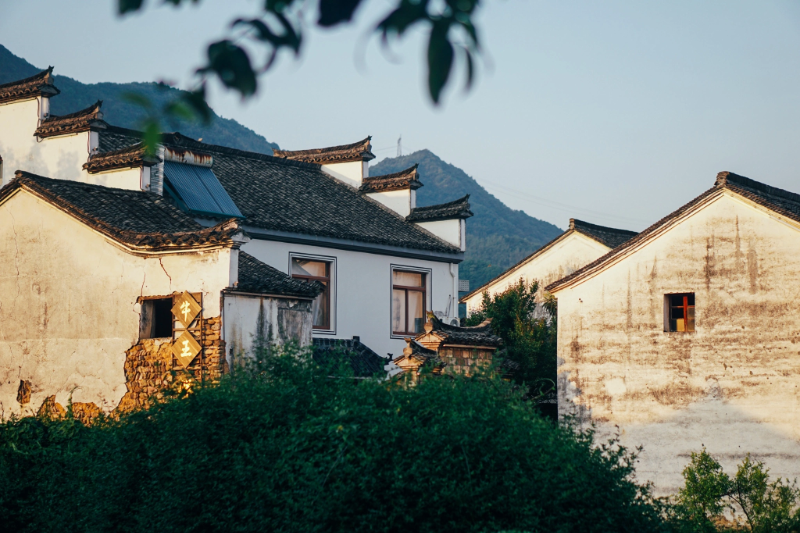
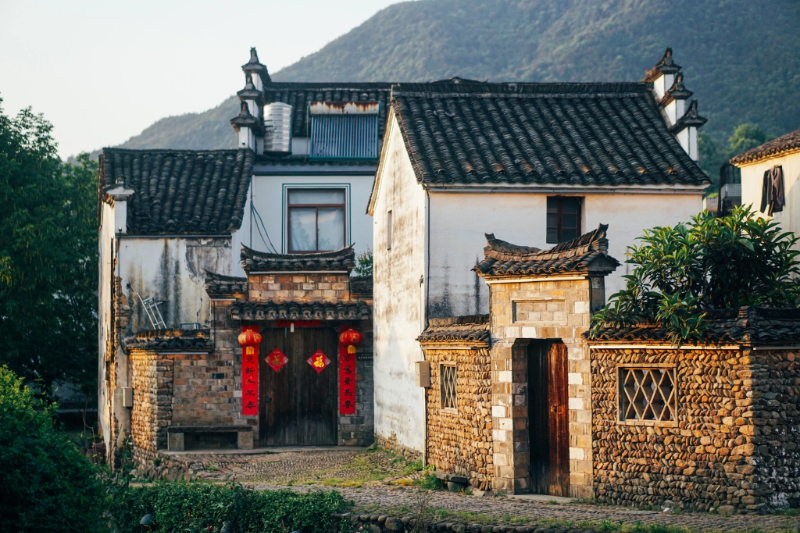
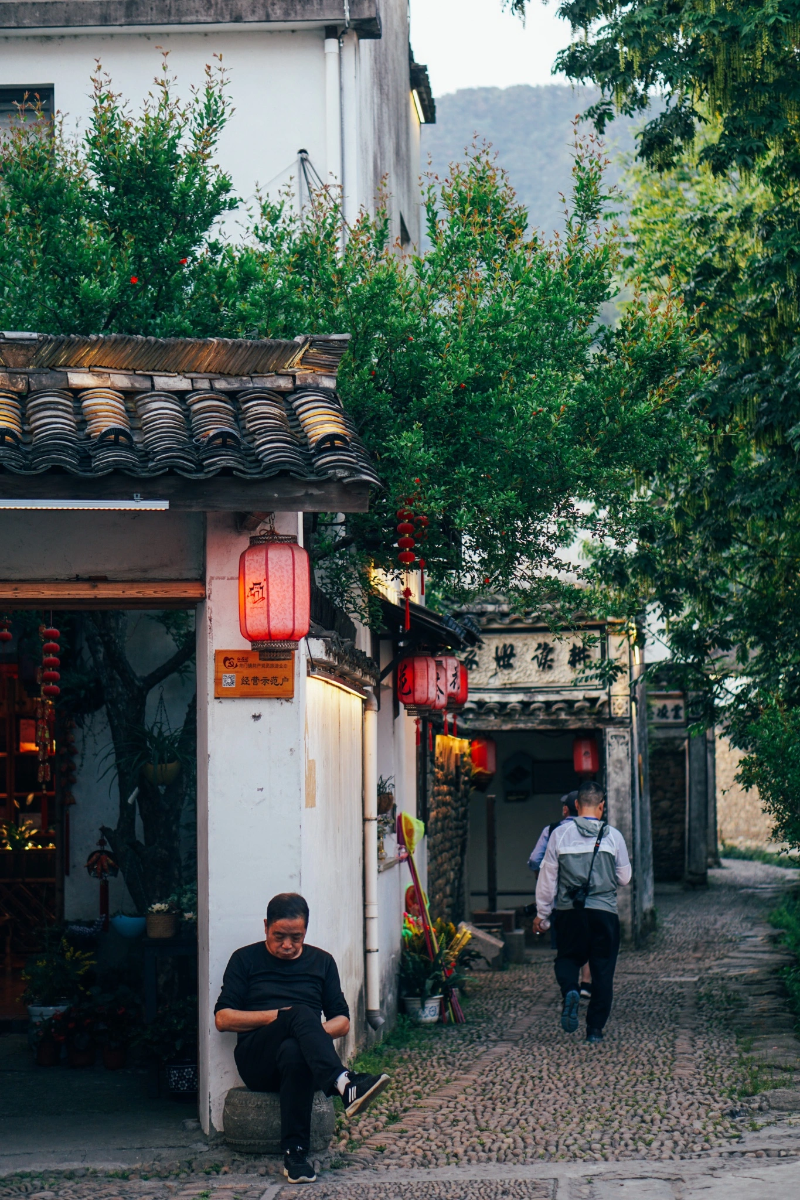
Although Longmen Ancient Town is simple and unadorned, it exudes more charm compared to the six major ancient towns. With a large number of permanent residents, most of whom retain their original lifestyle, if you want to experience the most authentic culture of Jiangnan ancient towns, you must visit Longmen Ancient Town.
In Longmen Ancient Town, 90% of the current residents share the surname Sun, as they are descendants of Sun Quan from the Three Kingdoms period who migrated here. Hence, Longmen Ancient Town is praised as "a picturesque place with the Longmen formation, a land of outstanding people and the Sun family."
Transportation Guide
- Take Metro Line 1 and transfer to Line 6, then get off at West Osmanthus Road. After that, take bus 2358C to Longmen Ancient Town. The journey takes 1 hour and 10 minutes (fare: 12 yuan).
- Self-drive (approximately 58 kilometers), the journey takes 56 minutes.
Practical Information
Admission: 80 yuan/person
Opening Hours: 08:00-17:00
Heqiao Ancient Town
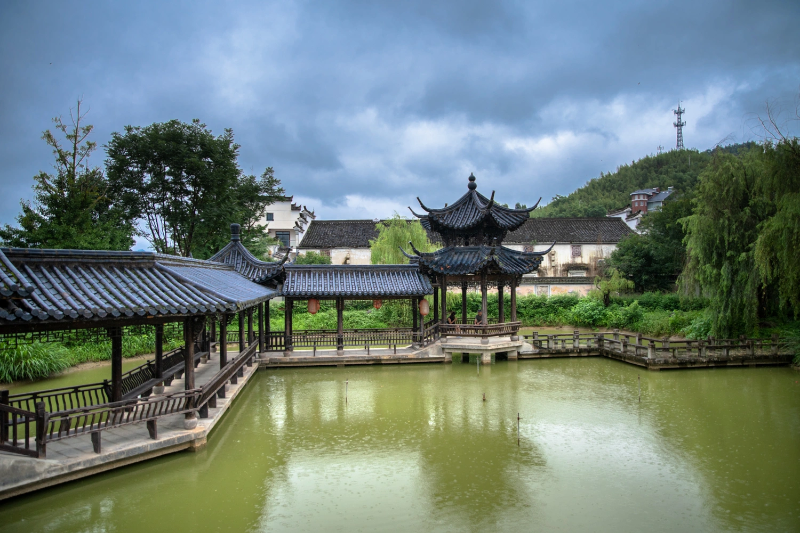
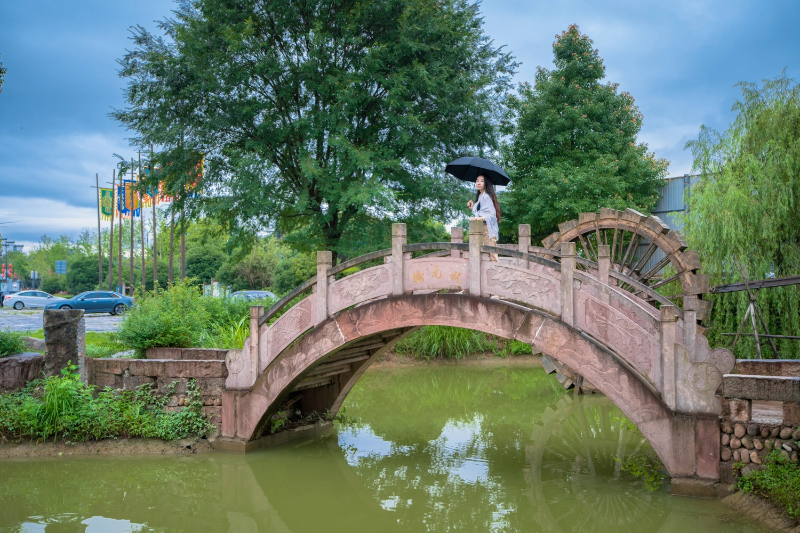
Heqiao Ancient Town was established during the Jiajing period of the Ming Dynasty and is known as the First Town of Tangchang (present-day Changhua). As a renowned immigrant town in Chinese history, it has long been a gathering place for a hundred families, a hundred trades, and a hundred craftsmen. Although it lacks many prominent wealthy families, it has left behind a rich legacy of folk customs in Heqiao.
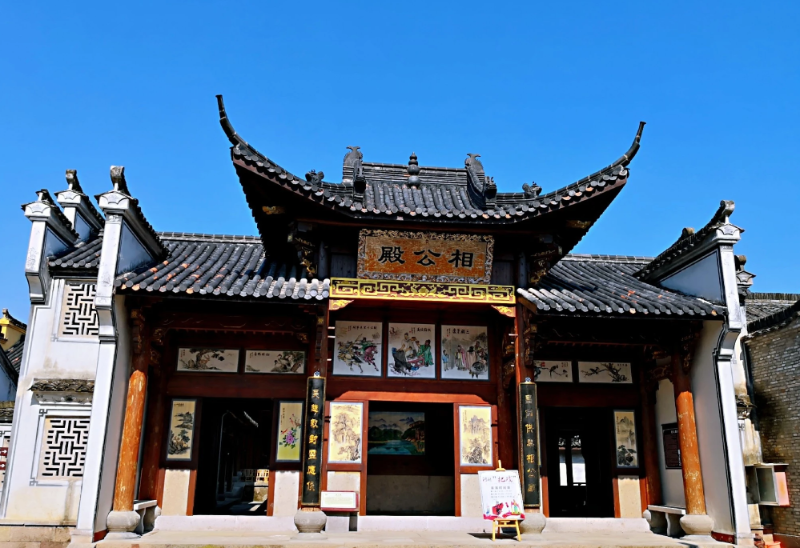
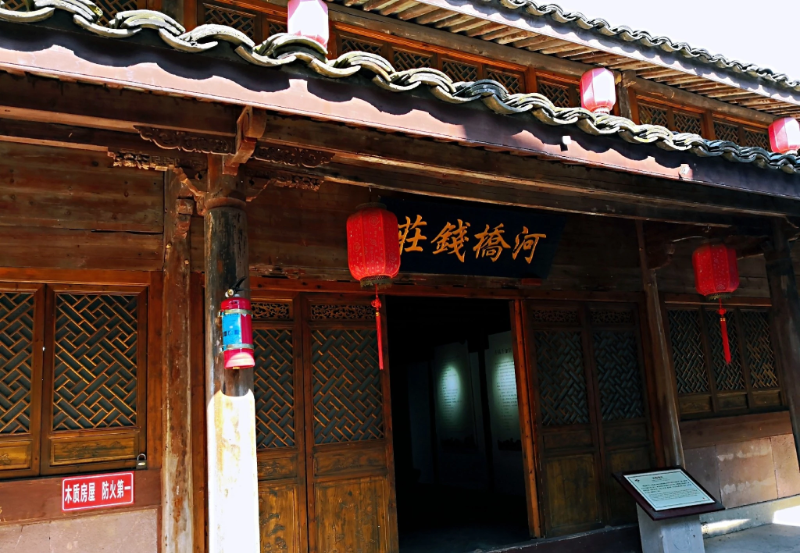
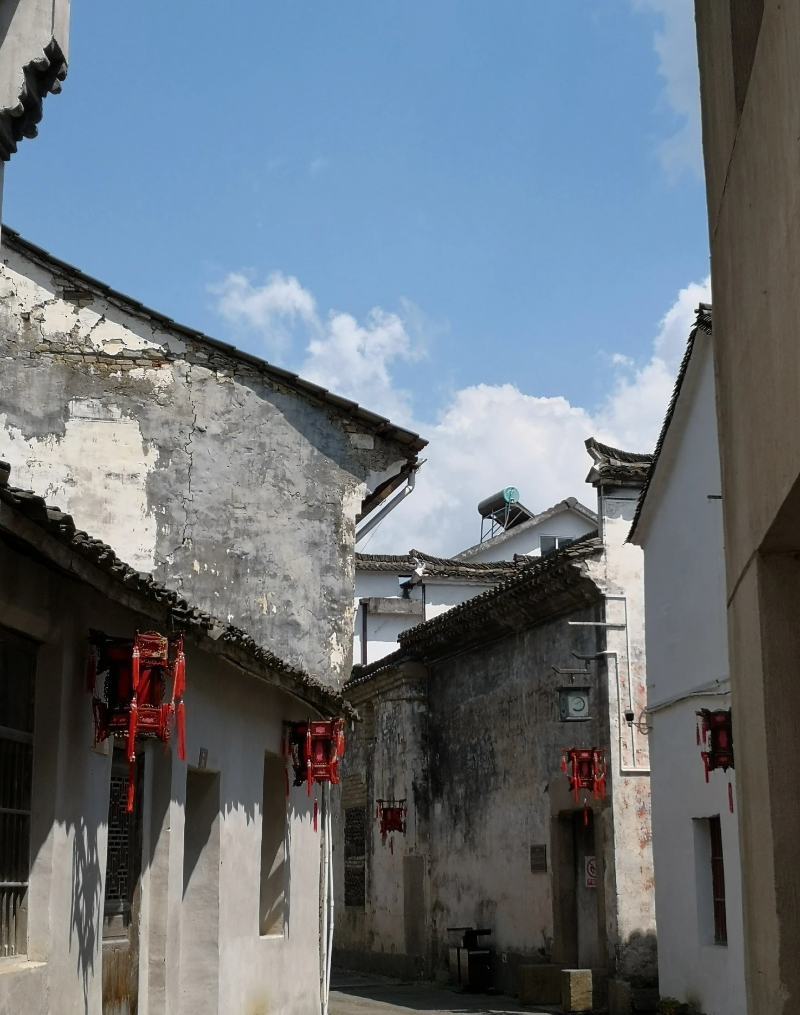
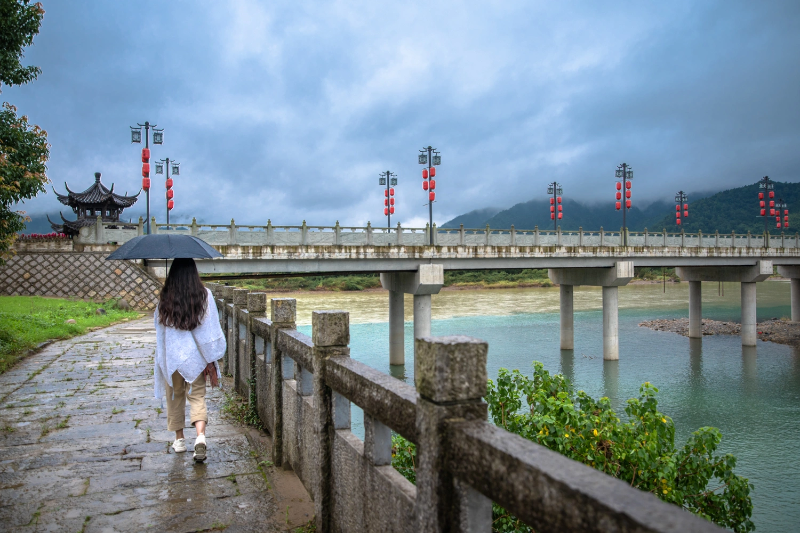
The ancient town features cultural venues such as the Western Zhejiang Anti-Japanese War Memorial Hall, the Heqiao Agricultural and Folk Museum, and the Qinglou Culture Museum, as well as attractions like Xianggong Mansion and Heqiao Old Street. The town is small and can be explored in about an hour. Just outside the town lies the continuation of the ancient Huihang Trail—Liuxi River, where visitors can also stop to admire the scenery.
Transportation Guide
- Take a bus from Hangzhou East Bus Station to Changhua, then transfer to bus 2907 to Heqiao Ancient Town. Travel time: 3 hours (fare: 17 yuan).
- Self-drive (approximately 127 km). Travel time: 1 hour 45 minutes.
Practical Information
Admission: 80 yuan/person
Opening Hours: 08:00-16:30