Hangzhou has been a heartland of Jiangnan tea culture for centuries. West Lake Longjing—one of China’s most famous teas—was prized by emperors and elites for over a thousand years, and it remains one of the city’s best souvenirs today. Exploring this deep, living tea culture is one of the most rewarding parts of a Hangzhou trip.
Meijiawu Village: Tea Fields You Can Hike Through
In the hills around West Lake, tea plantations are scattered everywhere. The most famous is Longjing (Dragon Well) Tea Village, one of the Ten Scenes of West Lake. If you want fewer crowds and a more relaxed tea-field experience, Meijiawu is often the better pick.

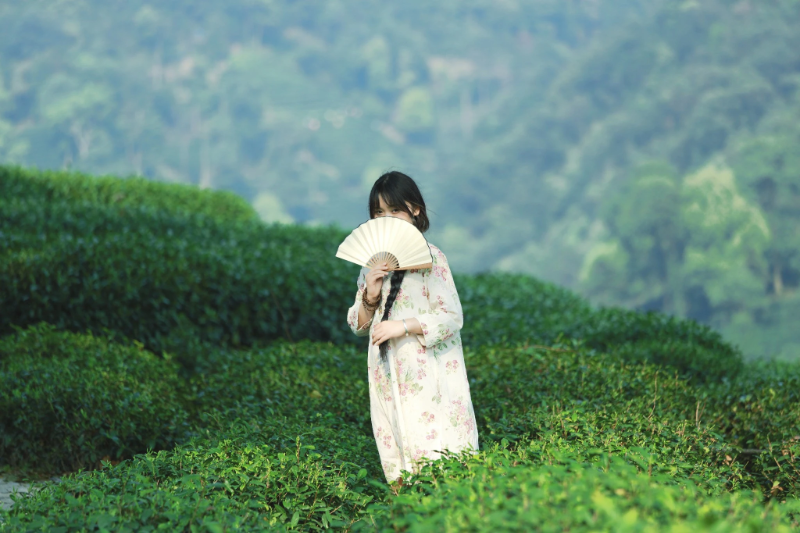
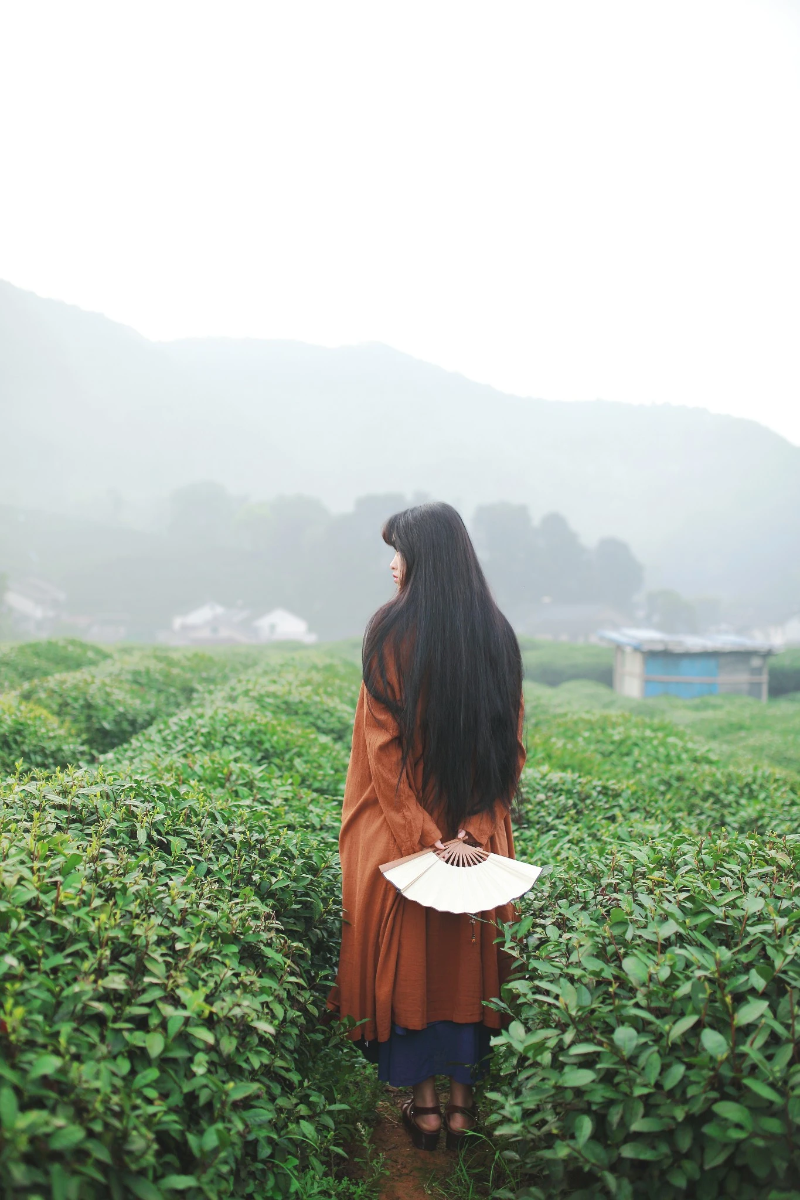
Meijiawu sits next to the Yunqi Bamboo Path and is part of several classic West Lake hiking routes. The terraced Longjing fields roll with the hills and feel clean, open, and photogenic. You’ll also find many tea houses here. If you visit between March and May, you may be able to taste freshly picked first-flush Longjing.
Address: Meijiawu Village, Xihu District, Hangzhou
How to get there: Take Bus 103 and get off at Meiwu South Entrance Station.
Longwu Tea Village: A Hidden Tea World Southwest of the City
Many visitors don’t realize that Longwu Village, in southwest Hangzhou, is home to the city’s largest Longjing production area. With around 14,000 acres of tea fields, it accounts for a huge share of Hangzhou’s Longjing output. Longwu is also nicknamed “Hangzhou’s Little Jiuzhaigou.” Alongside lush vegetation, you’ll find the shimmering Guangming Temple Reservoir, making the area feel like a quiet natural oxygen bar.
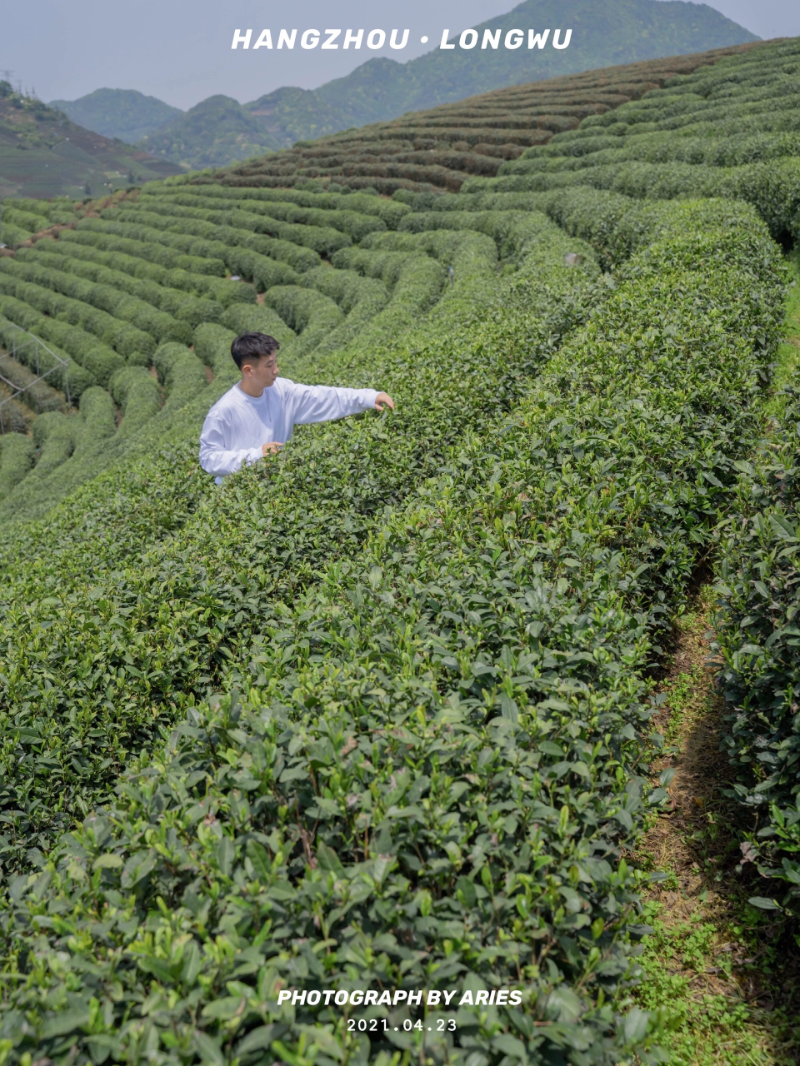
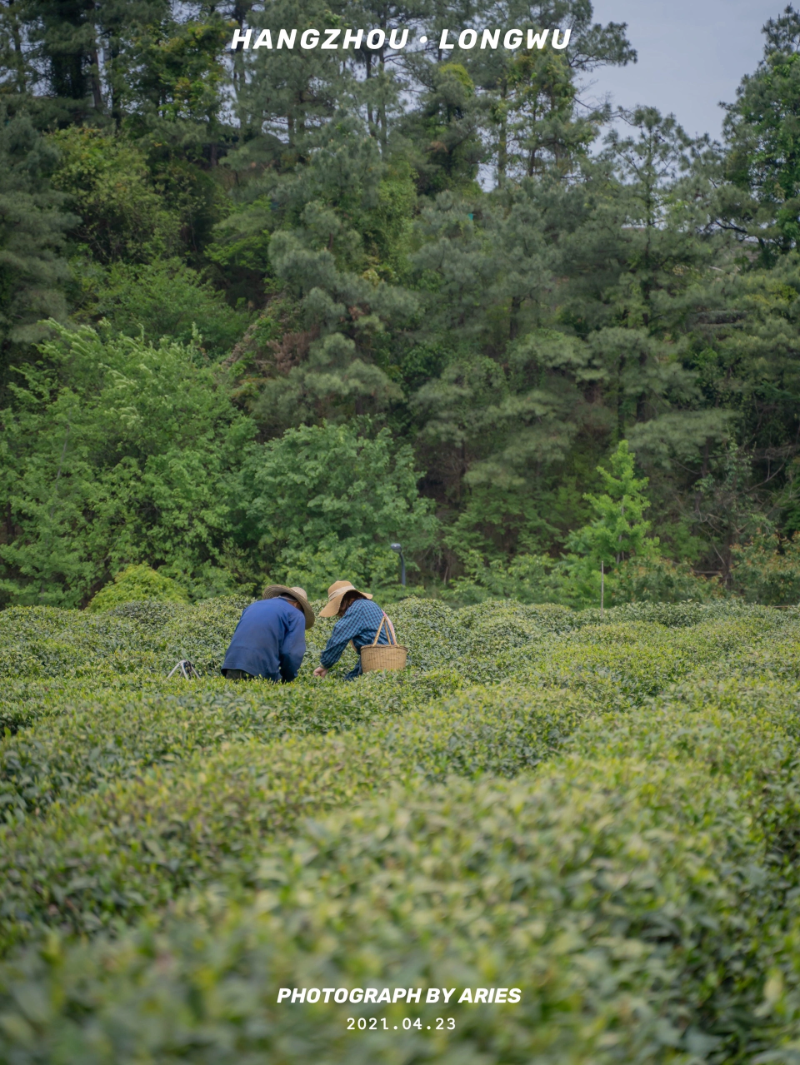
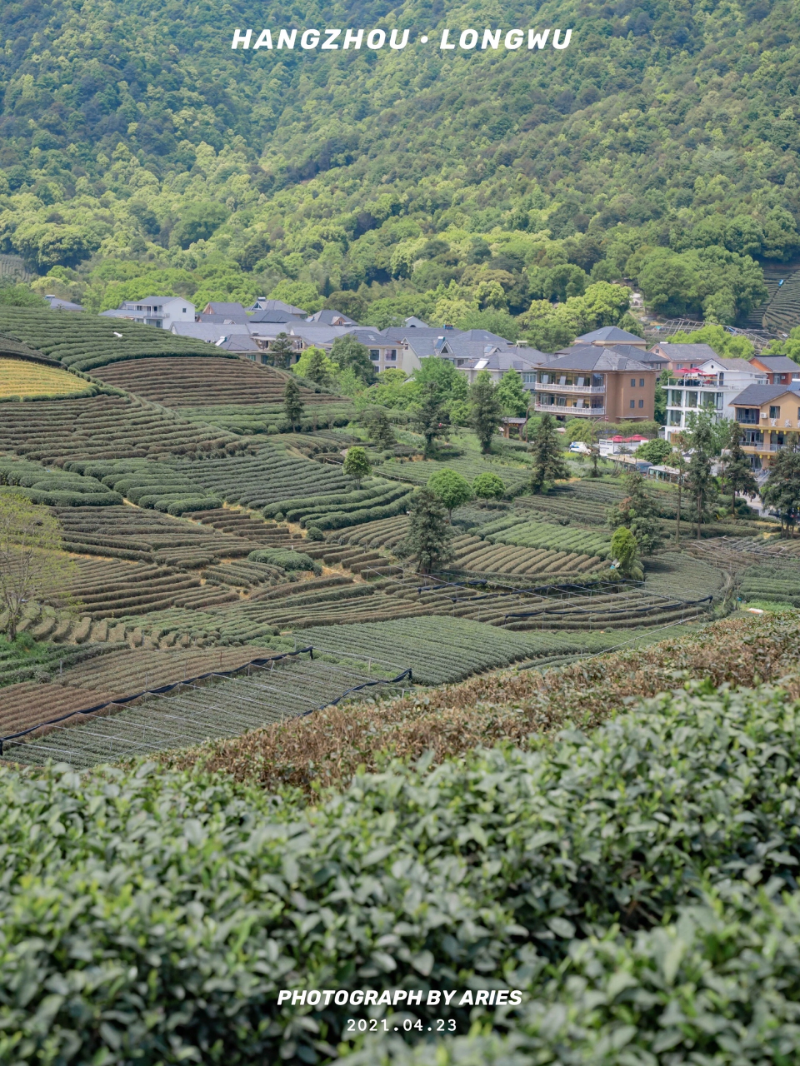
Longwu is full of tea plantations, and many offer tea-picking and tea-tasting experiences. If you want to go deeper into Longjing culture in a less touristy setting, this is a strong choice.
Address: Longwu Tea Village, Xihu District, Hangzhou
How to get there: Take the 1407 community shuttle bus near Xiangshan Campus of China Academy of Art and get off at Shangchengdai Village Square Station.
China Tea Museum: Go Deeper into Tea Culture
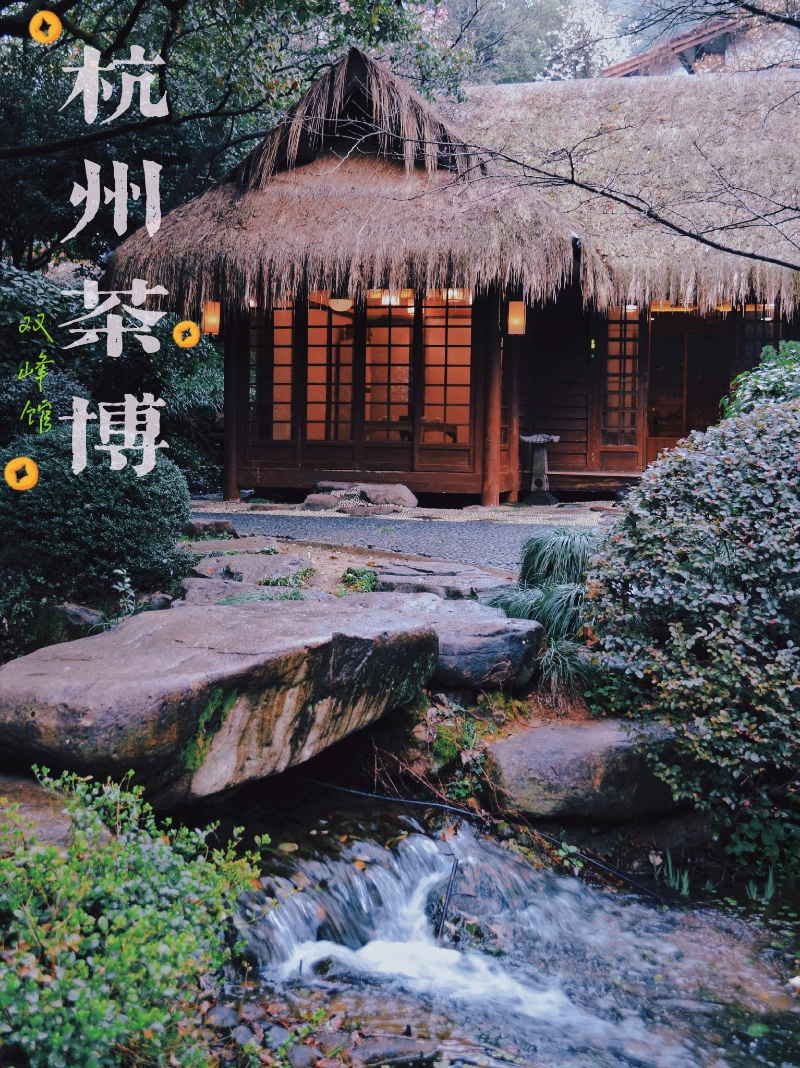
After seeing the tea fields, the China Tea Museum is the best place to understand the culture behind them. The museum has two branches: Shuangfeng and Longjing. The Shuangfeng branch sits in a peaceful, thatched-style setting and walks you through tea’s evolution from early dynasties to modern times, including utensils, rituals, and regional customs. It’s not just about Longjing—there are hundreds of tea varieties from across China, with clear explanations throughout. The museum also offers paid tea-art training courses, with schedules and prices listed on the official website.
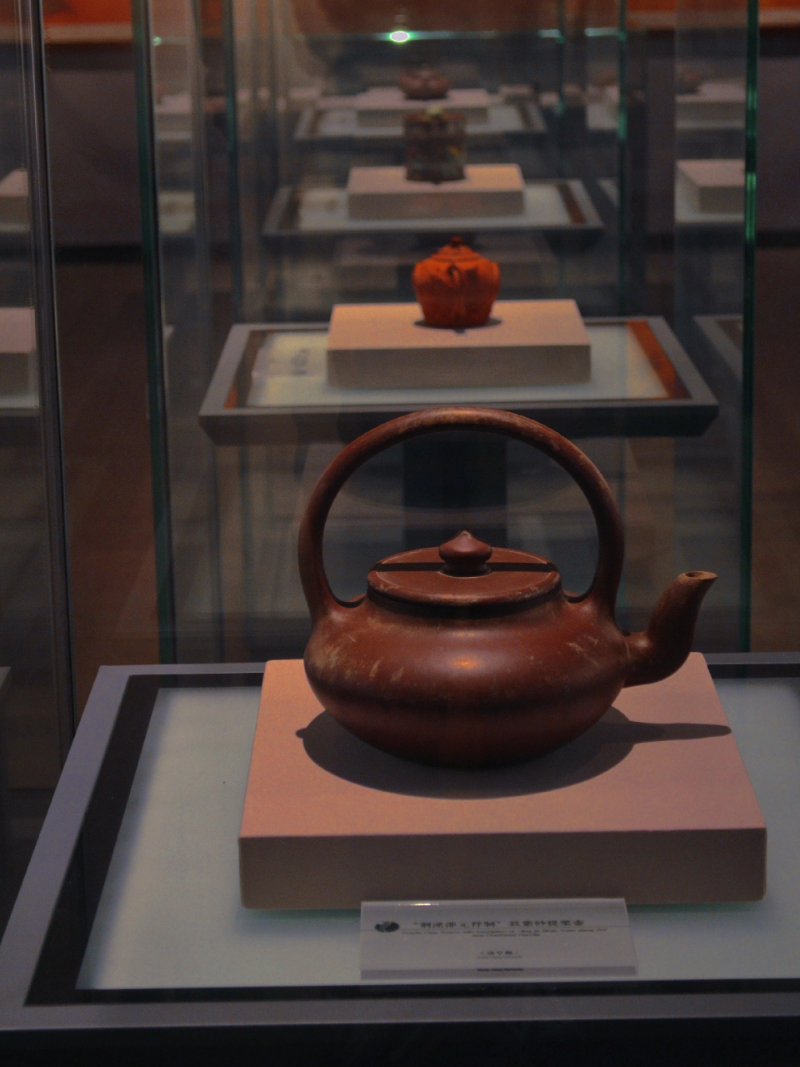
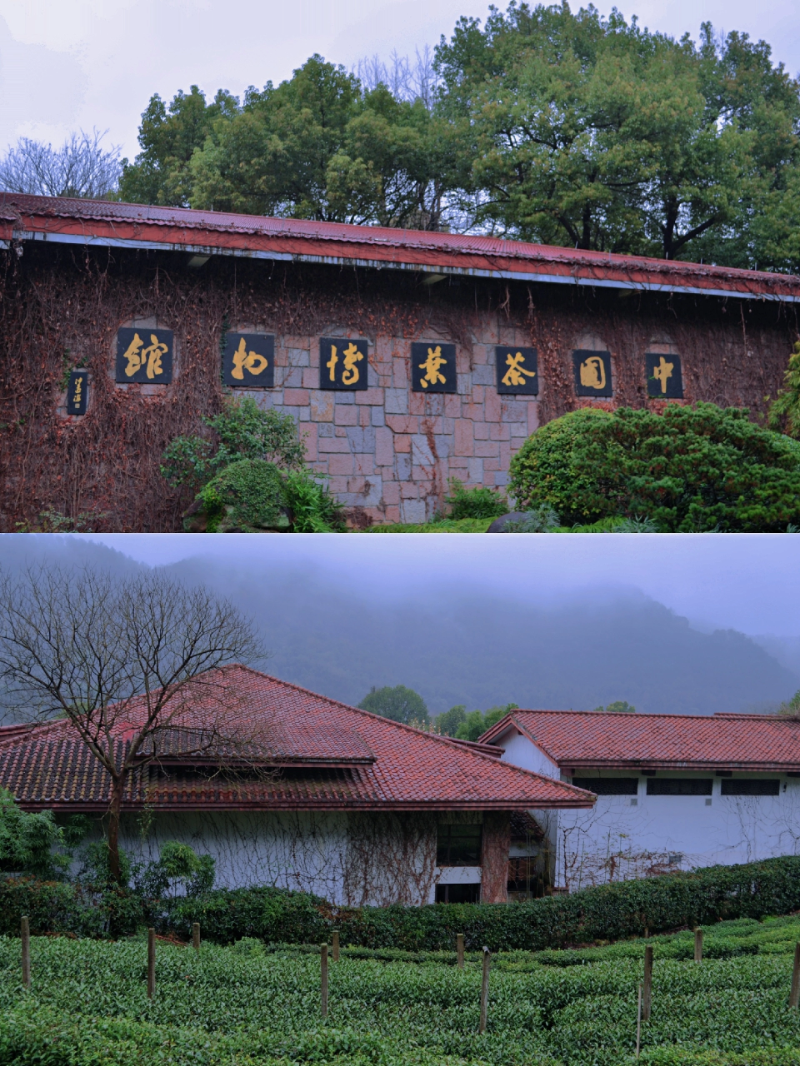
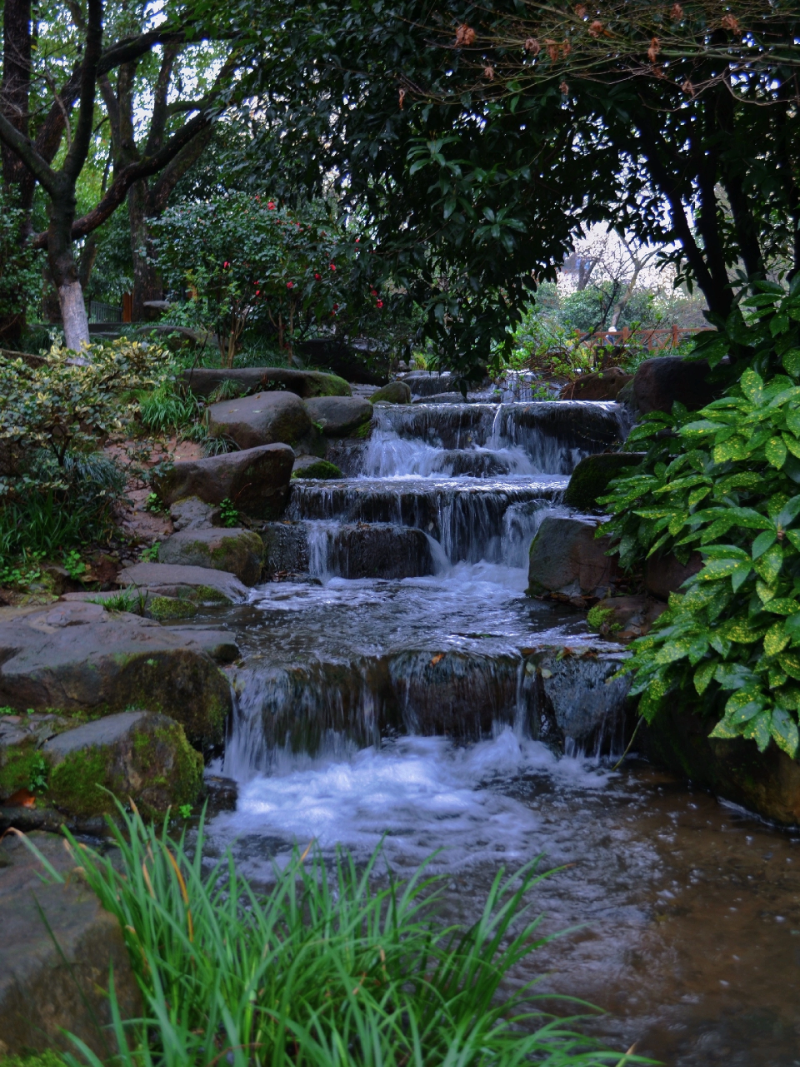
The Longjing branch focuses more on tea culture exchange between China and the rest of the world, with exhibits covering tea traditions in more than 60 countries.
Address:
Shuangfeng Pavilion: No. 88 Longjing, Shuangfeng Village, Longjing Township, Xihu District, Hangzhou
Longjing Pavilion: No. 268 Wengjiashan, Xihu Street, Xihu District, Hangzhou
Opening Hours: 9:00-16:30 (Closed on Mondays)
Admission: Free
Official Website: http://www.teamuseum.cn/index.htm
Qingteng Teahouse: A Time-Honored, Great-Value Classic
As a former capital with deep tea roots, Hangzhou is full of teahouses—but Qingteng is one of the best known. It’s a long-running self-service teahouse with multiple branches, and its West Lake location has been popular for years.
Two strong picks here are Osmanthus Longjing (a very Hangzhou choice) and the fragrant Mi Lan Xiang Dancong. Snacks such as small wontons, scallion oil noodles, peanuts, chicken feet, and seasonal fruit are often available for self-service, making it feel especially good value.
Address (West Lake Store): No. 278, Nanshan Road, Shangcheng District, Hangzhou
Business Hours: 9:30 AM - 12:00 AM
Average Cost: 114 RMB per person
【A Little Science! The Correct Way to Drink Longjing Tea】
The best water for brewing Longjing tea is mountain spring water, with a temperature of around 80°C. Use 3-4 grams of tea per cup, and fill it to about 70-80% with water. When tasting the tea, first bring the cup to your nose and take a deep breath to savor the aroma. Then, slowly sip and carefully appreciate the flavor.
He Cha Guan Teahouse: Rustic Calm Inside Amanfayun
He Cha Guan has been around for more than 20 years, and its Fayun Nong branch is especially distinctive. It sits inside a five-star resort area (Amanfayun), surrounded by bamboo and quiet mountain paths. The walk in feels like entering a secluded retreat, and the rustic interior makes it a great place to slow down, taste tea, and reset.
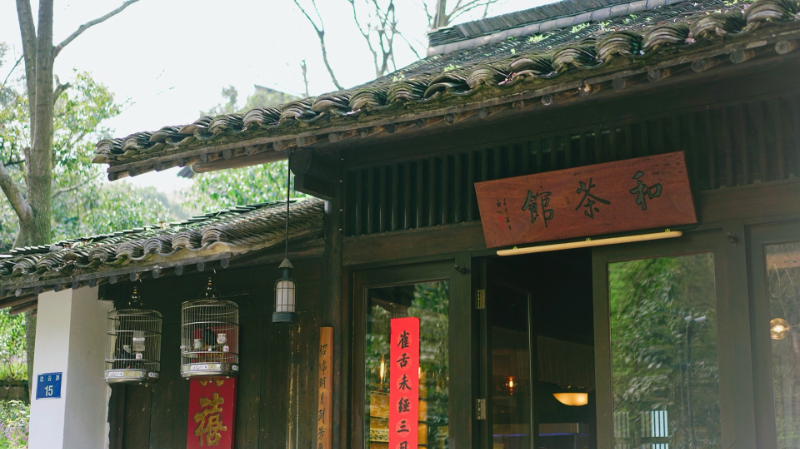
The teahouse is adjacent to Lingyin Temple. Travelers can reach Fa Yun Aman in a 3-5 minute walk after visiting Lingyin Temple. If you do not plan to visit the temple, you can also enter directly through the hotel's main gate.
Private dining is available by reservation, priced at 198 yuan per person, with the menu determined by the chef.
Address: Inside Aman Hotel, No. 15 Fayun Lane, Xihu Street, Xihu District, Hangzhou
Business Hours: 10:00-21:00
Average Cost: 241 RMB per person
Where to Buy Tea in Hangzhou: Jiefang Road Tea Wholesale Market
When visiting Hangzhou, West Lake Longjing tea is undoubtedly the best souvenir for elders. However, for those unfamiliar with tea, it's easy to get overcharged. So, where can you buy tea without falling into a trap? The answer is the Jiefang Road Tea Wholesale Market.
This indoor tea market is home to numerous shops. While they may lack fancy storefronts and packaging, it’s a favorite spot for locals to buy tea. Among them, Shop 3-30 is a well-established store that has been in business for over a decade. Unlike many external tea shops with their tricks, every recommendation here is tailored to the customer’s taste, offering excellent value for money.
Address: 185 Youshengguan Road, Shangcheng District, Hangzhou
Business Hours: 8:30 AM - 5:00 PM
【Distinguishing Authentic West Lake Longjing】
In terms of appearance, authentic West Lake Longjing is not a vibrant green but rather a yellowish hue, with flat leaves and minimal damage. In terms of aroma, it emits a subtle, fresh fragrance. In terms of texture, high-quality Longjing will crumble into powder when pinched; if it lacks sufficient dryness, it may indicate that the tea has absorbed moisture, suggesting lower quality. In terms of taste, authentic Longjing tea is sweet, refreshing, and leaves a lingering aroma in the mouth. If it is counterfeit or of poor quality, it will taste bitter and rough, and the brewed tea will appear murky.