Dujiangyan is the world’s best-known ancient, still-functioning, damless water-diversion system. Built more than two thousand years ago, it has endured floods, storms, and earthquakes, yet it continues to work. Its impact is so profound that it helped turn the Chengdu Plain into the famed “Land of Abundance.”

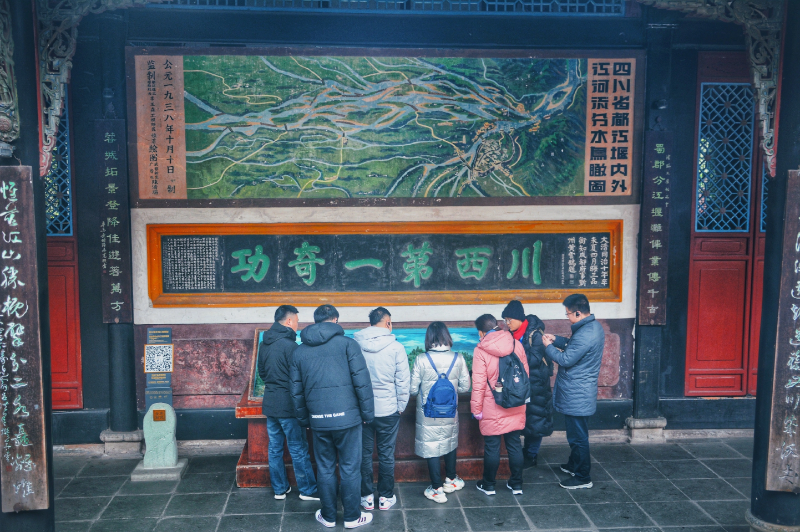
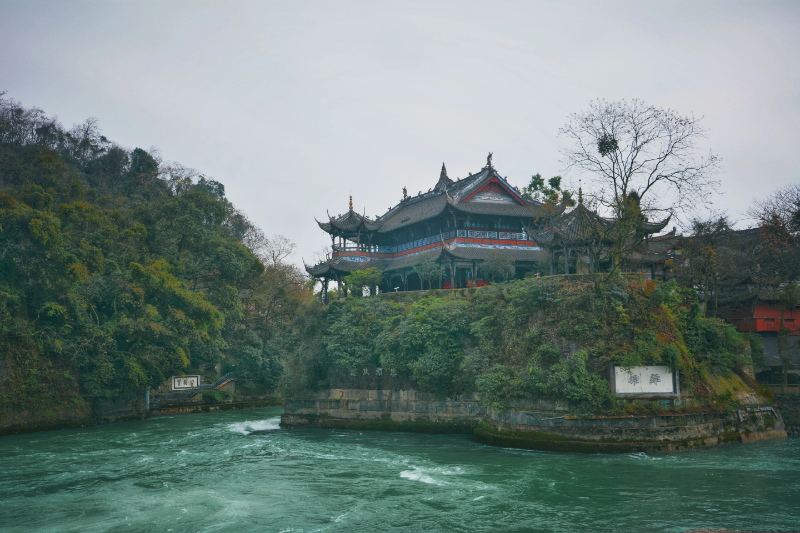
When Visiting the Dujiangyan Scenic Area, Don’t Miss…
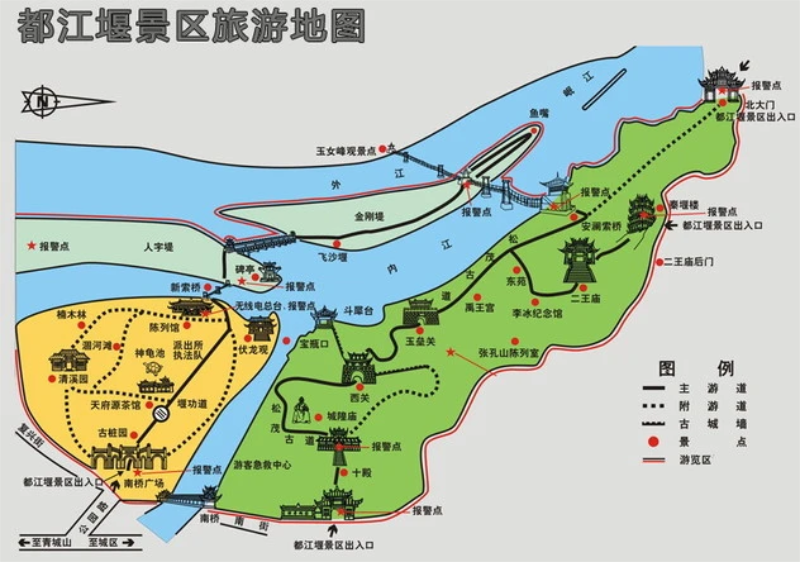
The Dujiangyan Scenic Area is usually understood in three parts: Lidui Park, the core waterworks, and the Yulei Mountain area. The route is laid out as a loop, so you can cover the highlights in about half a day from most entrances. The main differences are crowd levels and how much uphill walking you’ll do.
Lidui Park
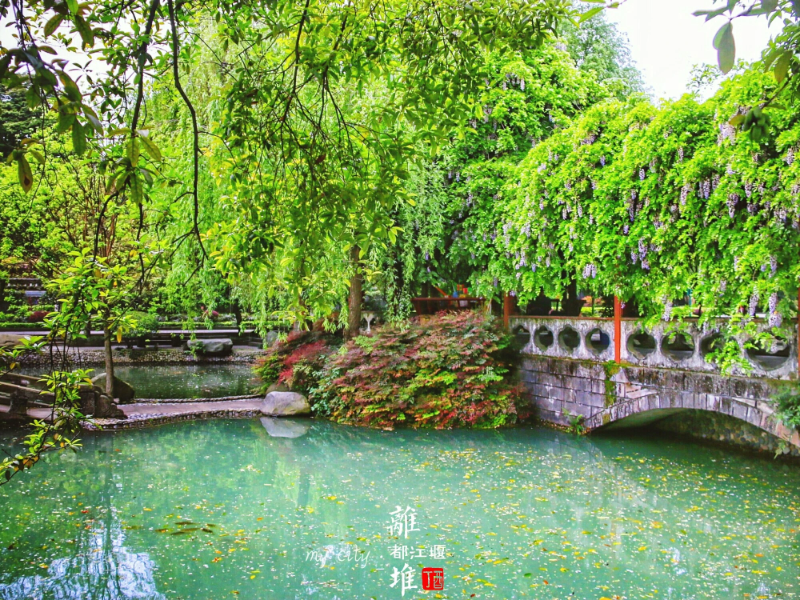
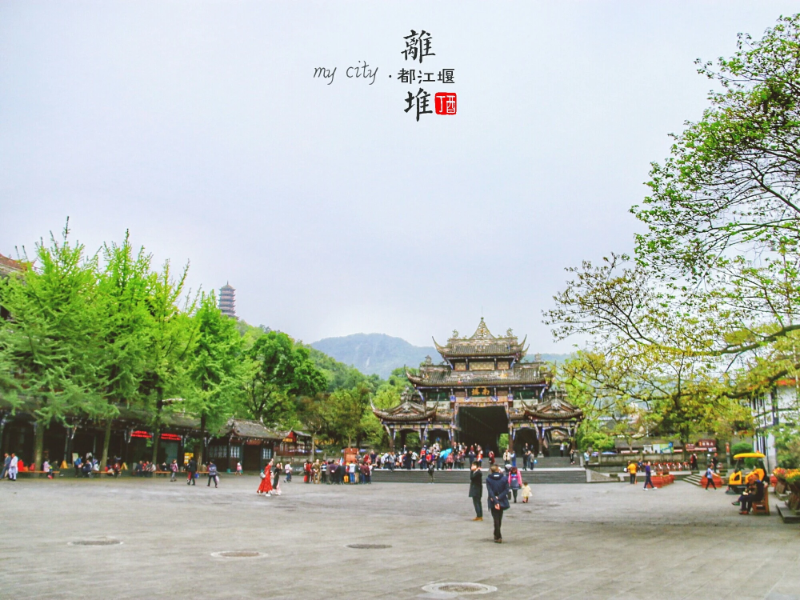
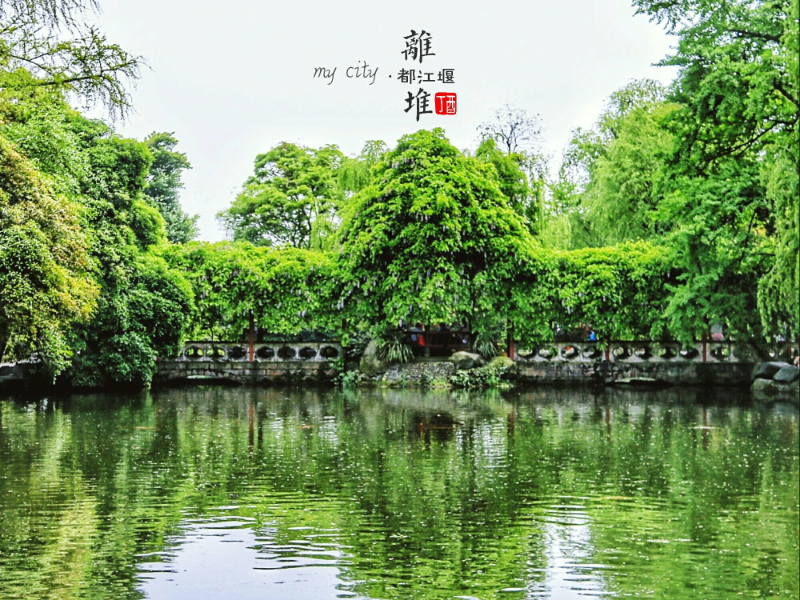
Lidui functions as a second line of defense if the Fish Mouth is overwhelmed. The name “Lidui” roughly means “a small mound split from the mountain.” The park isn’t huge, but it’s leafy and full of winding paths—great for a slow walk. In summer, the dense greenery also helps it stay noticeably cooler.
Fulongguan
Fulong Temple inside Lidui Park is another highlight. This Taoist temple was first built in the Jin Dynasty to honor Fan Changsheng, a key leader of the Tianshi Taoist tradition on Mount Qingcheng. It was later renamed to commemorate Li Bing, the engineer behind Dujiangyan.
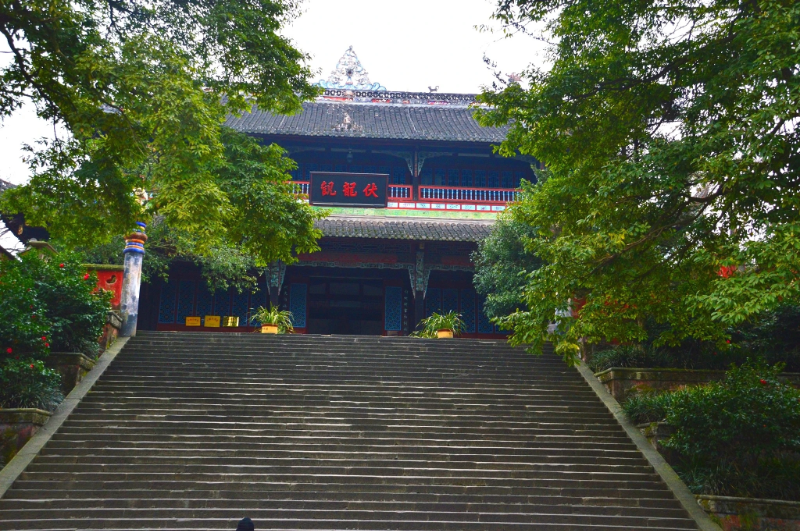
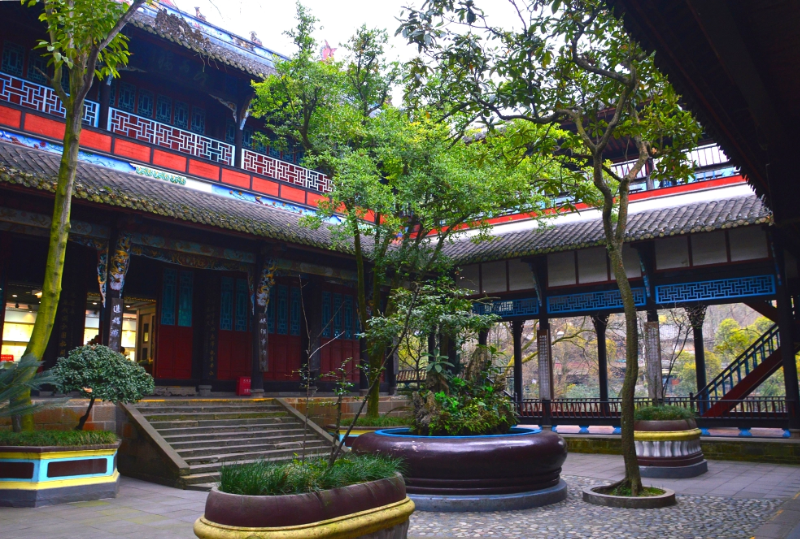
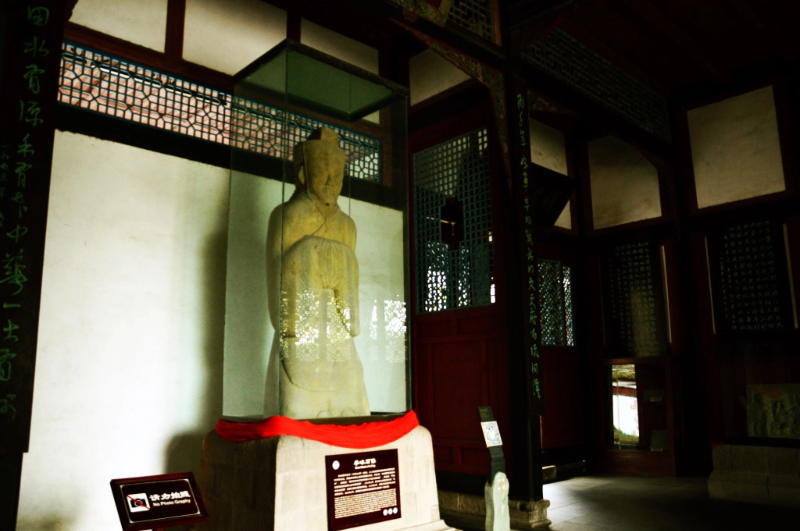
In the center of the main hall stands a stone statue of Li Bing, a cultural relic recovered from the river during a 1974 project. It’s worth a close look. The temple’s viewing pavilion also offers excellent angles on Feishayan, Anlan Suspension Bridge, and the Fish Mouth.
Lidui Park Museum
Lidui Park also includes a small museum inside Huicui Palace. It’s compact but does a good job explaining Dujiangyan’s history and engineering logic. A quick visit here makes the rest of the site much easier to appreciate.
The Core Waterworks
The water conservancy project is the heart of Dujiangyan, preserving the engineering ideas attributed to Li Bing and his son.
Baopingkou
Baopingkou (“Bottle-Neck Mouth”) is one of the system’s most critical elements. This narrow channel—under 20 meters wide in places—controls how much water enters the inner river and flows toward the Chengdu Plain. From above, it really does resemble the neck of a bottle, which helps explain the name.
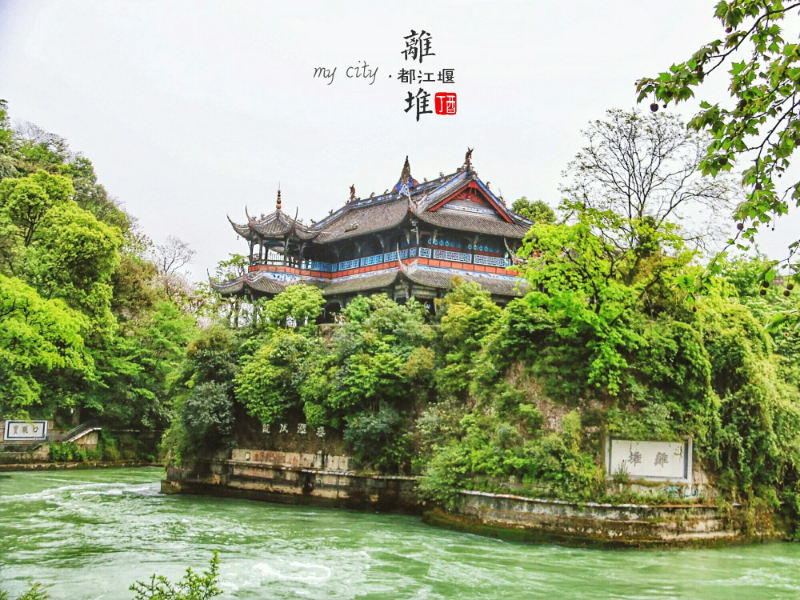
Feisha Weir Flood Discharge and Sediment Removal Project
Feishayan is another key part of the system, helping with flood diversion, water distribution, and sediment discharge. In summer, when the Min River runs high, it becomes especially dramatic. One of the best viewpoints is from the slopes near Erwang Temple.
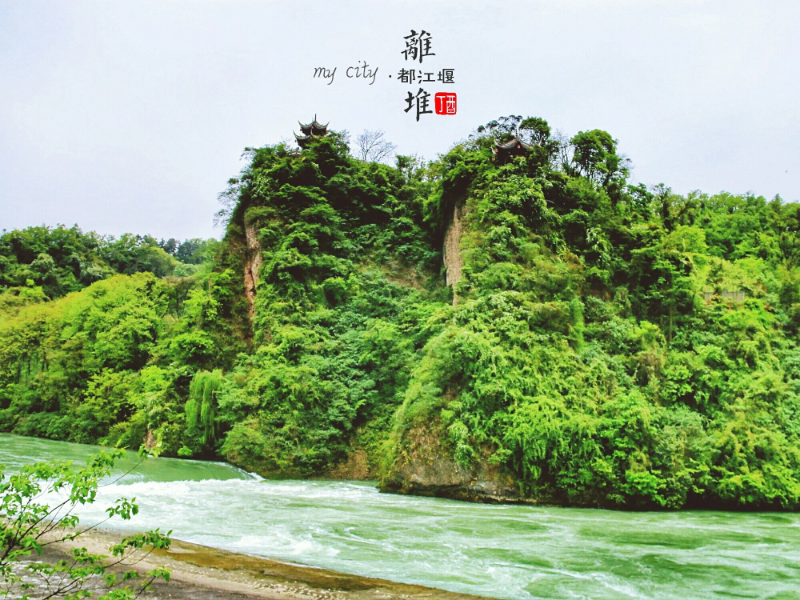
Fish Mouth
The Fish Mouth is the system’s signature water-diversion point and the landmark of the scenic area. It’s often treated as the central “must-see” feature of the entire site.
Its job is simple to describe but powerful in effect. In the rainy season, it helps regulate flow and reduce flood pressure on the inner river. In the dry season, it keeps water moving into the irrigation channels, protecting agricultural supply.
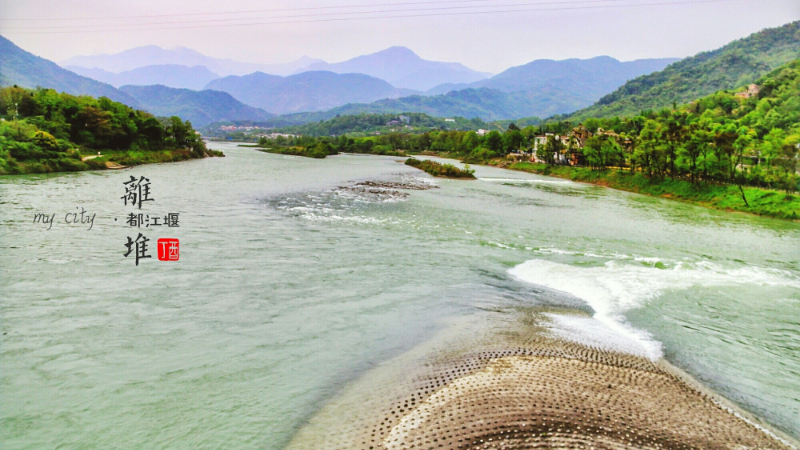
Yulei Mountain Area
Another highlight is Yulei Mountain. It includes the highest viewpoints in the scenic area, with sweeping views over both the waterworks and Dujiangyan city.
Erwang Temple
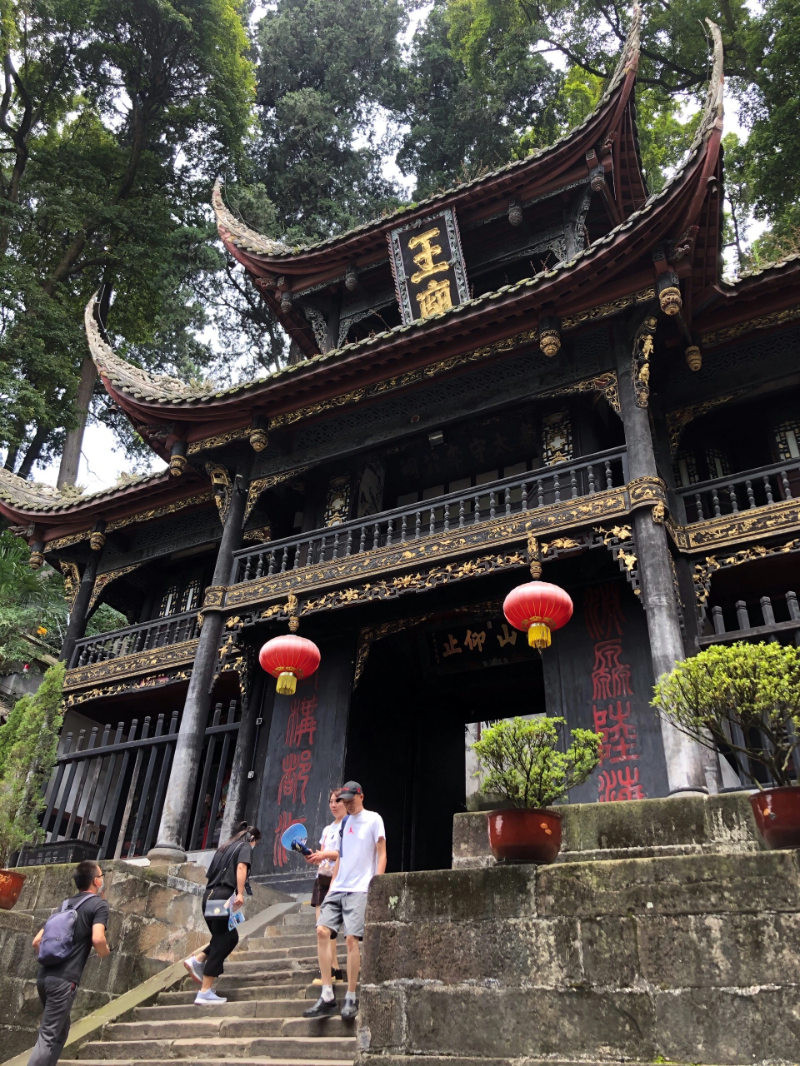
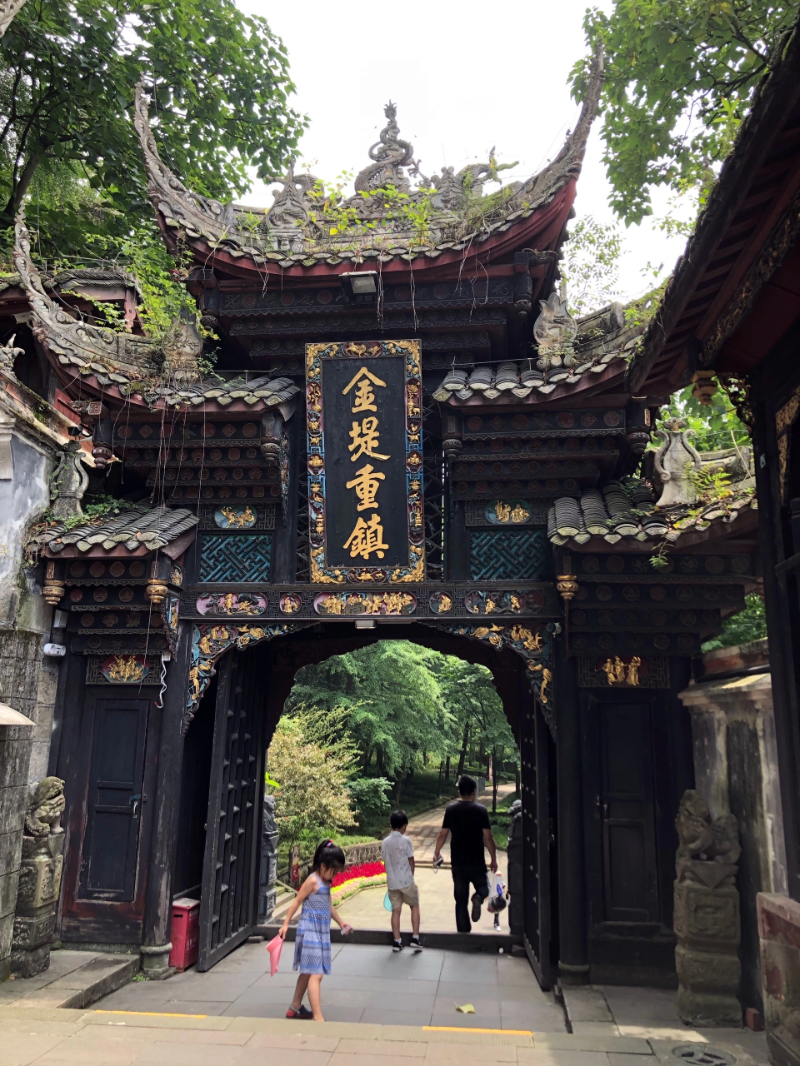
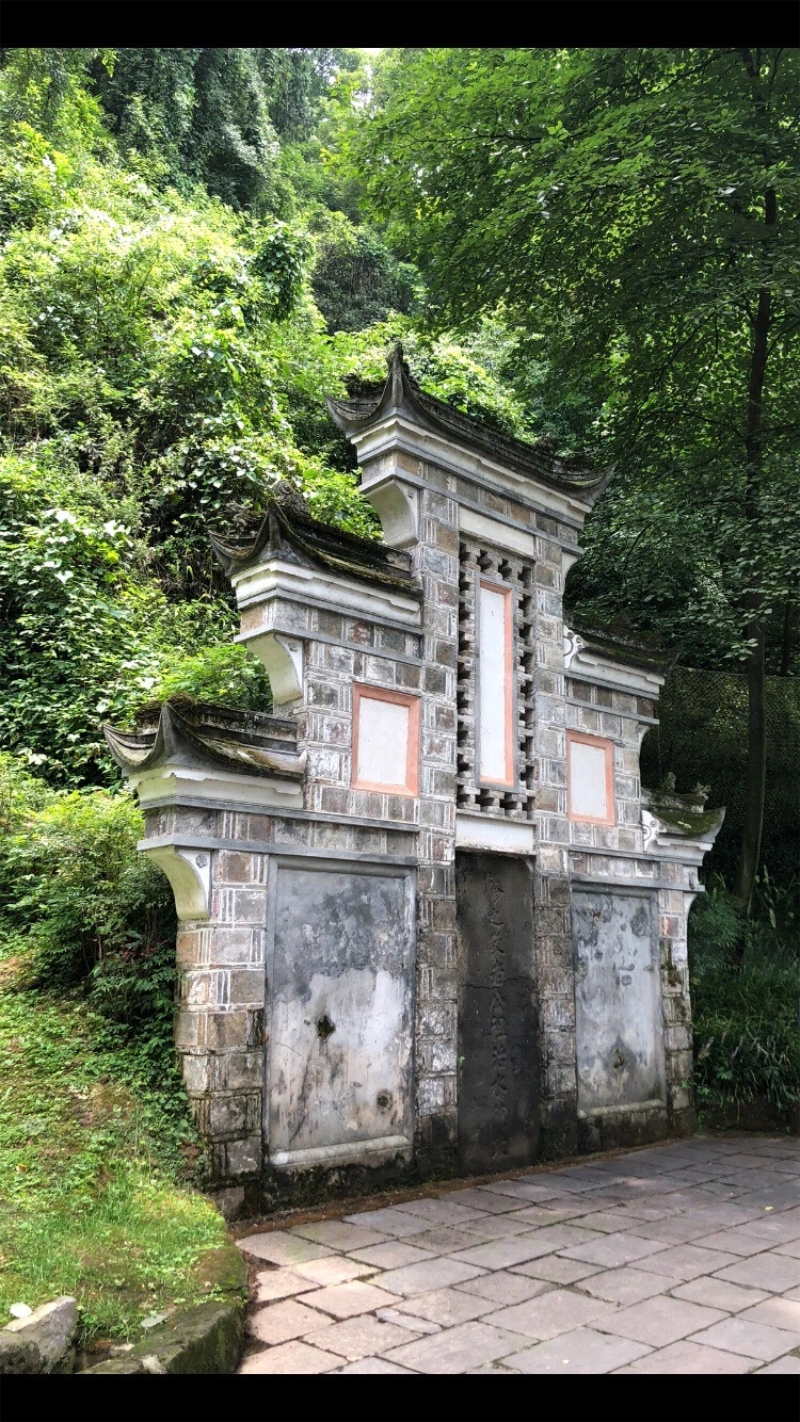
Erwang (Two Kings) Temple commemorates Li Bing and his son. Inside are statues of the pair, along with the “Three-Character Classic of Water Control” carved into stone. In the rear hall you can also see inscriptions associated with famous figures such as Zhang Daqian and Xu Beihong. It’s also a strong viewpoint for Feishayan.
Yulei Pavilion
Yulei Pavilion is relatively modern but designed in a traditional style. Its viewing angle is excellent, and from the top you can take in the waterworks and the broader cityscape in one panorama.
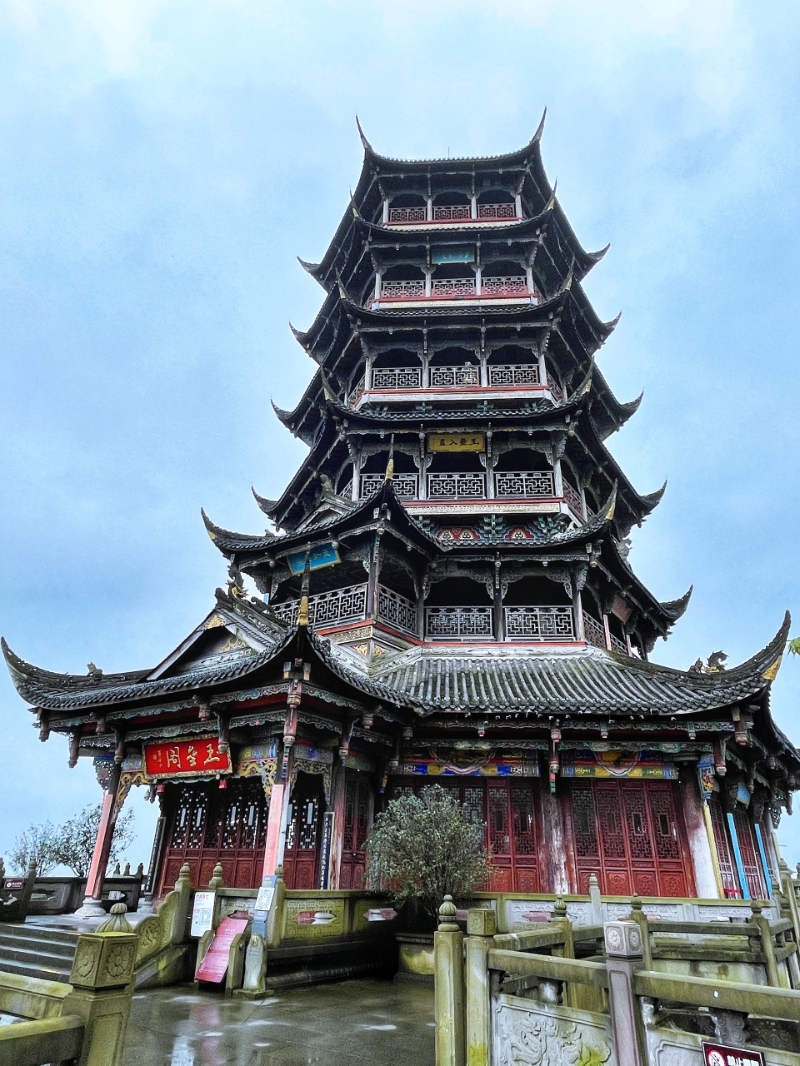
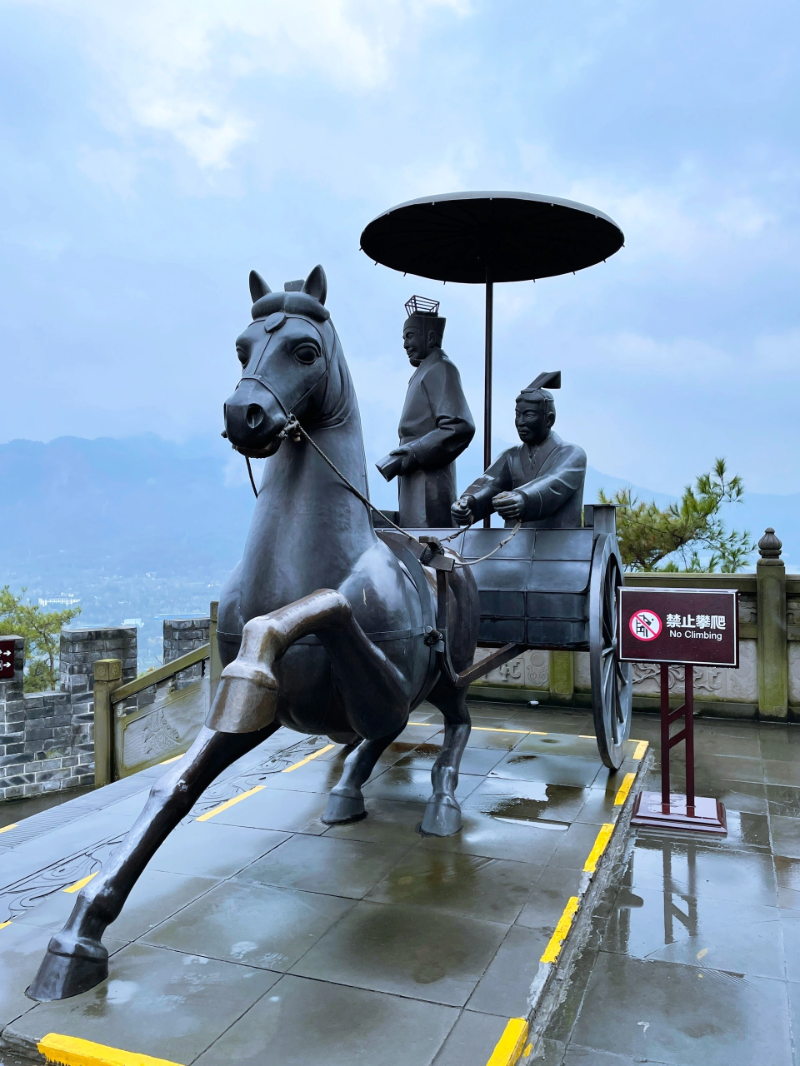
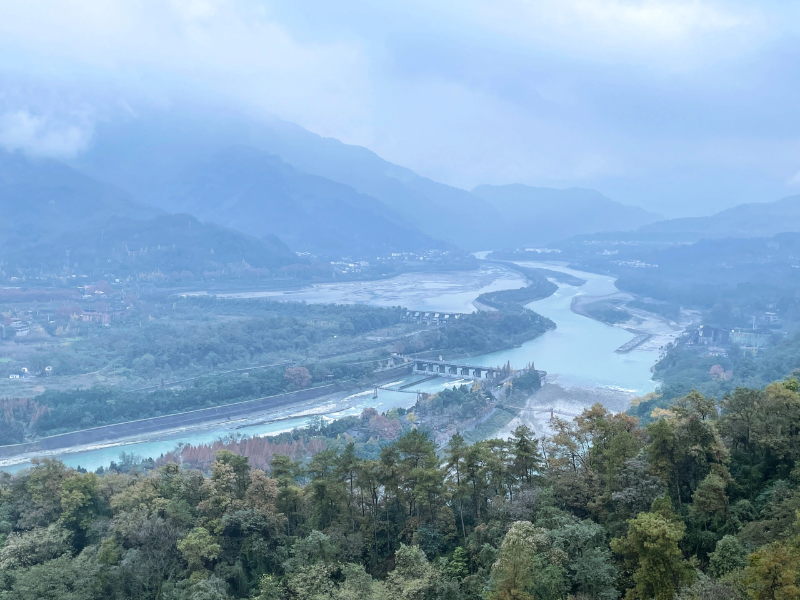
There is an entrance near Yulei Mountain. If you enter here, much of the route trends downhill, which saves energy. To reach Yulei Pavilion you can walk or take the escalator. A practical strategy is to take the escalator up (about 20 yuan one way, 40 yuan round trip) and walk down for the views.
Anlan Suspension Bridge
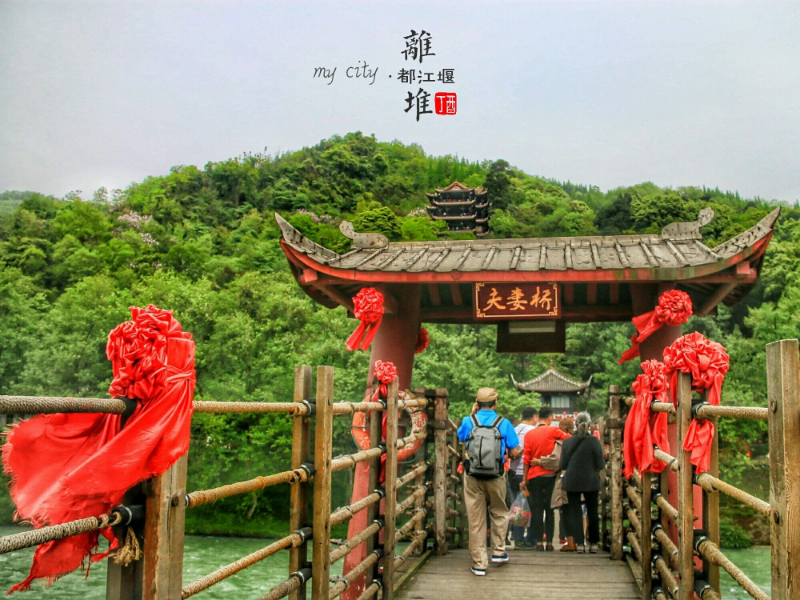
In front of Erwang Temple stands Anlan Suspension Bridge, often listed among “China’s five ancient bridges.” It spans the divide between the inner and outer rivers. It used to sway dramatically, but after reinforcement it’s much tamer—still fun, not scary.
Dujiangyan South Bridge
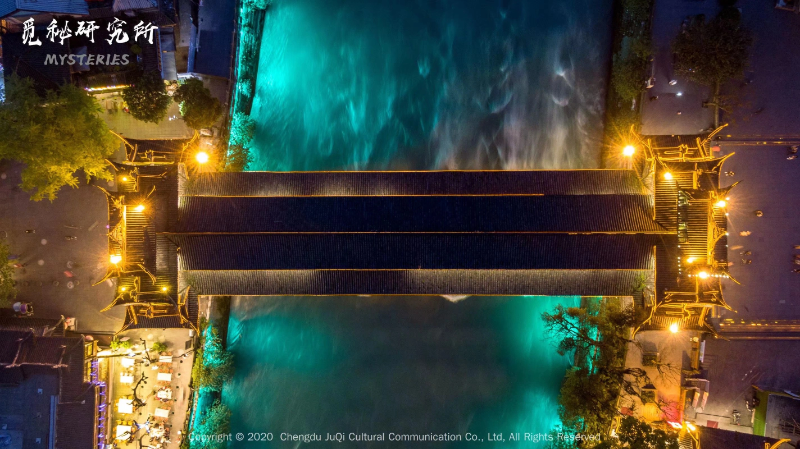
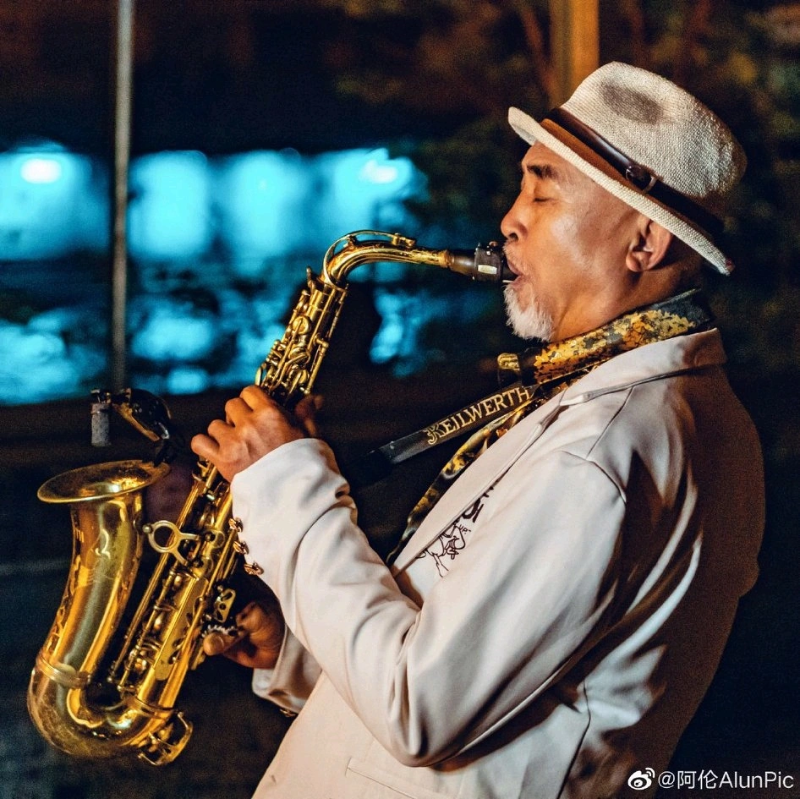
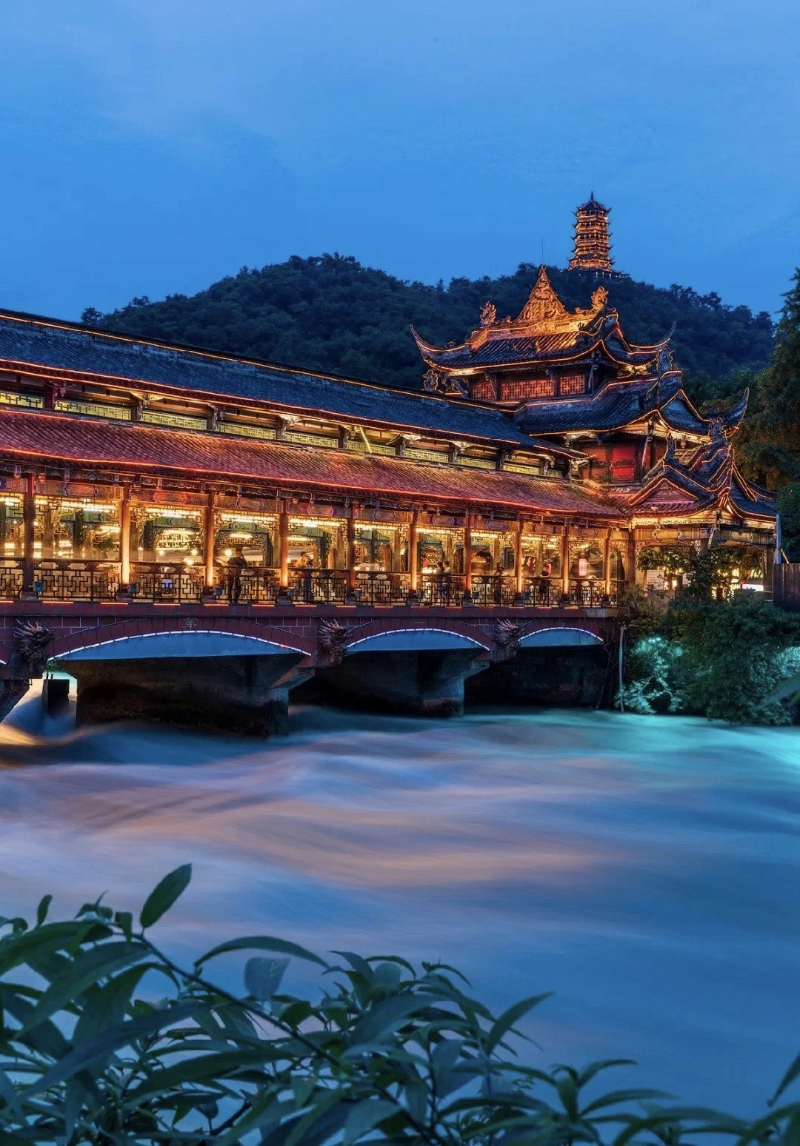
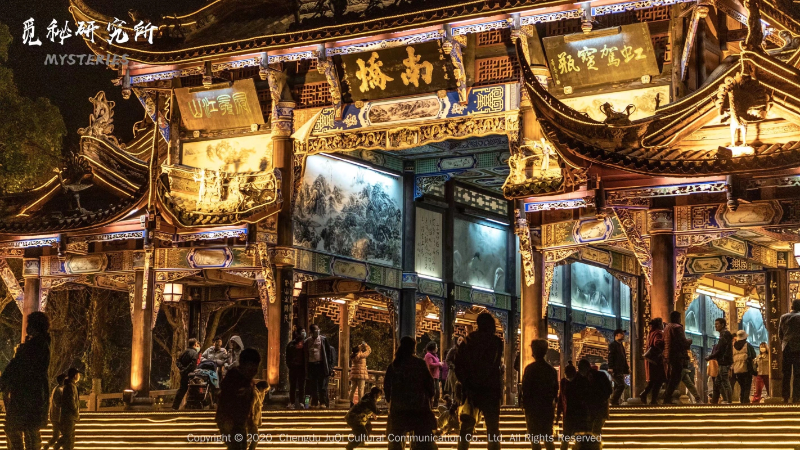
Nanqiao (South Bridge) is another Dujiangyan calling card. This ornate covered bridge crosses the fast-moving river and looks especially beautiful at night, when the lighting comes on and snack vendors add to the atmosphere.
Tour Navigation · Practical Information
1. Business Hours, Ticket Prices, and Reservation & Purchase
The Dujiangyan Scenic Area is typically open from 08:00 to 18:00 from early March to late November, with last admission around 17:30. In other seasons, it often closes about half an hour earlier. The escalator usually runs on similar hours.
Recommended visiting time: Half a day.
Ticket Prices and Reservation Methods
Adult ticket: 80 yuan, half price for children, students, and seniors; Not a pet-friendly scenic area.
Official ticket booking platform for the scenic area: WeChat Official Account "Qingcheng Mountain Dujiangyan".
2. Choose a less strenuous sightseeing route
The scenic area has several entrances, but the most common are Erwang Temple and Lidui Park. A lower-effort route is to enter via Erwang Temple, which is already partway up the hill and connects to the escalator. From there, you can start high and walk mostly downhill. If you exit near Lidui Park and continue toward Nanqiao, you can also catch the night view of the bridge.
