
The Great Wall is often described as one of the wonders of the world. Built and rebuilt over more than two thousand years, it remains one of humanity’s most ambitious defensive projects. Around Beijing, the Wall is commonly discussed in several major sections, with Badaling, Juyongguan (Juyong Pass), and Mutianyu the most famous.
Huanghuacheng Water Great Wall
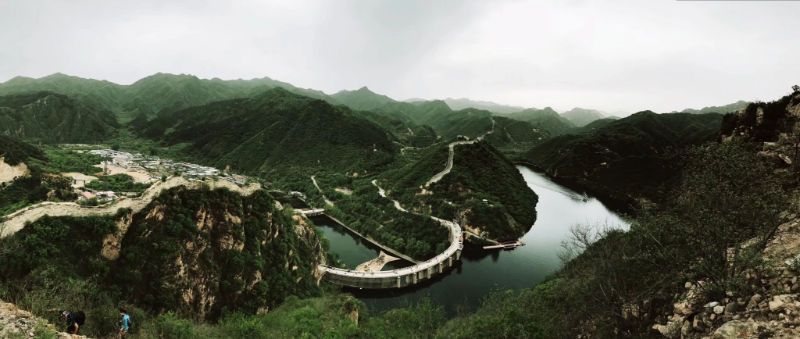
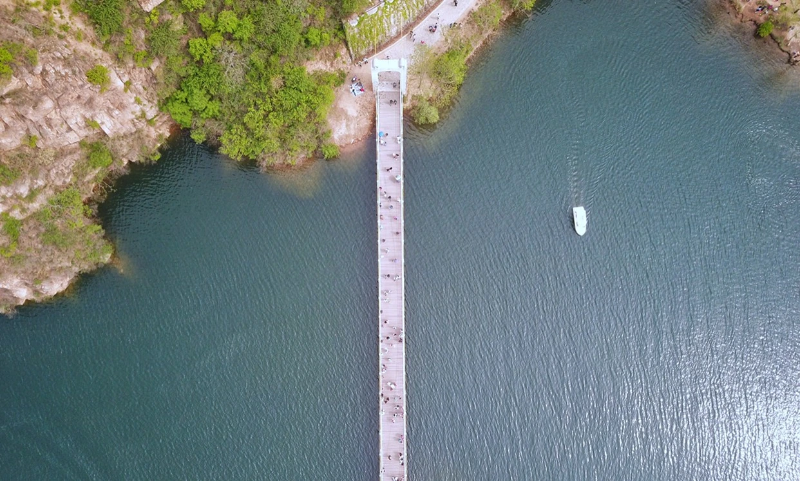
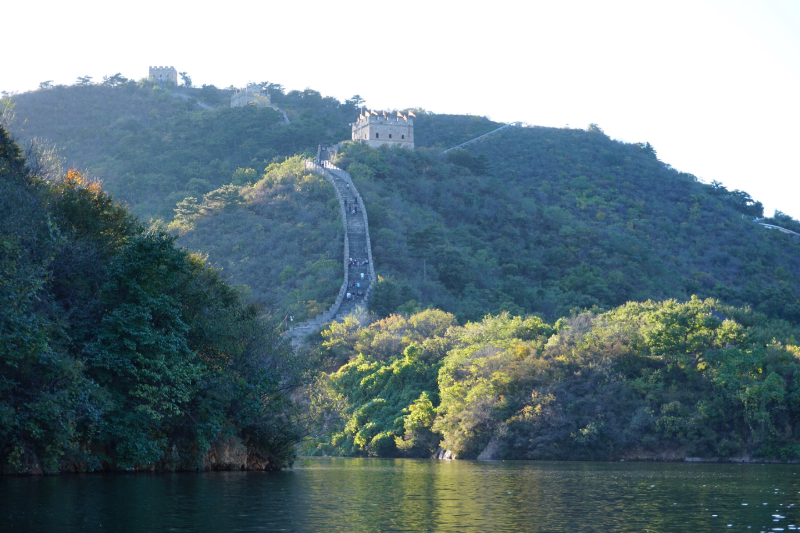
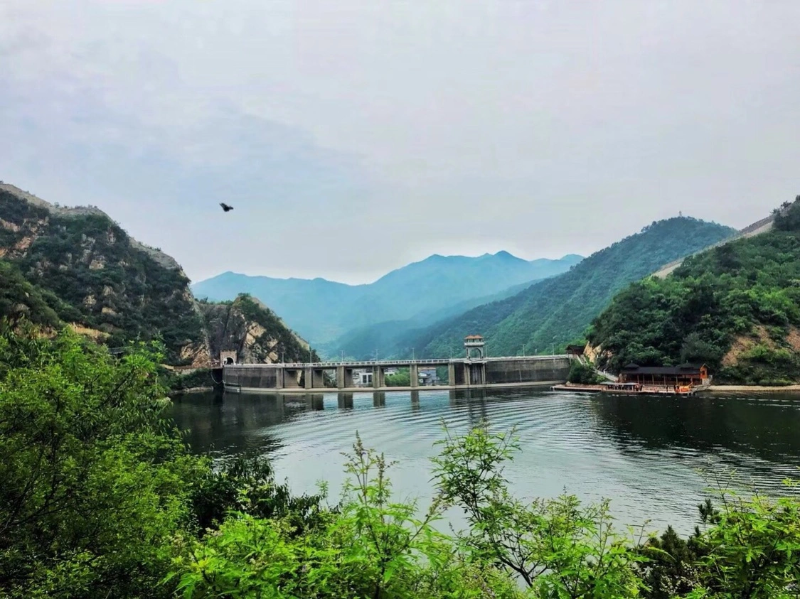
If you want something different from the usual Great Wall experience, Huanghuacheng Water Great Wall stands out. A popular line about it says: “frontier grandeur with a touch of Jiangnan charm.” Here, parts of the Wall meet the reservoir, making it one of the rare places near Beijing where the Great Wall and water share the same frame. Compared with Badaling or Juyongguan, it feels quieter and more understated—something you discover rather than conquer.
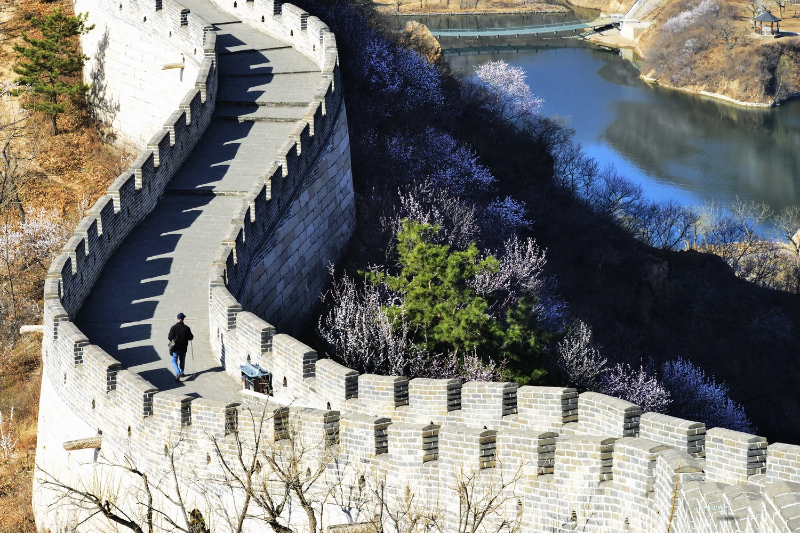
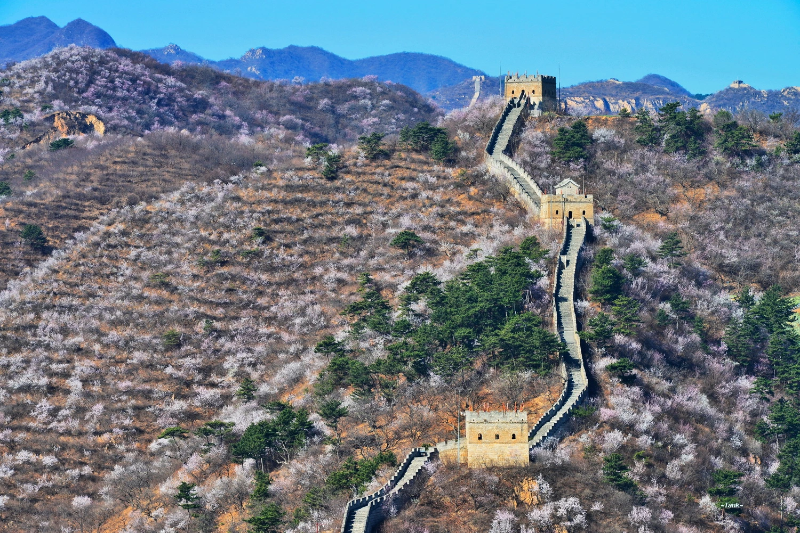
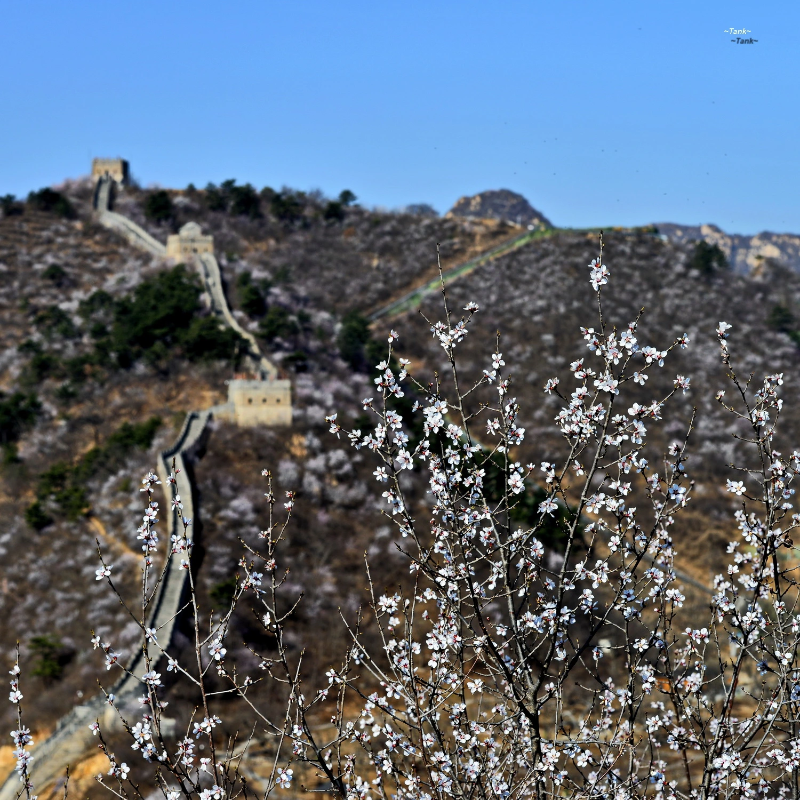
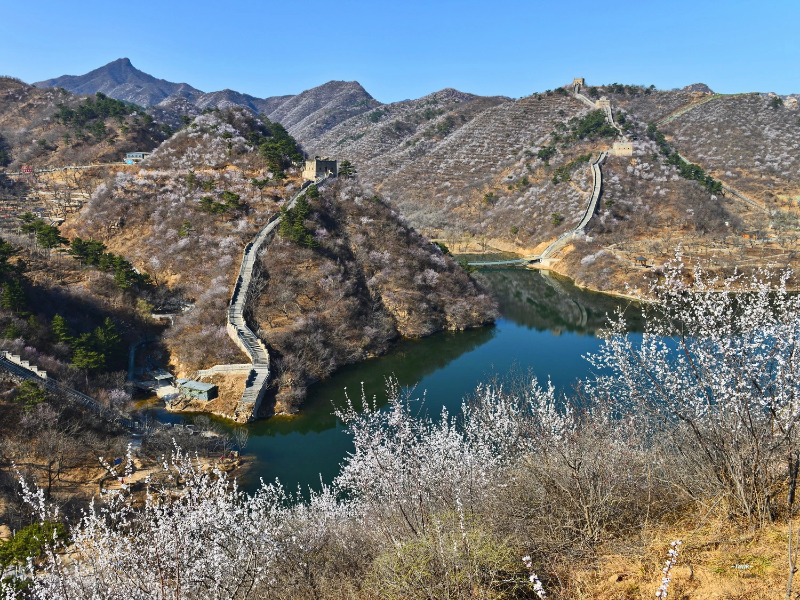
Practical Information
Address: Xishuiyu Village, Jiuduhe Town, Huairou District, Beijing
Transportation:
【Driving Routes】
Route 1: Jingcheng Expressway → Exit 13 (“Beitai Road”). Follow the scenic area signs, turn left at the fourth traffic light, then continue toward Jiuduhe.
Route 2: Jingzang Expressway → Exit 32 (“Xiguan Roundabout”), head toward the Ming Tombs, turn right at the Changling intersection, continue toward Jiuduhe (Heishanzhai), then turn left at the Y-junction and follow signs.
【Direct bus options】 MuBus Direct / ZanBus Direct: round-trip direct buses with one-stop service to the scenic area, often with about 5 hours on site. Beijing Tourist Distribution Center: tickets and boarding at Window 4 of the Qianmen Tourist Distribution Center. Dongzhimen: boarding and ticket purchase at Platform 418 in the Dongzhimen Bus Hub Hall.
【Public bus route】
Take the 916 Jingcheng Express from Dongzhimen Bus Hub to “Nanhuayuan Sanqu” in Huairou. Walk about 100 meters forward (past the traffic light), then transfer to the H21 “Huairou—Shuicheng Great Wall” line at either “Nanhuayuan Siqu” or “Tax Bureau Station.” Ride to the final stop.
Admission: 60 yuan
Badaling
As Beijing’s most iconic Great Wall section, Badaling was the earliest to open to tourists and remains the most internationally famous. It receives the largest crowds, including many official visitors. The first-time view can be unforgettable: the Wall rises and falls along the ridgelines in a long, dramatic sweep.
Badaling’s scenery changes with the seasons. Around Qingming, wild peach and apricot blossoms color the hills. In October, red leaves take over the slopes. These shoulder seasons are often considered the best times to visit.
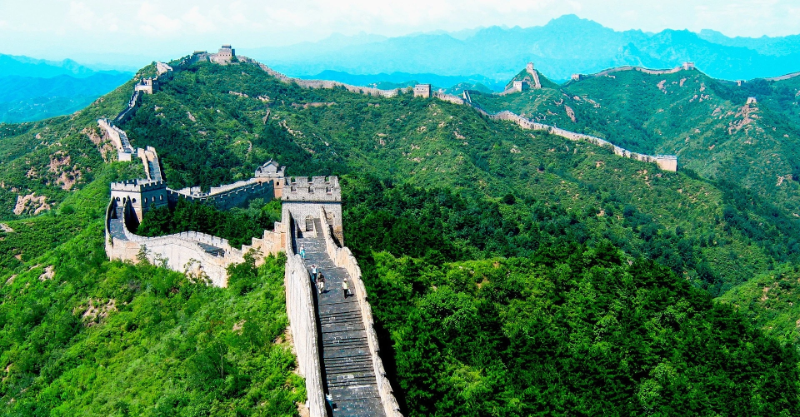
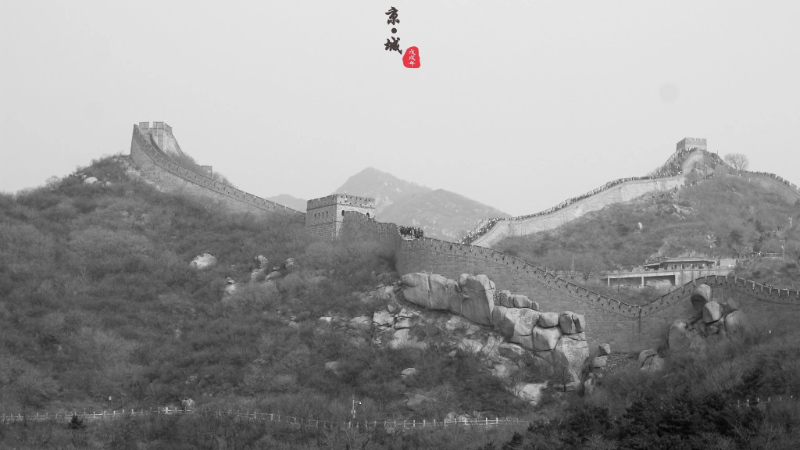
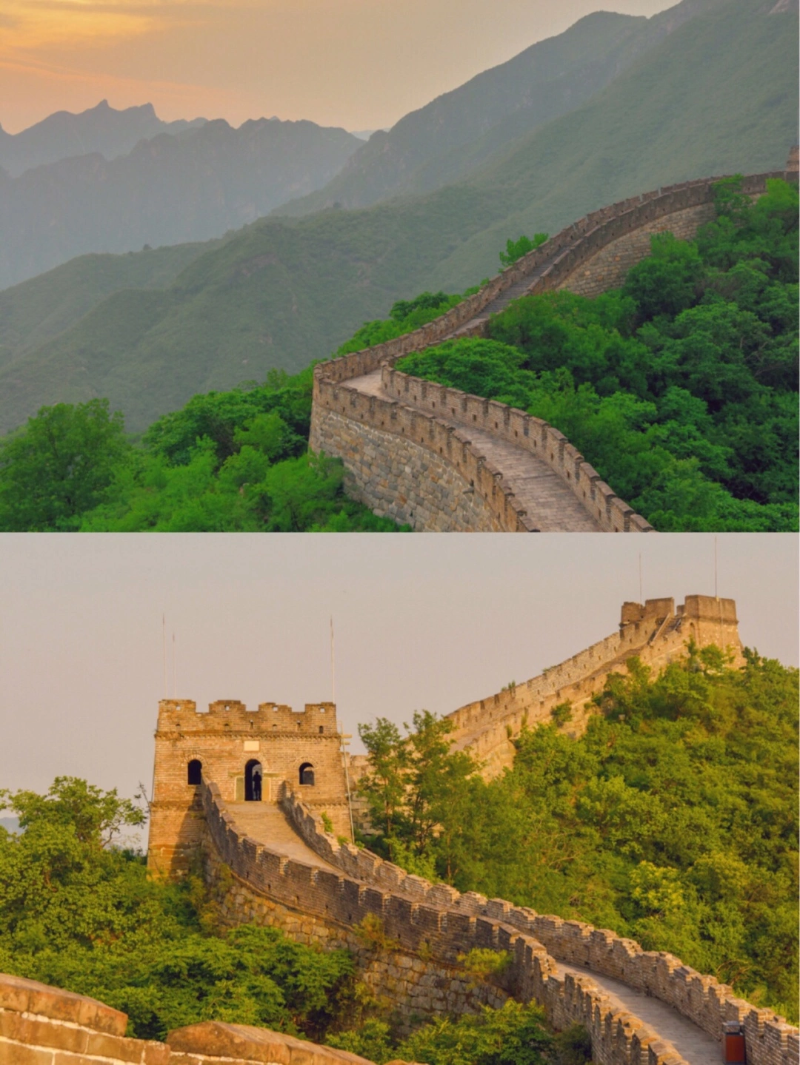
Badaling has the most complete facilities—but also the biggest crowds. Long lines can reduce the experience on peak days. The fortress splits the site into north and south sections. The north section is usually considered the core experience, with 12 watchtowers; the North Eighth Tower is the highest point and a classic viewpoint. The south section has 7 watchtowers, gentler terrain, and typically fewer people.
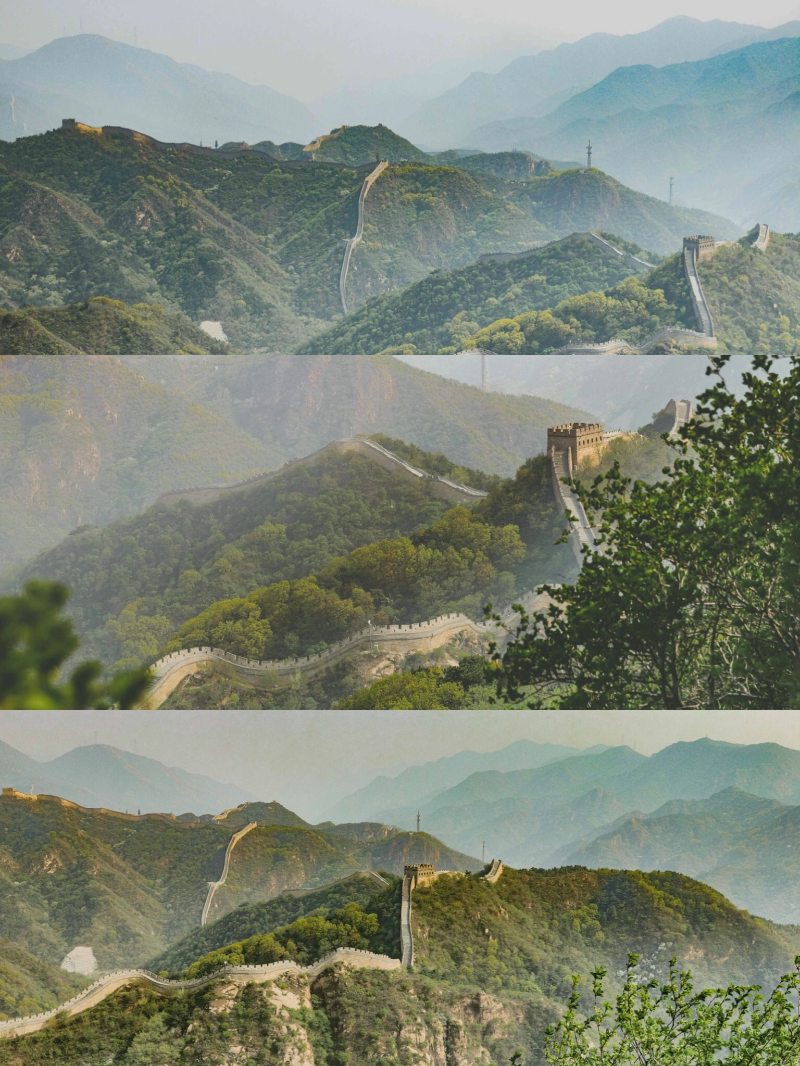
One of Badaling’s most famous features is the “Hero Slope,” tied to the saying “You’re not a true hero until you climb the Great Wall.” On the mountains to the east and west are two beacon towers that historically used rope ladders and served as signal and defense points. Near the entrance, you’ll also see displayed cannons—five iron pieces associated with Ming-era defenses.
Beyond the Wall itself, you can visit the China Great Wall Museum to see artifacts and context from Great Wall sites across the country.
Once you’re on the Wall, supply points can be limited. Bring water and a small snack.
Practical Information
Address: North Entrance of Guanggou Ancient Road Jundu Mountain Yanqing District
Ticket Price:
- Peak Season: 40 RMB/person (April to October)
- Off-Season: 35 RMB/person (November to March)
Reservation information:
Reserve in advance via the official Badaling Great Wall channels (official website or official WeChat account), which typically require real-name booking.
Transportation:
- Train: Take the S2 Line from Huangtudian (next to Huoying Station on Metro Line 13) to Badaling (a 10-minute walk is required after getting off).
- Bus: Take Bus 877 or 919 from Deshengmen Bus Station (Jishuitan Station on Metro Line 2) for a direct trip.
- Tour Bus: Take the Badaling Special Line bus operated by Beijing Public Transport Group from Qianmen Tourist Distribution Center.
- Self-driving:
- Off-season opening hours: 7:00–18:00
- Peak season opening hours: 6:30–19:00
- Group Tour: Special scenic area line 👇
*Badaling sometimes opens summer night sessions on weekends and holidays, with performances such as magic, acrobatics, and folk music. Only a limited stretch of the Wall is open at night (roughly a few kilometers across several watchtowers).
Ticket price reference: Night session tickets are 198 yuan on weekdays and 298 yuan on Fridays and Saturdays. Discounts may be available when purchased through third-party platforms.
Opening hours: Entry starts at 18:30, and the night lighting is turned off at 22:00.*
Estimated Tour Time and Route
Walking route: Enter via the walking entrance. A full hike can take about 3 to 4 hours. If stamina is limited, choose either the north or south section.
Cable car ascent: From the train station area, head to the nearest cable car / gondola station. Ride up, then allow about 2 hours for sightseeing.
There are many visitors taking the cable car, and the waiting time is long. It is recommended to plan your time in advance.
Mutianyu Great Wall
Compared with Badaling, Mutianyu is often quieter, and at the right times it can even feel spacious on holidays. It’s known for long stretches of restored wall and high vegetation coverage. The Wall winds through pine- and cypress-covered hills, which gives the whole area a lush, scenic feel.
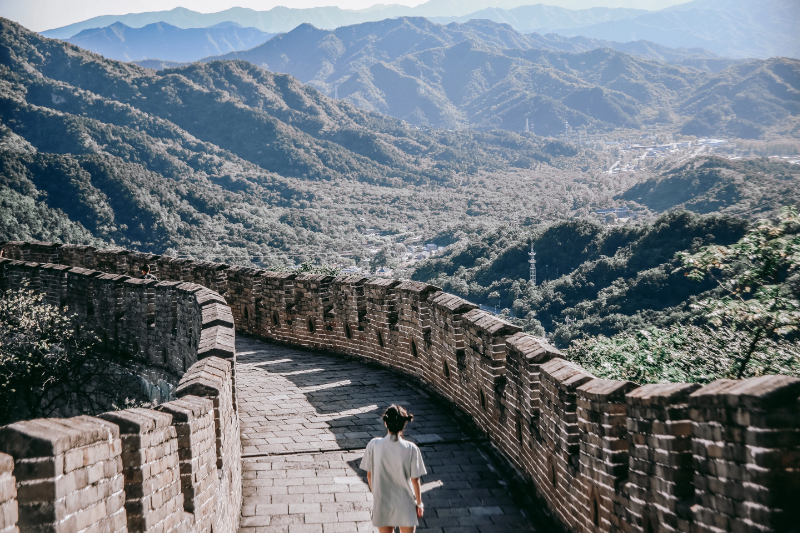
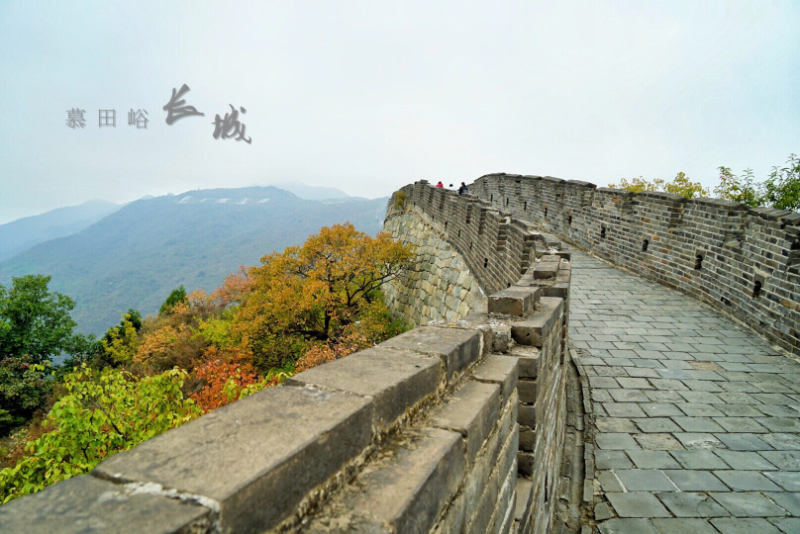
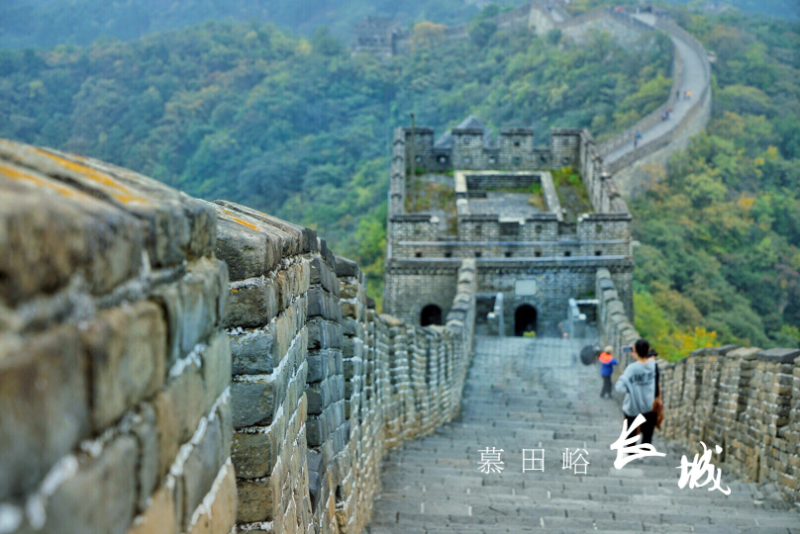
At Mutianyu, two standout sights are Zhengguan Terrace and Dajiao Tower. Zhengguan Terrace consists of three connected watchtowers with a side-set gate—an unusual layout on the Great Wall. Dajiao Tower is surrounded by fortifications on three sides and offers broad views both inside and outside the Wall.
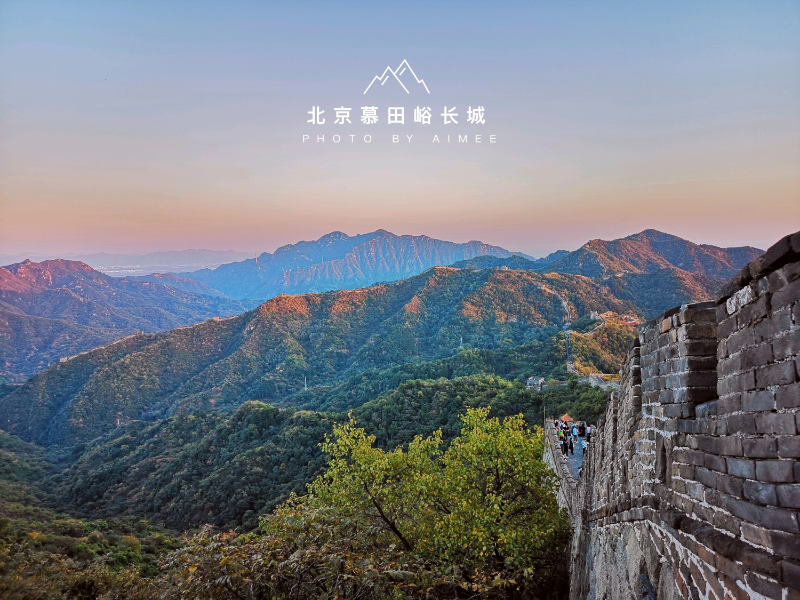
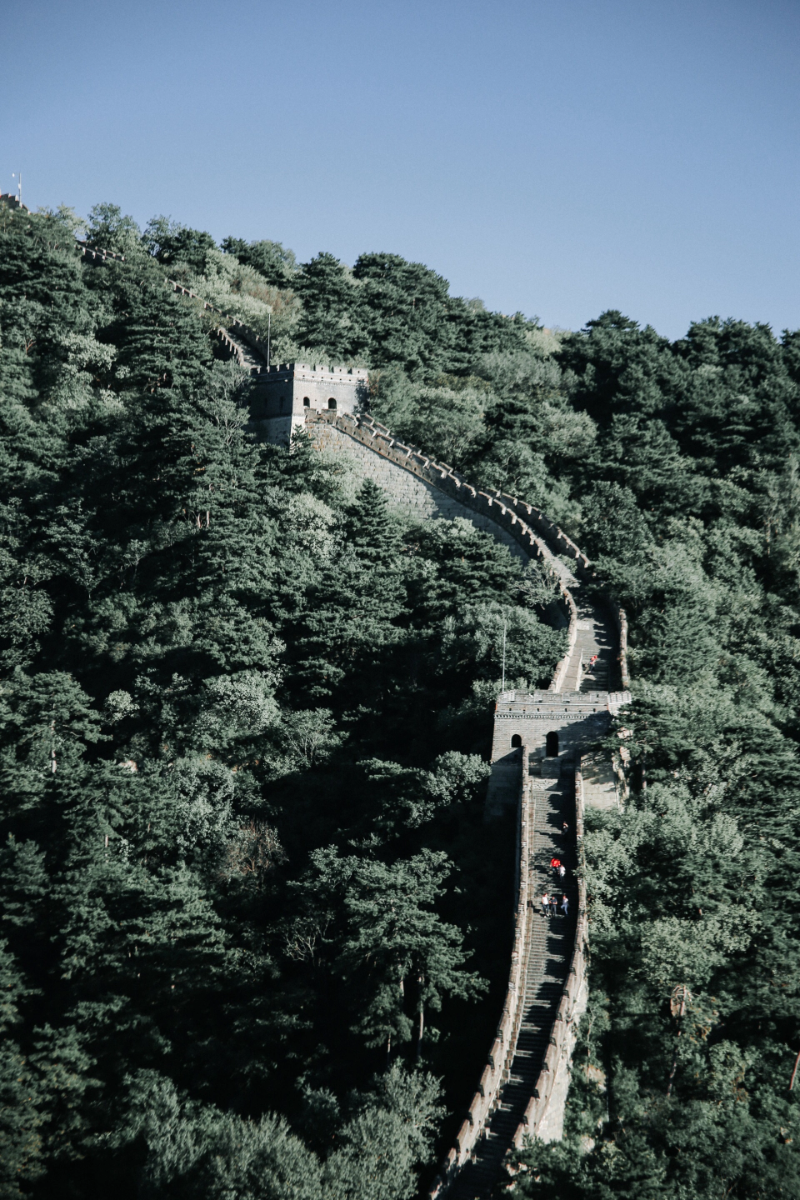
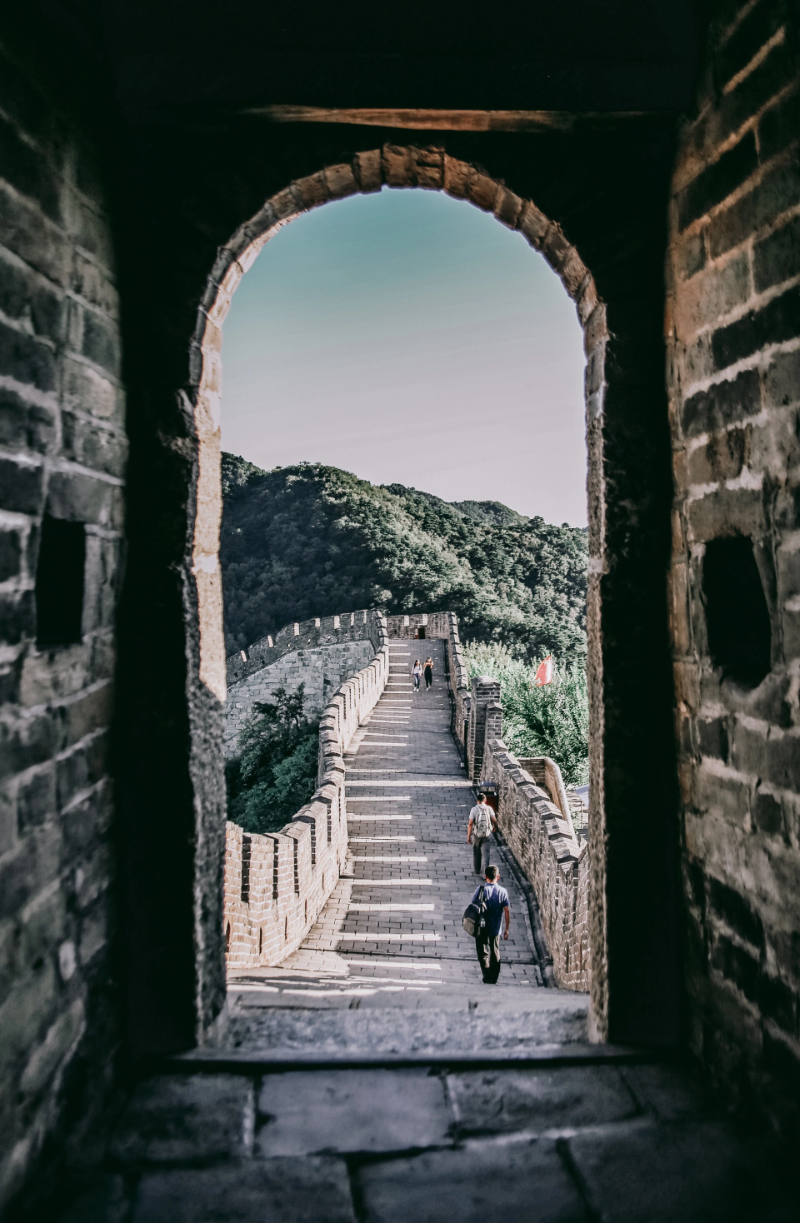
Mutianyu is photogenic year-round: green in spring and summer, fiery in autumn, and starkly beautiful in snow. Watchtower 14 is a favorite photo spot and is accessible by cable car.
Tour Route:
Unless you’re a serious hiker, walking the entire route is not necessary. A round-trip cable car is the most common, time-saving option. After arriving near Tower 14, head west if you want to reach the scenic area’s high point around Tower 20. (Estimated climbing time: about 1 hour.)
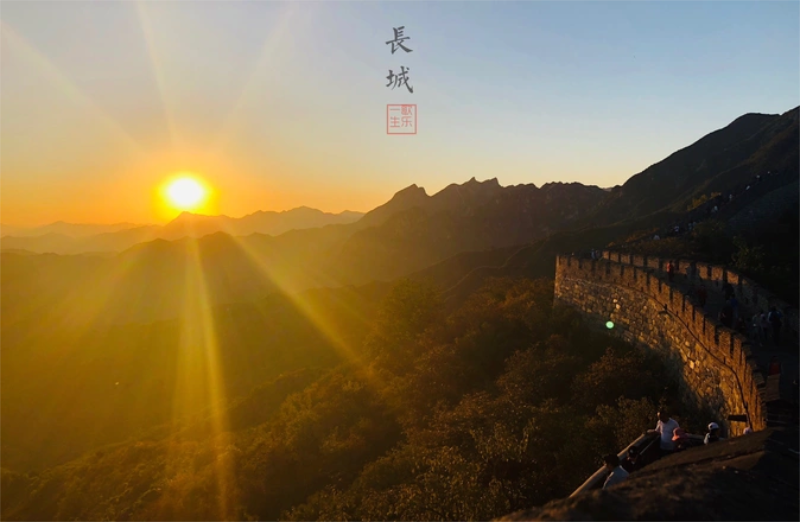
Besides the cable car, you can use the ropeway and slide. The ropeway typically drops you near Tower 6, which is far from the high point around Tower 20 and requires more stamina. The reward is the fun of sliding down on the return (follow safety guidance carefully).
Practical Information
Address: Mutianyu Roundabout, Bohai Town, Huairou District
Opening Hours: 7:30 AM - 5:00 PM
Ticket Reference: On-site purchase, 45 yuan for postcard ticket + 15 yuan for round-trip shuttle bus; 100 yuan for one-way cable car, 140 yuan for round-trip cable car
Transportation: From Dongzhimen Transportation Hub, take bus 916, transfer to H23/H24/H36 at “Huairou North Street,” and get off at “Mutianyu Roundabout.” Because buses can be infrequent, many visitors prefer driving or joining a tour with multiple pickup points.
Mutianyu Great Wall Summer Night Tour is open from July 1st to August 31st.
Opening Hours: 17:00~21:00 (Last admission at 20:30)
Open Area: Watchtowers No. 10 to No. 15 in the "Mu" section
Notes: The cable car and toboggan are not available; only the cable car is open.
Hefangkou Great Wall
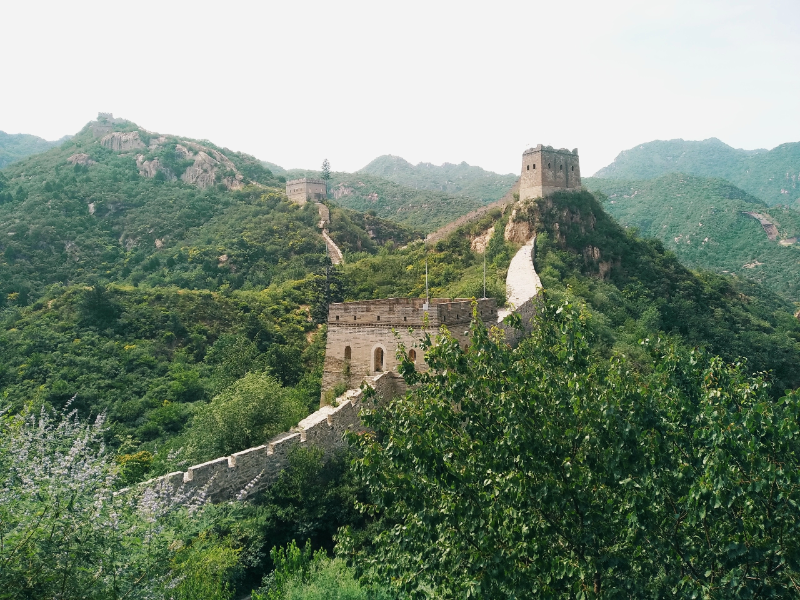
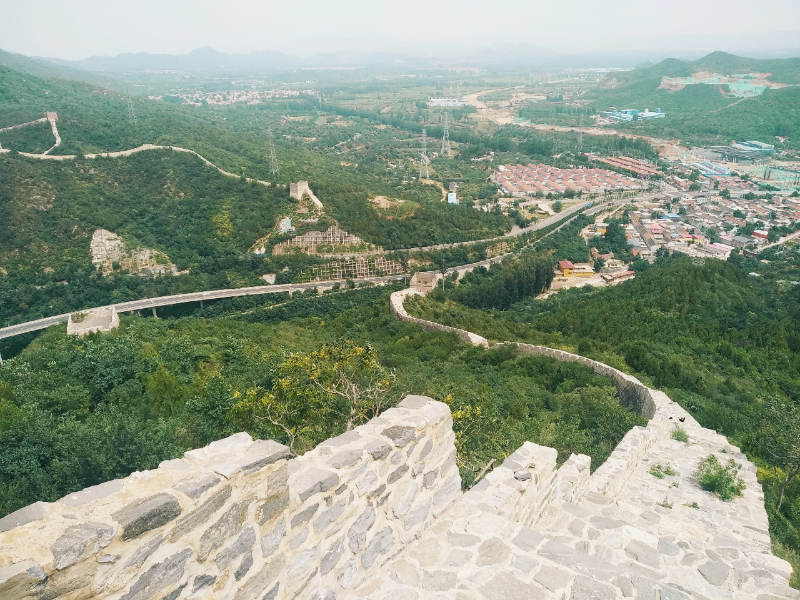
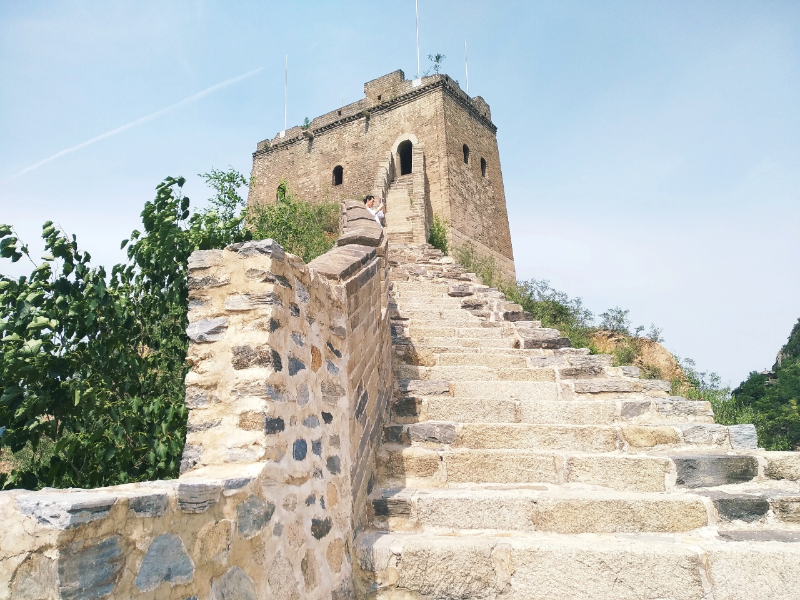
Hefangkou Great Wall sits in Huaibei Town, more than 20 kilometers north of central Huairou. It is often described as originating in the Northern and Southern Dynasties and rebuilt in the Ming (Longqing era). After years of neglect, restoration work began in 2011 using traditional methods to preserve its character. When the 2014 APEC Summit was held at nearby Yanqi Lake, Hefangkou became a widely seen backdrop.
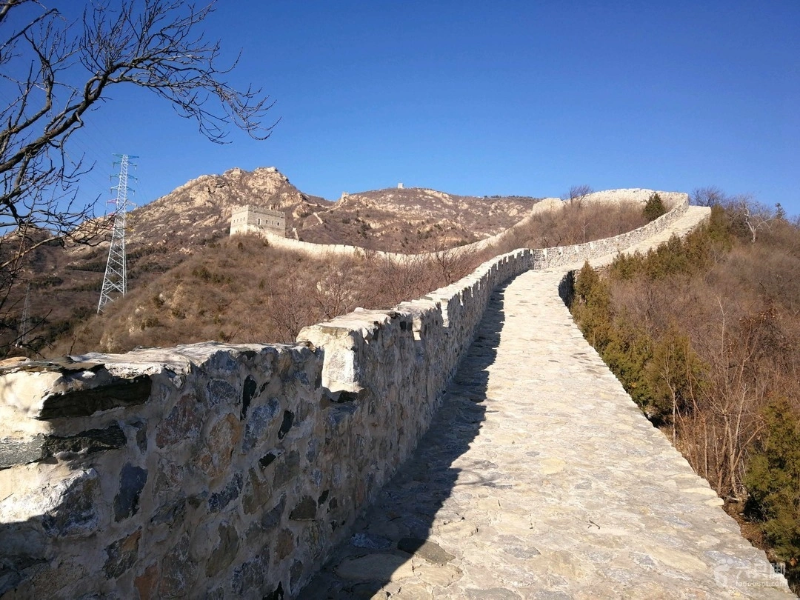
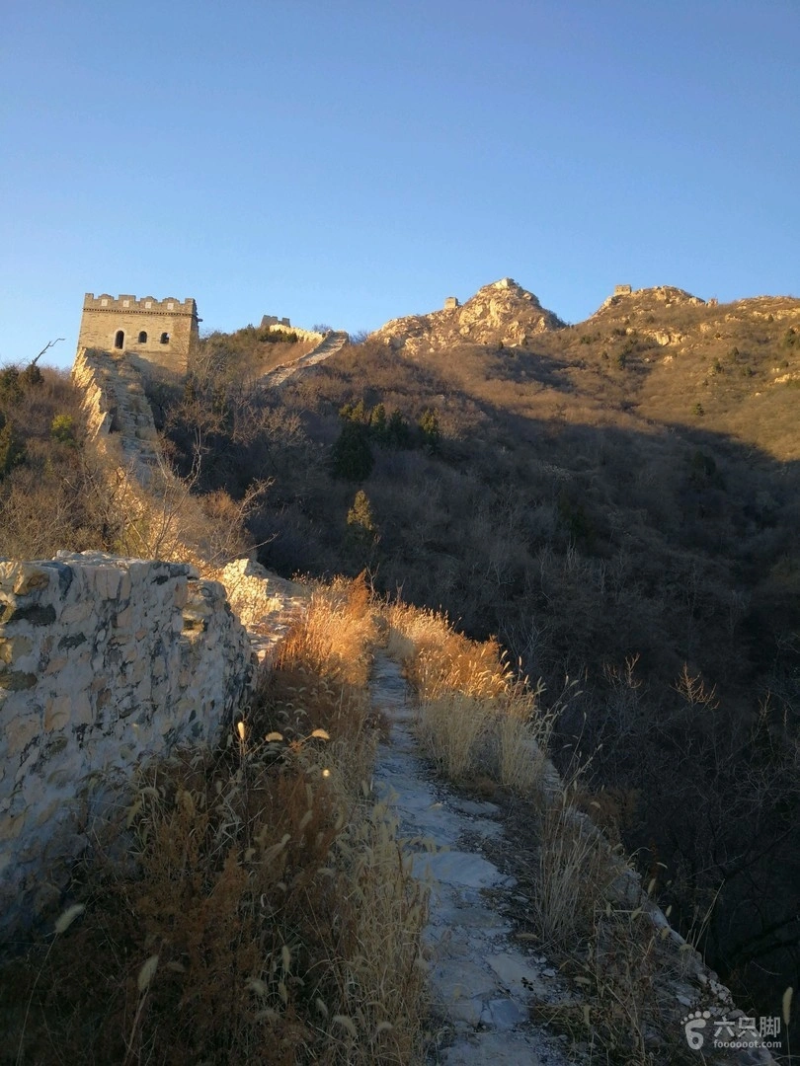
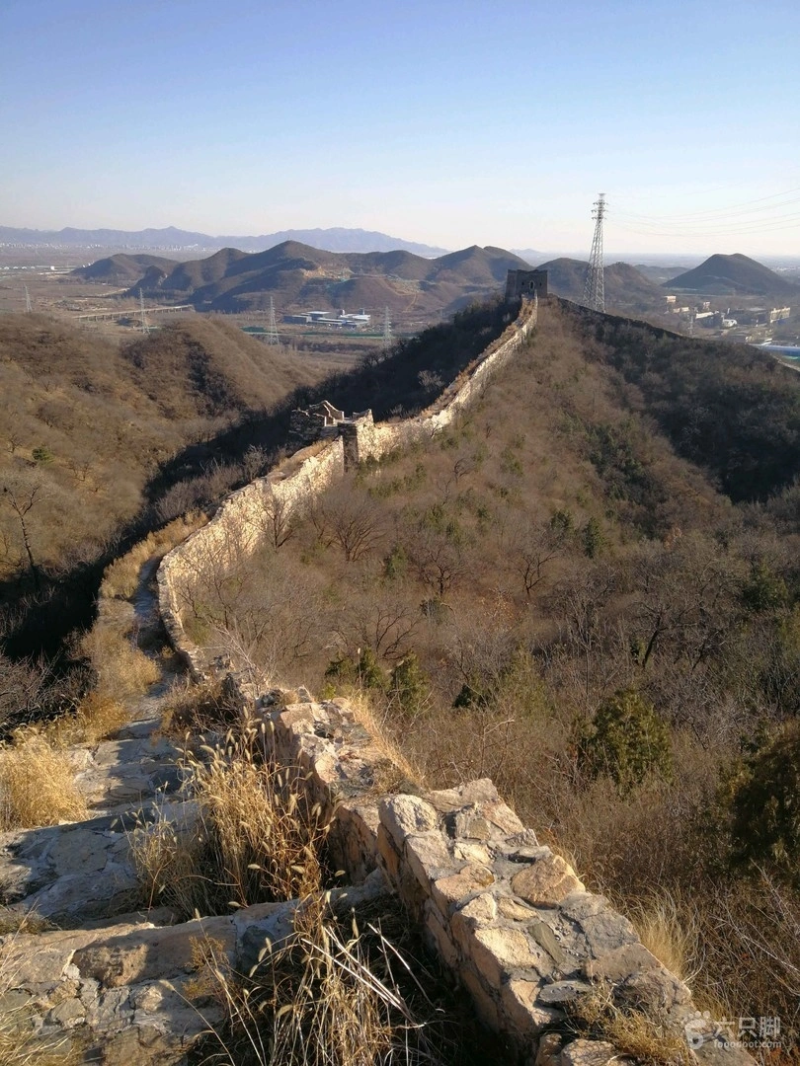
Access is typically through the back mountain of Hefangkou Village, and visitors sometimes pay a small local entrance fee (often around 10 yuan). A common plan is to eat a farmhouse meal in the village and then hike a few watchtowers. In early October, local red pears can be a seasonal bonus. Strong hikers sometimes continue west toward Shentangyu; while the route is under 10 kilometers, it can be demanding.
Juyong Pass
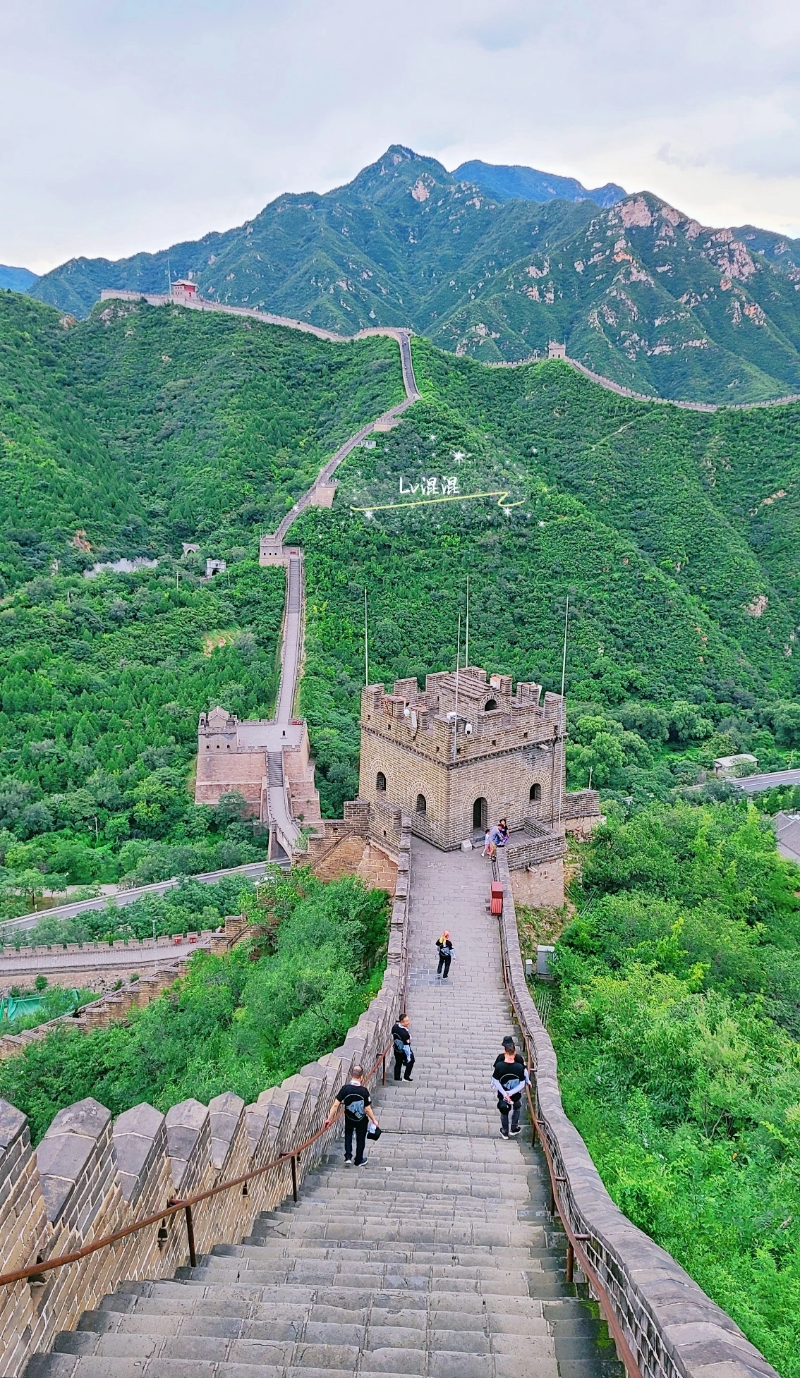
Compared with Badaling and Mutianyu, Juyongguan’s defining feature is its sense of strategic “peril”. As an important pass, it occupies terrain that is easy to defend and hard to attack. It guarded the northwest approaches to the capital and has long been a military stronghold. The mountains here are rugged but also highly scenic, and the area has been counted among the “Eight Scenic Views of Yanjing” since the Yuan Dynasty.
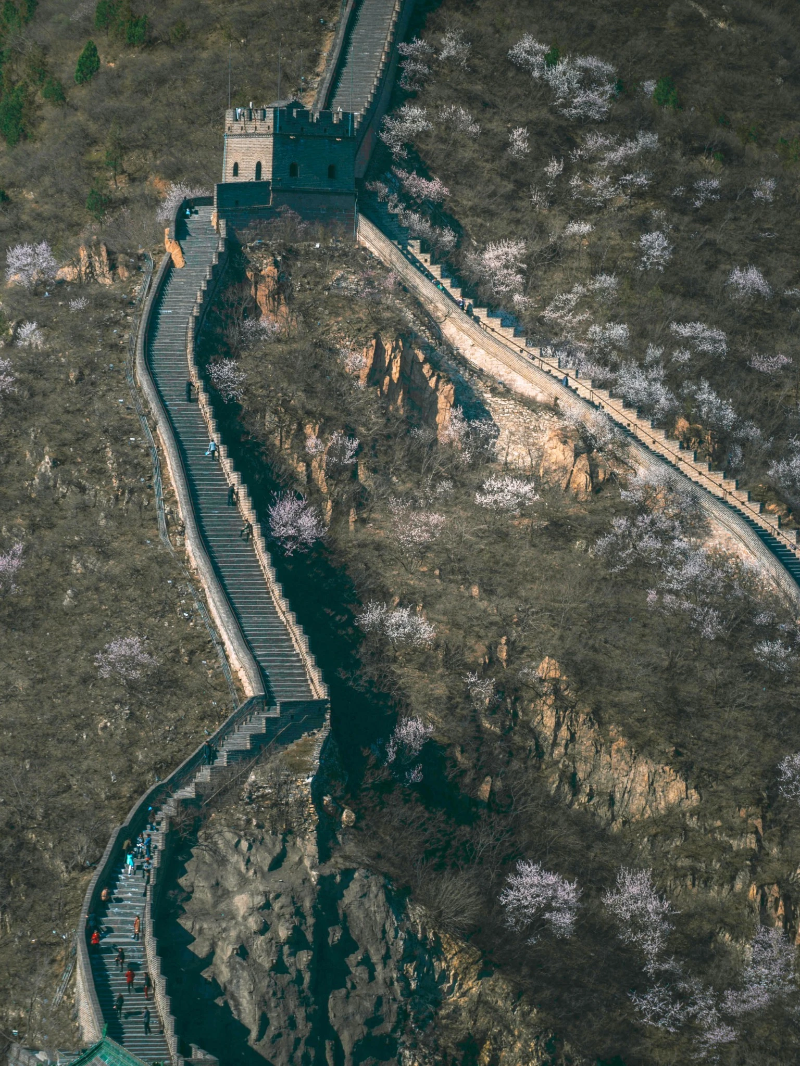
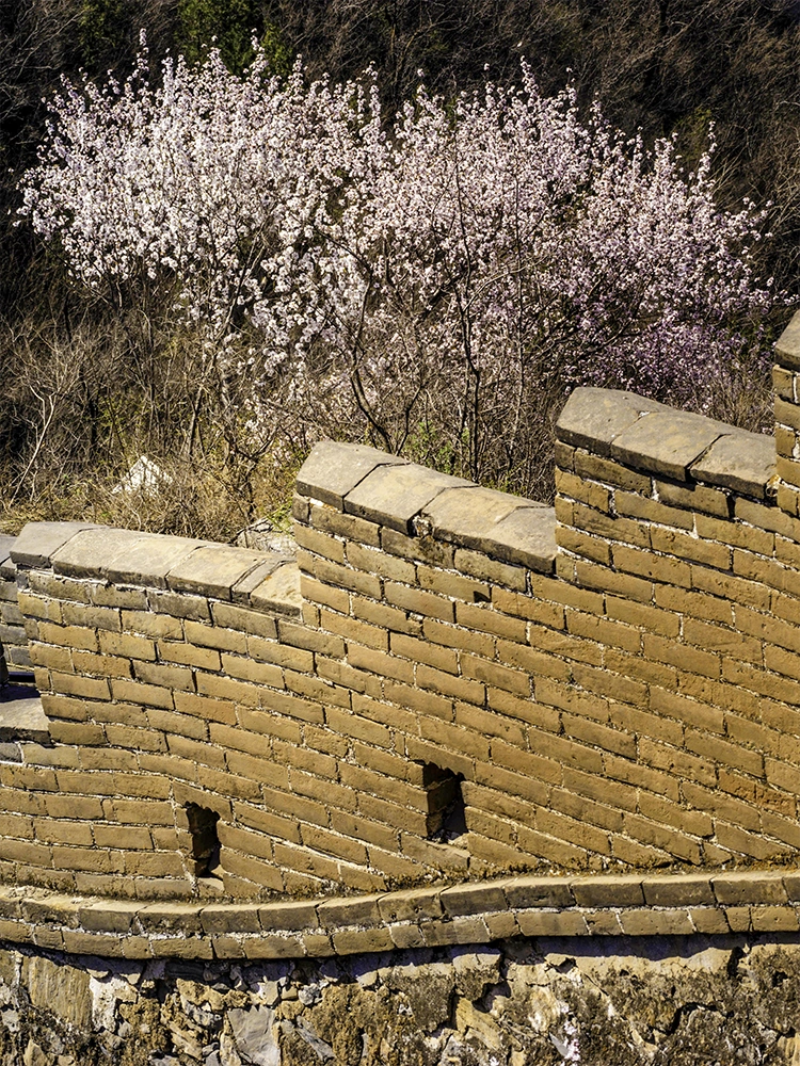
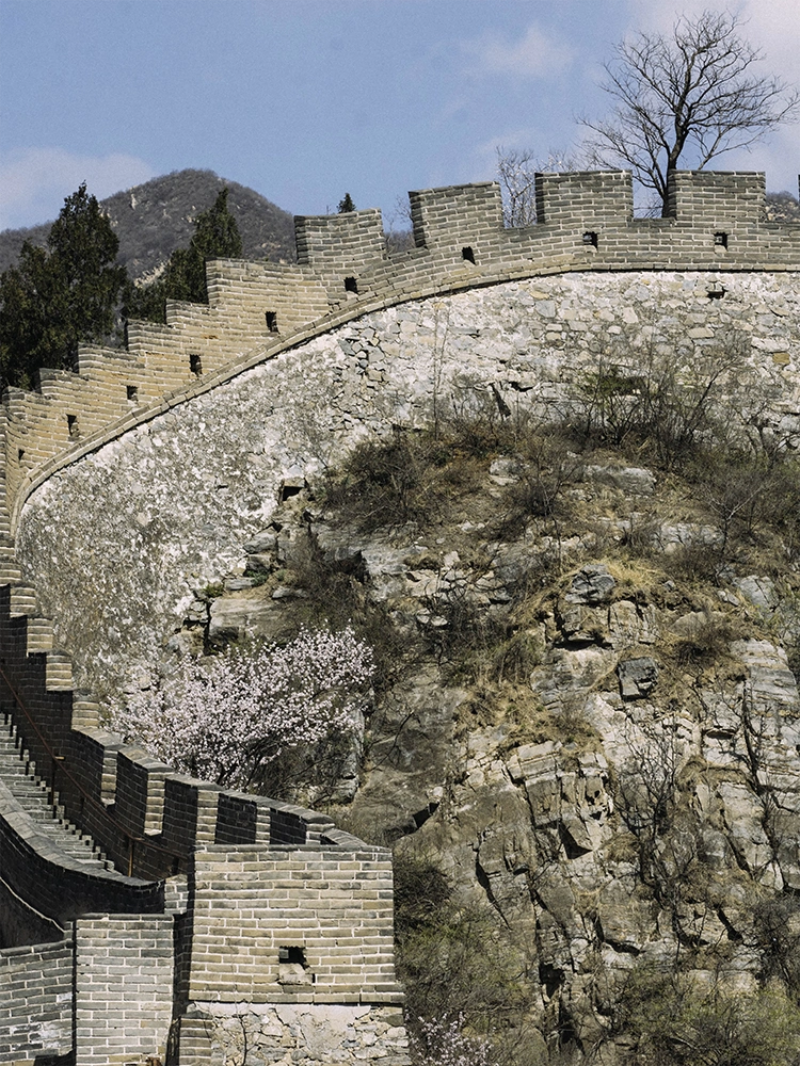
Two highlights at Juyong Pass are the imposing fortress and the Cloud Platform’s stone carvings. The Cloud Platform is a white marble structure preserved from the Yuan Dynasty, with archways and vaults covered in intricate reliefs of animals and motifs that showcase exceptional craftsmanship. As a northern gateway to Beijing, the pass is often praised as “the first pass under heaven,” evoking the old saying that a single defender could hold it against ten thousand.
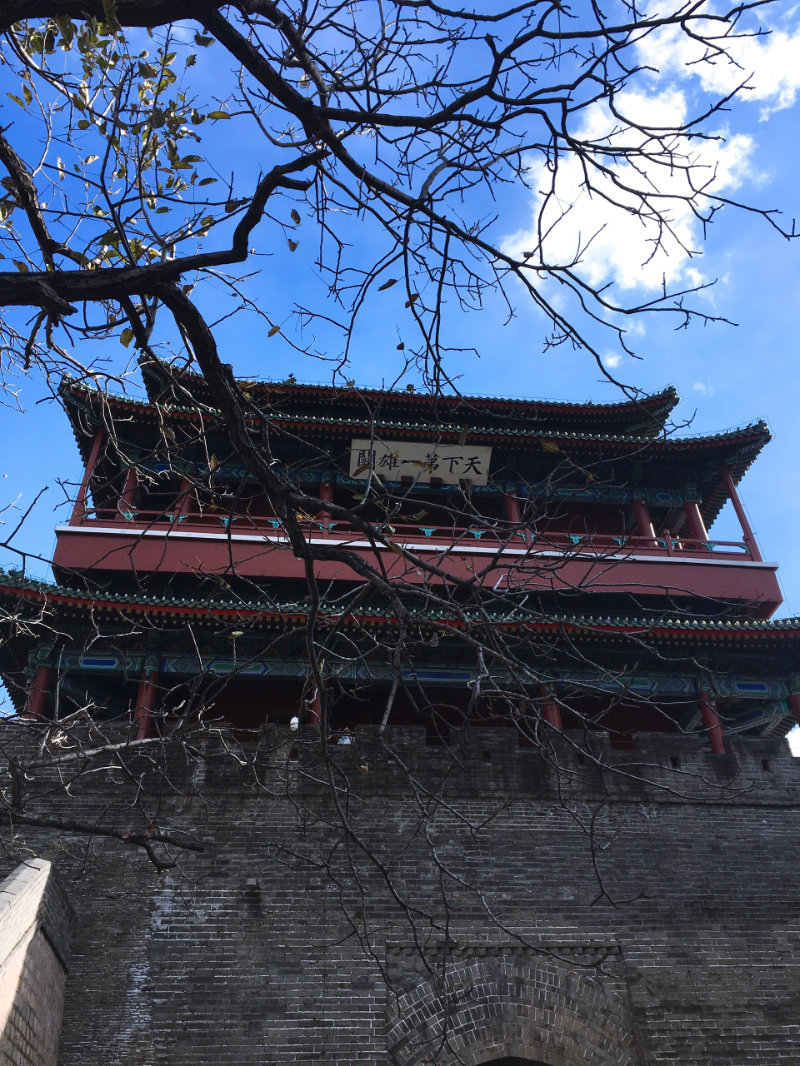
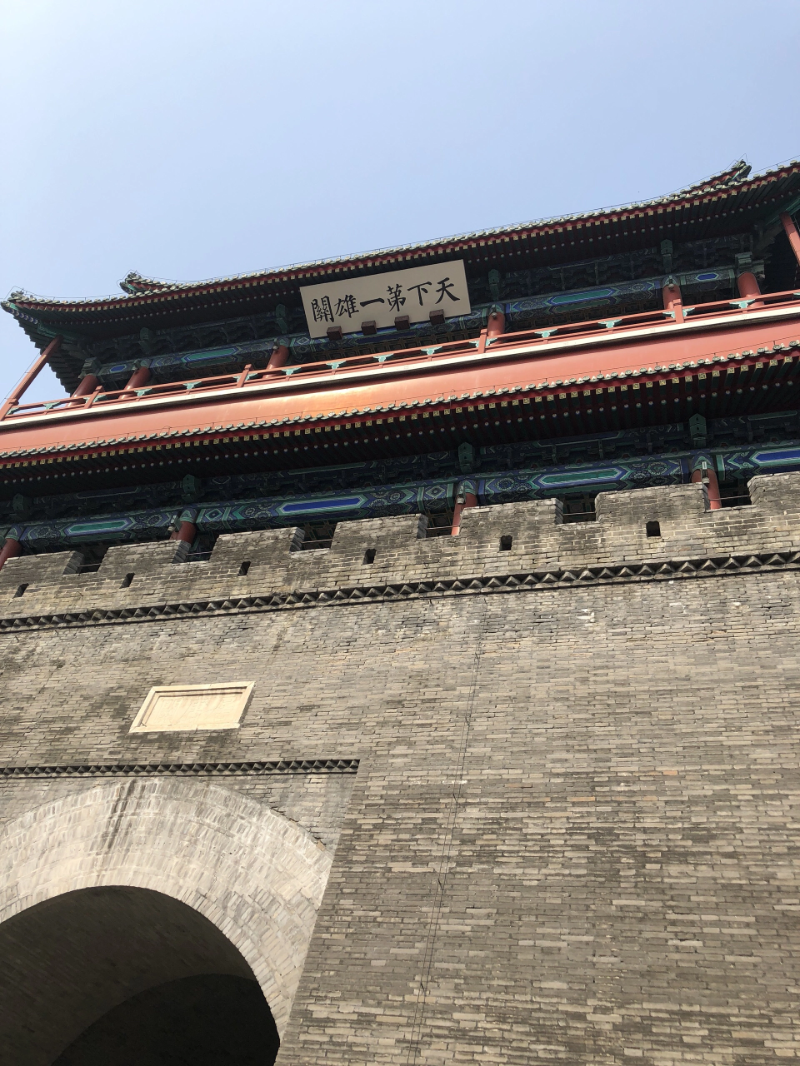
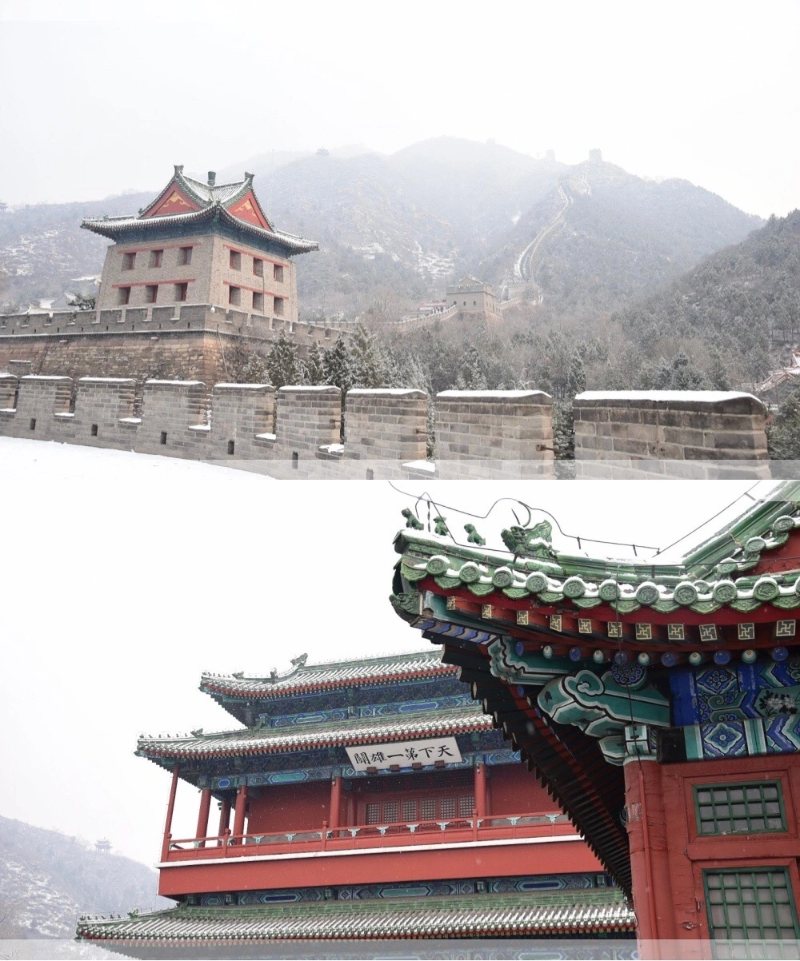
Summer through early autumn is often the easiest time to climb, when the scenery at Juyong Pass is lush. Late autumn brings red leaves and strong color contrast against the Wall. Juyongguan is about 11 kilometers from Badaling, and many itineraries pair them in a single day, with roughly 2 hours at Juyongguan.
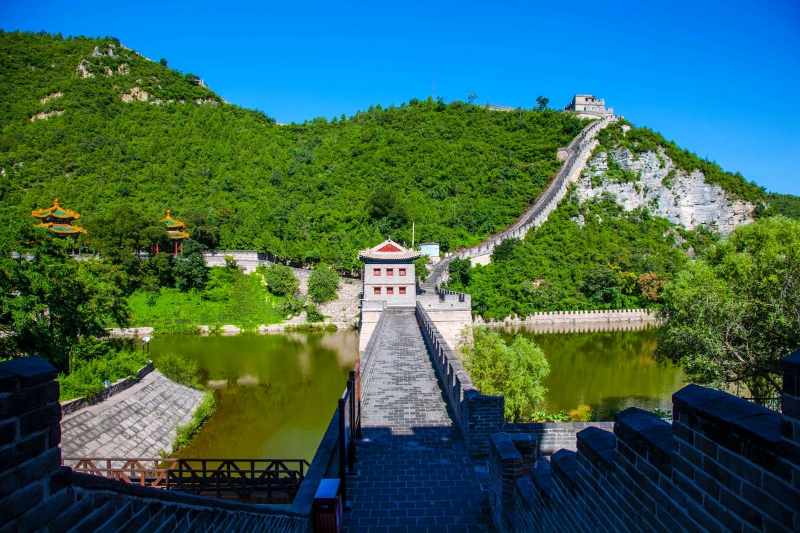
Practical Information
Address: Juyongguan Great Wall, Nankou Town, Changping District
Transportation: Drive along the Badaling Expressway to the Juyongguan exit
Opening Hours: 8:30 AM - 4:30 PM
Admission: Peak season: 45 yuan/person, Off-season: 40 yuan/person
S2 Line Flower Sea
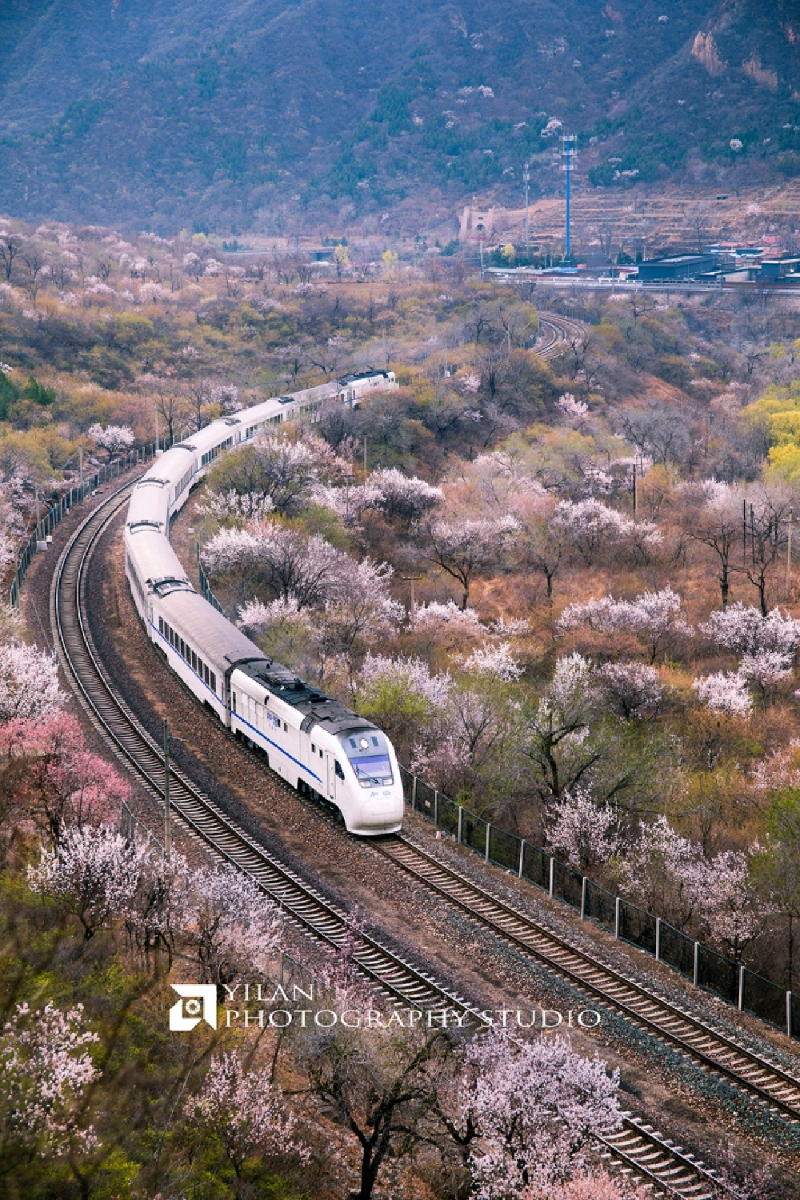
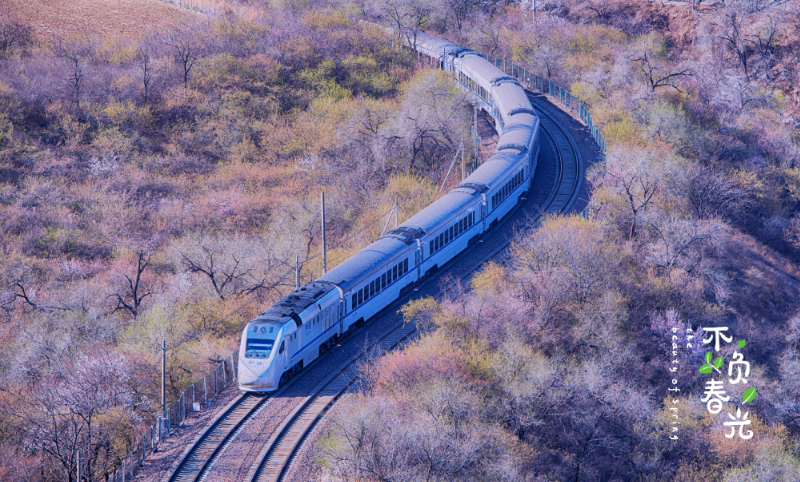
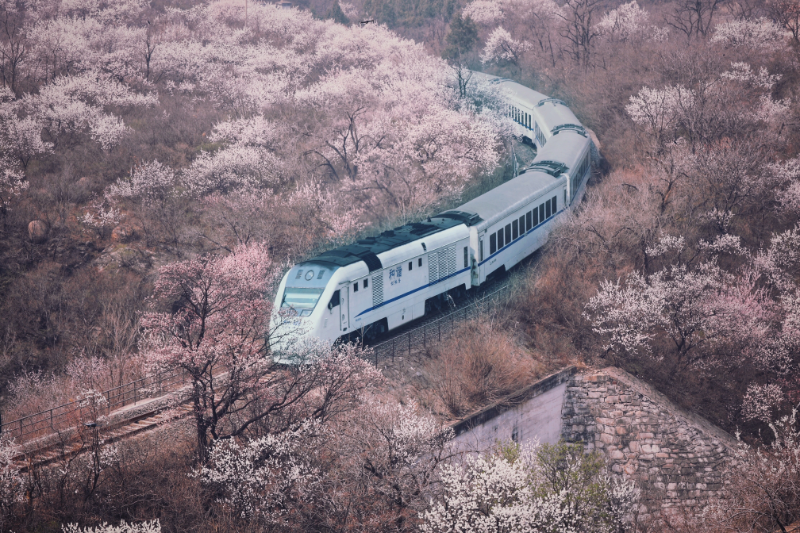
When people talk about the Great Wall in spring, they often mention the Suburban S2 Line. This route follows parts of the historic Jingzhang Railway associated with Zhan Tianyou. In early spring, trains passing near Juyongguan can run through valleys filled with blossoms, creating the famous “flower sea train” scenes.
Practical Information
The S2 suburban railway starts at Huangtudian Station in Changping District (near Huoying Subway Station), passing Nankou, Badaling, Kangzhuang, and Yanqing, and ending at Shacheng in Zhangjiakou.
Fare (reference): 5 yuan from the starting station, 6 yuan to Badaling, and 16 yuan to the final station.
Ticketing: On-site purchase or use a transit card.
The S2 line does not offer assigned seating. During peak blossom season (often late March to early April), it can be very crowded, so go early if you can.