
As the capital of multiple dynasties, Beijing blends Manchu, Han, and Hui food traditions. You’ll find both imperial court cuisine once praised as “the finest delicacies under heaven” and everyday classics like snacks, stewed offal, and zhajiang noodles. To taste the real thing, look for spots locals actually queue for.
Roast duck
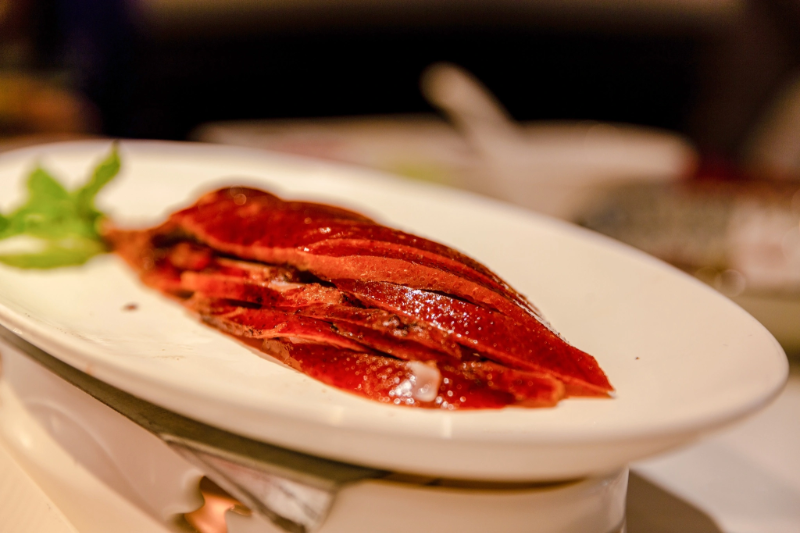
Roast duck began as imperial cuisine and is often linked to Emperor Zhu Yuanzhang of the Ming Dynasty. When the capital moved to Beijing, roast duck masters from Nanjing followed, and the dish gradually moved from palace tables to the public. Bianyifang is widely cited as one of the earliest roast duck restaurants in the capital. By cooking method, roast duck is usually described as Bianyifang-style (oven-roasted) versus Quanjude-style (hanging-roasted). Oven-roasted duck tends to keep the skin and meat more connected and tender, while hanging-roasted duck often delivers crisper, more separated skin.
/images/remote/5a9546b110b28587.gif

/images/remote/6c5aaccacd549d60.gif

When the duck arrives, many seasoned diners dip a piece of crisp skin in sugar first, letting the fat and sweetness melt together on the tongue. Then it’s pancake time: spread a little sweet bean sauce on the thin pancake, add a few slices of duck, and top with shredded scallion, cucumber, and sometimes radish or garlic paste, then roll and eat. The contrast between rich duck and fresh vegetables is what makes it so addictive.
/images/remote/8e817dd6a87a3665.gif

/images/remote/f935d84c397a300e.gif

Recommended Restaurant:
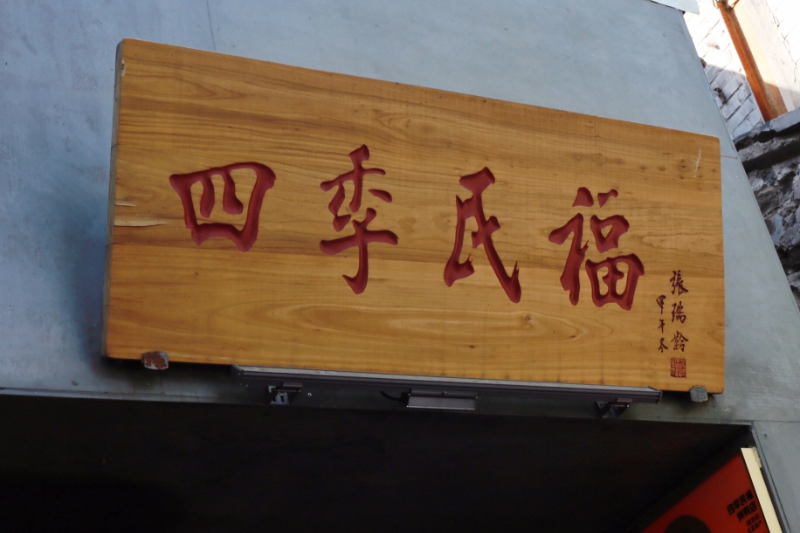
Siji Minfu
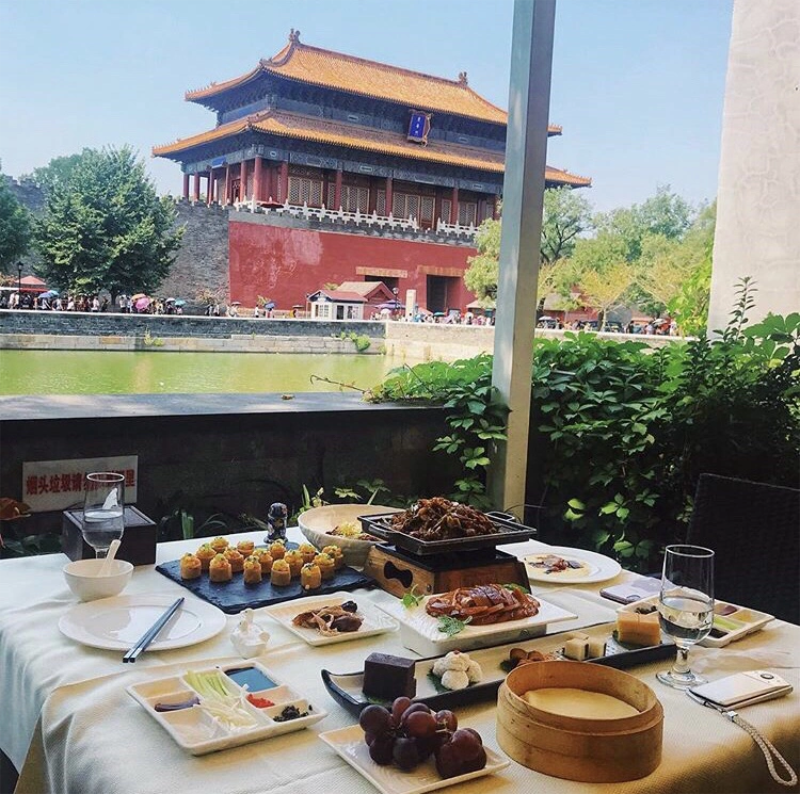
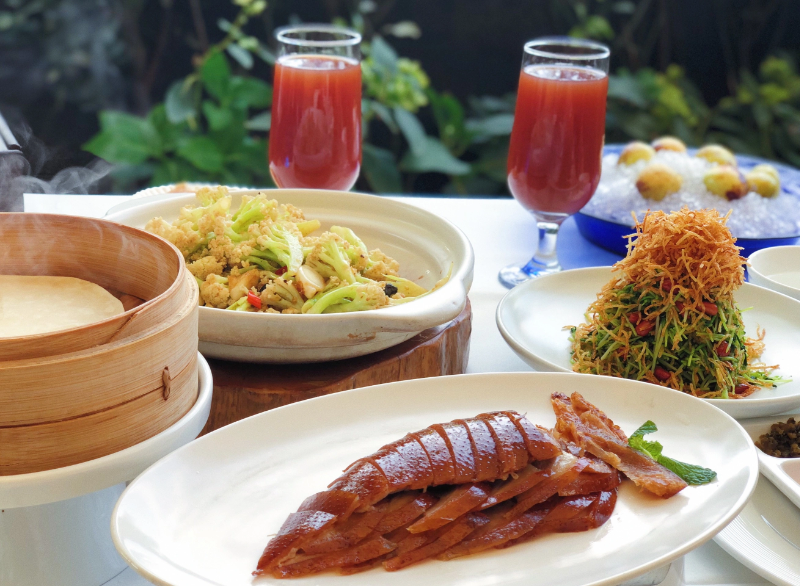
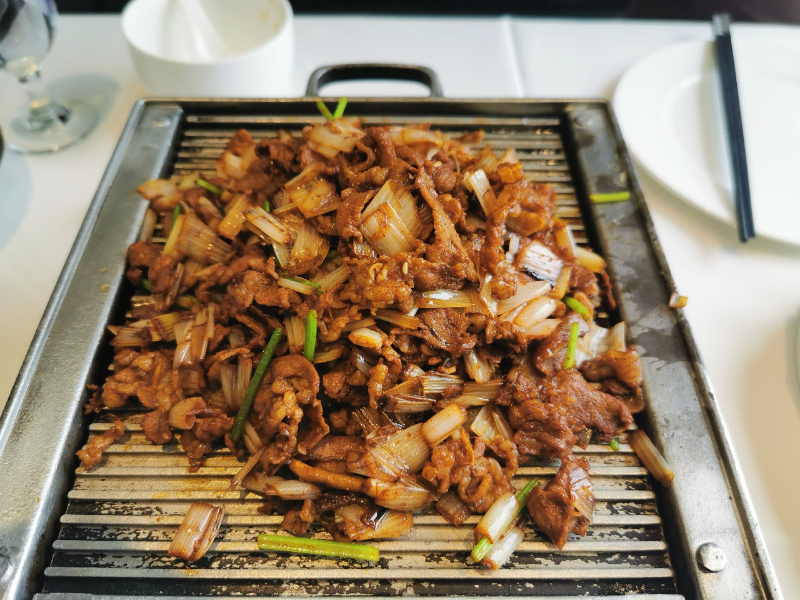
Siji Minfu is a roast duck chain with branches near major sights and busy shopping areas, and the location by the Forbidden City moat is especially popular. Compared with older, more formal institutions, Siji Minfu is often favored by younger diners, in part because the duck is seen as tender and a bit lighter on the palate. Beyond duck, it’s also a good place to try Beijing dishes like dry-fried meatballs, cumin lamb, and mustard duck feet.
Shi Jiu
Shi Jiu is often framed as a representative of New Beijing Cuisine—traditional flavors reworked with modern technique. Even humble dishes like sesame spinach can feel unexpectedly refined here. The room is elegant, the service is polished, and it’s a strong pick for hosting elders, first-time visitors, or business meals—it helps you “save face.”
A signature here is the Caviar Roast Duck. The crispiest breast skin is sliced and served with bread and caviar. The rich duck aroma meets the caviar’s umami, while crisp skin and soft bread create a memorable texture contrast.
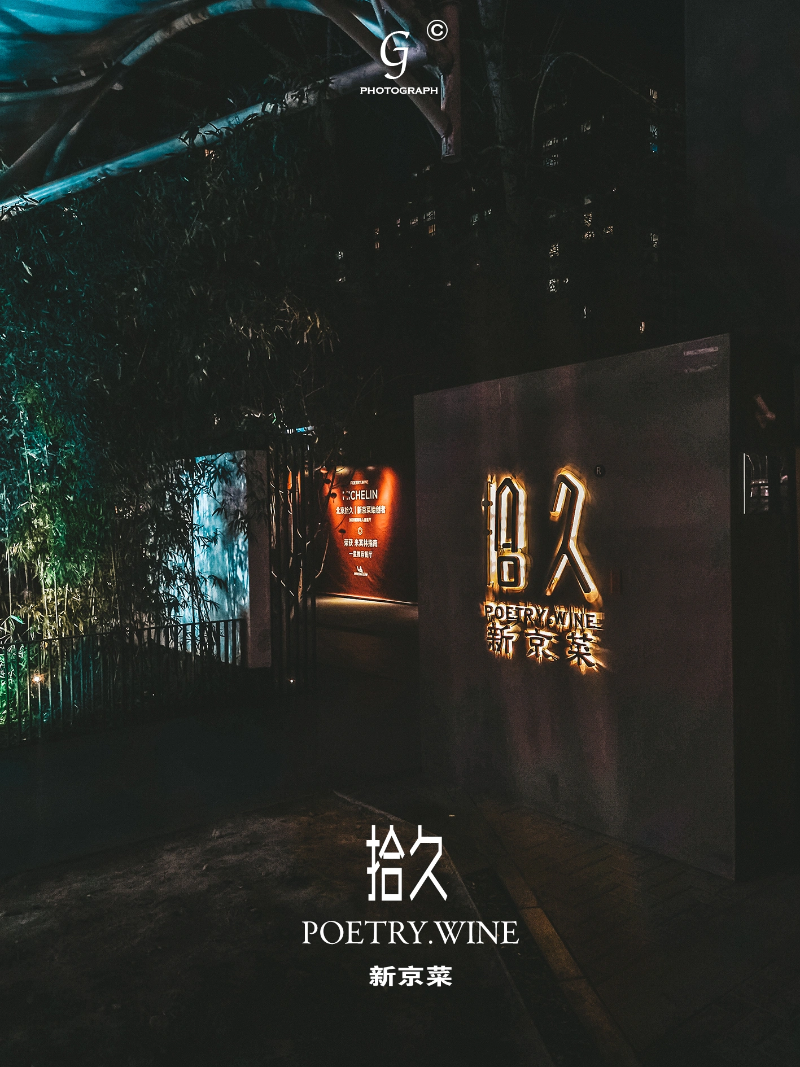
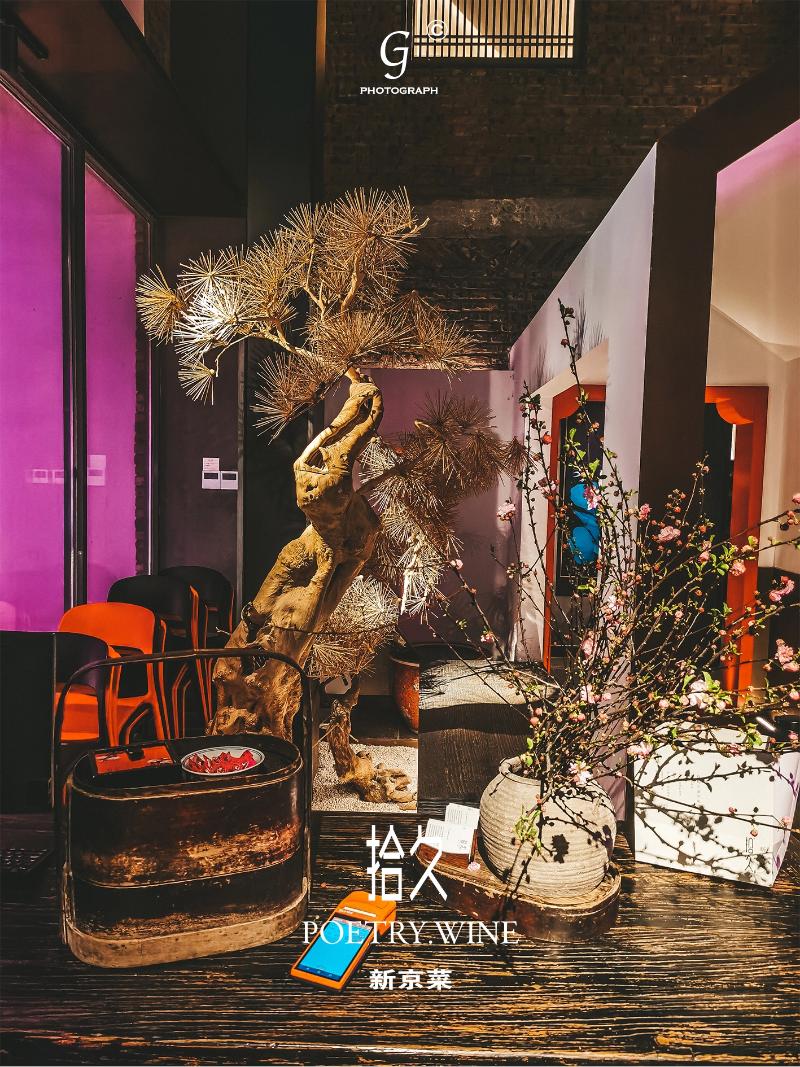
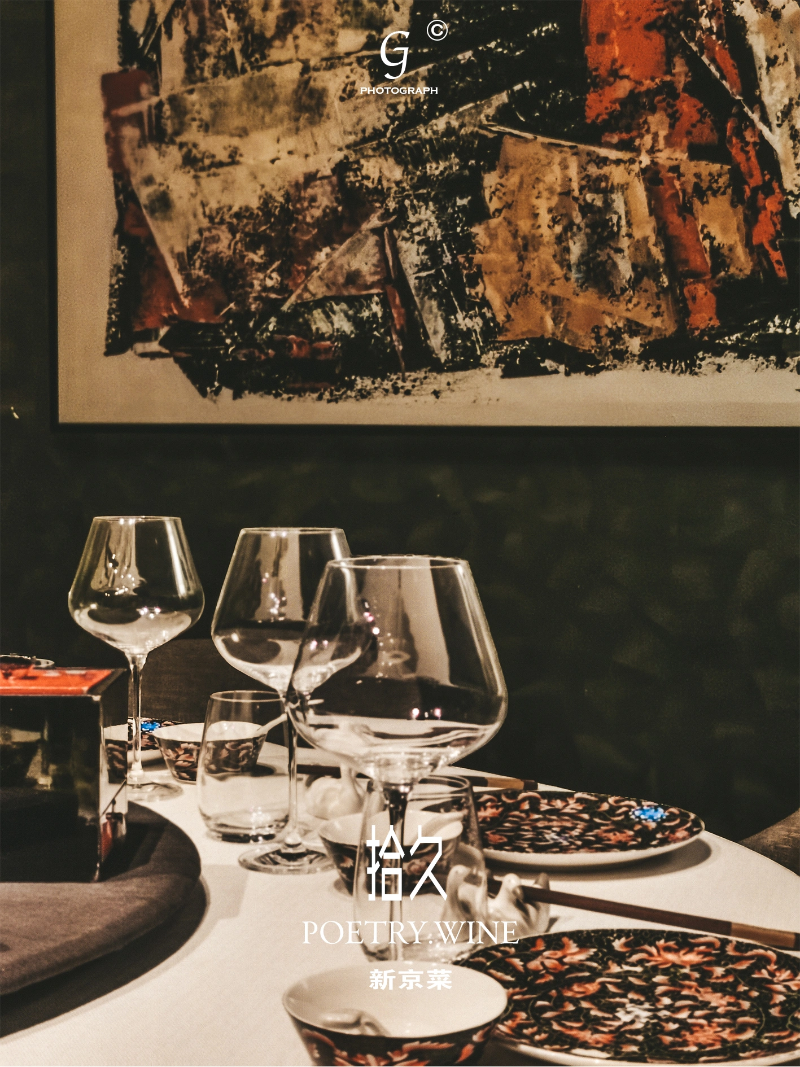
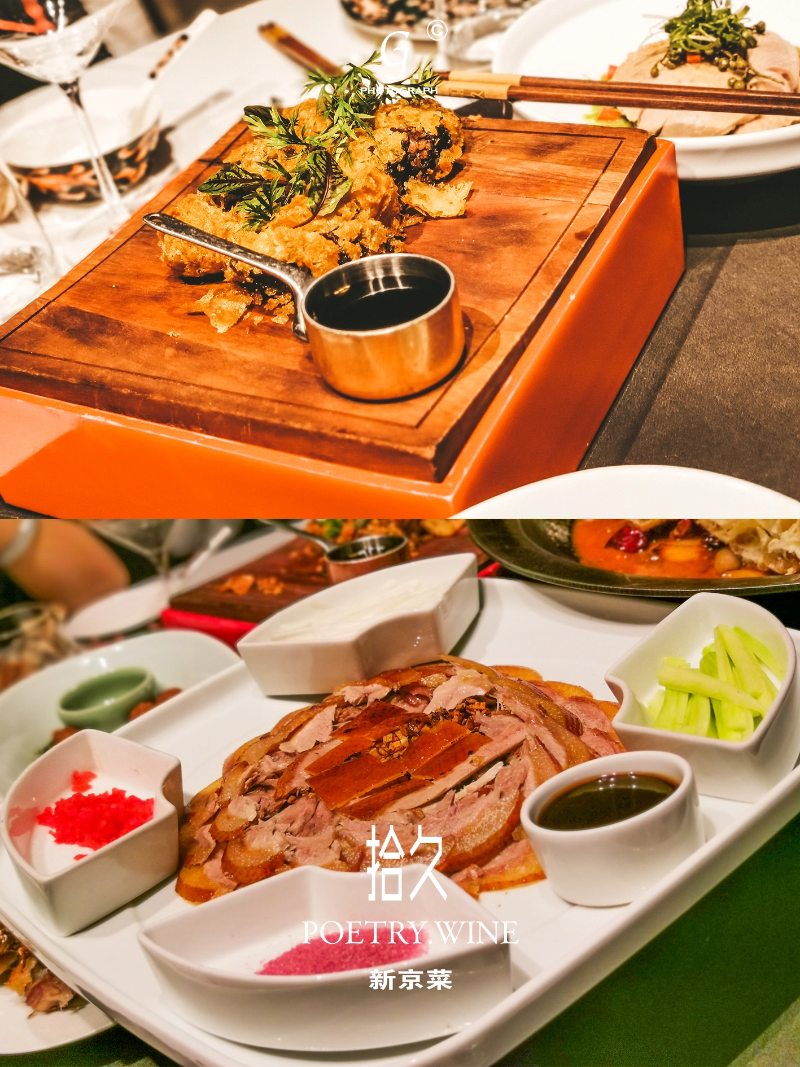
Address: Opposite Melody, No. 61 Middle East Third Ring Road
Business Hours: 11:30 AM - 2:00 PM, 5:00 PM - 9:30 PM
Average Price per Person: 293 RMB
Old Beijing Copper Pot Hot Pot
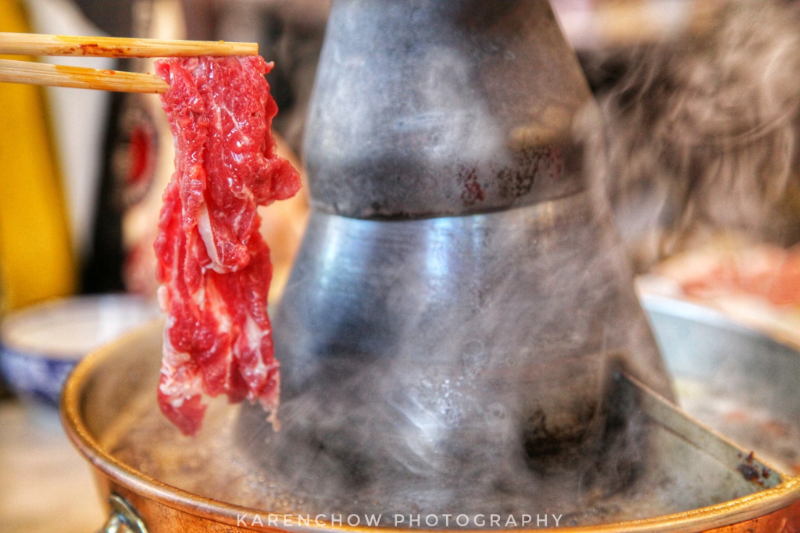
In a northern winter, few meals are more comforting than hot pot. In Beijing, the classic version is shuan yangrou—quick-sliced mutton swished in boiling broth. Traditional old Beijing hot pot uses a copper pot over charcoal, with a clear broth seasoned lightly with scallion, ginger, mushrooms, and goji berries so the mutton stays front and center. The essential dipping sauce is sesame paste, often blended with fermented tofu, chive flower paste, sesame, and chili oil, plus a dash of vinegar if you like it brighter. It’s rich, fragrant, and deeply warming.
/images/remote/3d0603fbc0182313.gif

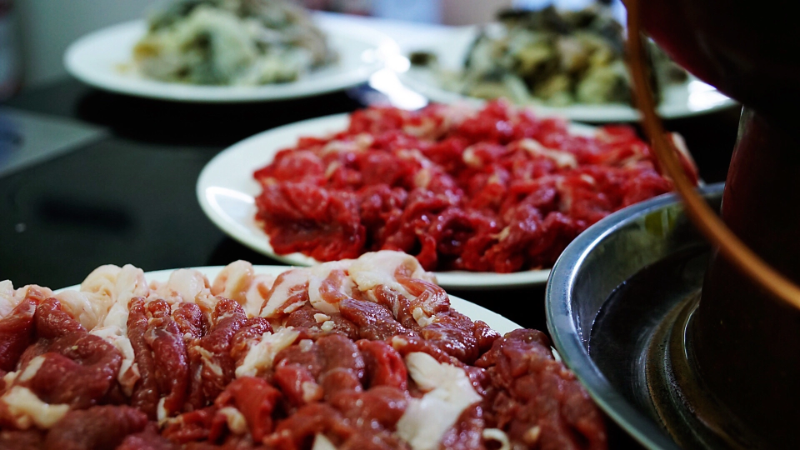
A traditional move is to “season the pot with fat” by briefly blanching lamb tail fat first. Cut selection also matters. You’ll often see five classic cuts: shangnao (shoulder/neck area), tenderloin, modang (hind leg), yuanbao (a rounded cut), and huanggua tiao (“cucumber strips”), with huanggua tiao often praised for its tender bite. For many locals, hand-cut lamb is the gold standard—the slices should stand upright on the plate and stay clean-looking rather than weeping blood.
/images/remote/3e9f90f2432930ab.gif

Recommended Restaurant:
Niujie Qingzhen Manhengji
Beijingers know Manhengji is excellent—and notoriously hard to get into. The star is hand-cut lamb, and you can often choose your preferred fat-to-lean ratio. Portions are generous and the texture is consistently tender. Even though it’s a classic hot pot shop, the item that truly goes viral is the sugar pancake: thin, crisp, filled with warm sesame paste and syrup, and best eaten immediately.
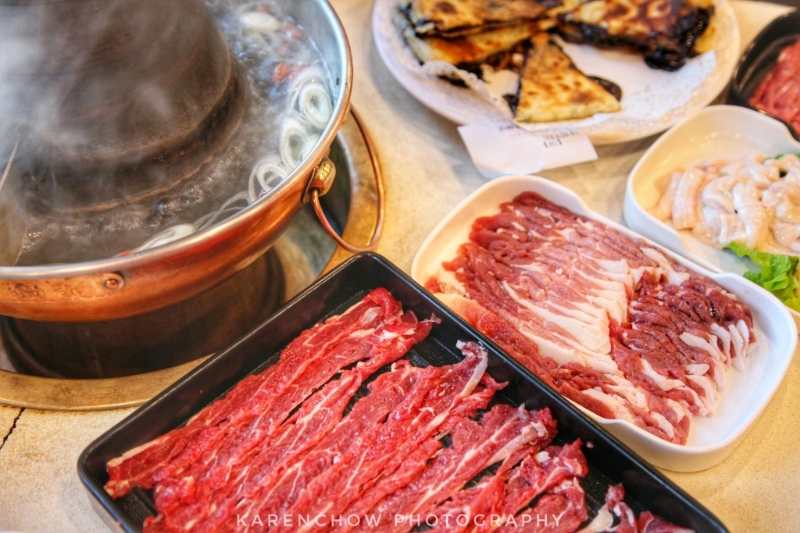
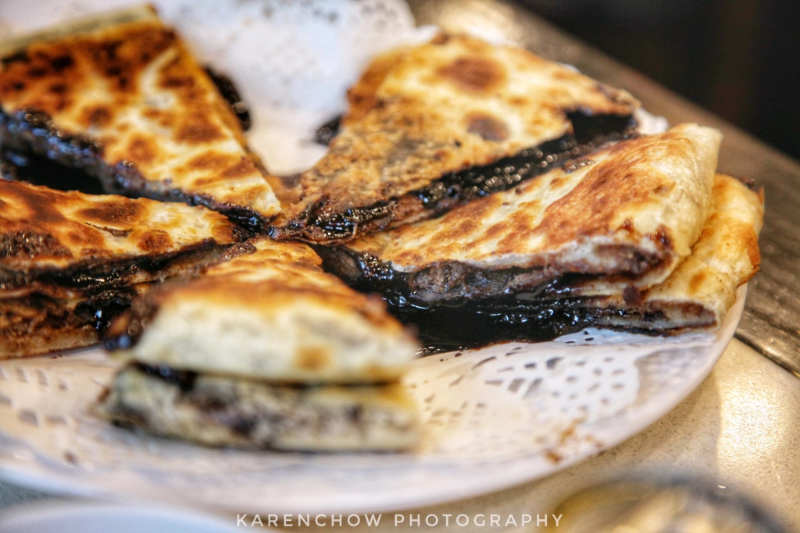
Address: No. 14, Ping'anli West Street
Business Hours: 6:30 AM - 9:30 AM, 11:00 AM - 10:00 PM
Average Price per Person: 110 RMB
Nanmen Shuanrou
Located near the south gate of the Temple of Heaven, Nanmen Shuanrou is a long-established halal hot pot restaurant. It’s known for reliably good hand-cut lamb, plus fresh tripe and beef omasum supplied daily.
The set meal often includes frozen tofu, cabbage, and vermicelli, plus a piece of pickled garlic to cut the richness—very old Beijing in spirit. Tofu and vermicelli soaked in sesame paste are a highlight in their own right. In winter, sitting by a fogged-up window with a copper pot bubbling away is peak Beijing comfort.
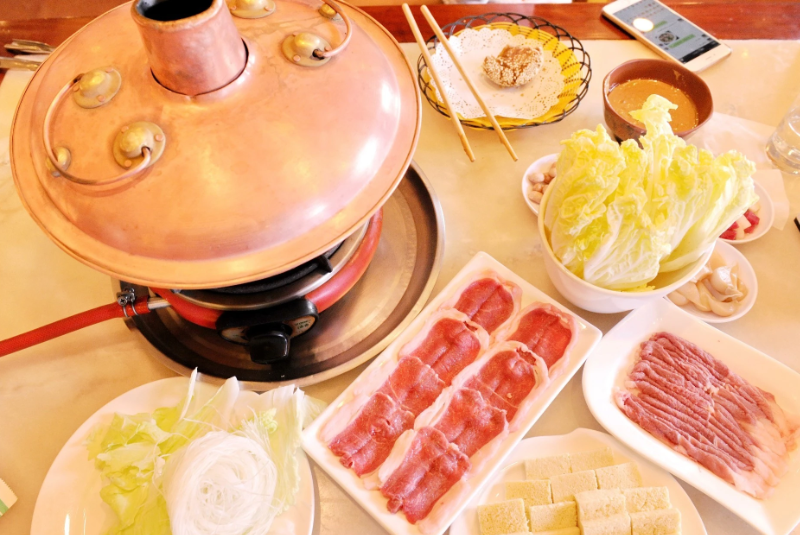
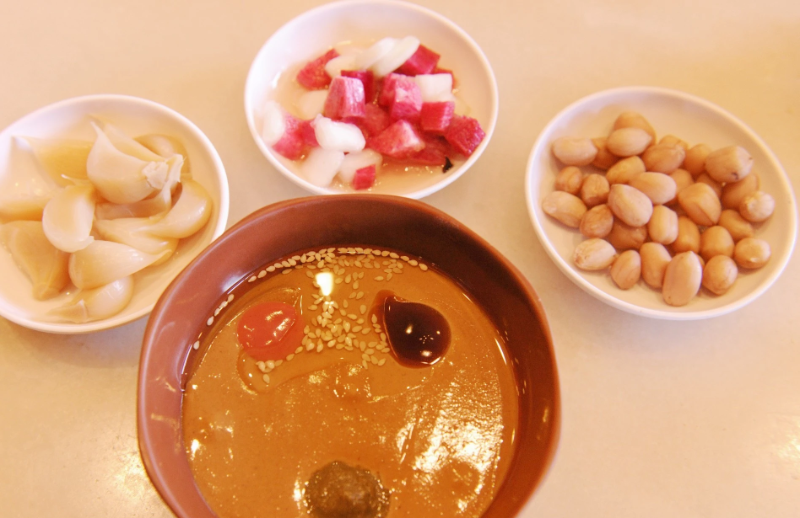
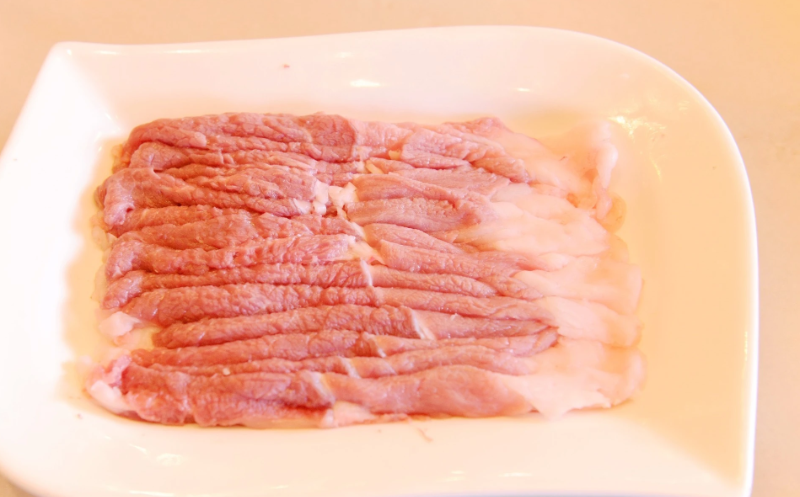
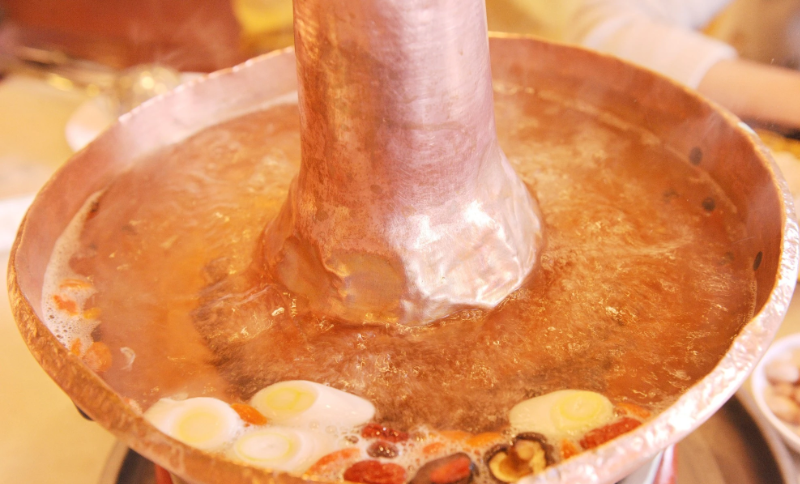
Address: Building 13, Units 1-2, Yongdingmen East Street East Lane
Business Hours: 11:00~22:00
Average Price per Person: 102
Grilled Meat on a Hot Plate
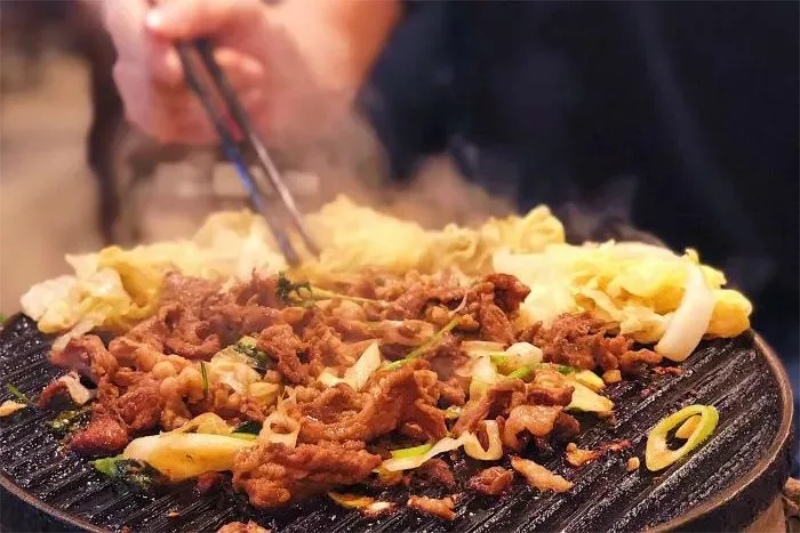
Beijingers love lamb, a preference often linked to northern steppe influence. One classic technique is zhi zi barbecue: grilling meat on a round iron plate over fruitwood charcoal. Thin slices of beef or lamb are tossed with scallion, ginger, and cilantro, then sizzle and char on the hot iron.
/images/remote/af5ab1101c444644.gif

/images/remote/588caff2c6848fd3.gif

Recommended Restaurant:
Kaorou Ji
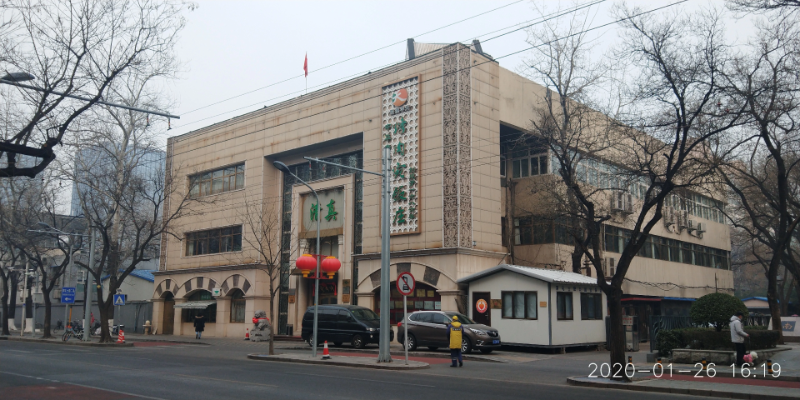
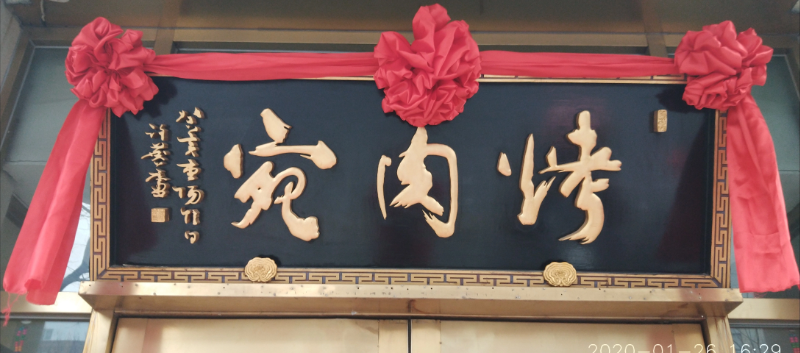
In Beijing, zhi zi barbecue is sometimes summed up as “Nan Wan, Bei Ji”—Wan in the south, Ji in the north. The “Ji” refers to Kaorou Ji near Shichahai. This time-honored brand dates back to the Daoguang era of the Qing Dynasty. It began as a grill stall near Yinding Bridge and became famous for its distinctive technique and far-reaching aroma.
Today, Kaorou Ji still leans into its century-old reputation, serving lamb that’s fresh and clean-tasting. Pair it with hot sesame cakes and the meal feels both hearty and very Beijing.
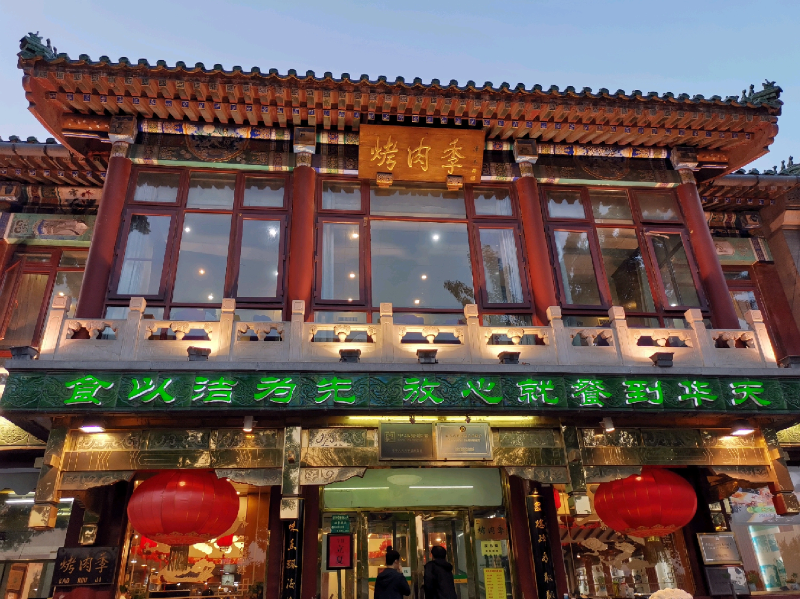
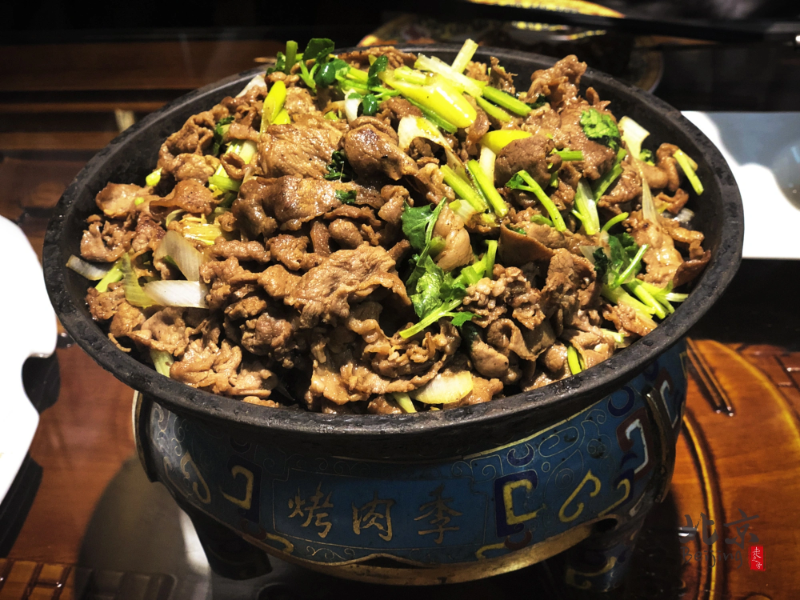
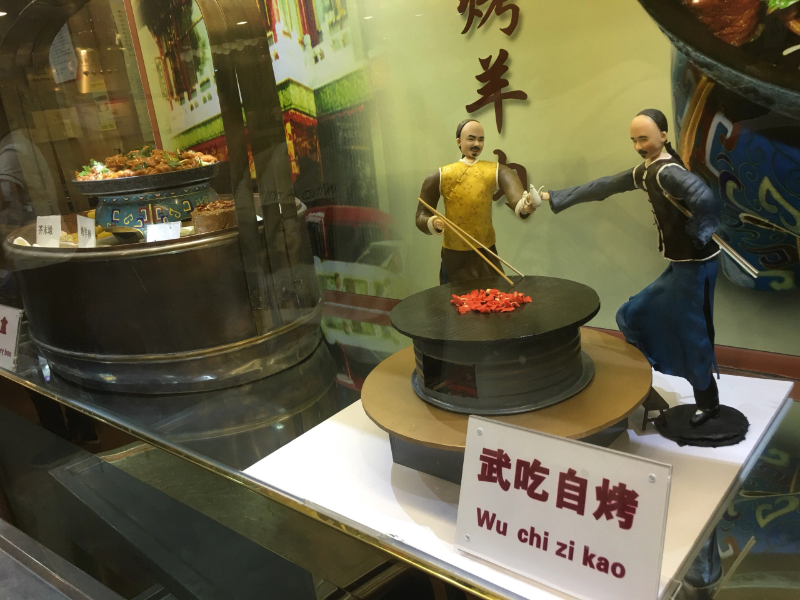
Address: 14 Qianhai East Bank
Business Hours: 6:00 AM - 9:00 AM, 11:00 AM - 3:00 PM, 5:00 PM - 9:00 PM
Average Price per Person: 125 CNY
Kaorou Wan
If the Ji family is known for lamb, the Wan family has long been associated with roasted beef. The story goes that a Hui Muslim surnamed Wan first sold beef and mutton near Xuanwu Gate; over generations, the stall evolved into a grill house famous for beef and beef-filled buns. Renowned cultural figures such as Zhang Daqian, Mei Lanfang, and Ma Lianliang are often cited as regulars. Signature dishes include premium roasted beef and crispy stir-fried tripe with coriander, plus a lineup of classic Beijing snacks.
Address: 58 Nanlishi Road
Business Hours: 10:30 AM - 9:30 PM
Average Price per Person: 118 RMB
Zhajiangmian
For many Beijingers, zhajiangmian is the taste of home. Older generations grew up eating it just outside their hutongs. A small bowl of rich fried sauce meets a table full of toppings—often shredded cabbage, radish, and bean sprouts among others. The aroma of sweet bean sauce fried in lard is hard to resist, and once it’s mixed into springy noodles, one bowl rarely feels like enough.
/images/remote/c42377ce2f2bd922.gif

/images/remote/713c043b335f2adc.gif

Recommended Restaurant:
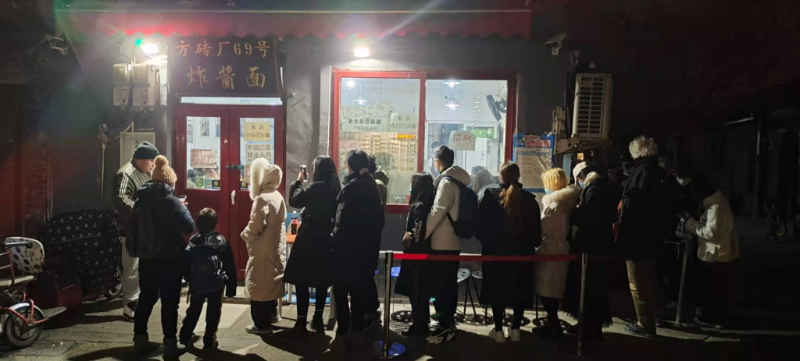
Fangzhuang Factory No. 69 Zhajiang Noodles
Hidden in a hutong, this small shop is famous for zhajiangmian. There’s effectively no menu—just tell them how many bowls you want. It’s often packed, but tables turn quickly. Each table usually has a big jar of the shop’s homemade Laba garlic, a classic northern pairing for noodles. The sweet-sour garlic cuts through the rich sauce beautifully.
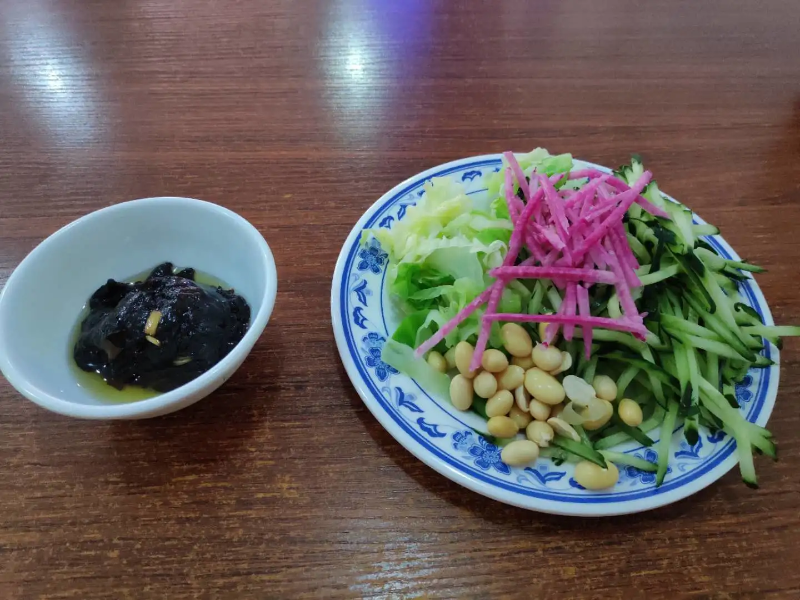
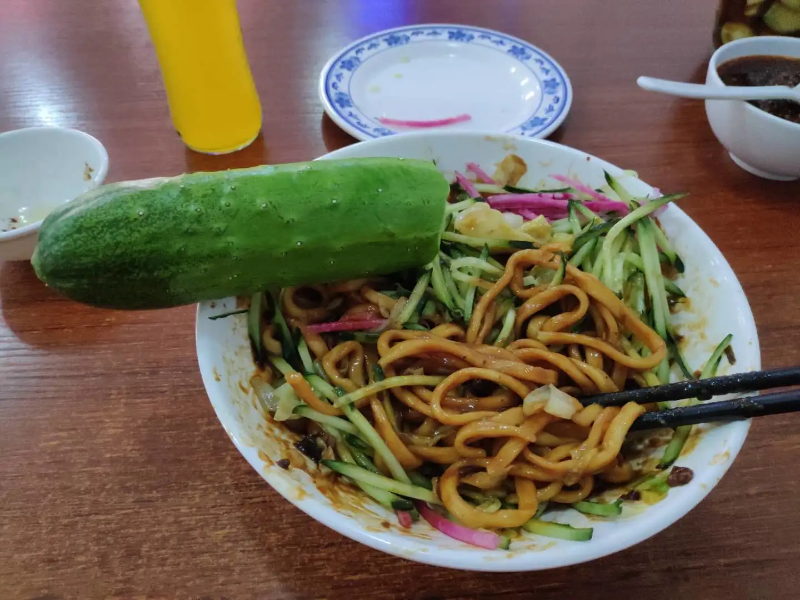
Address: No. 1, Fangzhuangchang Hutong
Business Hours: 10:30 AM - 7:00 PM
Average Price per Person: 22 RMB
Beijing Snacks
Beijing snacks reflect Han, Hui, and Manchu influences, with both sweet and savory styles—some of them shaped by imperial court taste. People’s opinions vary wildly, often because they tried the wrong place. If you’re in Beijing, it’s worth finding the authentic old Beijing flavors so you don’t miss the culinary roots of the imperial capital.
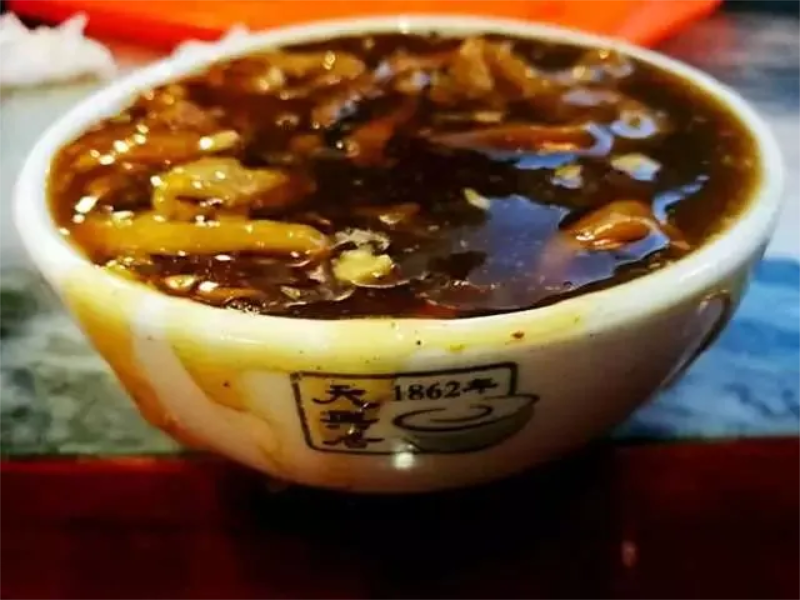
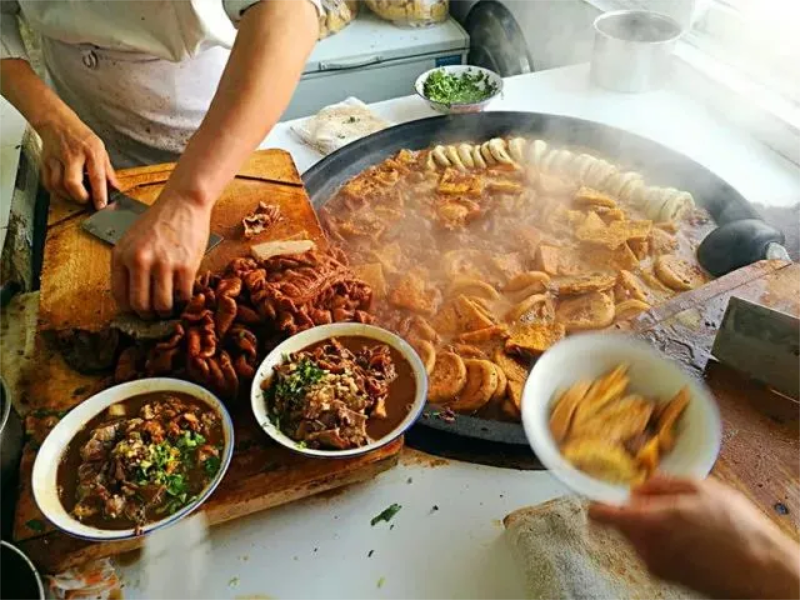
Many time-honored snack shops cluster inside the old Inner City, often near major sights—easy to add to a day of sightseeing.
Recommended Restaurant:
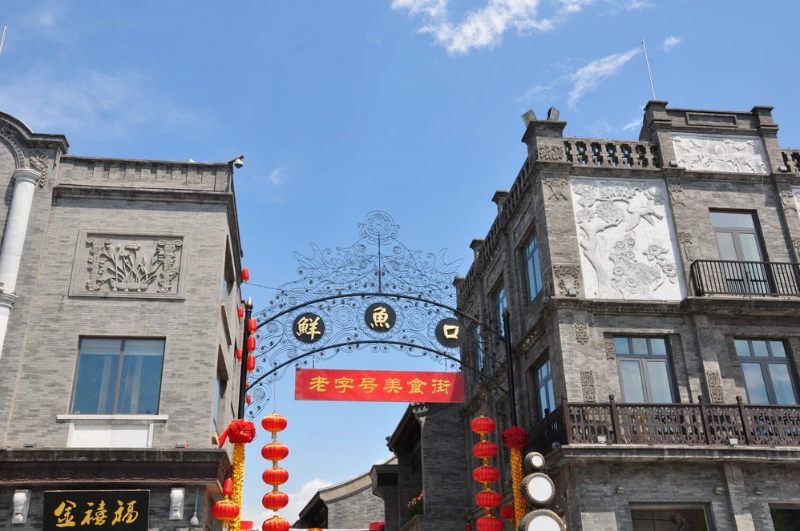
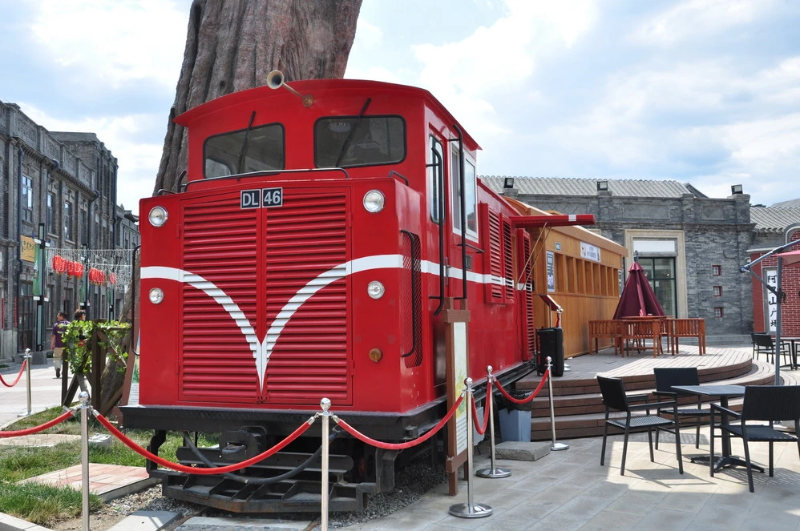
Xianyukou | Qianmen Time-Honored Food Street
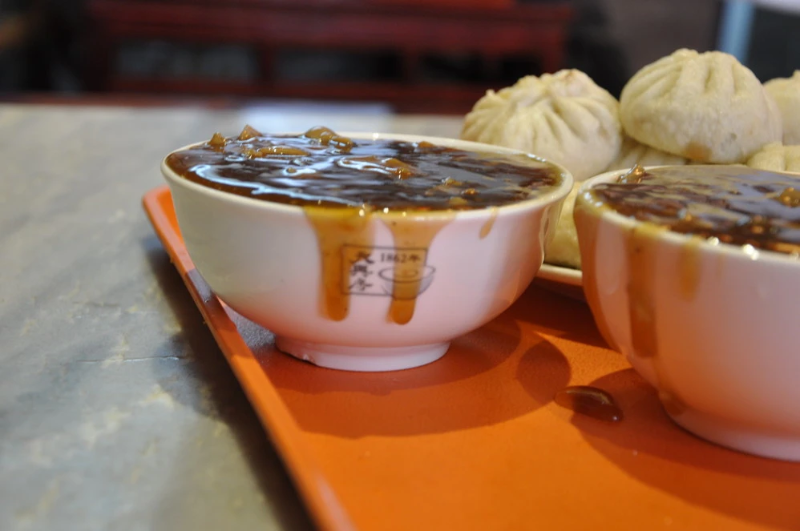
Xianyukou is a famous hutong once packed with old Beijing institutions—historically even more prestigious than Dashilan. After recent renovations, many businesses returned and the area feels lively again. Tianxingju, which has sold fried liver here for about 200 years, is widely regarded as a top address for the dish in Beijing.
You’ll also find Bianyifang’s flagship, Jinfang Snacks, the century-old Tianyuan Pickle Shop, and Zhang’s Golden Cake (said to be named by Empress Dowager Cixi), among others. It’s a street where you can happily snack from morning to night.
Address: Near Dashilan Commercial Street, Qianmen Street
Business Hours: 10:00~22:00
Average Price per Person: 67 yuan
Jinfang Snacks | Childhood Memories at the North Gate of the Temple of Heaven
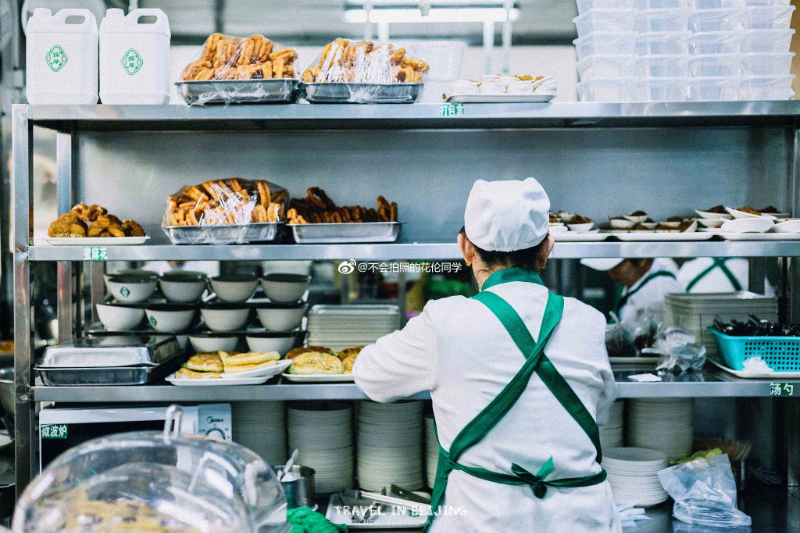
Jinfang Snacks is nostalgia for many longtime Beijingers. People come for meat pies, douzhi (fermented mung bean drink), and handmade glutinous rice balls, plus dozens of halal snacks such as pea cake, kidney bean rolls, aiwowo, and millet porridge. The crowd used to skew older, but in recent years more young runners stop by after morning exercise at the Temple of Heaven.
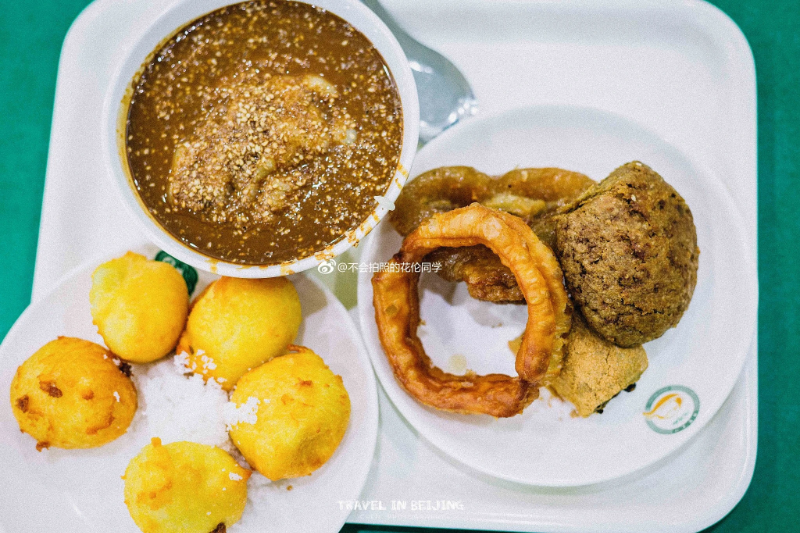
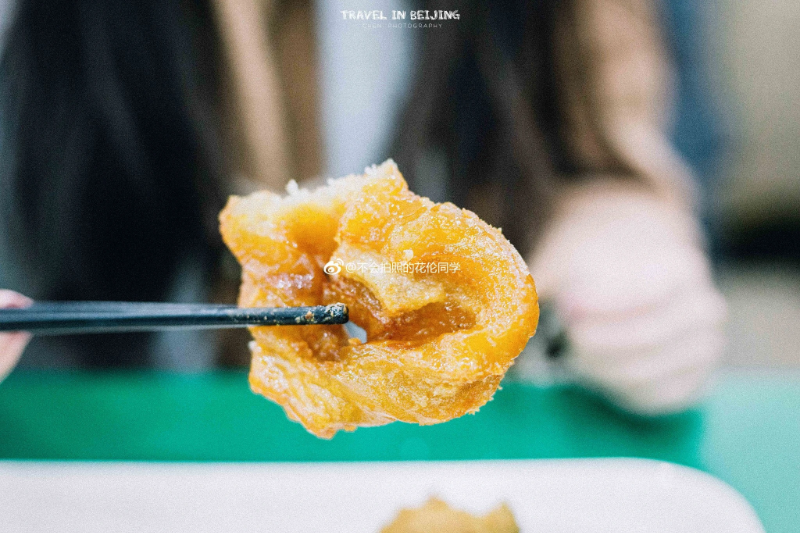
Address: 1st Floor, Beijing Metropolis, No. 2, Zhushikou East Street
Business Hours: 6:00 AM - 7:30 PM
Average Price per Person: 25 RMB
Beixinqiao Lu Zhu Lao Dian | The Old Flavor South of Yonghegong
When meat was expensive, ordinary people got creative with offal. Luzhu is often described as evolving from an imperial dish associated with Emperor Puyi. The original used pork belly, which many couldn’t afford, so cooks substituted pig head meat, intestines, and lung—and ended up creating something uniquely satisfying.
The Beixinqiao Luzhu Lao Dian has been around for years and draws fans from across the city. The intestines are tender without being greasy, and the tofu plus baked wheat cakes soak up the broth beautifully. It’s the kind of bowl locals simply describe as “fragrant.”
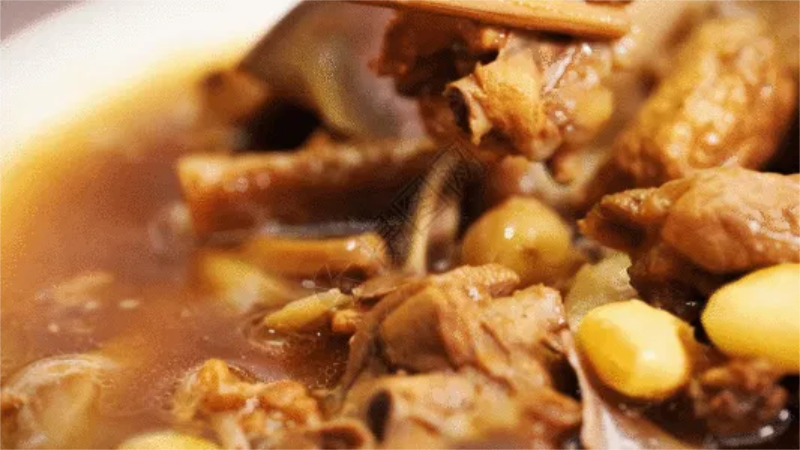
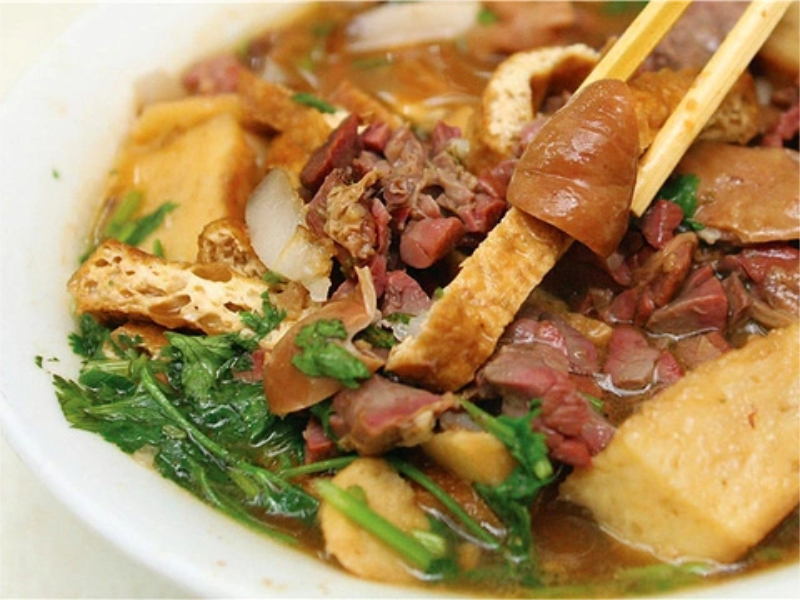
Address: 141 Dongsi North Street
Business Hours: 10:30 AM - 12:00 AM
Average Price per Person: 45 RMB
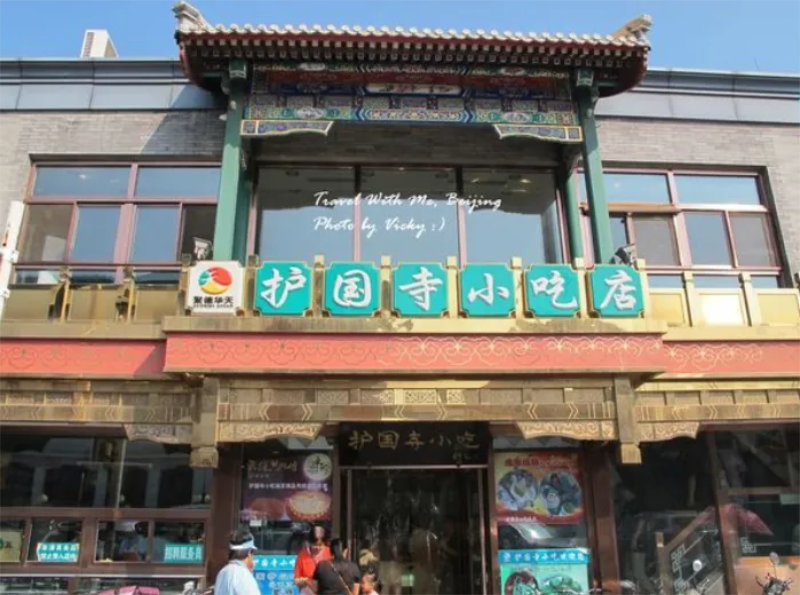
Huguo Temple Snacks Main Store | Famous Snacks Next to Prince Gong's Mansion
Back when the Huguo Temple fair was in full swing, the biggest draw was the food stalls. Later, many of the best-known vendors were gathered together into what became the Huguo Temple Snack Shop.
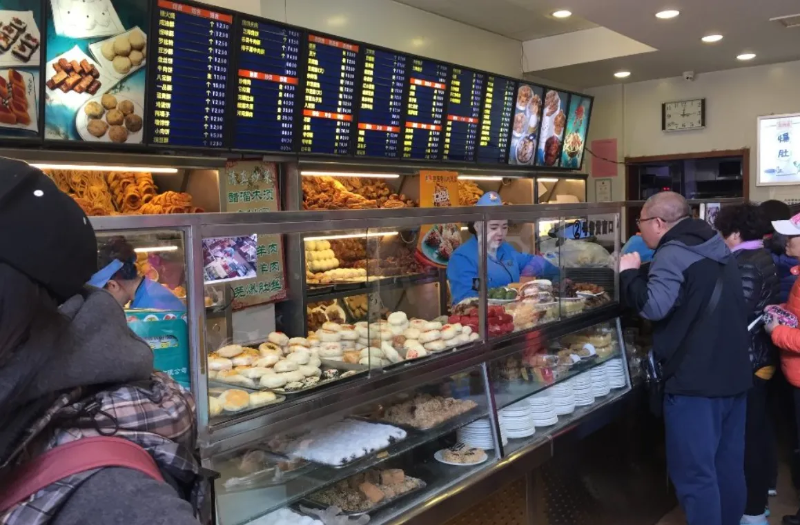
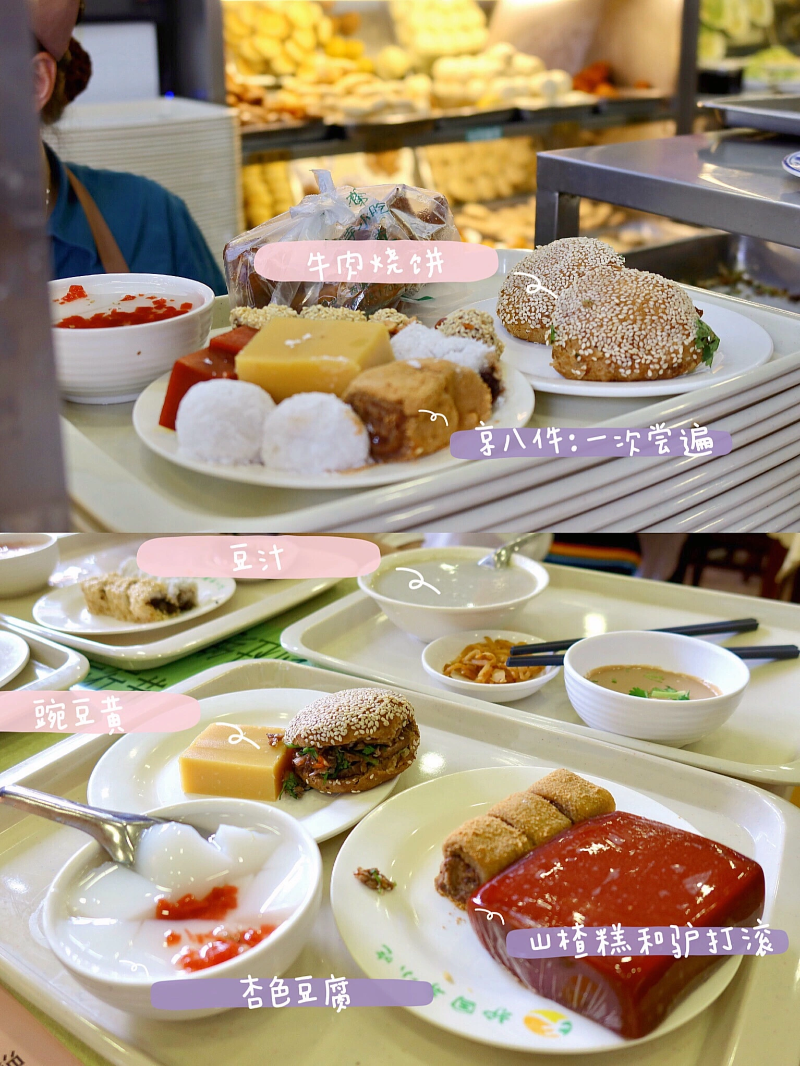
Huguo Temple Snack Shop may be the most comprehensive Beijing snack stop, covering halal, Han, and court-influenced items. Savory picks include quick-fried tripe, millet porridge, and tofu pudding, while sweets include pea cake, “it-seems-like-honey,” and cream fried cakes, among others. It’s best tackled with friends so you can try more.
Address: 93 Huguo Temple Street
Business Hours: 5:30 AM - 9:00 PM
Average Price per Person: 30 CNY
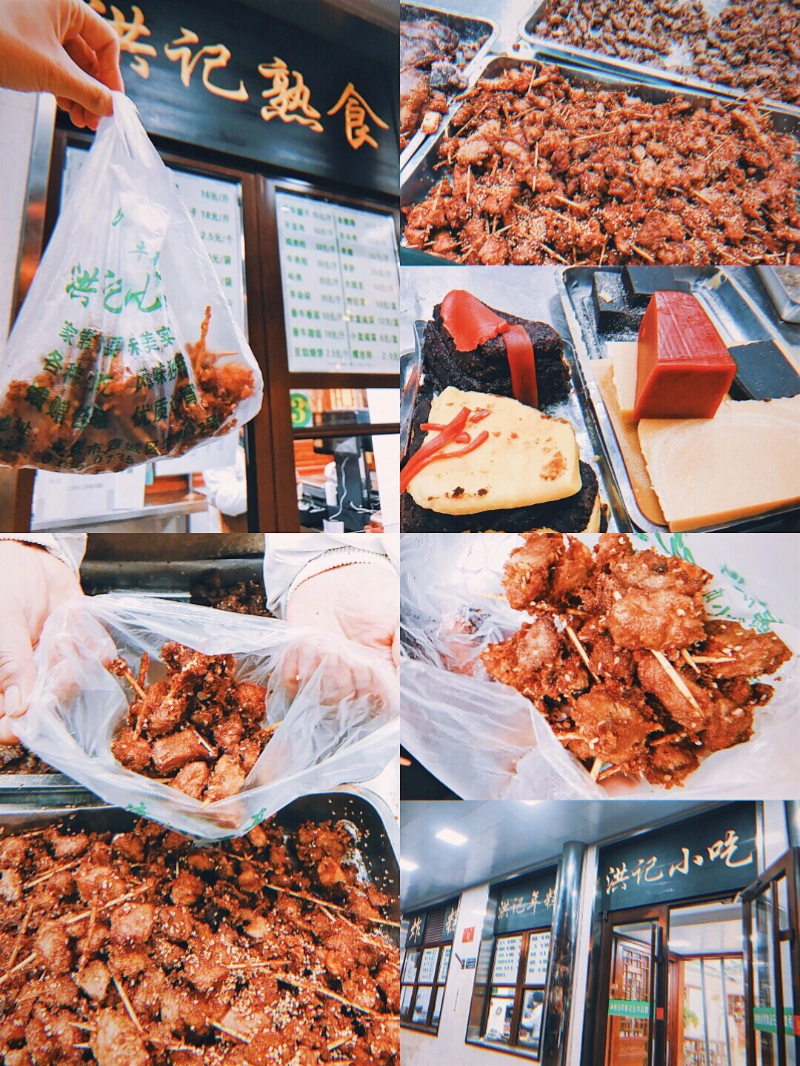
Hongji Snacks|The Longest Queue on Niujie, the Undisputed Champion
Niujie is Beijing’s best-known halal food street, loved for tender beef and lamb plus excellent rice cakes. The longest line on Niujie often belongs to Hongji. People will happily wait an hour for freshly made fried cakes, in part because they’re best eaten immediately while hot.
Fresh out of the fryer, the cakes are almost too hot to hold. One bite and the sweet bean filling melts, while the glutinous rice shell stays crisp outside and soft inside. You usually can’t take them away, but the Niujie Halal Supermarket across the street sells plenty of halal snacks that travel well as gifts.
Address: 12 Niujie Street
Business Hours: 5:30 AM - 9:30 AM, 11:00 AM - 9:30 PM
Average Price per Person: 42 yuan