When it comes to sweets, Cantonese and Suzhou desserts often steal the spotlight. Beijing-style desserts, by contrast, are sometimes dismissed as greasy, overly sweet, or heavy. But Beijing was the seat of the imperial kitchen, and many local desserts were refined for the court—built on premium ingredients and careful technique. If nothing else, trust the emperor's palate.
/images/remote/456f5dfb082f8801.gif

Almond Tofu
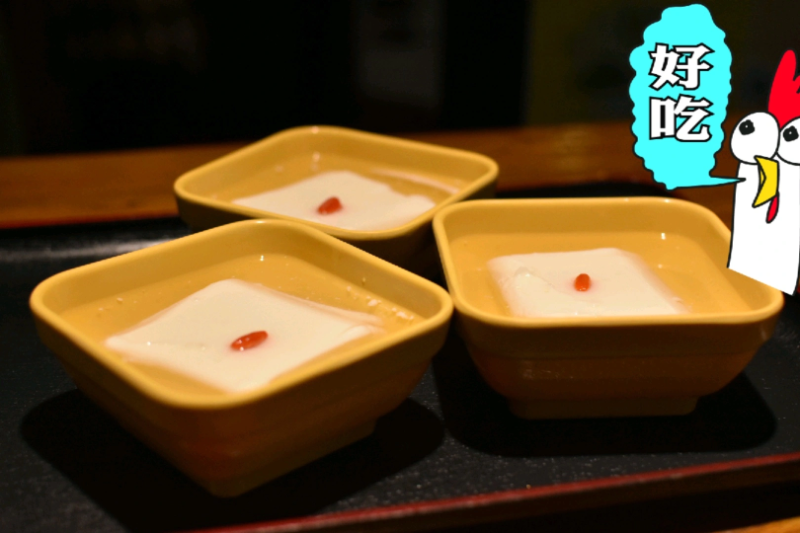
Tofu is everyday fare, but add almonds and it becomes something delicate and elegant. The method is simple: almond milk is heated, cooled until it sets, then cut into soft cubes. A spoonful of osmanthus syrup finishes the dish, often with goji berries and a bit of greenery on top. The texture is silky and cool, and the almond aroma arrives with a gentle sweetness and a faint, pleasing bitterness.
/images/remote/f8f609e09846222c.gif

/images/remote/64e81e5f5ded2527.gif

/images/remote/cafa5a85fc1904e4.gif

Recommended Restaurants
Dehezhai
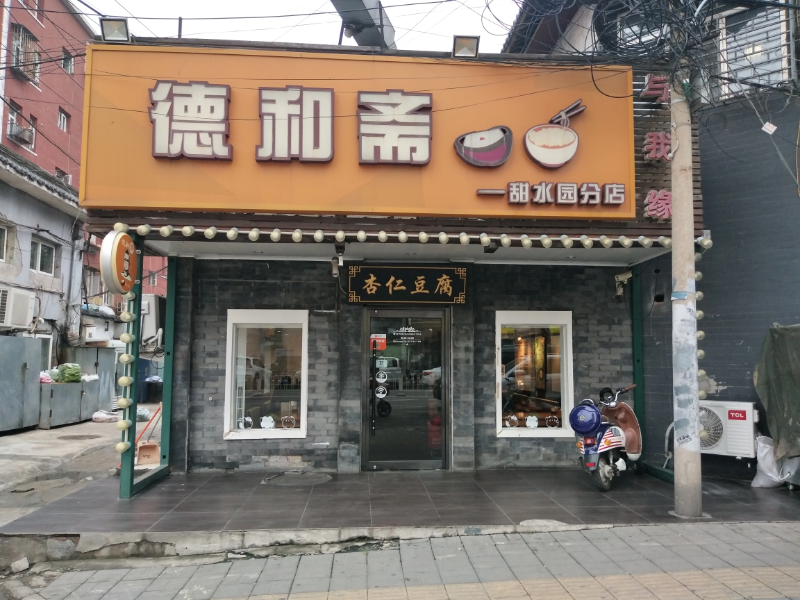
If you want classic almond tofu, Dehezhai is widely considered one of the best picks in town. It’s soft, refreshing, and cream-smooth from the first bite. Beyond the original version, they also offer newer flavors like brown sugar and even black vinegar, each with its own appeal.
Address: Building 7, Tianshuiyuan Dongli, Tianshuiyuan East Street
Price: 15 yuan per serving
Donkey Roll
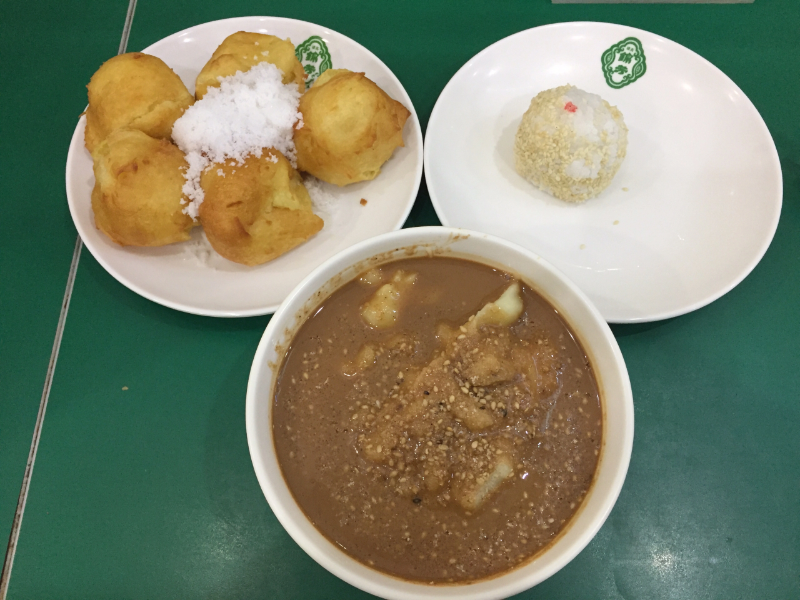
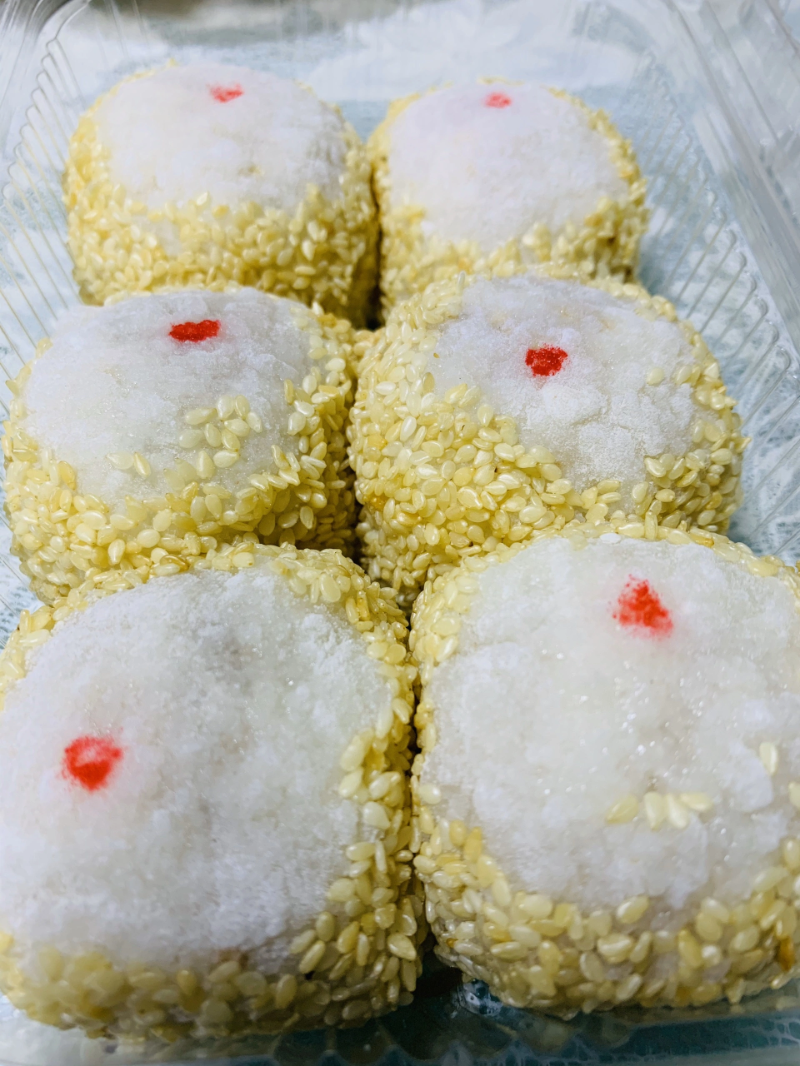
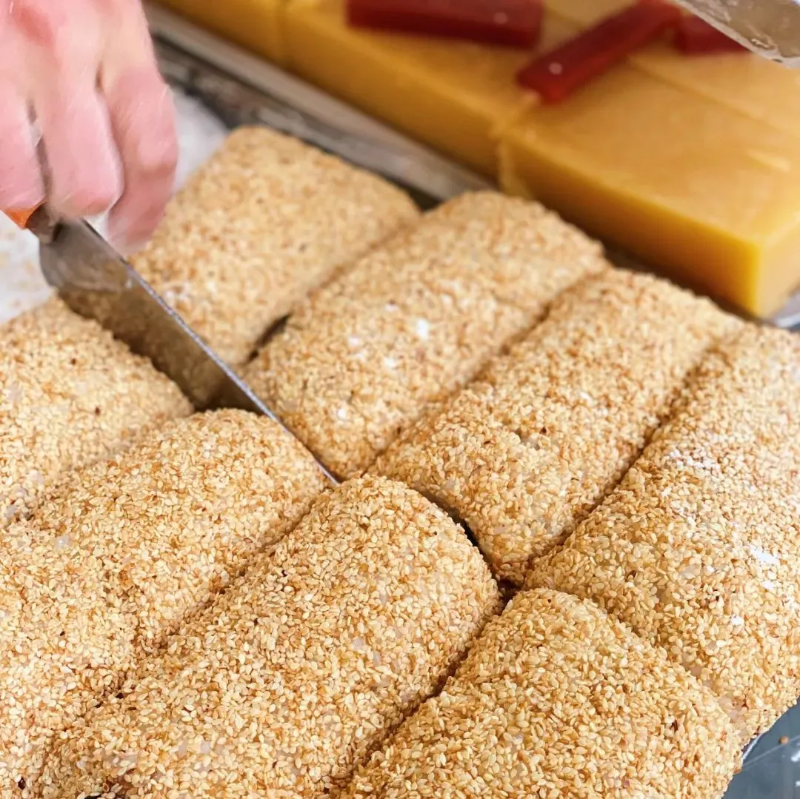
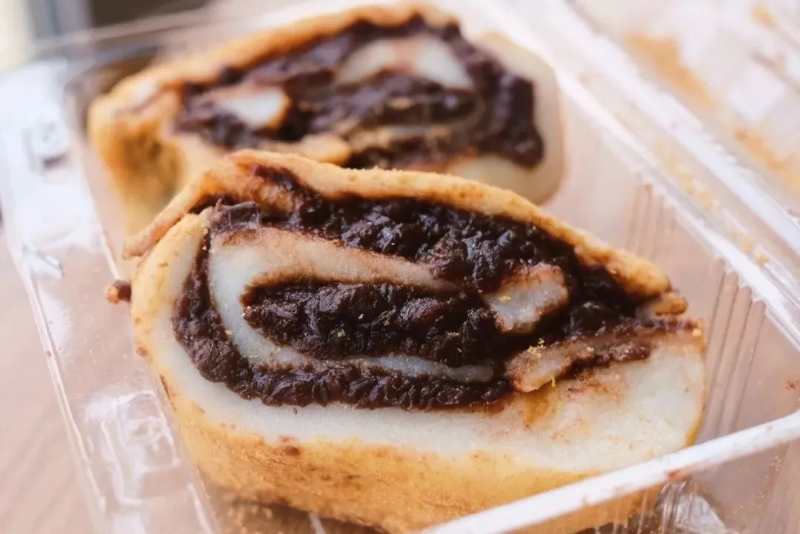
Few people can resist lüdagun (donkey rolls): a soft glutinous rice roll filled with red bean paste and coated in roasted soybean flour. It’s chewy, springy, and instantly satisfying.
/images/remote/cc4bbb6372cb9598.gif

/images/remote/dbc52f0d54e70350.gif

/images/remote/f7e8bb7cf4092a7e.gif

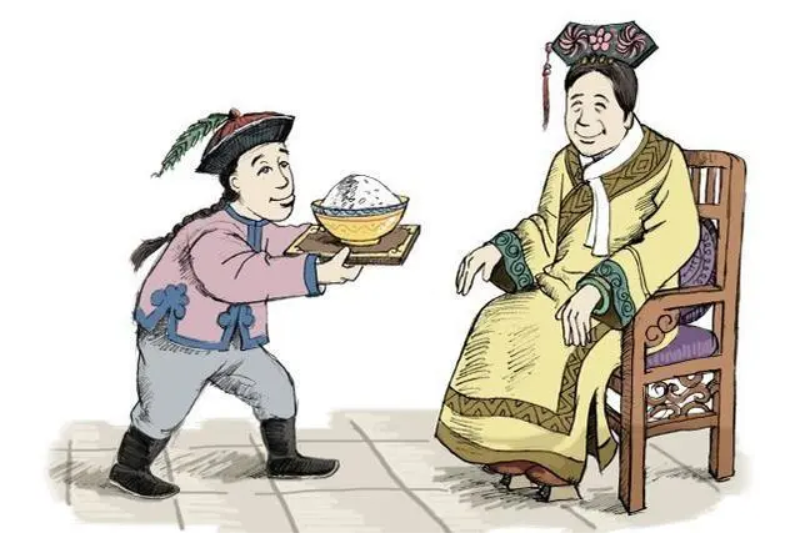
Like many imperial-era snacks, donkey rolls are often linked to Empress Dowager Cixi in popular stories. One tale says the chef created a new dessert by wrapping red bean paste in glutinous rice dough. A eunuch nicknamed “Little Donkey” supposedly dropped it into a basin of soybean flour while serving it. With no time to remake it, the chef sent it out as-is. Cixi loved it—and when she asked for the name, the chef called it “lüdagun,” or donkey rolls.
Recommended Restaurants
Qingzhen·Bai Ji Rice Cake
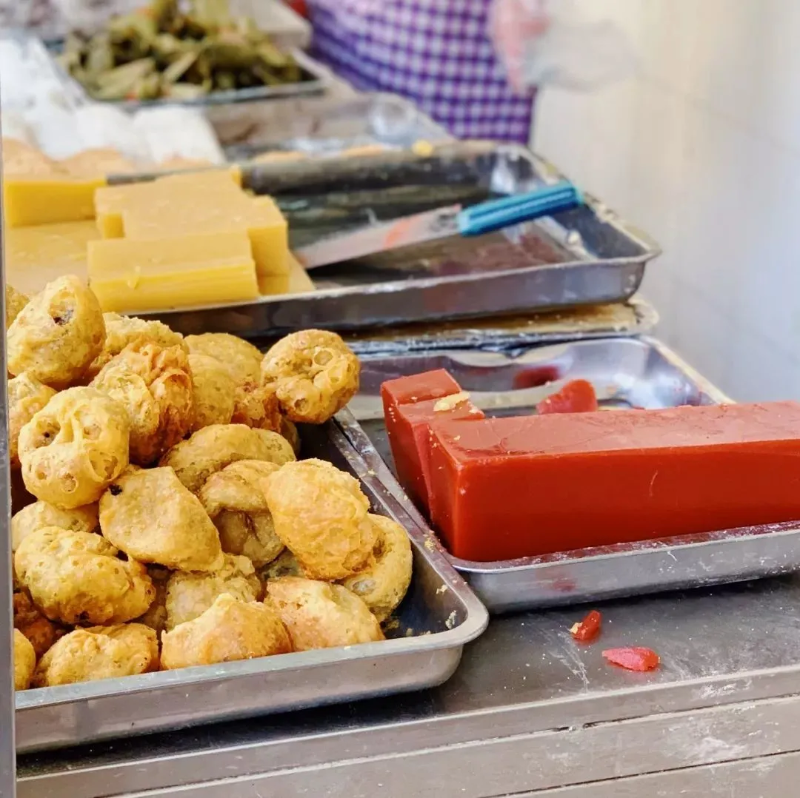
Old Beijing has a saying: “Beijing snacks are in Xuanwu, and Xuanwu snacks are in Niujie.” Bai Ji Rice Cake is famous for serving some of the best donkey rolls in the city. A 30-minute wait is common. The rolls are long, soft, and chewy, generously filled with red bean paste and evenly coated in soybean flour. The sweetness is balanced, so it never feels cloying.
Address: 1st Floor, Niujie Halal Supermarket, No. 5 Niujie, Niujie Street
Price: 19.8 yuan per 500g
Pea Cake
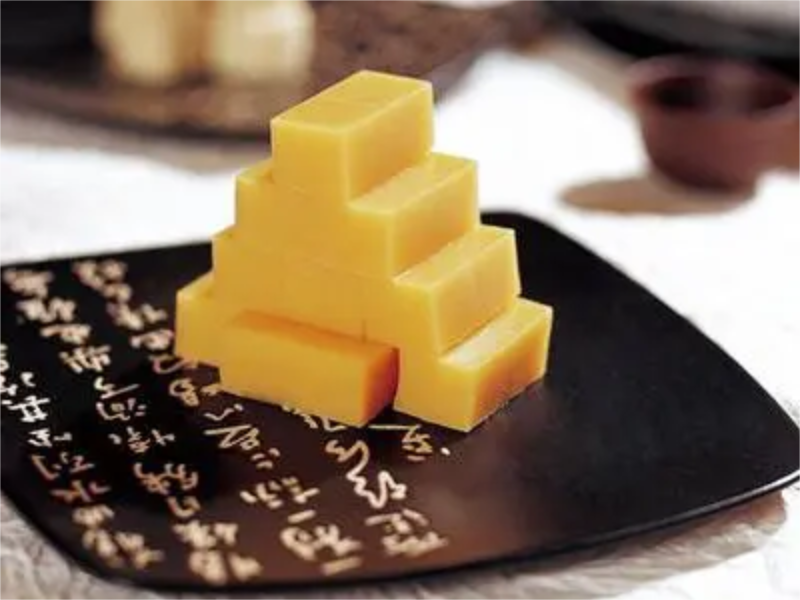
No list of Beijing desserts is complete without pea cake. Traditionally eaten on the third day of the third lunar month, it shows up each spring and stays popular through late spring. Its bright yellow color is inviting, and the texture—soft and dense, almost like a bean-based mousse—helps explain its staying power.
/images/remote/9ffb336cc3b76e95.gif

Recommended Restaurants
Lao Hui Hui
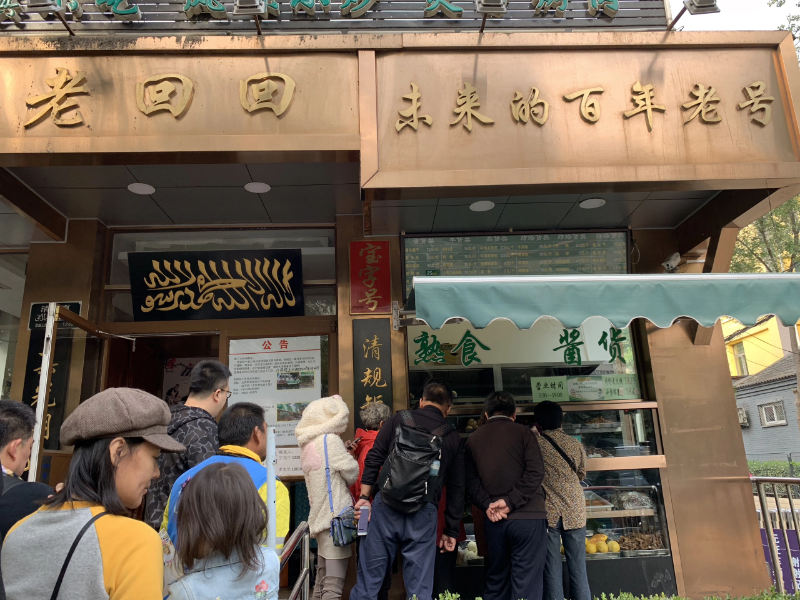
The pea cake here is made with care: a gentle bean flavor, clean sweetness, and a smooth, tidy finish. It also travels well in a small takeaway box.
Address: 1st Floor, No. 9, Baiwanzhuang North Street Price: 19 yuan/box
Ai Wowo
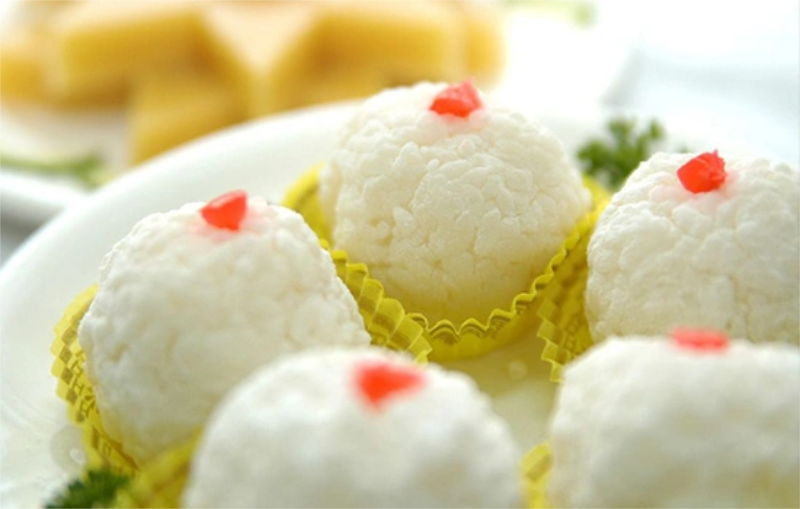
Names with reduplication often sound cute in Chinese, and aiwowo fits the bill. These plump white glutinous rice balls are beloved by many longtime Beijingers. Snowy white and gently sweet, they’re chewy in the best way—easy to pack, and even easier to finish.
/images/remote/2086e9d92a03663d.gif

Recommended Restaurants
Jinfang Snacks
Jinfang is a classic Beijing snack shop and a well-known time-honored brand. If you want to sample a wide range of snacks and desserts in one stop, it’s a practical choice. The flavors may not be the absolute best in every category, but it’s efficient, approachable, and great when time is limited.
Address: No. 18-19, 1st Floor, Beijing Metropolis, 2 Zhushikou East Street Price: 3 yuan each