
During the Qing Dynasty, Beijing’s inner city functioned as an imperial zone with tight restrictions, and many Han residents lived further south, beyond Xuanwu Gate and Chongwen Gate. If the northern city represented official power and nobility, the southern city preserved much of old Beijing’s everyday character. Liulichang’s scholarly culture, Qianmen-Dashilan’s commercial tradition, and Tianqiao’s folk performance scene all reflect that legacy.
Qianmen Dashilar Commercial District
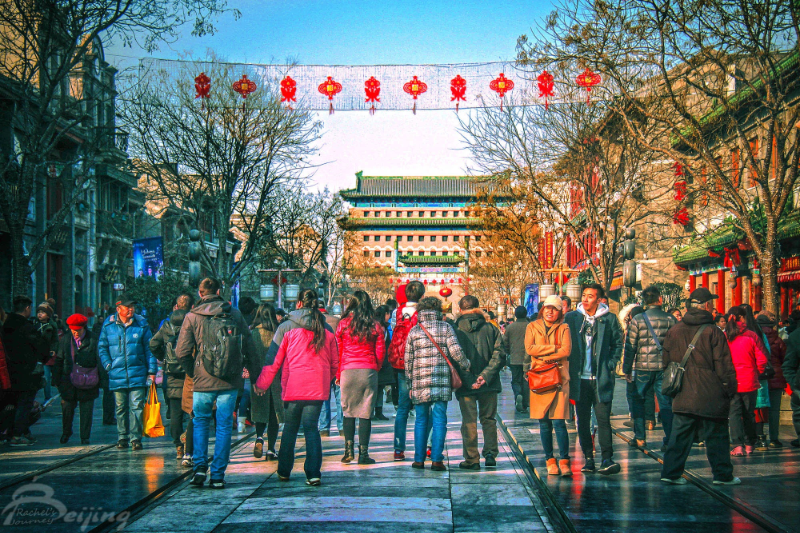
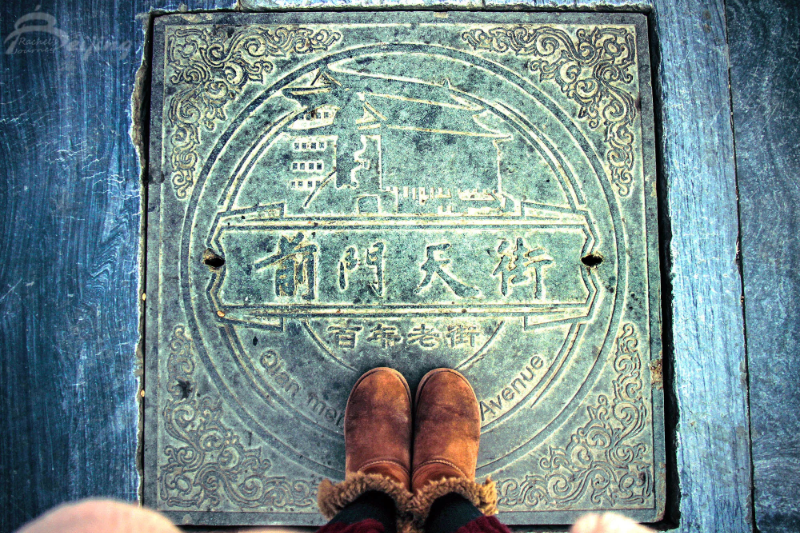
Since the Ming Dynasty, Qianmen Street has been one of Beijing’s classic commercial corridors. Together with nearby streets and markets—Xianyukou, Zhushikou, Meishikou, and Dashilan—it formed the historic Qianmen business district.
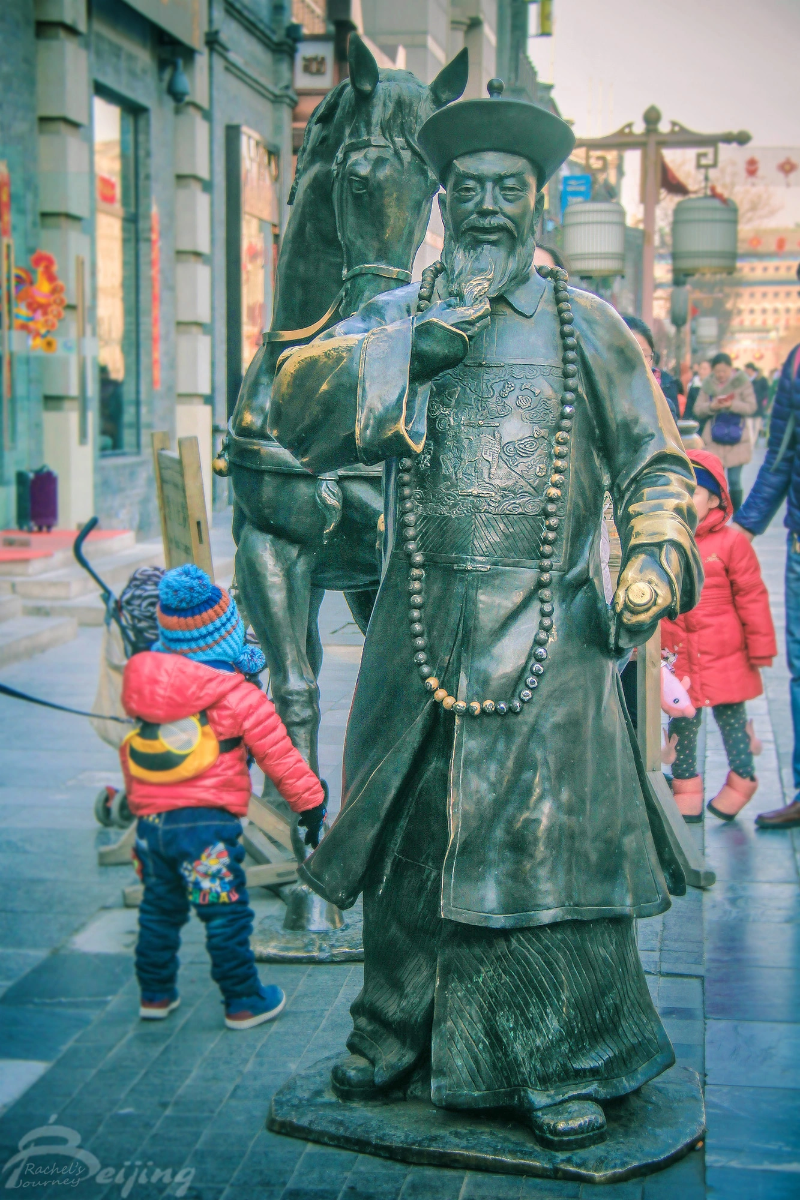
Today, Qianmen Street is a pedestrian zone lined with time-honored brands: Bianyifang for roast duck, Jiulongzhai for sour plum drink, Yueshengzhai for braised beef, and Daibei Photo Studio, among others. Many of these shops are proud of their long histories and still trade on the same streets they occupied generations ago.
Dashilan
Dashilan is one of Beijing’s oldest market streets, and it’s also famous for its local pronunciation: the characters “栅栏” are read as “shí lànr,” a classic example in broadcasting textbooks. The name dates to the Ming era, when barriers were placed at hutong entrances to guard against theft; the barrier here was said to be especially large and well made, and the name stuck.
The Dashilan area still preserves much of its late Ming and early Qing street layout. Within a compact walk you’ll find Beijing’s shortest hutong (Yichi Street), the artsy Yangmeizhu Xiejie, the Eight Great Hutongs, and more—making it a microcosm of old Beijing hutong culture.
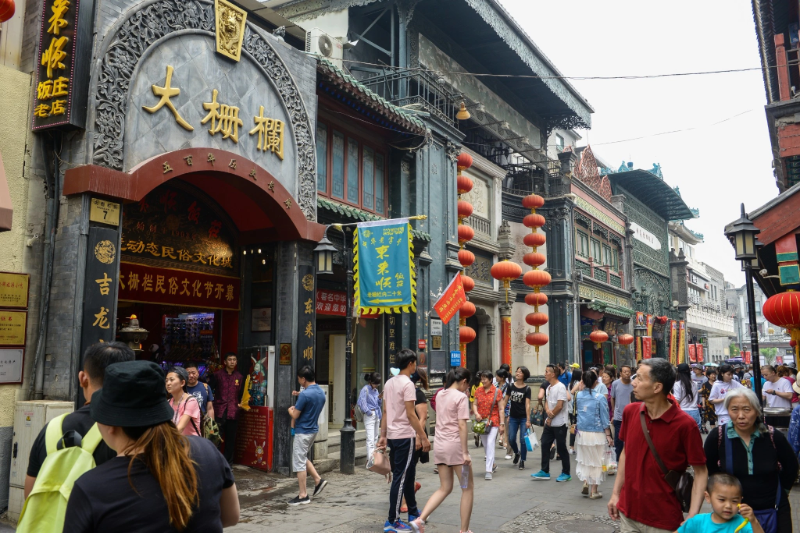
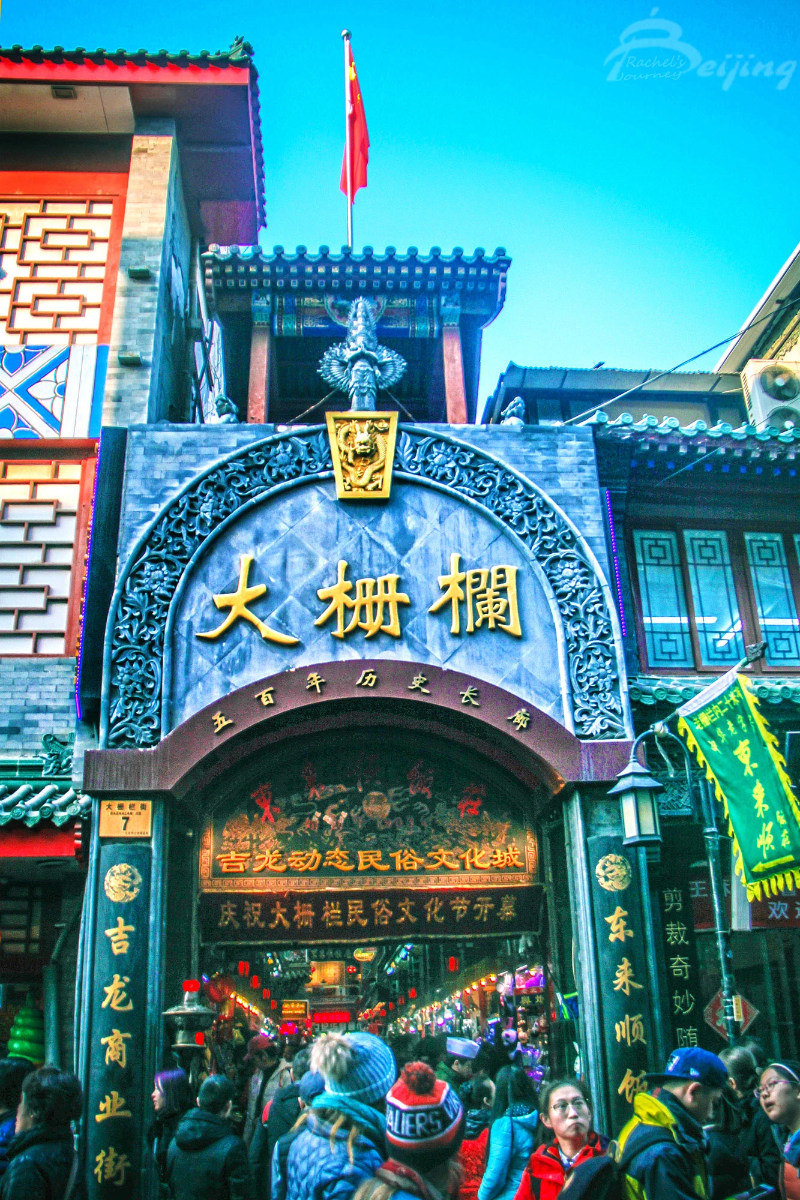
Address: Qianmen Dashilar Commercial District, Xicheng District
Transportation: Take Metro Line 2 and get off at "Qianmen Station"
Eight Great Hutongs
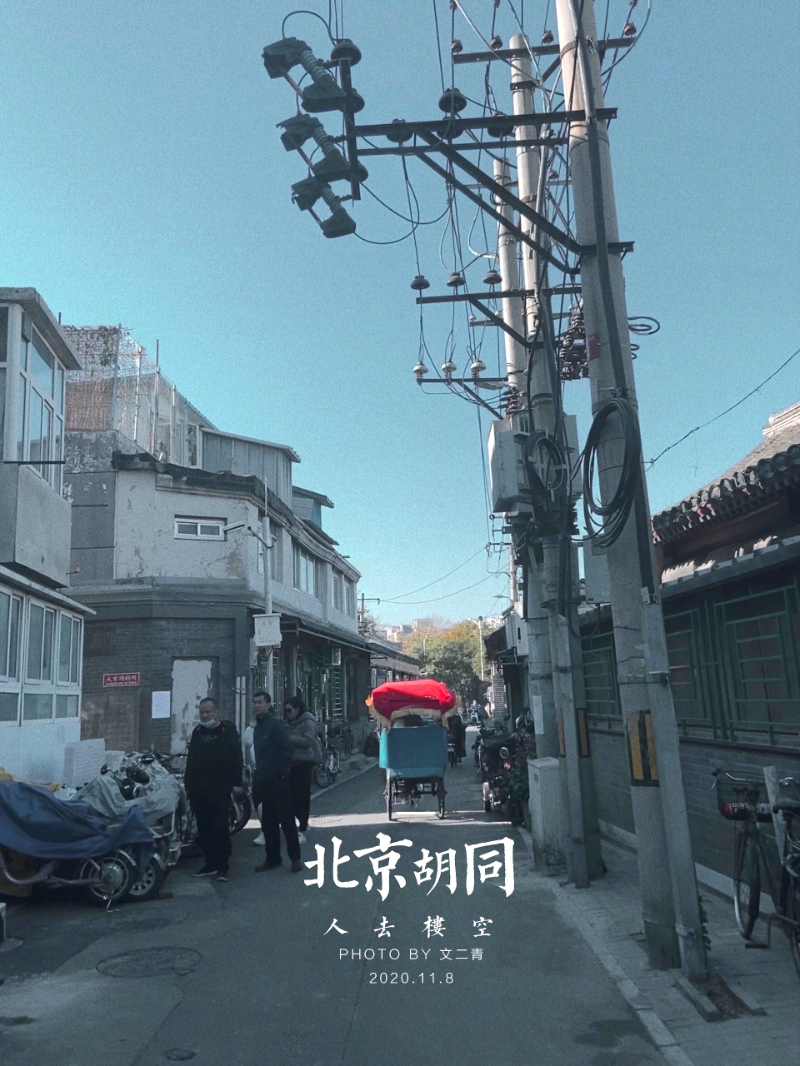
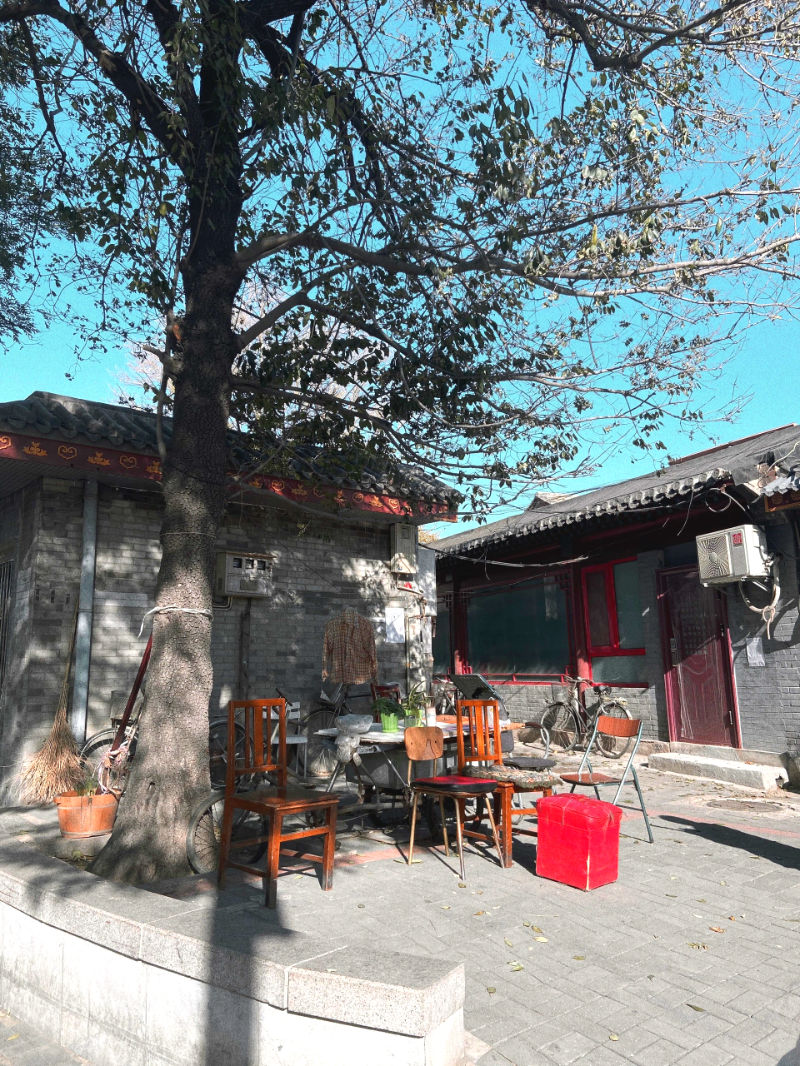
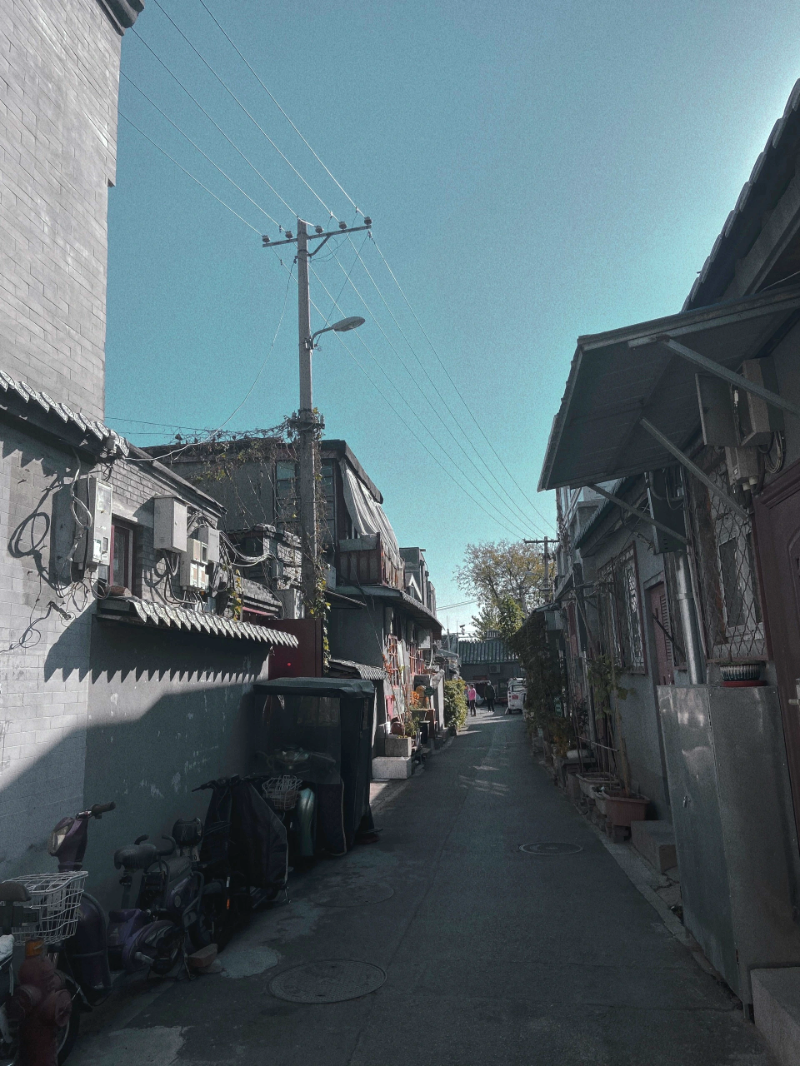
The Eight Great Hutongs were once Beijing’s best-known red-light district. They typically refer to Baishun Hutong, Yanzhi Hutong, Hanjia Hutong, Shaanxi Lane, Shitou Hutong, Wangguangfu Xiejie (now Zongshu Xiejie), Zhujia Hutong, and Lishamao Hutong (now Xiaoli Hutong)—eight lanes associated with historic pleasure quarters frequented by officials and wealthy merchants.
For a deeper look at Beijing’s layered history, the Eight Great Hutongs are worth a walk. Former brothels and theaters have mostly become residential spaces, but a few traces remain, including Sai Jinhua’s Yixiang Courtyard and the former residence of Xiaofengxian. The bustle is gone, yet the aging facades still hint at the district’s past.
Beijing Fang Commercial Street
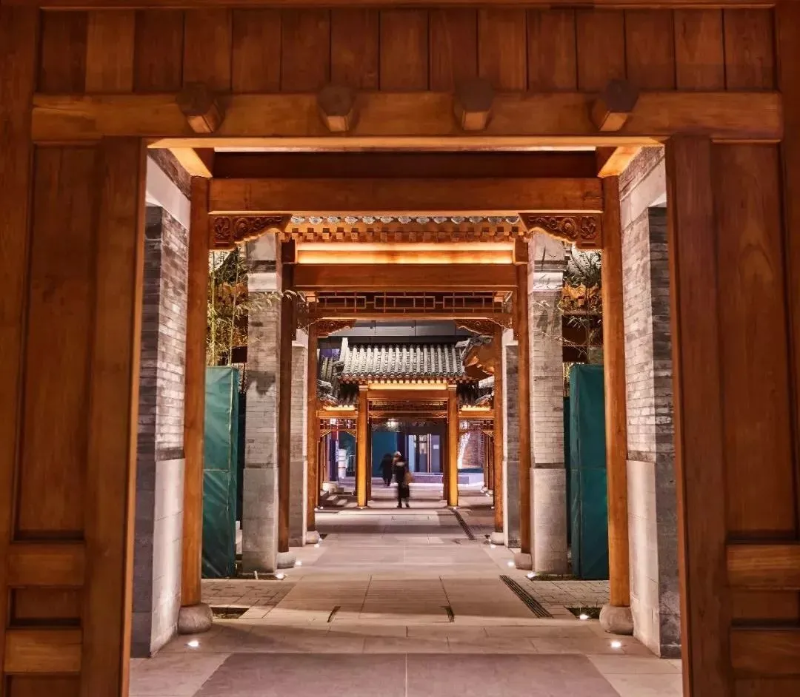
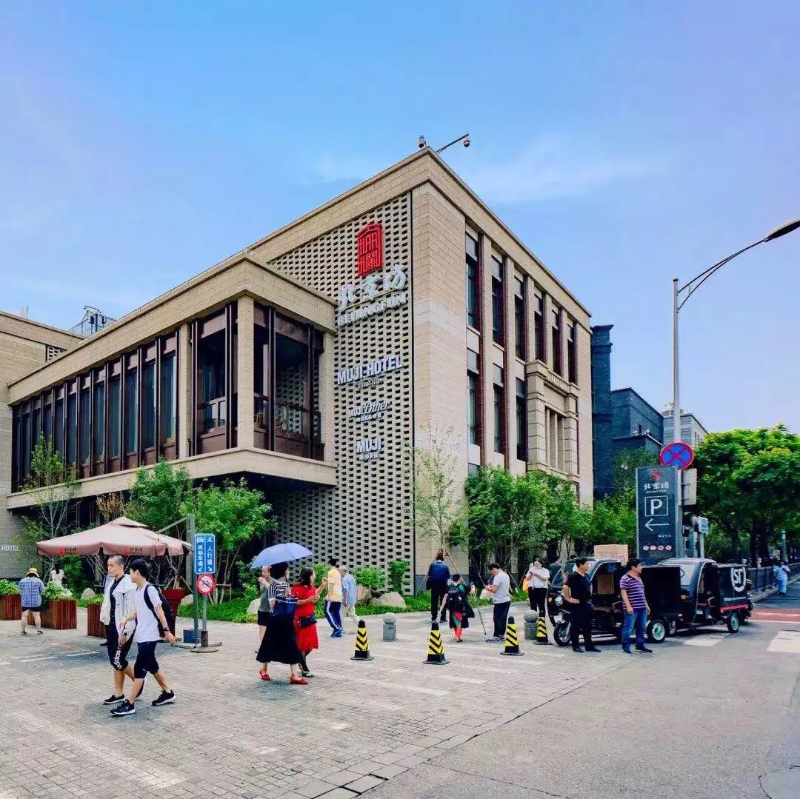
Opposite Dashilan is Beijing Fun, a newer development that draws inspiration from the historic “Qian San Men” area. It’s designed as an open-air Chinese lifestyle district, mixing contemporary design with references to the neighborhood’s past.
Highlights include the world’s second MUJI Hotel, a Starbucks flagship, and the striking Page One bookstore. By blending historic context with modern retail and culture, Beijing Fun has become a popular hangout for younger crowds.
Yangmeizhu Xiejie
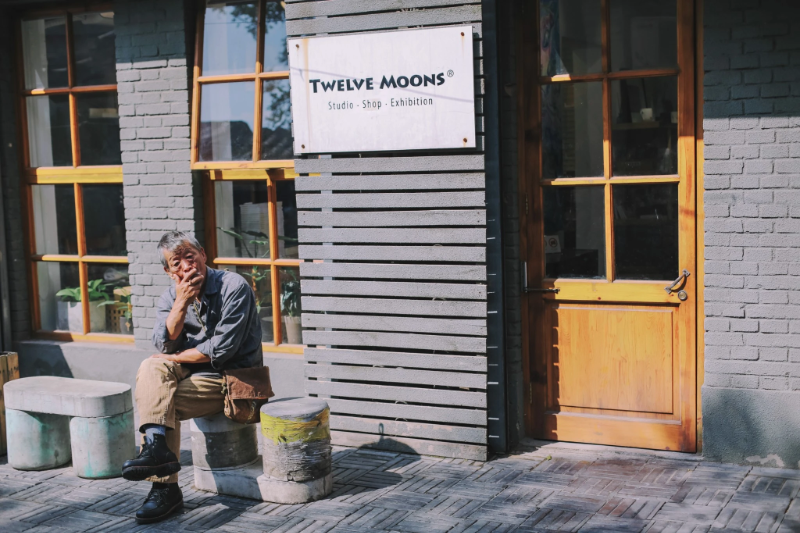
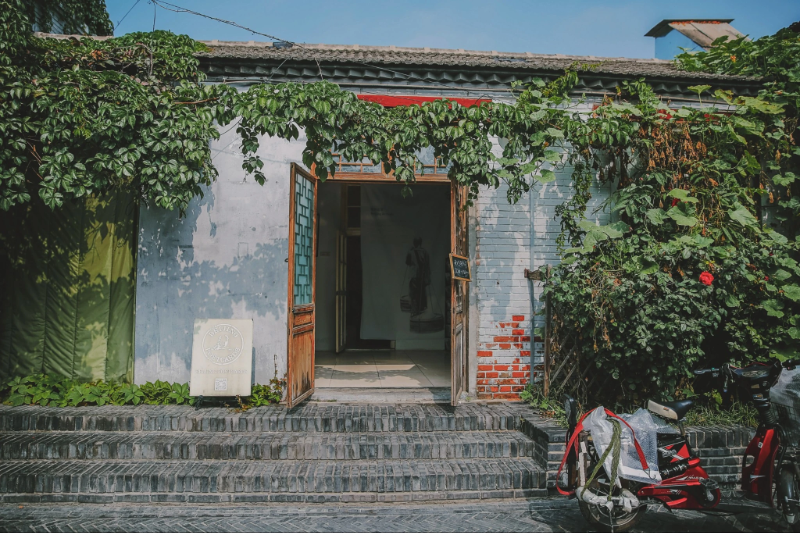
Yangmeizhu Xiejie is a gem in the southern city area, home to trendy restaurants, retro cafés, and the well-known Model Bookstore. Small shops sit alongside residential homes, and the street’s creative energy rises naturally out of everyday life.
Yangmeizhu Xiejie links Dashilan and Liulichang. When writer Shen Congwen first came to Beijing, he lived at the Youxi Guild Hall here and wrote works including “Border Town.” Qingyun Pavilion, a high-end entertainment venue in the late Qing and early Republic era, was also located on this street. Its back gate still survives, and figures such as Liang Qichao, Lu Xun, and Liang Shiqiu are said to have visited.
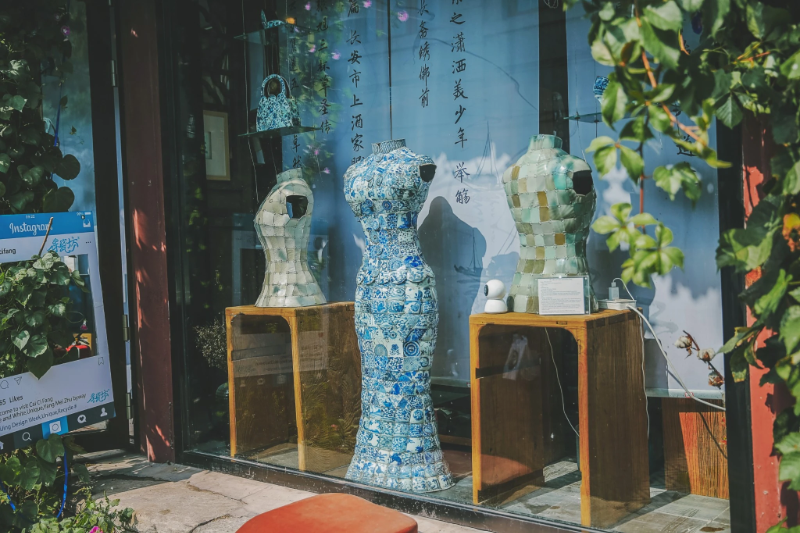
Liulichang
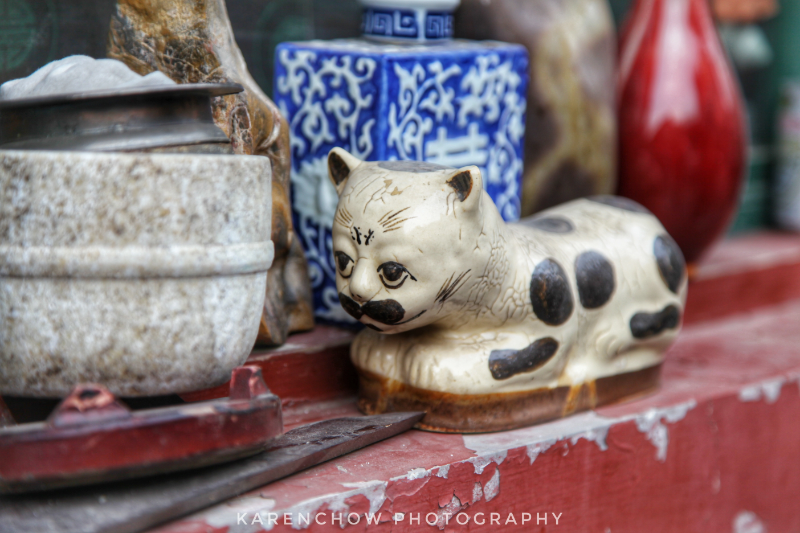
Passing through Yangmeizhu Xiejie brings you to Liulichang Cultural Street. Its history reaches back to the Yuan Dynasty, when official kilns here fired glazed tiles. In the Qing era, many provincial scholars preparing for the imperial exams stayed in this area, and shops selling books, brushes, ink, paper, and inkstones flourished. It remains one of the best places in Beijing for a literati-style stroll.
The time-honored China Bookstore, Qingmi Ge for the Four Treasures of the Study, and the nationally known Yide Ge are all here. These historic shops retain a refined feel. Whether you’re browsing ink paintings or picking up elegant souvenirs, Liulichang delivers.
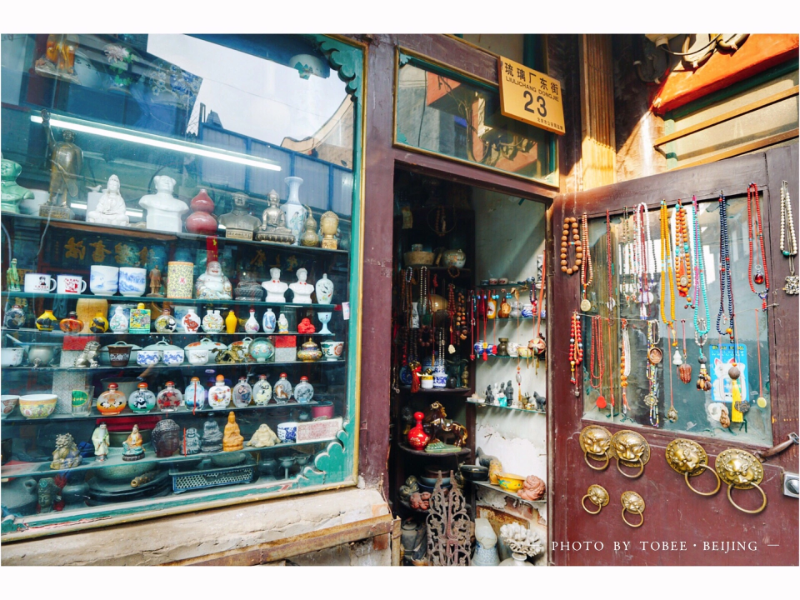
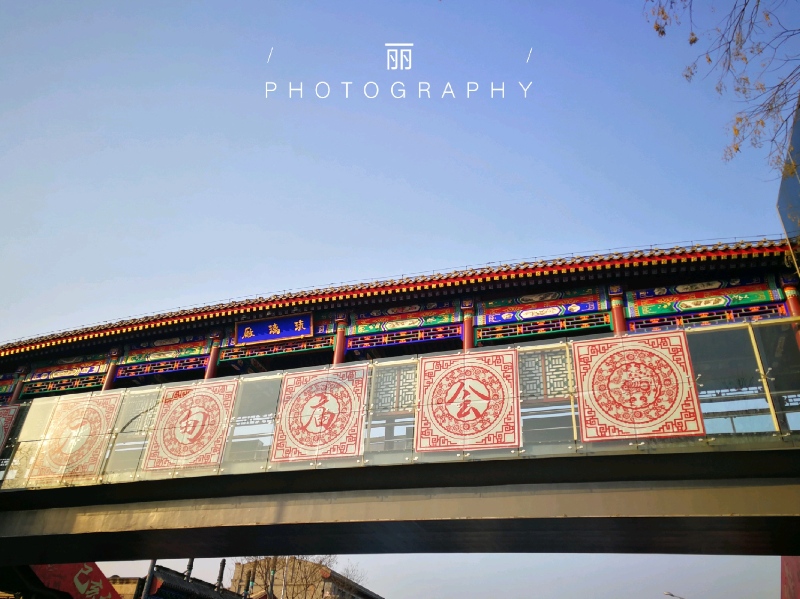
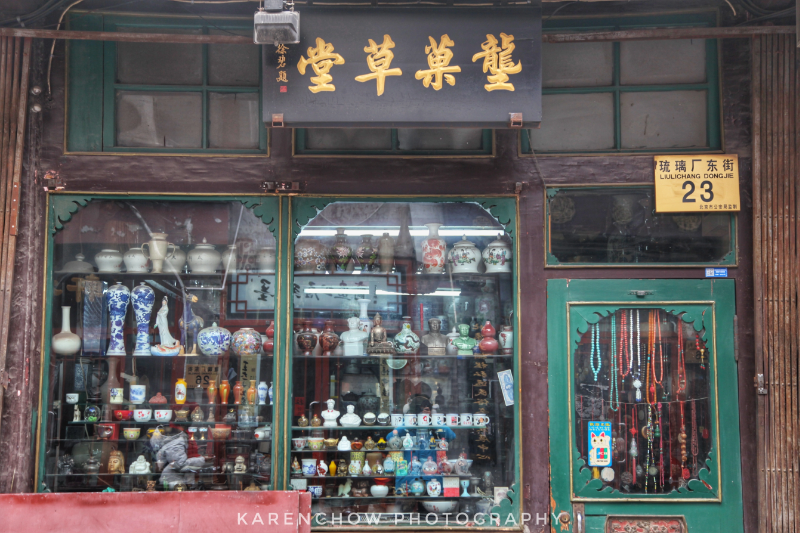
Address: South Xinhua Street, Xicheng District
Transportation: Take Metro Line 2 and get off at Hepingmen Station
Tianqiao Performing Arts District
Tianqiao sits on the southern extension of the central axis, just south of Qianmen, and is one of the birthplaces of Beijing’s folk culture. In the Ming and Qing dynasties it was a gathering place for commoners and street performers, with acrobatics, opera, and other popular arts thriving here. While many of the old “Tianqiao acts” have faded, the cultural spirit remains.
Today, the Tianqiao Performing Arts Center hosts large-scale international musicals such as “Wicked” and “The Phantom of the Opera.” Or remember the area’s comic roots and head to the popular Deyun Club for an evening of crosstalk.
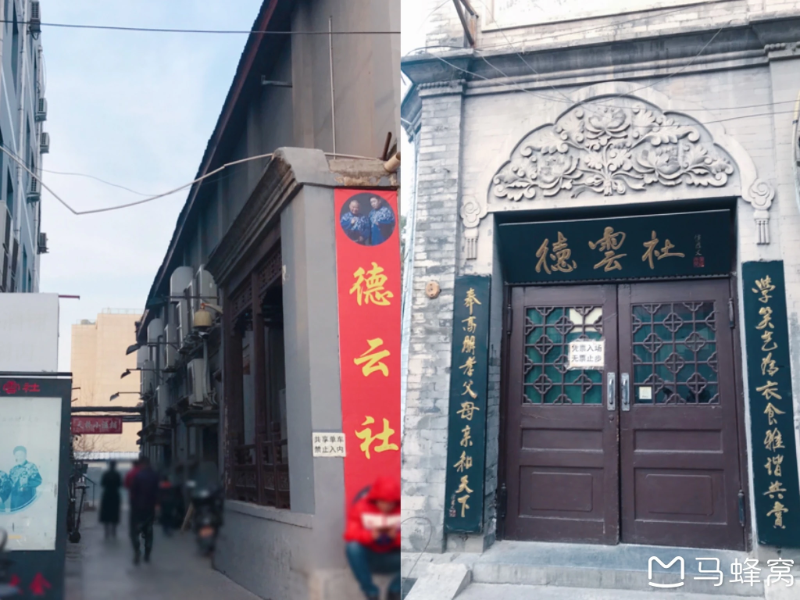
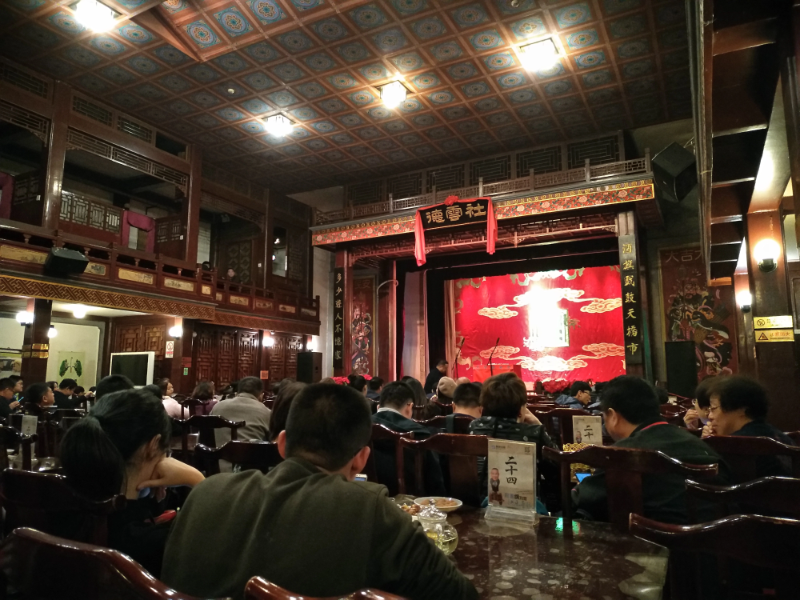
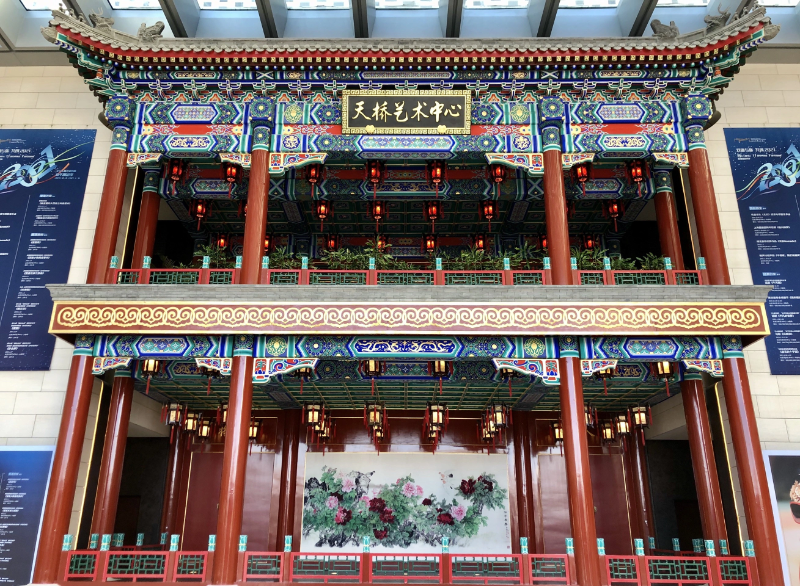
Address: South Tianqiao Street Xicheng District
Transportation: Take Metro Line 8 to Tianqiao Station
The Temple of Heaven
At the end of the old ceremonial route past Tianqiao sits the Temple of Heaven, a site for worshipping Heaven and praying for good harvests. It is the world’s largest surviving complex of imperial sacrificial architecture and a UNESCO World Heritage site.
The architecture here is both symbolic and visually striking. The Hall of Prayer for Good Harvests has become a symbol of Beijing, with its blue-tiled triple-eaved roof. The Circular Mound Altar is known for its carefully designed acoustics, and the Echo Wall—famous from school textbooks—demonstrates how whispers can carry surprisingly far under the right conditions.
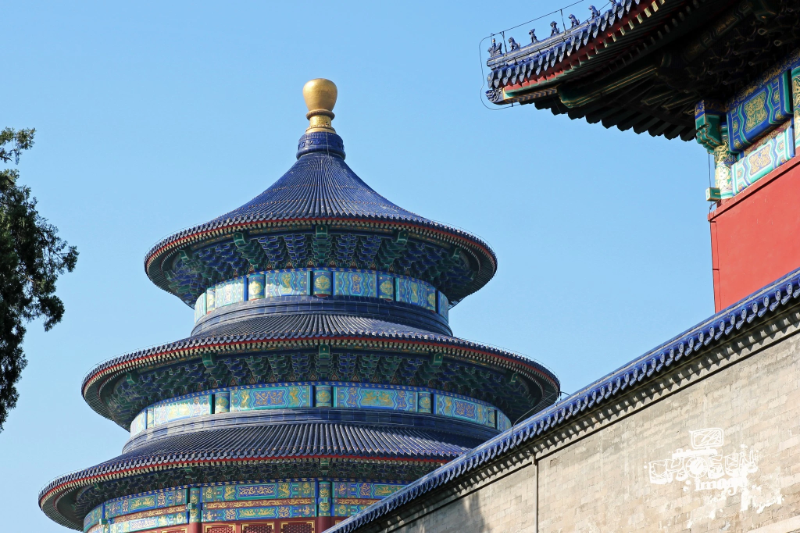
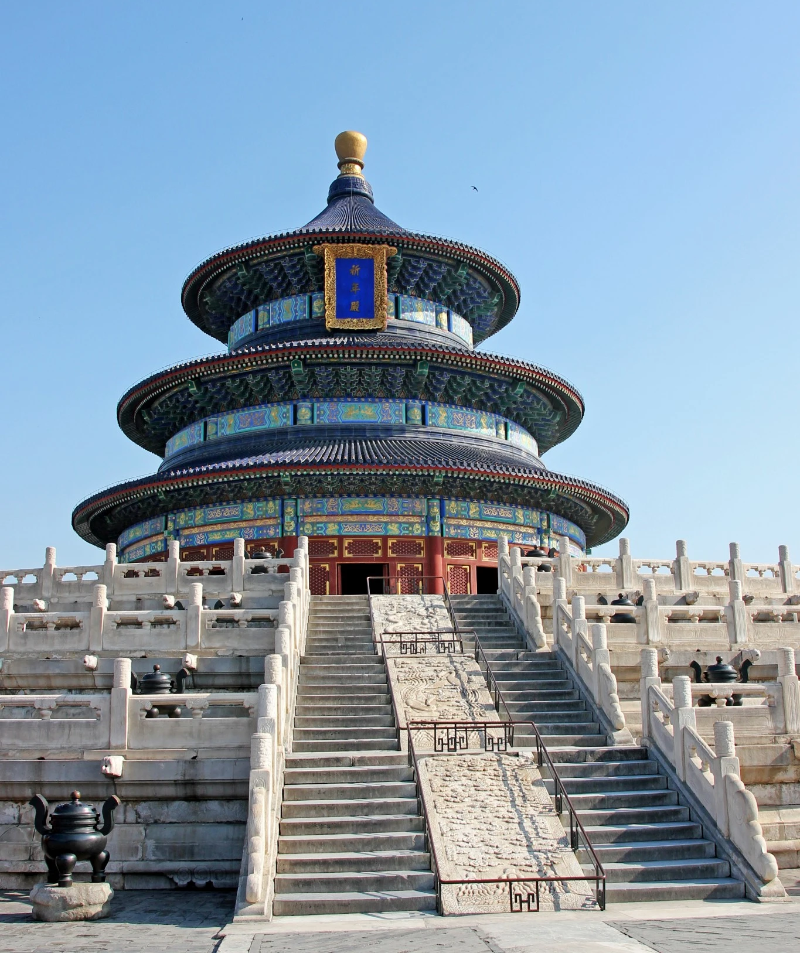
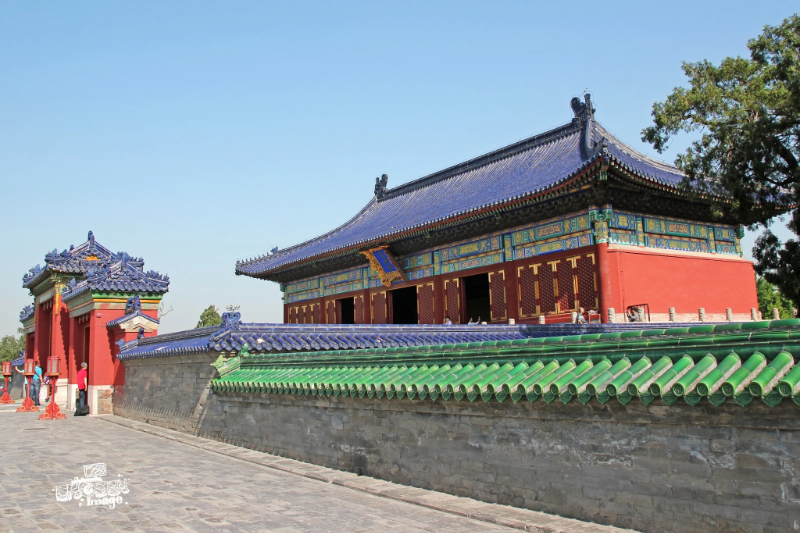
Beyond the monuments, the park is beautiful in its own right, with more than 2,500 ancient trees and shaded paths that are ideal for morning walks or runs. Today it functions as a kind of urban “oxygen bar,” where royal grandeur and daily life sit comfortably side by side—making it a cultural highlight for many visitors.
It’s also worth noting the Tiantan night session, which features a light show and a very different nighttime view of the Hall of Prayer for Good Harvests.
Practical Information
Address: No. 1A Tiantan Road Dongcheng District
Transportation: Take Metro Line 8 to Tianqiao Station or Line 5 to Tiantan East Gate Station
Opening Hours: 6:30~21:00 (Inner Garden: 8:30~16:30 ticket sales stop at 16:00). It is recommended to visit in the evening to enjoy two different views.
Ticket Reference: Peak season: 15 yuan/person combo ticket: 34 yuan/person
How to Book Tickets: Make reservations and purchase tickets through the official WeChat account "Changyou Park" or you can find information on the Temple of Heaven official website.
Lighting Hours: Generally on Fridays Saturdays and holidays 19:00~20:00 (subject to change) lights off at 21:30 (may be slightly delayed)
Tour Route
D1: Subway Qianmen Station → Qianmen Street → Xianyukou → Beijing Fun → Yangmeizhu Xiejie → Dashilan → Liulichang
D2: Subway Tianqiao Station → Temple of Heaven Park → Tianqiao Theater